The children's menu we should stop normalizing

Why I'm telling you this
There is something that really catches my attention when I go to a restaurant: the children's menu.
Far too often we find exactly the same thing: chicken nuggets, French fries, very plain pasta, a soft drink, and to finish, an ice cream.
And we have normalized it to such an extent that it even seems logical to think that this is 'food for children'.
But if we think about it from a medical, nutritional, and developmental perspective, the question should be a different one: why systematically offer a child lower-quality food at precisely the stage of life when he or she needs especially good nutrition?
During childhood, the body is in full growth. The brain, muscles, bones, immune system, and hormonal system are constantly developing.
To support this, a child needs quality proteins, healthy fats, vitamins, minerals, fiber, and a varied diet. They need eggs, fish, meat or quality protein alternatives, vegetables, fruit, legumes, dairy if tolerated, and minimally processed foods.
They also need omega-3 fatty acids, especially DHA, which plays a role in the development and functioning of the nervous system and neuronal membranes.
I am not saying that a child should never eat French fries or an ice cream. Of course they can. The problem arises when that kind of eating becomes the norm and fresh, nutritious foods become the exception.
Children learn how to eat
One of the most important things we need to understand is that taste is also something that is learned. A child who from an early age is used to eating fish, vegetables, eggs, meat, fruit, or legumes is far more likely to accept these foods as a matter of course.
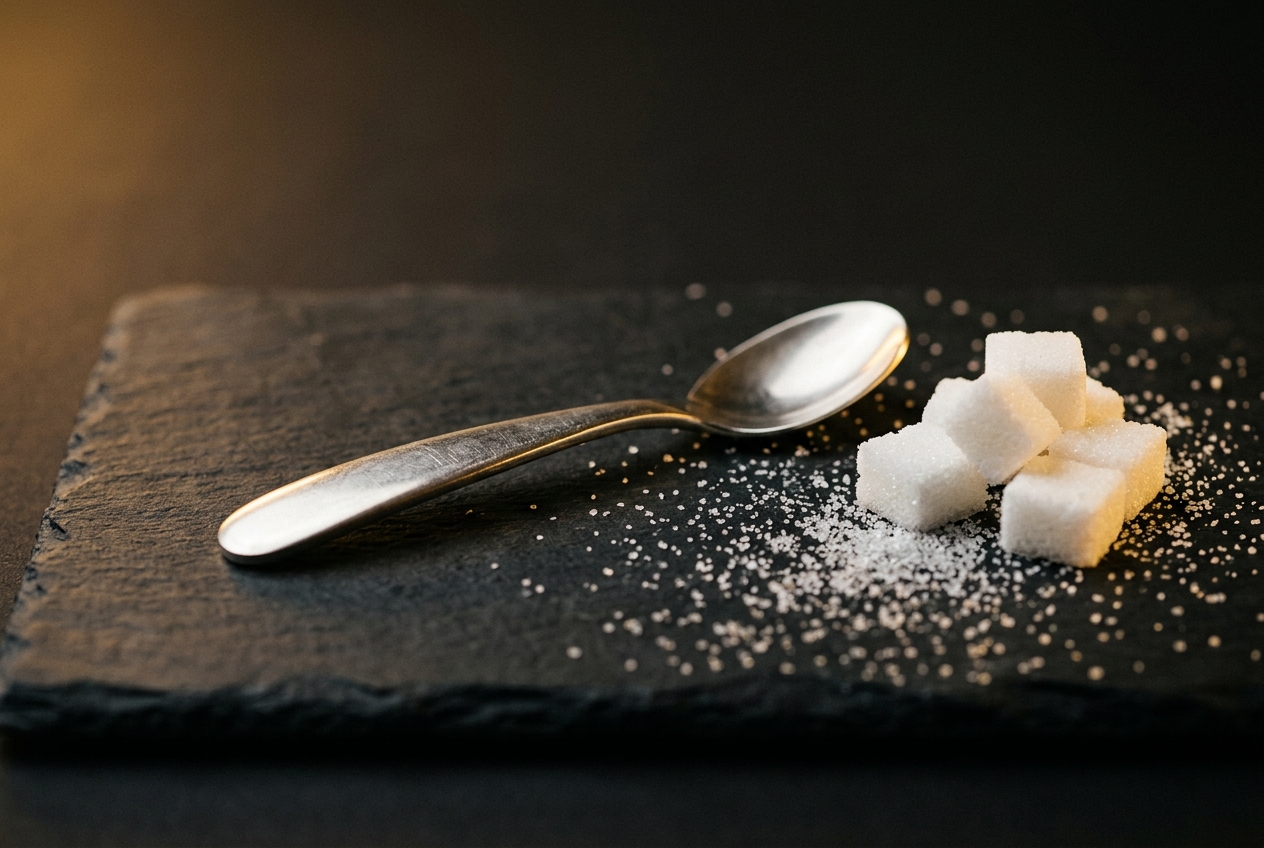
On the other hand, if we continually accustom their palate to ultra-processed foods that are very salty, very sweet, and highly palatable, it is only natural that they will later reject more natural flavors.
This does not mean that everything depends exclusively on parents. There are individual preferences, phases of greater food selectivity, and numerous family and social factors. But the food environment we create during childhood matters a great deal.
Children observe what we eat. They learn from our mealtimes, our shopping habits, what we put on the table, and also from our emotional relationship with food.
That is why I find it curious that, in some restaurants, adults can choose fish, vegetables, quality meat, or elaborate dishes, while we reserve the nutritionally poorest option on the entire menu for our children.
Perhaps we should look at it the other way around. The children's menu should simply be an appropriately sized portion of quality food.
It is not about forbidding, but about educating
I do not believe in creating fear around food or in banning everything outright. A healthy diet must also allow for social occasions, celebrations, and a degree of flexibility.
But there is an enormous difference between occasionally eating some nuggets and building a child's everyday diet around ultra-processed products.
Nutritional education begins long before a person develops high cholesterol, insulin resistance, or excess weight. It starts at home.
And the exact same thing happens with other health habits. A child who learns from an early age that exercise is something normal will probably have a different relationship with physical activity in adulthood. A child who has appropriate sleep schedules learns that sleeping is part of taking care of their health.
And a child who sees their parents cooking, eating a variety of foods and enjoying a healthy diet understands that eating well is not a punishment. It is simply the normal way to nourish oneself.
Investing in health from the very beginning
Many of the diseases we treat in adulthood have a history that begins decades earlier. Excess weight, insulin resistance, type 2 diabetes, hypertension and a large part of cardiovascular risk are related to genetic factors, but also to habits that are progressively built up over time.
That is why prevention should not begin at 50 when an abnormal blood test appears. Prevention begins in childhood.
And probably one of the greatest gifts we can give our children is not only to provide them with a good academic education. It is also to teach them to take care of their bodies. To eat well. To move. To sleep. To understand that health does not appear by chance, but is built through small decisions repeated over many years.
The next time we see a children's menu of nuggets, chips and ice cream, perhaps we can ask ourselves whether that is really what a child needs. It is not about becoming obsessed. It is simply about remembering something very basic: if there is a stage of life in which it is worth offering the best possible foods, that stage is precisely childhood.
Take care of your children today and you will be helping them to take care of themselves for the rest of their lives.
What to remember
- —Childhood is a period of intense growth: it is when offering quality food matters most, not food of poorer quality.
- —Taste is educated: getting the palate used to fresh and varied foods makes it easier for children to accept them as they grow older.
- —It is not about forbidding things, but about making ultra-processed food the exception and not the norm.
- —The prevention of metabolic and cardiovascular diseases begins in childhood, not at age 50.
- —Teaching children to eat well, move well, and sleep well is one of the greatest gifts you can give to your child's future health.
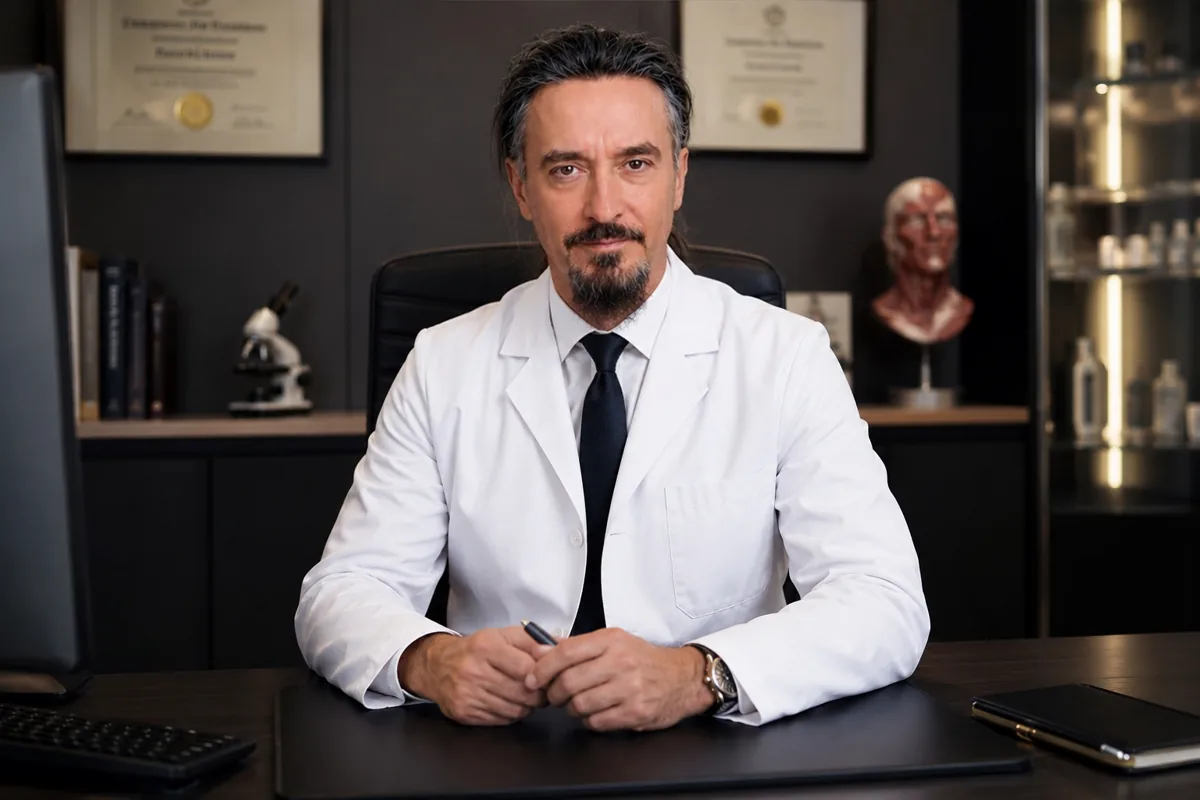
Doctor Florian A. Vallecillo Cabrera
The doctor explains
Informational content, written and reviewed by Doctor Florian A. Vallecillo Cabrera. It does not replace an in-person consultation or an individual diagnosis.