Aesthetic medicine, with medical judgement
CO₂ laser, HIFU, radiofrequency, skinboosters and collagen inducers: understanding what they really do —and how to choose well— beyond the marketing.
— Doctor Florian A. Vallecillo Cabrera
Before the product, the diagnosis
Aesthetic medicine has grown enormously, and with it have come new machines, new products and new promises. The problem is that, for a patient, it is increasingly hard to tell a sound medical indication from a good marketing campaign.
In this dossier I bring together my explanations of the most common technologies and treatments —the CO₂ laser, HIFU and radiofrequency, skinboosters and collagen inducers— and of something just as important: how to recognise a good aesthetic physician.
The aim is not to sell you the trend of the moment, but to give you the keys to understand what each technique does, what risks it carries and when it makes sense. Because aesthetic medicine done well is still medicine: diagnosis and indication first, product second.
Four keys to understanding
CO₂ laser
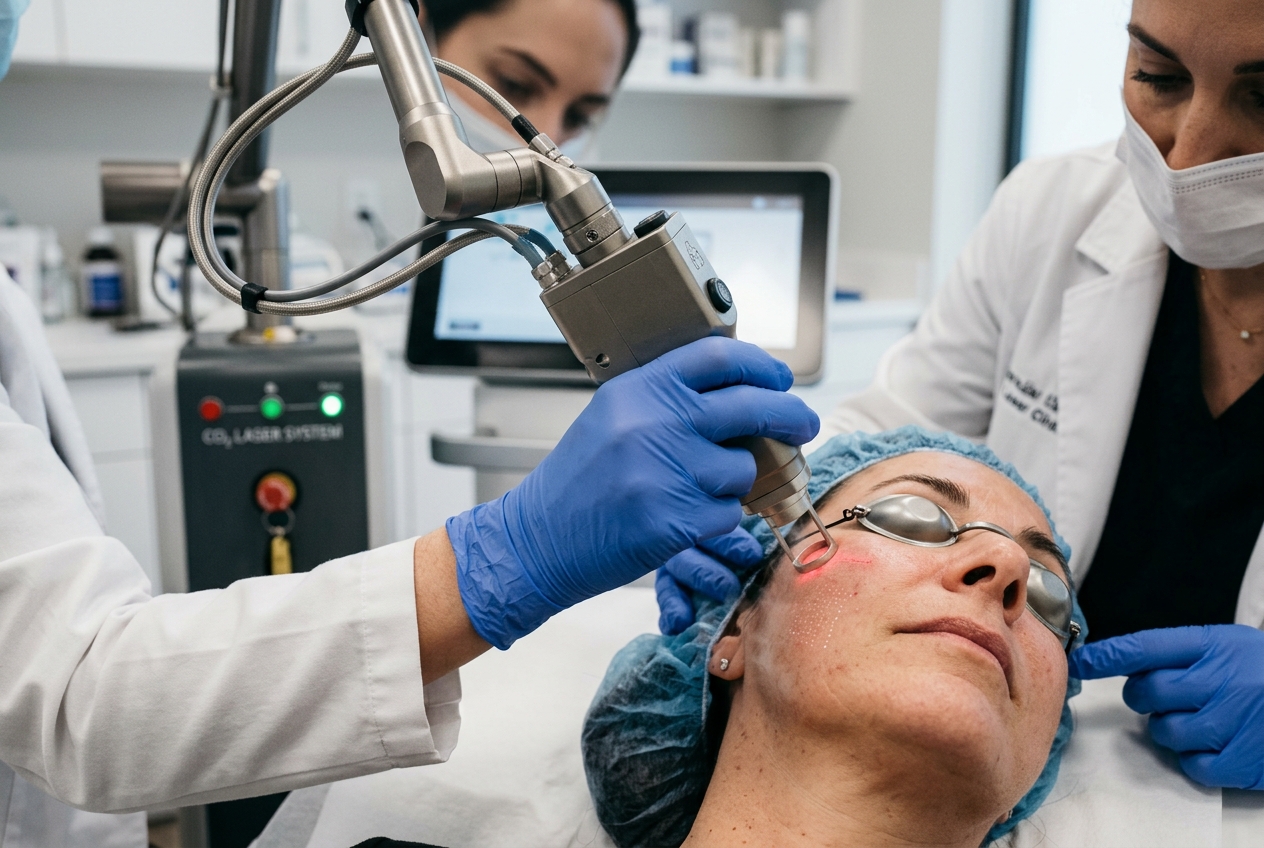
An ablative laser that creates a controlled micro-injury to trigger repair and collagen remodelling. A precise tool with a clear anatomical target — not a magic promise.
HIFU & radiofrequency
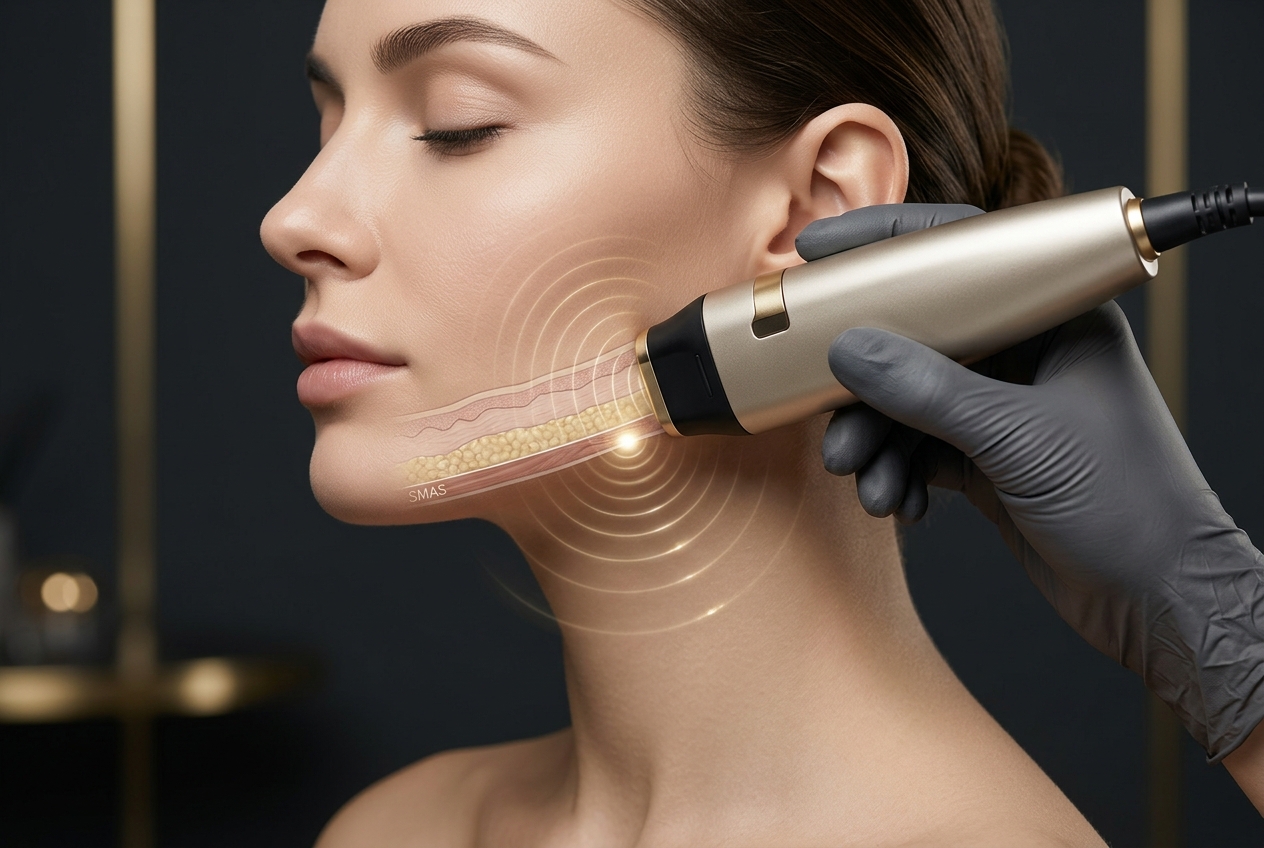
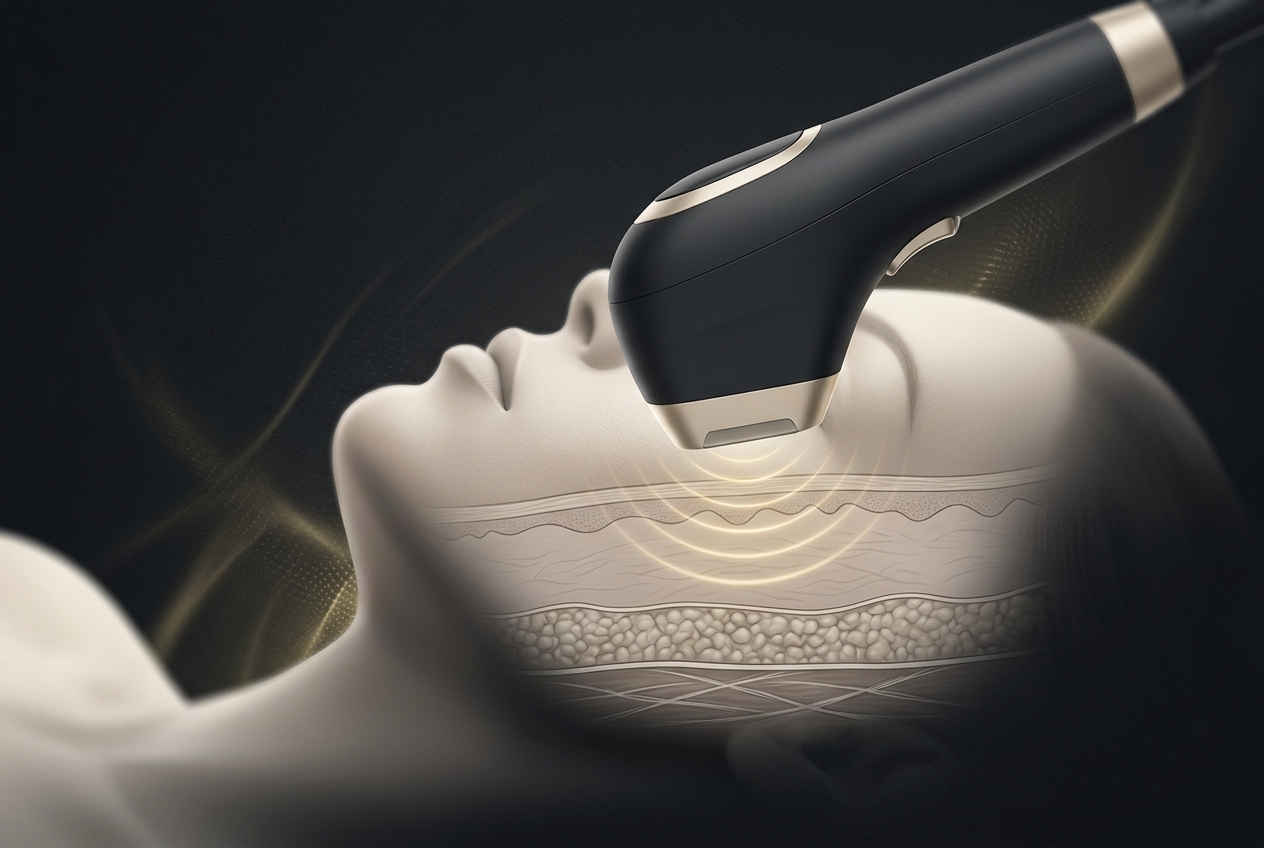
They deposit energy deep to tighten. I explain why producing repair collagen is not the same as rejuvenating, and why I prefer to preserve volume and healthy tissue.
Skinboosters & inducers
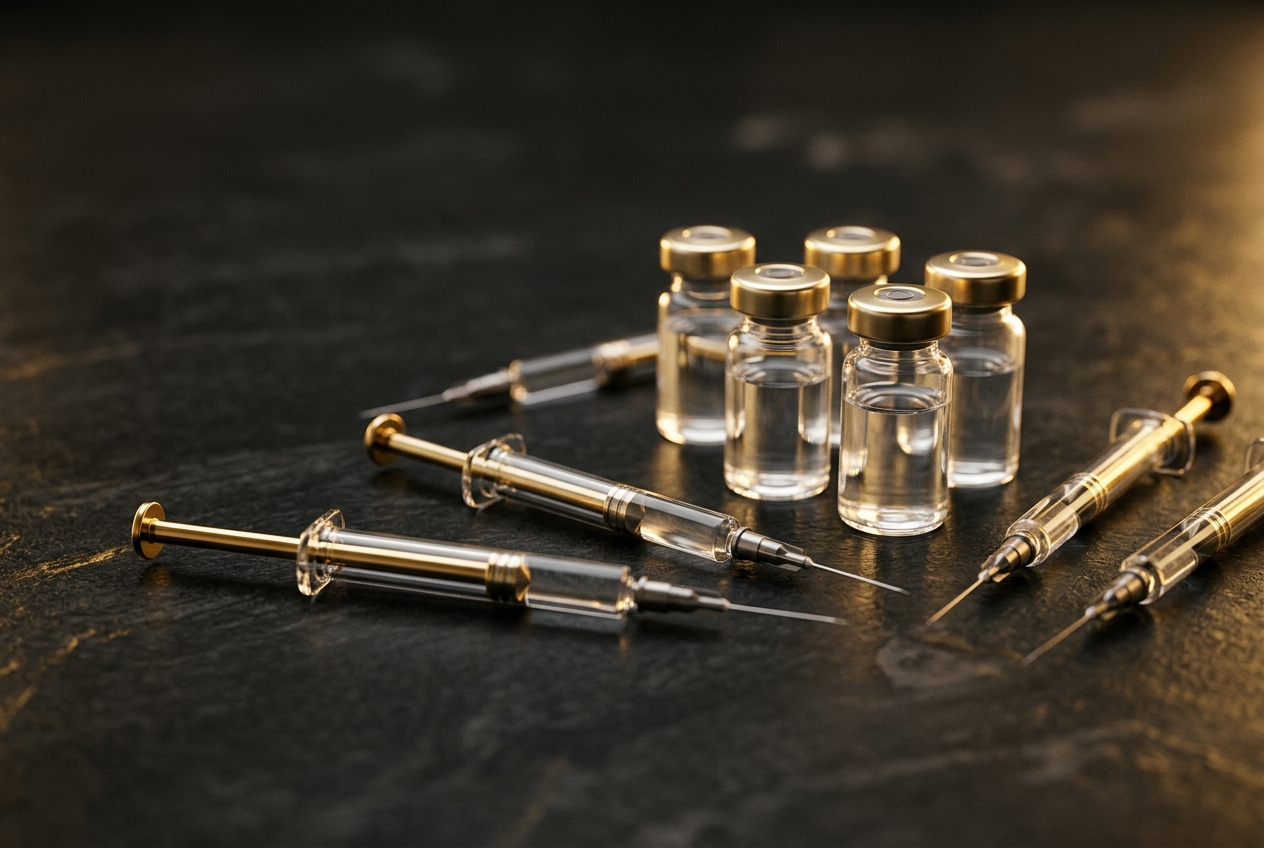
Fillers, skinboosters, collagen inducers (PLLA, CaHA) and polynucleotides: what they really are, how they differ and what level of evidence backs each one.
Choosing well
The red flags before a treatment: guaranteed results, «no risk», saying yes to everything, impossible prices. A good doctor examines, explains, prioritises and knows how to say no.
Each article explores one technology or one decision in aesthetic medicine with the same standard: scientific rigour and honesty about what we know — and what we do not yet know.


General medical information. This dossier does not replace a consultation or an individualised diagnosis; treatment decisions should be made with your doctor.
Each explanation also has its video version, signed by the Doctor. The same concepts, explained on screen.