
Metabolic health, explained simply
Insulin, glucose, muscle, mitochondria, micronutrients: understanding how your body truly turns food into energy — beyond the clichés.
— Doctor Florian A. Vallecillo Cabrera
Much more than a sugar story
We too often reduce metabolic health to a simplistic equation: sugar → insulin → diabetes. The reality is far richer and far more interesting.
Good metabolic health requires several things at once: getting glucose into cells properly, staying sensitive to insulin, having enough muscle mass, and being able to transform nutrients efficiently inside the cells.
In this dossier I bring together the explanations I devote to these mechanisms. The aim is not to sell you a miracle solution, but to give you the keys to understand better — and therefore to decide better with your doctor.
Four keys to understanding
Insulin & blood glucose
Insulin helps glucose enter cells. Insulin resistance and compensatory hyperinsulinaemia often set in well before blood glucose itself goes off track.
Muscle & movement
Muscle is a major metabolic organ: its contraction takes up glucose, partly independently of insulin. Walking after meals and maintaining muscle mass genuinely matter.
Mitochondria & micronutrients
Getting glucose in is not enough: it must then be turned into energy. Cofactors such as vitamin B1 are essential to this cellular work.
Diet & microbiome
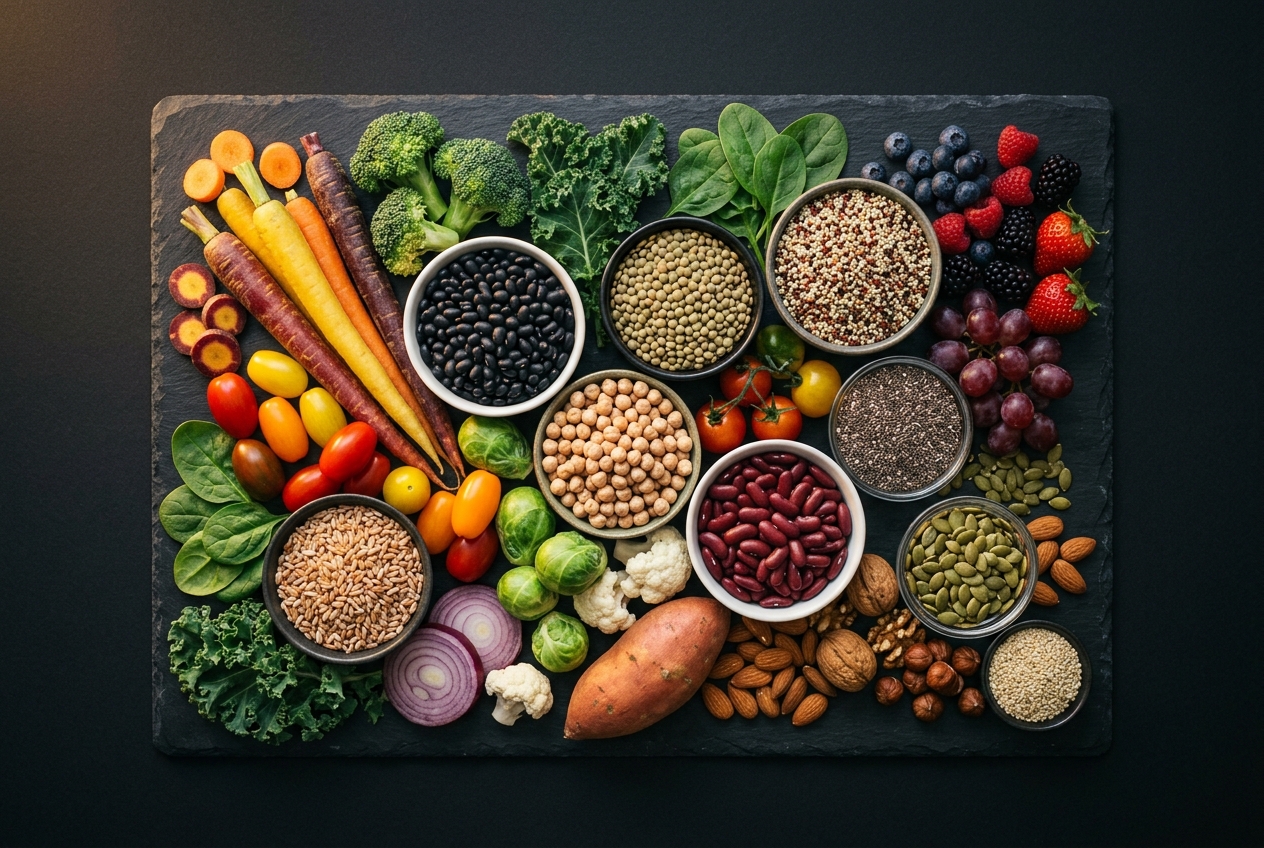
Fibre, plant diversity and minimally processed foods feed the microbiome and support metabolic regulation — far beyond a number on the scale.
Each article explores one aspect of metabolic health with the same standard: scientific rigour and honesty about what we know — and what we do not yet know.








General medical information. This dossier does not replace a consultation or an individualised diagnosis; treatment decisions should be made with your doctor.