
Skin & spots, explained simply
Atopic dermatitis, itching, facial eczema and skin spots: understanding what really happens and when to seek advice — beyond the clichés.
— Doctor Florian A. Vallecillo Cabrera
When skin flares… and when it leaves a mark
The skin is an organ, and one of its essential jobs is to act as a barrier. When that barrier is disrupted and inflammation appears, we speak of dermatitis; and when inflammation leaves a change in colour, we speak of spots or pigmentation.
In this dossier I bring together the explanations I devote to two very common — and often related — problems: atopic dermatitis (fragile barrier, inflammation and itch) and skin spots (post-inflammatory hyperpigmentation, solar lentigines).
The aim is not to sell you a miracle cream, but to give you the keys to understand your skin better — and therefore decide better with your doctor. Because in dermatology, we diagnose first and treat second.
Four keys to understanding
Barrier & inflammation
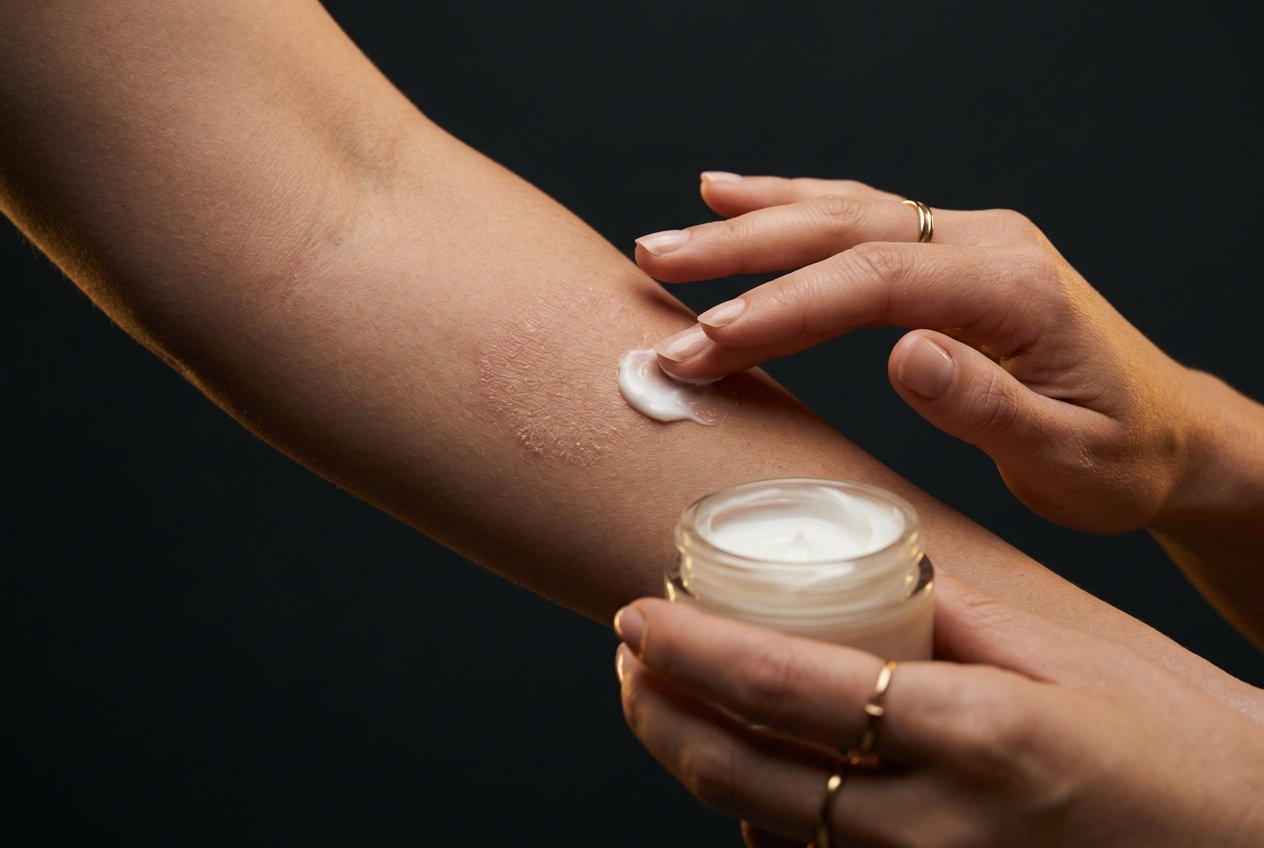
Atopic dermatitis combines a fragile skin barrier with immune inflammation. It is not «just dry skin»: it is a disease that can be controlled by repairing the barrier and calming inflammation.
Itch & sleep
Itch is the central symptom and often worsens at night, disrupting sleep. Breaking the itch-scratch cycle is one of the main goals of treatment.
The face & eyelids
The face is a delicate area: not every facial eczema is atopic dermatitis, and it should be told apart from other causes before treating — especially on the eyelids.
Spots & pigmentation
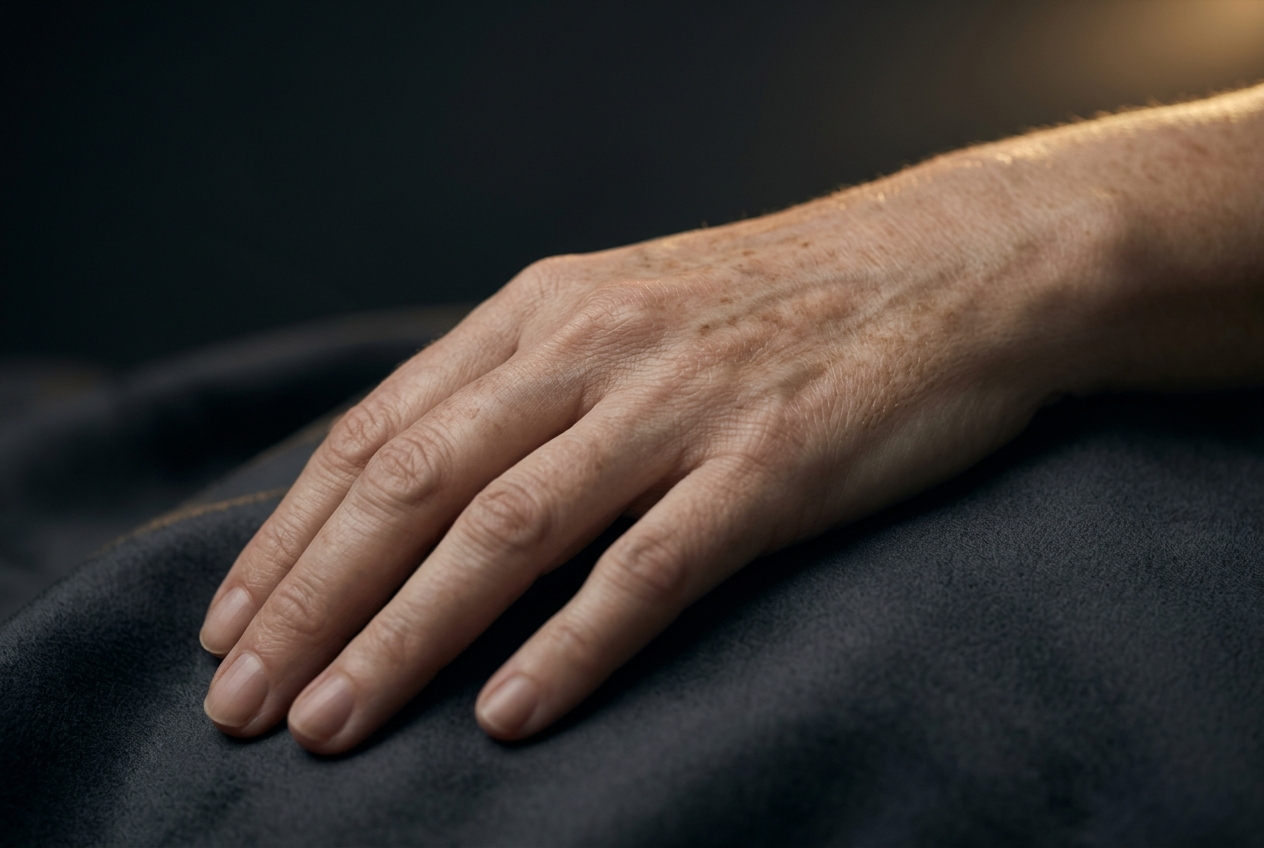
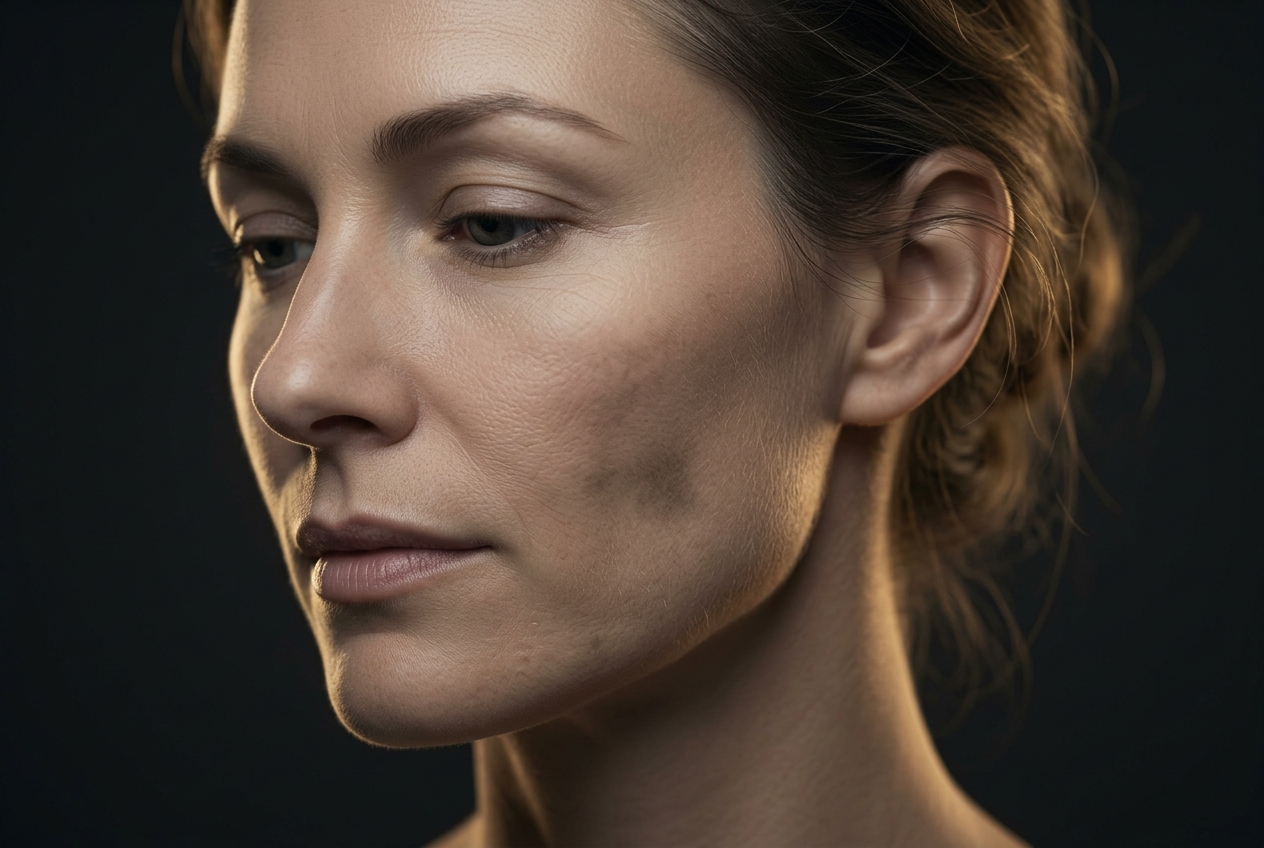
Inflammation can leave hyperpigmentation; with age and sun, solar lentigines appear. Every spot deserves a diagnosis before a laser or a depigmenting agent.
Each article explores one aspect of the skin with the same standard: scientific rigour and honesty about what we know — and what we do not yet know.



General medical information. This dossier does not replace a consultation or an individualised diagnosis; treatment decisions should be made with your doctor.