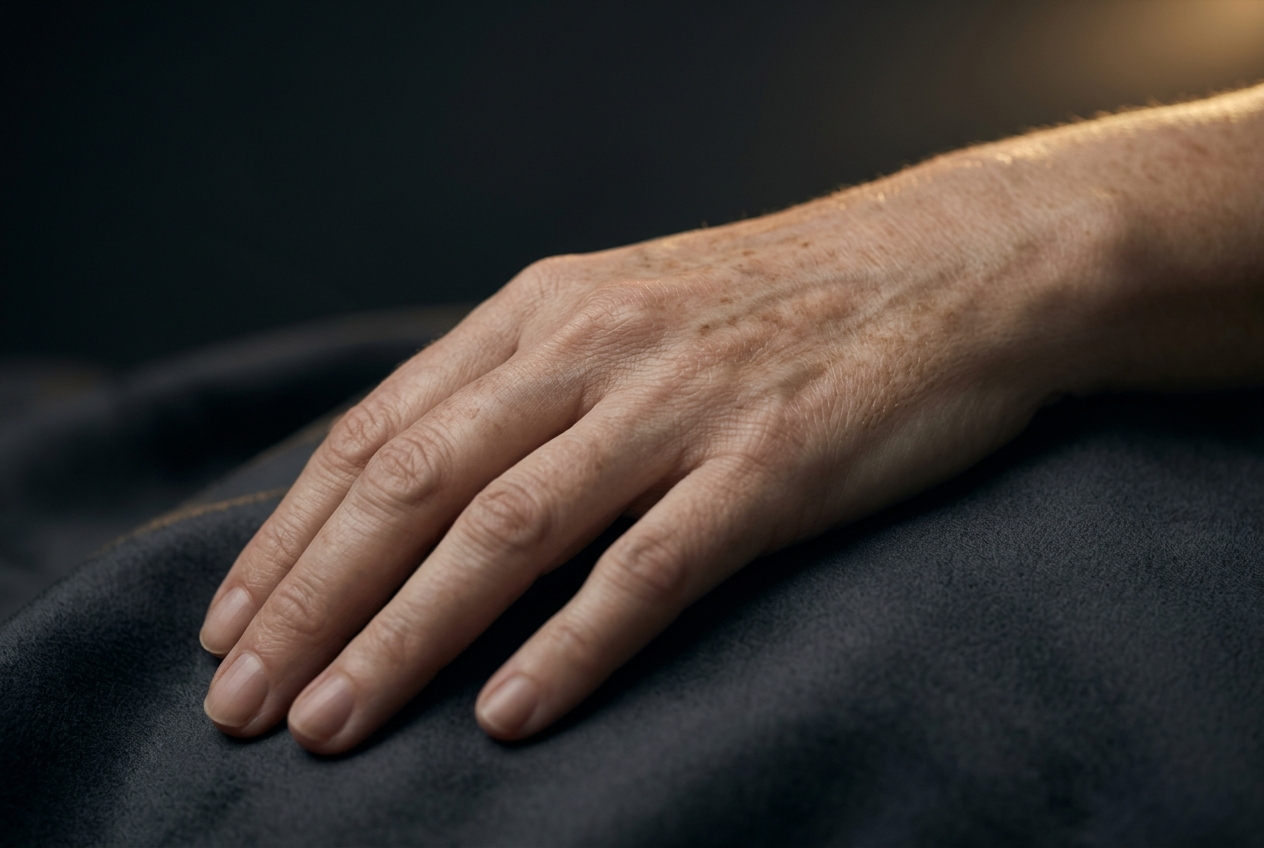
Sunscreen has a paradox: it protects your skin, but it should not lead you to spend more time in the sun

Why I'm telling you this
There is an issue about sunscreens that we rarely talk about, and I think it is important to explain.
Sunscreen is an essential tool for preventing damage caused by ultraviolet radiation. But it can create a false sense of security if we think that, by wearing SPF 50, we can spend hours under the sun.
And this is where a very interesting paradox emerges.
Without sunscreen, our behaviour changes
Imagine a fair-skinned person who, after spending much of the year working indoors, lies down on a beach in the middle of summer.
Without protection, depending on their skin phototype, the UV index, the time of day and other factors, their skin can start to redden and they may subsequently feel heat, stinging or burning.
What do we instinctively do? We look for shade. We put on a T-shirt. We position ourselves under a parasol. We leave the beach.
In other words, the appearance of erythema and the sensation of burning modifies our behaviour.
But we must clarify something fundamental: that sensation is not an alarm system that protects us before any damage has occurred.
By the time the skin begins to turn red, biological damage from ultraviolet radiation has already taken place.
What happens when we use sunscreen?
A good photoprotector considerably reduces the amount of ultraviolet radiation that reaches the skin and, especially thanks to UVB protection, delays the appearance of erythema and sunburn.
That is precisely part of its protective function.
But there is a potential behavioural consequence.
Because we do not turn red, we do not feel any burning and apparently 'nothing is happening', we may think: 'I am protected. I can stay another three hours'.
And that is exactly the reasoning we must avoid.
Sunscreen reduces our effective exposure to UV radiation, but it does not eliminate it completely.
Therefore, if we use the cream to multiply our exposure time enormously, we may lose part of the benefit we were originally seeking.
The absence of sunburn does not mean the absence of radiation
This is probably the most important message in this article.
Not getting sunburned does not mean the skin is not receiving radiation.
No sunscreen blocks 100% of UV rays.
Moreover, under real-world conditions we rarely apply exactly the amount used in laboratory tests.
We sweat. We swim. We towel off. We touch our faces. We forget our ears, our neck, our scalp, or certain areas of the body. And many times we do not reapply correctly.
That is why an SPF 50 should never be interpreted as: 'Now I can spend five hours in the sun.'
UVA and UVB: not all damage causes an immediate burn
UVB rays play a particularly important role in erythema and sunburn.
UVA rays, on the other hand, penetrate more deeply into the skin and contribute to photoaging, oxidative stress, and cutaneous carcinogenesis without necessarily producing that same immediate burning sensation.
That is precisely why we must choose broad-spectrum sunscreens with good protection against both UVB and UVA rays.
And this explains something fundamental: we cannot rely solely on how our skin feels to decide whether sun exposure is safe.
What about visible light?
Visible light — especially certain blue-violet wavelengths — can also contribute to oxidative stress and plays an important role in pigmentation concerns such as melasma and post-inflammatory hyperpigmentation.
In patients with these conditions, tinted sunscreens containing iron oxides can provide worthwhile additional protection against visible light.
However, we must distinguish between the concepts: the evidence directly linking ultraviolet radiation to skin cancer is far more robust.
So would it be better to skip the sunscreen and let the skin warn us?
No. And I want to be very clear on this point.
The solution to a false sense of security produced by sunscreen is not to eliminate sunscreen.
It would be like deciding not to wear a seatbelt in order to drive more carefully.
The solution is to use sun protection correctly and to modify our behaviour in the sun.
We do not need to wait until we burn before seeking shade.
Can a gradual tan replace sunscreen?
No, it cannot. A tan provides limited natural protection, but it also represents the skin's response to ultraviolet exposure.
Being tanned does not make our skin immune to sun damage.
Therefore, I do not recommend deliberate progressive sun exposure simply to create a supposed 'natural sunscreen'.
And what about vitamin D?
UVB rays do indeed play a role in the skin's synthesis of vitamin D.
However, we do not need to burn or subject ourselves to prolonged sun exposure in order to maintain adequate vitamin D levels.
If we suspect a deficiency, we can measure 25-OH-vitamin D through a blood test and correct it through diet or supplementation when necessary.
We do not use carcinogenic exposure as a treatment for a nutritional deficiency that we can correct in a far more controlled way.
My sun protection strategy
Personally, I believe we have made a mistake by turning sunscreen into our only strategy against the sun.
Photoprotection starts long before you open the sunscreen bottle.
When the UV index is high: seek shade, avoid prolonged exposure during peak radiation hours, and wear appropriate clothing, a hat and sunglasses.
Then, protect the areas that remain exposed with a broad-spectrum sunscreen SPF 30–50+, and reapply it when appropriate.
The cream should reduce the radiation your skin receives during a reasonable exposure, not allow you to extend that exposure indefinitely.
The rule I want you to remember
There is a phrase that perfectly sums up my approach to photoprotection: 'Sunscreen should reduce your radiation dose, not increase your hours in the sun.'
If without sunscreen your skin would have eventually forced you to seek shade due to redness or burning, do not interpret the absence of those sensations with SPF 50 as permission to stay exposed all afternoon.
The sunscreen is working. But you are not invulnerable.
Enjoy the outdoors, exercise, go for walks, head to the beach and make the most of summer. But remember that the absence of sunburn does not equal the absence of damage, and that the best sun protection remains a combination of smart behaviour, shade, clothing and a good sunscreen.
Because protecting our skin is not about being afraid of the sun. It is about learning to relate to it in an intelligent way.
What to remember
- —Sunscreen is essential against UV radiation, but it should not be used as an excuse to spend more hours in the sun: it creates a false sense of security.
- —Not getting sunburned does not mean there is no damage: by the time the skin turns red, biological damage has already occurred, and no sunscreen blocks 100% of UV rays.
- —Choose broad-spectrum sun protection (UVB + UVA): UVA rays cause damage (photoaging, oxidative stress, carcinogenesis) without producing an immediate burn.
- —The solution is not to stop using sunscreen, but to use it correctly and change your behavior: seek shade, wear clothing, a hat, sunglasses, and avoid the hours of peak radiation.
- —A tan does not truly protect you, and we should not seek sun exposure for vitamin D: it is better to measure 25-OH-vitamin D levels and correct them through diet or supplements.
- —Key rule: 'Sunscreen should reduce your radiation dose, not increase your hours in the sun'.
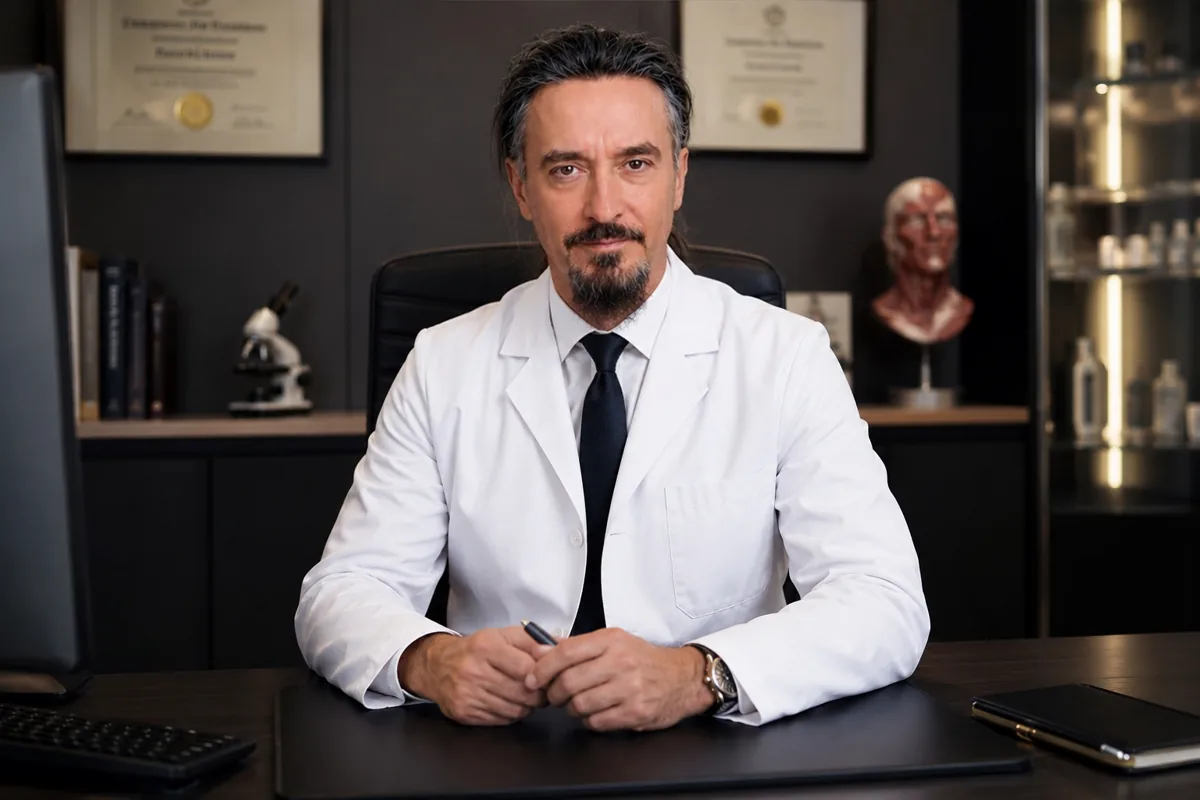
Doctor Florian A. Vallecillo Cabrera
The doctor explains
Informational content, written and reviewed by Doctor Florian A. Vallecillo Cabrera. It does not replace an in-person consultation or an individual diagnosis.