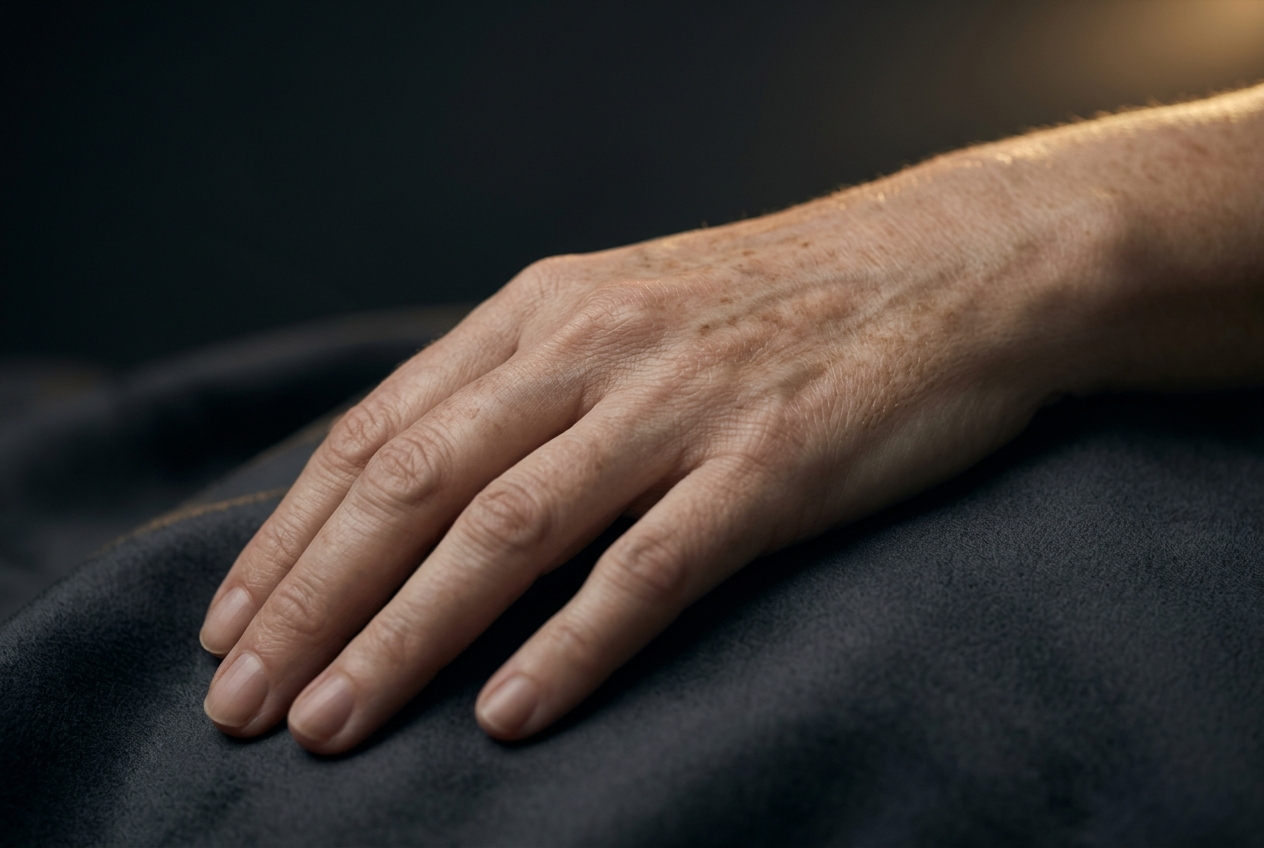
"I've never been sunburned there… so why do I have skin cancer here?"

Why I'm telling you this
"Doctor, I don't understand. That part of my body almost never sees the sun. How is it possible to have skin cancer there?" It's a sentence we hear regularly, and the question is entirely legitimate: for years we have been taught that sun = skin cancer.
That is broadly true — ultraviolet radiation is the main environmental factor responsible for skin cancers. But the reality is far more interesting, because a skin cancer does not necessarily develop at the spot where you remember getting a sunburn. And above all, not all skin cancers develop in the same way.
I am Dr Florian Vallecillo, and today I am going to explain why.
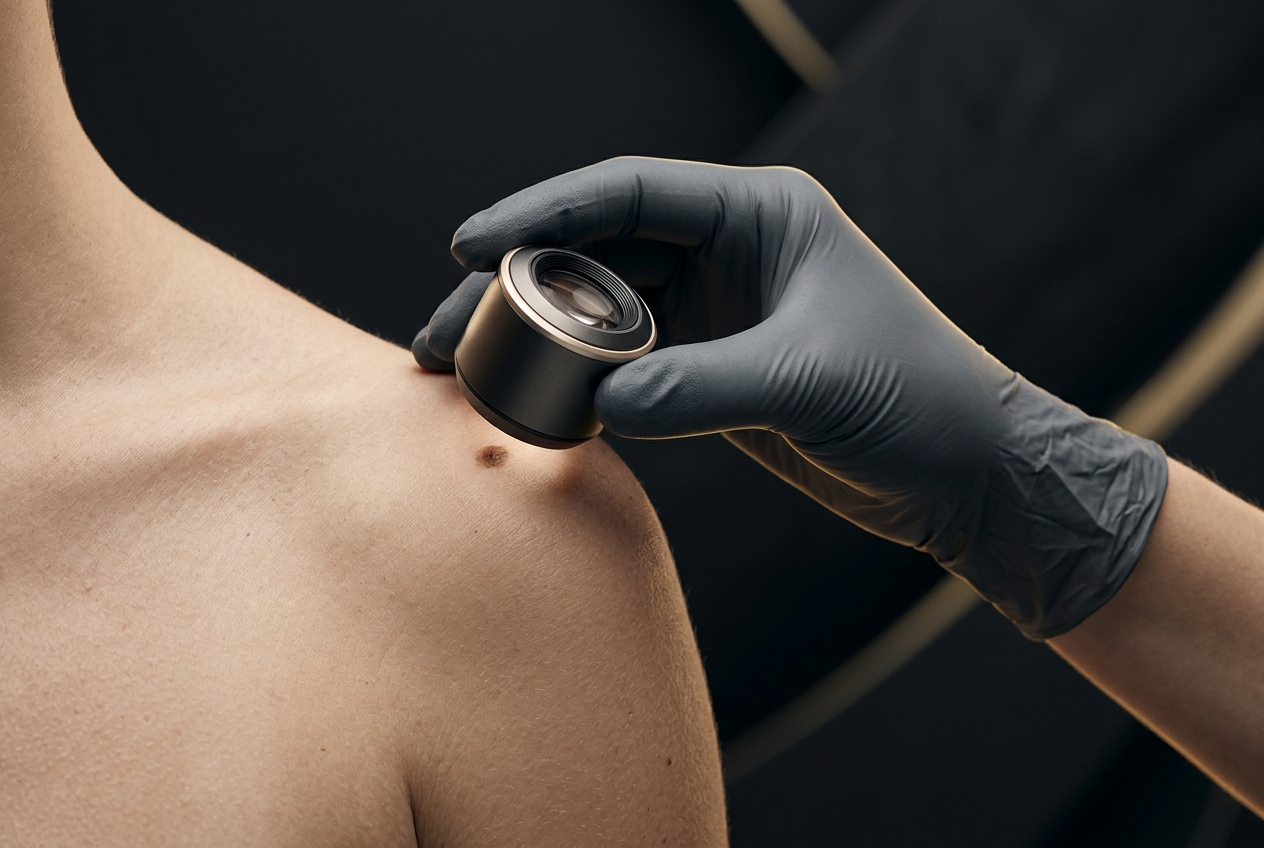
Watch the video
Check your skin at the end of summer
First, a sunburn is only the visible part of the damage caused by UV rays
When your skin turns red after sun exposure, you are seeing an inflammatory reaction triggered by excessive UV exposure. But here is what you need to understand: your skin does not need to turn red for UV rays to have a biological effect on it. UV rays can cause molecular lesions and DNA damage without producing the dramatic sunburn you remember.
Fortunately, our bodies have extremely efficient DNA repair systems, and every day our cells repair a multitude of damage. But this repair is not perfect: over the years, certain alterations can persist and mutations can gradually accumulate. This is one of the reasons why your skin has, in a sense, a biological memory of your past exposures.
Your skin remembers your childhood
This is a message I consider particularly important. When we talk about skin cancer prevention at 50 or 60 years of age, we are sometimes referring to exposures that took place several decades earlier. Significant sunburns during childhood and adolescence are particularly concerning with regard to the later risk of melanoma.
This obviously does not mean 'I had a sunburn at age 12, so I will develop melanoma' — thankfully. It means that these exposures contribute to your cumulative risk. And this is precisely why protecting children's skin is probably one of the most important preventive medical interventions we can make.
But not all skin cancers tell the same story
When we say 'skin cancer,' we are actually grouping different diseases under the same term. The three major ones the public should know are basal cell carcinoma, squamous cell carcinoma, and melanoma. And their relationship with the sun is not exactly the same.
Carcinoma: here, the solar geography is often far more obvious
Cutaneous carcinomas appear very frequently on areas that have received a great deal of sun over a lifetime: the face, ears, scalp in people with thinning hair, the neck, the décolletage, the forearms, and the backs of the hands. For carcinomas, particularly squamous cell carcinoma, cumulative UV exposure over a lifetime plays a major role.
This is fairly intuitive. A person who works outdoors for thirty or forty years receives thousands of hours of UV rays on certain areas. Gradually, photoaging appears, along with spots, actinic keratoses, DNA alterations, and, in some patients, skin cancers.
Melanoma is different
This is where things become particularly interesting. For classic cutaneous melanoma, intense and intermittent exposures appear to be especially important. Typically: you work indoors all year long, then you go away for two weeks on holiday and suddenly expose skin that normally receives very little sun — the back, the chest, the legs, the shoulders, and sometimes to the point of sunburn. This type of intense intermittent exposure is particularly associated with the risk of melanoma.
That is why 'I almost never sunbathe' can be misleading
It is not only the total amount of sun that matters: the way in which you expose yourself also counts. A person who spends relatively little time in the sun but burns intensely during their holidays does not necessarily have a risk-free exposure. And above all, our memory is very poor at reconstructing thirty or forty years of sun exposure. Who can remember precisely the sunburns they got at age 8, the afternoons at the swimming pool at 14, the holidays at 19, or the days at the beach at 25? Our skin, however, has endured all of those exposures.
But here is something even more surprising
A melanoma can appear in areas that receive very little sun: on the sole of the foot, the palm of the hand, or under a nail. And some melanomas even appear on mucous membranes or in the eye. So how do we explain this? Simply because UV and melanoma are not synonymous.
There are several distinct diseases behind the word 'melanoma'
This represents a very important development in our understanding of melanoma. We know today that not all melanomas share exactly the same biology: some are strongly associated with UV, others much less so, and some practically not at all. A particularly important example is acral melanoma, which appears on the extremities — palms, soles, and the nail apparatus, notably beneath the nails.
These areas are normally protected from UV, and indeed the molecular biology of acral melanomas differs from that of many sun-related cutaneous melanomas: in particular, they display far less of the mutational signature characteristic of UV.
Does this mean that the sun is ultimately not so important?
Absolutely not. And this is precisely where one must be careful not to draw the wrong conclusion. In 2025, researchers from the International Agency for Research on Cancer estimated that approximately 267,000 of the roughly 332,000 cutaneous melanomas diagnosed worldwide in 2022 were attributable to UV — that is, approximately 83%. So yes, the vast majority of cutaneous melanomas remain linked to ultraviolet radiation. But not 100%. And that difference is fundamental.
So what causes the others?
There is not necessarily a single answer. Cancer is a genetic disease in the cellular sense of the term: certain cells accumulate alterations that progressively allow them to escape normal control mechanisms. UV radiation is an extremely powerful means of promoting some of these mutations, but it is not the only possible mechanism. Individual genetics, phototype, number of nevi, certain family predispositions, age, immune function, and probably biological characteristics specific to different tissues and subtypes of melanoma also come into play.
Moles also matter
A person with many nevi generally has a higher risk of melanoma than someone with very few. Some patients have atypical nevi, and there are families in which melanoma is far more common. This reminds us of something fundamental: the risk of skin cancer is the result of an interaction between our environment and our biology. It is never simply a matter of 'how many hours did you spend in the sun?'
And another misconception: a melanoma always comes from a mole
No. This is extremely important. Some melanomas do indeed develop on a pre-existing nevus, but many appear de novo — that is, on skin where the patient had no recollection of having a particular mole beforehand. That is precisely why monitoring does not consist solely of watching whether your existing moles are changing: you also need to watch for anything new appearing.
What should you watch for? The ABCDE rule
You may already be familiar with the ABCDE rule. A stands for Asymmetry: one half of the lesion does not resemble the other. B stands for Border: the edges become irregular or poorly defined. C stands for Colour: multiple colours appear within the same lesion — brown, black, red, sometimes bluish or whitish. D stands for Diameter: a large size warrants particular attention, even though a melanoma can obviously be small. And E stands for Evolution — and for me, this is probably one of the most important criteria: a lesion that changes, grows, changes colour, bleeds, looks different, or has appeared recently deserves to be examined.
And I would add one extremely simple rule: the ugly duckling
Look at your moles. Often, on the same person, they resemble one another: the same tone, the same general size, the same appearance. And then suddenly there is one that does not look like the others. That one deserves your attention: this is what we call the ugly duckling sign. A lesion that differs from the usual 'profile' of your skin should catch your eye.
And above all: look where you never look
This is probably the most important message in this article. When patients check their skin, they look at their face, chest, arms, and legs. But many forget the scalp, the back of the ears, the spaces between the toes, the soles of the feet, the palms, the nails, the back, the buttocks, and the genital area. Yet a melanoma can appear in some of these areas. The fact that a zone almost never sees the sun does not mean 'I don't need to look at it'.
Under a nail: watch out for pigmented bands
A pigmented area under a nail is obviously not automatically a melanoma: there are many benign causes — trauma, a haematoma, physiological pigmentation, certain medications, certain infections. But a new pigmented band appearing on a single nail that evolves, widens, or displays certain specific characteristics warrants a medical examination. And above all, do not automatically assume it is a bruise just because you may have knocked your foot: when the pigmentation persists or changes, have it examined.
The same goes for the soles of the feet
We rarely look at our soles, yet this is precisely one of the classic locations for acral melanoma. A new or unusual pigmented spot on the sole of the foot therefore deserves attention. Once again, the majority of spots on the feet are not melanomas; but the goal of screening is not to be afraid of every spot — it is to know which one deserves to be shown to a doctor.
And where does sun protection fit into all of this?
It remains fundamental. The fact that some melanomas are not UV-related does not in any way call sun protection into question: UV rays are an established carcinogen and the leading environmental cause of skin cancers. Prevention includes avoiding excessive exposure, avoiding sunburn, protecting children in particular, using clothing, hats, and shade when exposure is significant, applying sun protection correctly to exposed areas, and avoiding tanning booths.
But protecting yourself does not mean living in fear of the sun
I also want to make this distinction clear. The medical message is not 'stop going outside'; it is: avoid unnecessary UV damage. We can live outdoors, exercise, walk, go to the beach, and enjoy natural light. But we must stop viewing sunburn as a normal part of the holidays. Burnt skin is not skin that is 'preparing a tan': it is skin that has suffered an acute UV assault.
And what if I spent a lot of time in the sun when I was young?
Do not fall into fatalism. You cannot change the sun exposures of your childhood, but you can change what you do today: reduce new excessive exposures, avoid sunburns, monitor your skin, have certain lesions checked, and seek advice early when a lesion changes. And this is extremely important, because a melanoma diagnosed early has an absolutely different prognosis from a melanoma discovered late.
Key takeaways
The sun and UV rays play a major role in skin cancers. But a skin cancer does not necessarily appear at the exact spot where you remember having had a sunburn; UV damage can exist without visible redness and can accumulate over decades. Carcinomas appear particularly often on chronically exposed areas, while melanoma has a more complex relationship with sun exposure, especially with intense and intermittent exposures. And some melanomas, such as acral melanoma, can appear on areas with very little UV exposure and have a different biology.
I am Dr Florian Vallecillo. And if I were to leave you with a single idea today, it would be this: do not monitor only the areas where you sunbathe — monitor your skin, all of your skin. Because our skin has a history, made up of sun, genetics, ageing, immunity and cellular biology. And in skin medicine, what matters is not being afraid of every mole: it is knowing how to recognise the one that changes, the one that appears, and the one that does not look like the others. And when there is any doubt, it is better to have it checked once unnecessarily than to discover it too late.
What to remember
- —UV rays are the main factor in skin cancers, but a cancer does not necessarily develop where one remembers a sunburn: UV damage accumulates over decades, sometimes without any visible redness.
- —"Skin cancer" covers different diseases: carcinomas (linked to cumulative exposure, on chronically sun-exposed areas) and melanoma (more closely linked to intense, intermittent exposures).
- —Not all melanomas share the same biology: acral melanoma (palms, soles, under the nails) affects areas with little UV exposure; ~83% of cutaneous melanomas remain attributable to UV rays, however (IARC, 2022 cases).
- —A melanoma does not always arise from a mole: many appear "de novo." Watch for what changes AND what appears (the ABCDE rule + the "ugly duckling" sign).
- —Also examine the areas that are often forgotten: the scalp, behind the ears, between the toes, soles, palms, nails, back, buttocks, and genital regions. A new pigmented band under a nail warrants a medical examination.
- —Sun protection remains essential (avoid sunburns, protect children, no UV tanning beds) — without living in fear: a melanoma diagnosed early does not carry the same prognosis as one diagnosed late.
Clínica Valorian
Do you have a mole that worries you?
Early detection of skin cancer saves lives. If a mole changes size, shape or colour, bleeds or won't heal, don't wait.
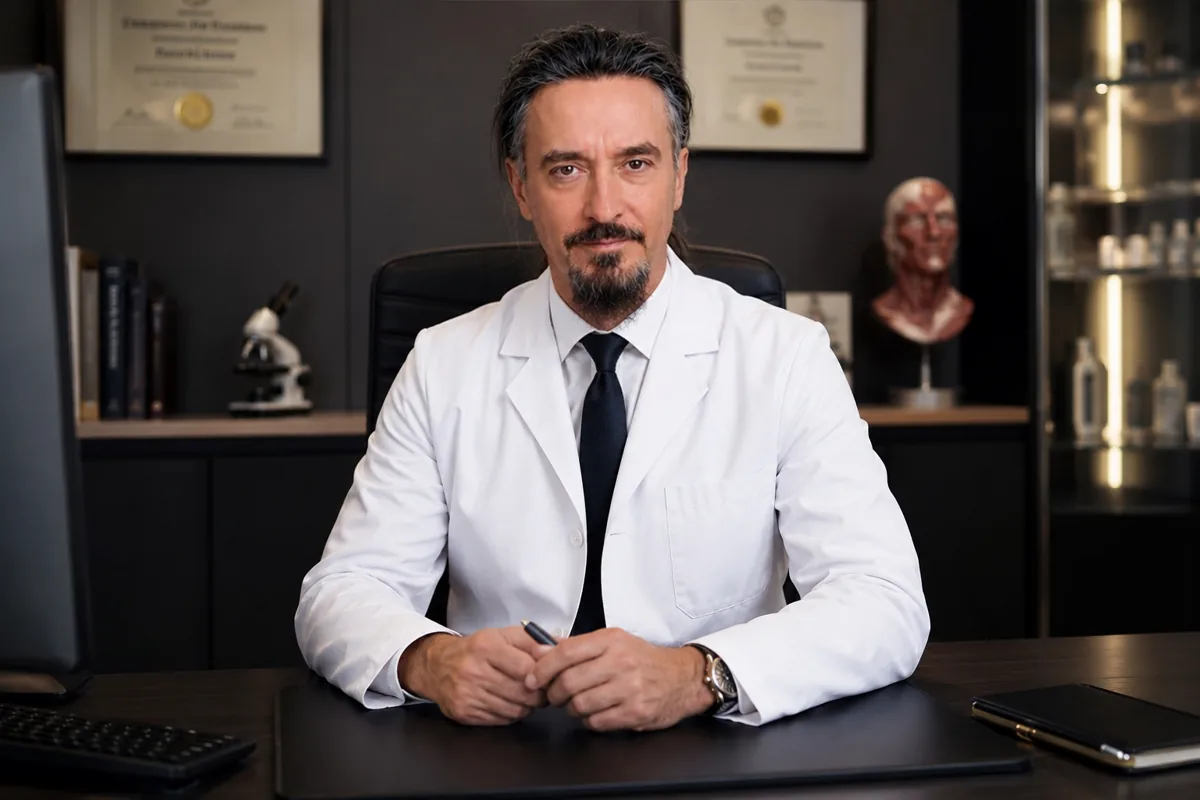
Doctor Florian A. Vallecillo Cabrera
The doctor explains
Informational content, written and reviewed by Doctor Florian A. Vallecillo Cabrera. It does not replace an in-person consultation or an individual diagnosis.