Pityriasis versicolor: those patches that keep coming back, that can itch… and that yeast that naturally lives on our skin

Why I'm telling you this
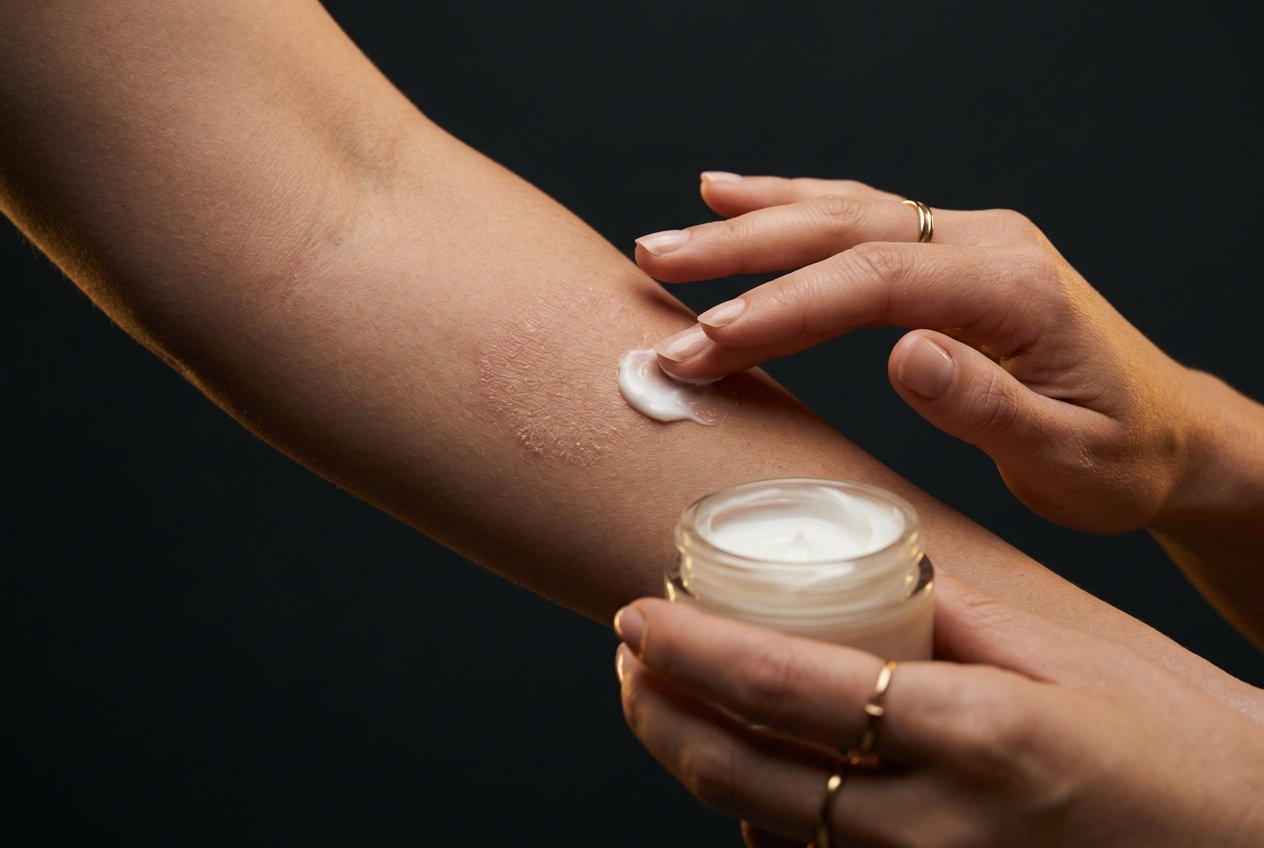
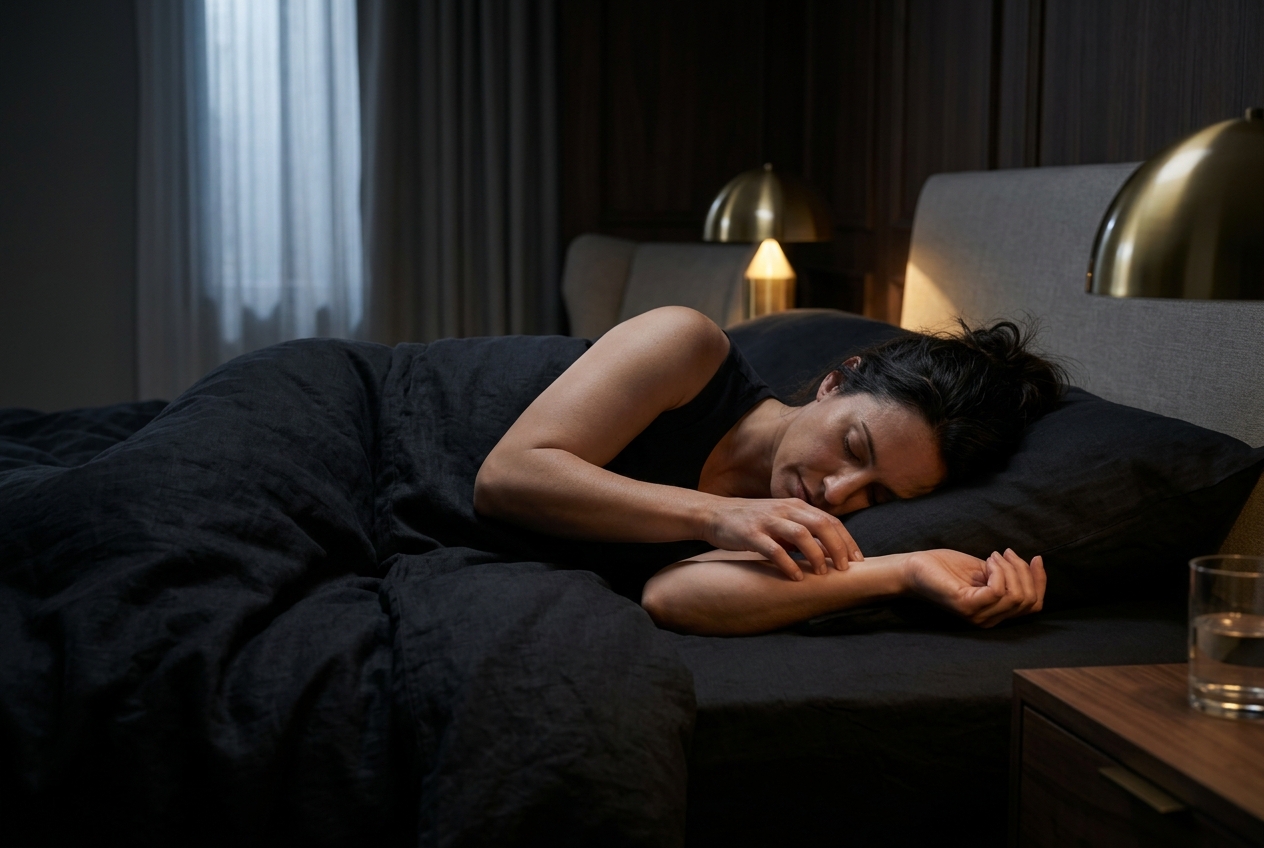
Patches appear on the chest, on the back, on the shoulders, sometimes on the neck. They can be lighter than your skin, darker, or slightly pinkish. And in some patients, they are not only unsightly: they itch. Sometimes when it is hot, after sweating, at night, under clothing. Some people end up telling me: 'Doctor, it itches so much that I can't sleep properly.'
I am Dr Florian Vallecillo, and today I want to explain to you what pityriasis versicolor really is: why it appears, why it comes back so easily, and above all why it is sometimes necessary to look a little further when the itching is very intense.
Watch the video
Pityriasis versicolor: those patches that appear after summer
It all starts with a yeast you already have on your skin
This yeast is called Malassezia. And first of all, there is something fundamental to understand: Malassezia is not necessarily a germ you have 'caught'. It is normally part of the skin microbiome. Our skin is not sterile: it naturally harbours bacteria, yeasts, fungi, viruses and many other micro-organisms that live with us permanently. And, most of the time, this balance works perfectly.
So why does Malassezia sometimes become problematic?
Because, under certain conditions, it can proliferate excessively. You could almost say that this yeast is particularly fond of certain environments: heat, humidity, perspiration and sebum. This is why pityriasis versicolor is especially common in summer, in hot countries, in people who sweat a great deal and in athletes — and above all in areas of the body rich in sebaceous glands: typically the chest, back, shoulders and neck.
Why do we speak of 'versicolor'?
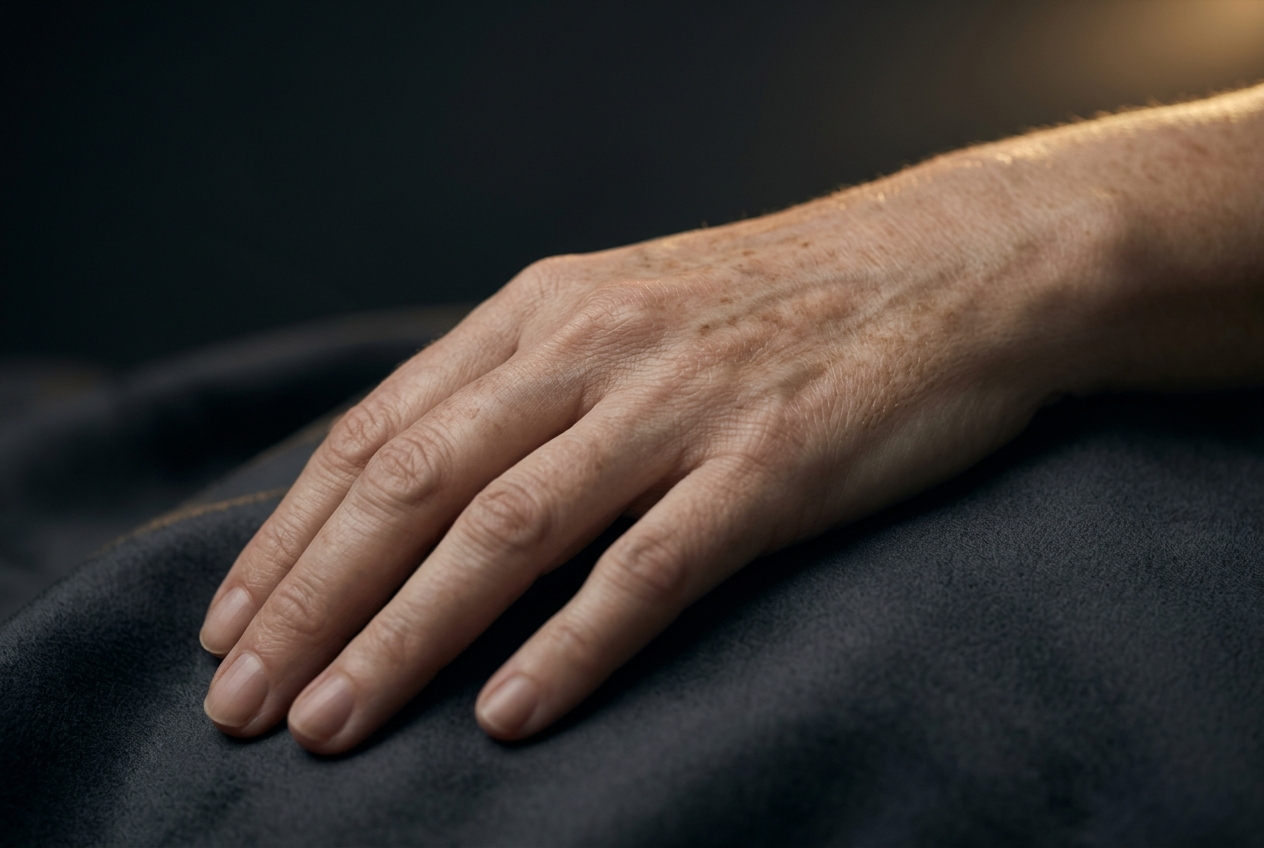
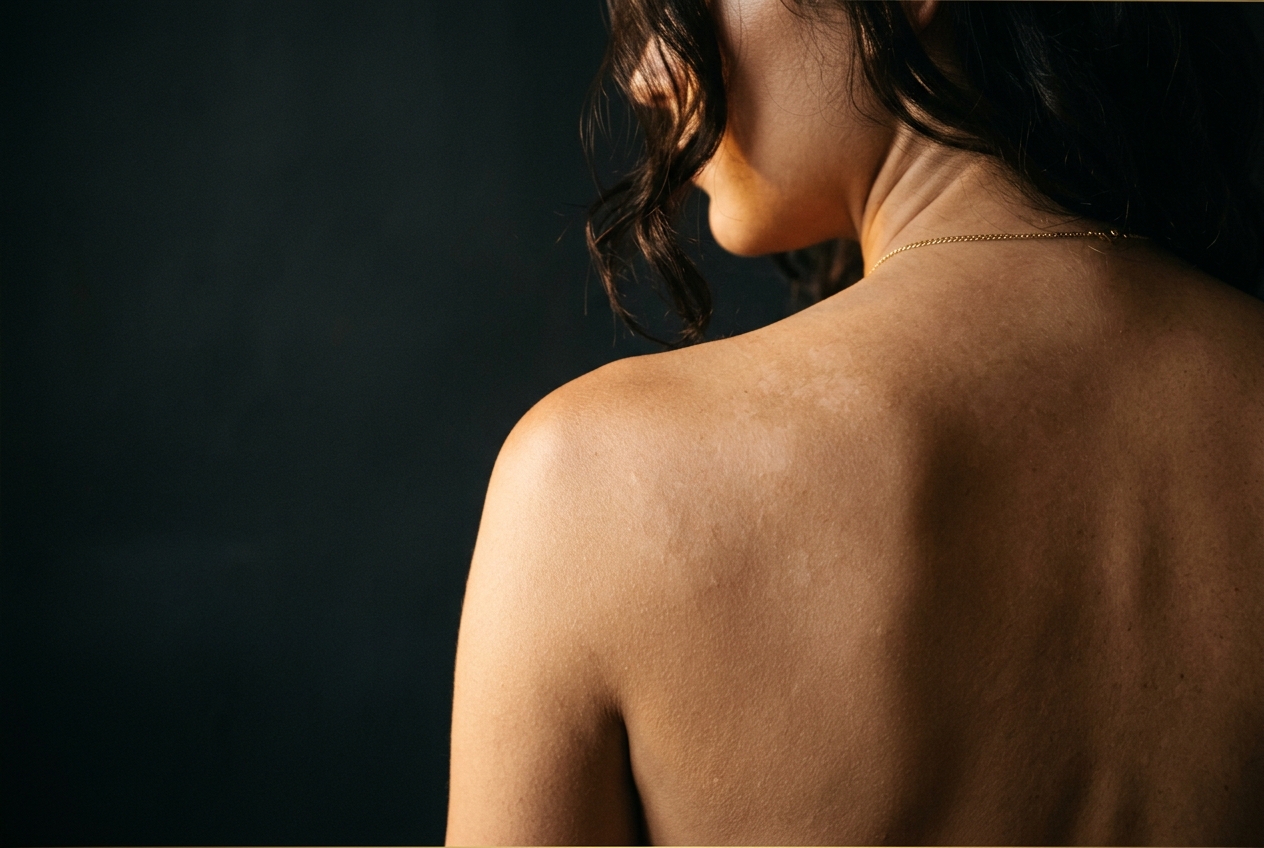
Because the colour of the lesions can vary. In some patients they are white or lighter; in others they are pink, beige, brown, or darker than the surrounding skin. It is precisely this change in colour that gave pityriasis versicolor its name.
Why does the skin become lighter?
Malassezia can produce various substances capable of locally altering the way pigmentation works. The cells responsible for our pigment are called melanocytes, and they are the ones that produce melanin. Now, in the affected areas, this pigmentation can be disrupted: as a result, the skin tans less. And after the summer, the contrast often becomes much more visible — healthy skin tans, while the affected area stays light. The patient then thinks: 'The sun gave me white patches.' Often, the sun did not create them: it simply made them visible.
And why can it itch?
That is an important question, because pityriasis versicolor is often spoken of as though it were always entirely asymptomatic. That is not always true. In some people, the proliferation of Malassezia triggers superficial inflammation of the skin, and this inflammation can lead to itching, tingling, sensations of heat, discomfort, and sometimes more significant irritation after perspiration. Heat often increases the symptoms, as does sweating, and tight or very occlusive clothing can intensify the discomfort.
Why does it sometimes itch more in the evening?
Several things may play a role. In the evening, we are less distracted; the warmth of the bed raises skin temperature; perspiration may increase; contact with clothing or sheets can also intensify the sensation. And like many skin itches, the pruritus often feels more intense when we are still and our attention is no longer occupied by anything else. That said, a pityriasis versicolor that is extremely itchy — to the point of regularly disrupting sleep — deserves to be reassessed, because that is not the most typical presentation.
When the itching is very intense, I ask myself another question
Is this really pityriasis versicolor alone? There is, in particular, another condition linked to the same yeast: Malassezia folliculitis. In this case, Malassezia develops more around the hair follicles. What we then often see is small spots that are very similar to one another — red, sometimes slightly pustular and often very itchy. They frequently appear on the upper back, chest, shoulders, and sometimes the neck and face — and the itching can be significantly more pronounced than in classic pityriasis versicolor.
Other conditions can also cause more intense itching
If the itching is very significant, one must also consider — depending on the appearance of the skin — eczema, contact dermatitis, seborrhoeic dermatitis, certain other fungal infections, folliculitis, or other skin conditions. And if the pruritus is particularly marked at night, with other people in the household also itching, one must obviously consider other diagnoses such as scabies. This is why a patch that itches is not automatically pityriasis versicolor: clinical diagnosis remains essential.
Another classic sign: fine scaling
Pityriasis versicolor lesions often display very fine scaling, like a very light powder. Sometimes it is practically invisible, but when the surface is gently scraped, this small scale becomes more apparent. It is a fairly characteristic finding during a medical skin examination.
Is it contagious?
In practice, no. Because Malassezia already lives normally on most of our skin. You should therefore not think of pityriasis versicolor as a fungal infection you caught at a swimming pool or from someone else. And you do not need to disinfect your entire home.
It is not a hygiene problem either
You can wash twice a day and still develop pityriasis versicolor. It is not a disease related to uncleanliness. On the contrary, using very harsh soaps or scrubbing the skin does not solve the problem — it can even further compromise the skin barrier.
And what about the gut?
This is a question I find interesting, because we are gaining a better and better understanding of the relationships between the gut, the immune system, and the skin. There is even talk of the gut-skin axis, and a disrupted gut microbiota can have effects on immunity and general inflammation. But today, we cannot say that pityriasis versicolor is caused by intestinal dysbiosis: the proliferation of Malassezia remains, above all, a cutaneous phenomenon. That doesn't mean we shouldn't look into the patient's general health when other symptoms are present, but I would not recommend systematically treating the gut in order to cure pityriasis versicolor.
Can Malassezia be permanently eliminated?
That is probably the most important question, and the answer is no — and that is not the goal. Malassezia is part of your normal microbiota. We are therefore not trying to sterilise your skin: that would be both impossible and pointless. What we are trying to do is control its excessive proliferation. In other words, we treat the imbalance, not the existence of the yeast.
But can pityriasis versicolor disappear?
Yes. A flare-up can absolutely be treated and resolve: the scaling stops, new lesions cease to appear, and the proliferation of the yeast is brought under control. But in some people, the underlying conditions remain favourable; and since Malassezia naturally persists on the skin, it can begin to proliferate again a few months later. This is why pityriasis versicolor has a strong tendency to recur.
Some people therefore need to learn to manage it
That is exactly how I like to explain it to my patients. There are people who will have only a single flare-up in their lifetime, and others who will tend to relapse every summer, during very hot periods, after a lot of sport, or several times a year. For these patients, we are no longer talking solely about treating a flare-up: we can put in place a genuine strategy for preventing recurrences.
How is a flare-up treated?
Treatment is based primarily on antifungals. For limited or moderate lesions, topical treatment is often sufficient. Depending on the context, we may use ketoconazole, ciclopirox, other azole antifungals, or selenium sulfide in certain formulations. These are available in various forms: cream, gel, lotion, or shampoo.
Why use a shampoo on the body?
This sometimes surprises patients. But when pityriasis versicolor is widespread across the chest or back, an antifungal shampoo can be very practical: it is used as a treatment product on the skin, applied to the affected areas, left on for a few minutes depending on the product, and then rinsed off. The advantage is that it treats a large surface area in one go.
And when there is a lot of itching?
The primary objective remains controlling yeast proliferation. But when the skin is highly inflamed or very itchy, the physician may also adapt the management plan to relieve symptoms. Above all, it is important to check whether the diagnosis is correct, whether another skin condition is associated, whether a Malassezia folliculitis is present, and whether certain aggravating factors persist. Because giving an antifungal without looking at the skin is not always enough.
When is oral treatment necessary?
In very widespread, recurrent, or locally treatment-resistant cases, or those that are particularly difficult to control, an oral antifungal may sometimes be indicated. However, it requires a medical prescription, as these medications can have interactions, contraindications, and certain side effects. They are therefore not used automatically.
Why do the patches remain even after the yeast has been treated?
This is a very common situation. The patient finishes their treatment, comes back, and tells me: 'Doctor, it didn't work. I still have my patches.' And yet, sometimes, the treatment has worked perfectly. What persists is the difference in pigmentation. It takes time for the melanocytes to return to normal activity and for the colour to even out: this can take several weeks, and sometimes several months.
Do not confuse 'persistent patch' with 'still-active infection'
We look mainly at whether the slight scaling has disappeared, whether the lesions are no longer spreading, whether the itching has improved, and whether no new lesions are appearing. The pigmentation, on the other hand, can be much slower to return.
Why are recurrences so frequent?
Because the same factors are always present: heat, humidity, perspiration, sebum, and individual predisposition. And, of course, Malassezia remains present on your skin. This is why some people benefit from maintenance treatment.
What does a preventive treatment look like?
It depends on each patient. For someone who consistently relapses every summer, intermittent use of a topical antifungal during the at-risk period can sometimes be suggested — for example, a periodic application to the chest and back. Not necessarily every day, not necessarily all year round. The goal is simply to maintain balance before Malassezia takes up too much ground again.
What can you do yourself?
If you are predisposed, a few simple steps help a great deal: avoid staying in sweat-soaked clothing for long periods, shower after exercise when possible, favour breathable clothing, avoid very greasy and very occlusive products on the affected areas, maintain gentle hygiene, and start your treatment promptly when a recurrence begins, if your doctor has given you a protocol. Early control is often much simpler than waiting for a very widespread flare-up.
And if you sweat a lot?
This is an important point: people who sweat heavily tend to experience more recurrences. Exercise is obviously not harmful — quite the opposite. But if you are prone to pityriasis versicolor, change your clothes quickly after training, avoid staying in a damp t-shirt for long periods, and shower when possible. The goal is not to prevent sweating, but to avoid maintaining for hours the warm, humid environment that Malassezia thrives in.
Can it be cured 'for good'?
I prefer not to use that term, because pityriasis versicolor functions more like a predisposition in certain people. A flare-up can be treated very effectively, the skin can return to normal, and the patient may remain free of any lesions for a long time. But in some people, the yeast can proliferate again. The right word, therefore, is often: control. Controlling the flare-up, controlling the contributing factors, and, if necessary, controlling recurrences.
Key takeaways
Pityriasis versicolor is caused by an excessive proliferation of a yeast called Malassezia, which is normally part of your skin microbiota. It is particularly fond of heat, humidity, sweat, and sebum-rich areas, and it can cause lighter or darker patches, fine scaling, and sometimes itching. In some patients, the itching can be genuinely bothersome and worsen with heat or sweating.
But if the itching becomes extremely significant — to the point of disrupting sleep — it is important to make sure we are truly dealing with straightforward pityriasis versicolor and that no other condition is present. Treatment generally allows the flare-up to be controlled very effectively. However, we are not trying to permanently eliminate Malassezia: it is part of your skin. This is why some people experience recurrences and sometimes need intermittent preventive treatment.
I am Dr Florian Vallecillo. And if I were to leave you with just one idea today, it would be this: pityriasis versicolor is not simply a 'fungal infection to be eliminated' — it is above all an imbalance of the skin microbiota that must be learned to control in predisposed individuals. And when the skin itches significantly, do not settle for treating the colour of the patches: the itching itself is also a clinical signal that deserves to be listened to.
What to remember
- —Pityriasis versicolor stems from an excessive proliferation of Malassezia, a yeast that is normally part of the skin's microbiome: the goal is not to eliminate it, but to bring its imbalance back under control.
- —It proliferates with heat, humidity, perspiration and sebum — hence its frequency in summer and on the chest, back, shoulders and neck.
- —The patches (lighter or darker) and the fine scaling are typical; itching is not systematic but very real in some patients, and is made worse by heat and perspiration.
- —Very intense itching, especially if it interferes with sleep, should prompt a reconsideration of the diagnosis: Malassezia folliculitis, eczema, contact or seborrhoeic dermatitis, or even scabies.
- —Treatment relies primarily on topical antifungals (sometimes oral ones in extensive or resistant cases); light-coloured patches often persist after healing, while the pigmentation gradually rebalances.
- —In people who experience recurrences, intermittent preventive treatment and a few simple measures (breathable clothing, showering after exercise) help to keep things under control.

Doctor Florian A. Vallecillo Cabrera
The doctor explains
Informational content, written and reviewed by Doctor Florian A. Vallecillo Cabrera. It does not replace an in-person consultation or an individual diagnosis.