
Practical guide to alopecia areata treatments and how severity influences choices
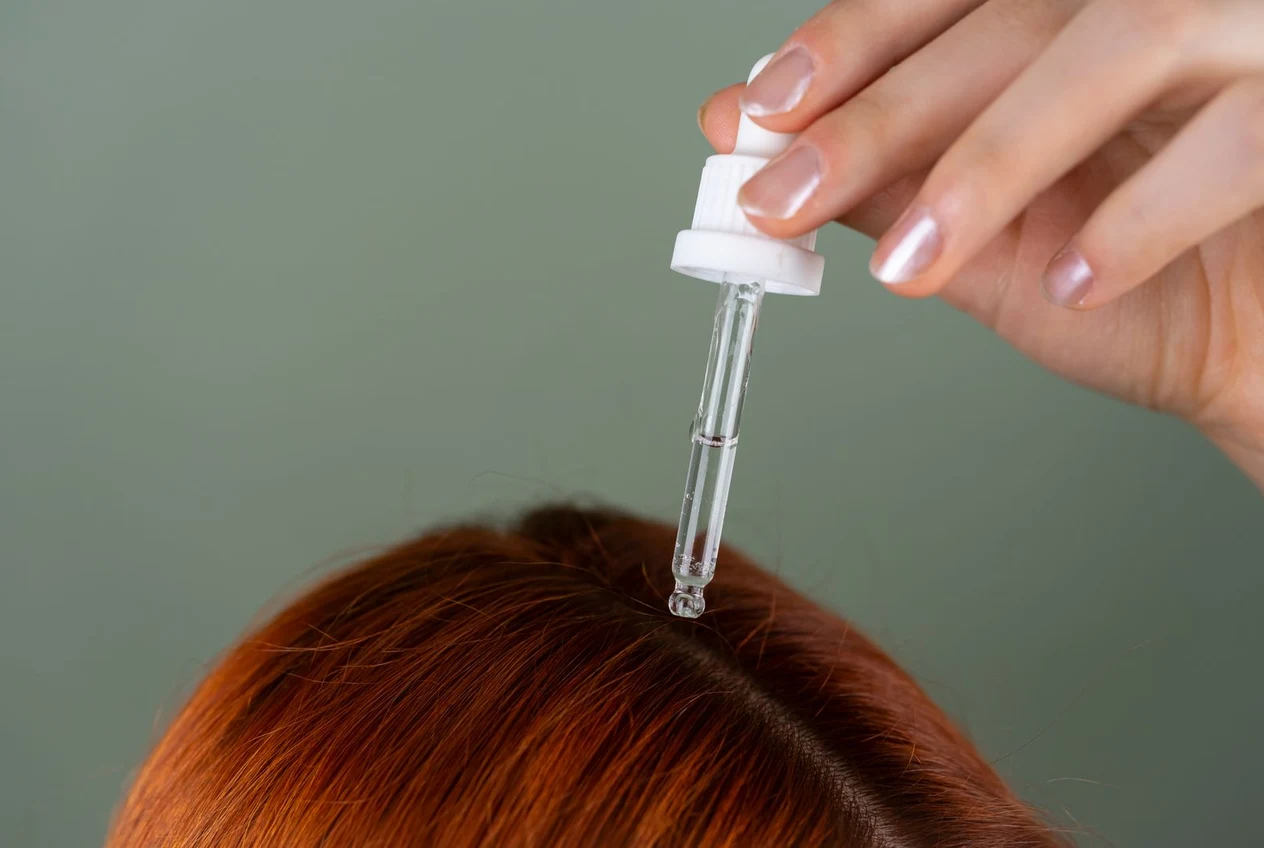
Alopecia areata treatment should be tailored to extent, site, progression, age, relapse pattern, and quality-of-life impact. Local therapies are often used for limited disease, while moderate-to-severe or rapidly progressive cases may warrant systemic options, including JAK inhibitors in selected patients. Recent literature adds real-world data on efficacy, safety, laboratory monitoring, pediatric use, and the supportive role of cranial prostheses.
Alopecia areata is an autoimmune disease in which the immune system inappropriately targets the hair follicle. This leads to hair loss in round patches or in more extensive patterns. It can affect the scalp, beard, eyebrows, eyelashes, and sometimes body hair.
Some patients experience spontaneous regrowth, but others have persistent, progressive, or relapsing disease. For that reason, treatment should not be based only on how many patches are visible. Site, speed of progression, disease duration, age, prior recurrences, patient preferences, and quality-of-life impact all matter.
How severity is assessed
Severity in alopecia areata is not defined only by the amount of hair lost. In practice, clinicians usually consider several factors:
- Percentage of scalp involved. The SALT score is widely used to estimate this.
- Location. Eyebrow and eyelash involvement may have outsized functional and cosmetic impact.
- Speed of progression. Rapid shedding often supports a more active treatment approach.
- Duration of the current episode and relapse history.
- Clinical pattern. Ophiasis, diffuse disease, alopecia totalis, and alopecia universalis are often harder to treat.
- Age.
- Nail involvement.
- Psychological burden and quality of life.
A practical framework is:
- Mild: a few small, localized patches.
- Moderate: multiple patches, unstable disease, or cosmetically important involvement.
- Severe: extensive scalp loss, eyebrow or eyelash loss, or alopecia totalis/universalis.
This framework helps guide treatment, but it does not replace individualized medical assessment.
Treatment options for mild disease
When alopecia areata is limited, local therapies are often first-line.
Intralesional corticosteroids
Corticosteroid injections into patches remain a commonly used option for localized disease. Their goal is to reduce inflammation around the follicle and they may be helpful for small to medium-sized patches. Multiple sessions are often needed. Possible adverse effects include pain, local skin atrophy, and pigment changes.
Topical corticosteroids
These may be used as lotions, foams, solutions, or creams, especially when injections are not desired, when there are multiple small patches, or in selected pediatric patients. They are often less effective than intralesional treatment but can still be useful within a stepwise plan.
Other local measures
Depending on age, site, and extent, clinicians may also consider other topical approaches. Eyebrows, eyelashes, and beard involvement usually require especially individualized management.
When systemic treatment may be considered
Systemic therapy is usually considered when disease is extensive, rapidly progressive, frequently relapsing, or highly disruptive to quality of life. It may also be considered in alopecia totalis or universalis, or when local therapies have failed.
In this setting, JAK inhibitors have changed the treatment landscape for selected patients with moderate-to-severe alopecia areata.
JAK inhibitors: what newer evidence adds
JAK inhibitors target inflammatory signaling pathways involved in alopecia areata. Recent studies provide real-world evidence that helps refine expectations around efficacy, safety, and follow-up.
Upadacitinib
A retrospective study assessed the long-term efficacy and safety of upadacitinib in alopecia areata [1]. Real-world data of this kind are useful because they reflect outcomes outside tightly controlled trial settings and support the idea that some patients with persistent or extensive disease may achieve meaningful and sustained improvement under specialist care [1]. Even so, treatment selection should remain individualized.
Ritlecitinib and laboratory monitoring
A prospective real-world cohort study evaluated the clinical yield of laboratory monitoring during ritlecitinib treatment [3]. Its findings suggest that laboratory follow-up should be purposeful and clinically informed rather than automatically excessive, while still adhering to appropriate safety protocols [3]. This is relevant for day-to-day practice because monitoring burden can affect treatment logistics and patient experience.
Deuruxolitinib
A case report described successful treatment with deuruxolitinib (Leqselvi™) in extensively treatment-resistant alopecia universalis [5]. A single case cannot establish general effectiveness, but it highlights that refractory disease may still respond to newer targeted therapy in selected circumstances [5].
Pediatric alopecia areata
Age influences treatment planning. In children and adolescents, disease burden, psychosocial impact, tolerability, and the feasibility of close follow-up are especially important.
A retrospective multicenter study reported real-world outcomes and safety of JAK inhibitors in pediatric alopecia areata [6]. This is clinically relevant because early-onset disease can be particularly distressing, and because systemic immunomodulatory treatment in younger patients requires additional caution [6]. Decisions in this setting should be highly individualized.
Quality of life and supportive care
Alopecia areata can substantially affect self-image, social confidence, and emotional well-being. Severity should therefore not be judged only by scalp percentages.
Cranial prostheses and cosmetic support can be an important part of comprehensive care. A narrative review described the global policy landscape for cranial prostheses in medical hair loss, emphasizing access and equity issues [4]. In practice, wigs, hairpieces, eyebrow solutions, eyelash supports, and cosmetic camouflage may significantly improve day-to-day functioning and quality of life, either while waiting for treatment response or when regrowth remains incomplete [4].
What should not be automatically extrapolated
Not every hair-loss study applies to alopecia areata. For example, evidence on autologous micrograft technology and finasteride for androgenetic alopecia [2], systemic comorbidities in central centrifugal cicatricial alopecia [7], or spironolactone versus bicalutamide for female pattern hair loss [8] concerns different hair disorders. Those findings may be useful in their own contexts, but they should not be treated as equivalent evidence for alopecia areata [2],[7],[8].
Practical take-home points
- Mild, localized disease is often managed with local therapies.
- Moderate-to-severe disease may justify systemic treatment discussion, especially if extensive, unstable, or highly burdensome.
- JAK inhibitors are an important newer option and now have growing real-world evidence in adults and selected pediatric populations [1],[3],[6].
- Monitoring should be tailored to the drug and clinical context [3].
- Supportive measures, including cranial prostheses, are not merely cosmetic extras; they can be central to quality-of-life care [4].
The best treatment strategy is individualized. In alopecia areata, clinical severity matters, but so do visibility, function, emotional impact, and patient goals.
References
[1] Authors. Long-term Efficacy and Safety of Upadacitinib in the Treatment of Alopecia Areata: A Retrospective Study. Journal of the American Academy of Dermatology (). https://pubmed.ncbi.nlm.nih.gov/42537850/ [2] Authors. Autologous Micrograft Technology (AMT) and Finasteride for the Management of Androgenic Alopecia - A Systematic Review and Meta-Analysis of Their Efficacy and Safety. Dermatol Pract Concept (). https://pubmed.ncbi.nlm.nih.gov/42190185/ [3] Authors. Clinical Yield of Laboratory Monitoring During Ritlecitinib Treatment for Alopecia Areata: A Prospective Real-World Cohort Study. Journal of the American Academy of Dermatology (). https://pubmed.ncbi.nlm.nih.gov/42532430/ [4] Authors. Global landscape of cranial prosthesis policies for medical hair loss: a narrative review. Frontiers in public health (). https://pubmed.ncbi.nlm.nih.gov/42529207/ [5] Authors. Success of Deuruxolitinib (Leqselvi™) in Extensively Treatment-Resistant Alopecia Universalis: A Case Report. Cureus (). https://pubmed.ncbi.nlm.nih.gov/42529366/ [6] Authors. Real-World Outcomes and Safety of JAK Inhibitors in Paediatric Alopecia Areata: A Retrospective Multicentre Study. The Australasian journal of dermatology (2026). https://pubmed.ncbi.nlm.nih.gov/42552762/ [7] Authors. Systemic Comorbidities in Central Centrifugal Cicatricial Alopecia: A Systematic Review and Meta-analysis. Acta dermato-venereologica (2026). https://pubmed.ncbi.nlm.nih.gov/42549602/ [8] Authors. Spironolactone versus Bicalutamide for Female Pattern Hair Loss: A 24-Month Unicenter Retrospective Comparative Study of Effectiveness and Safety. Dermatology and therapy (2026). https://pubmed.ncbi.nlm.nih.gov/42565959/
References
- Long-term Efficacy and Safety of Upadacitinib in the Treatment of Alopecia Areata: A Retrospective Study.Source
- Autologous Micrograft Technology (AMT) and Finasteride for the Management of Androgenic Alopecia - A Systematic Review and Meta-Analysis of Their Efficacy and Safety.Source
- Clinical Yield of Laboratory Monitoring During Ritlecitinib Treatment for Alopecia Areata: A Prospective Real-World Cohort Study.Source
- Global landscape of cranial prosthesis policies for medical hair loss: a narrative review.Source
- Success of Deuruxolitinib (Leqselvi™) in Extensively Treatment-Resistant Alopecia Universalis: A Case Report.Source
- Real-World Outcomes and Safety of JAK Inhibitors in Paediatric Alopecia Areata: A Retrospective Multicentre Study.Source
- Systemic Comorbidities in Central Centrifugal Cicatricial Alopecia: A Systematic Review and Meta-analysis.Source
- Spironolactone versus Bicalutamide for Female Pattern Hair Loss: A 24-Month Unicenter Retrospective Comparative Study of Effectiveness and Safety.Source