
6 min read
Aesthetic medicine in Marbella: treatments and results
By Clínica Valorian

Guide to aesthetic medicine in Marbella: most in-demand treatments, prior medical diagnosis, and how to achieve natural results.
Key points
- Aesthetic medicine encompasses non-surgical treatments such as botulinum toxin and hyaluronic acid, which together accounted for 20.5 million non-surgical procedures worldwide in 2024, according to ISAPS.
- In Spain, 46.6% of the population has undergone some form of aesthetic medicine treatment, according to data from SEME.
- A prior medical diagnosis is the foundation of safe treatment: it defines which procedure is right for each skin type and age, and what should be avoided.
- Natural results depend on restraint and planning, not on the amount of product used; overcorrection is the most visible mistake.
- When comparing clinics on the Costa del Sol, prioritise medical qualifications, an initial diagnostic consultation, and transparency about risks.
If you are looking for aesthetic medicine in Marbella, the first thing you should know is that a good result begins in the doctor's consultation room, not on the treatment table. Treatments that work start from a diagnosis, are tailored to your skin and your age, and aim for a subtle change that respects your features.
At Clínica Valorian, Dr Florian A. Vallecillo Cabrera approaches aesthetic medicine from an evidence-based medical standpoint: first the skin is understood, then the treatment is decided. This guide summarises what the specialty covers, which procedures are most in demand, and how to tell a serious clinic apart from the rest on the Costa del Sol.
What aesthetic medicine covers and how it differs from surgery
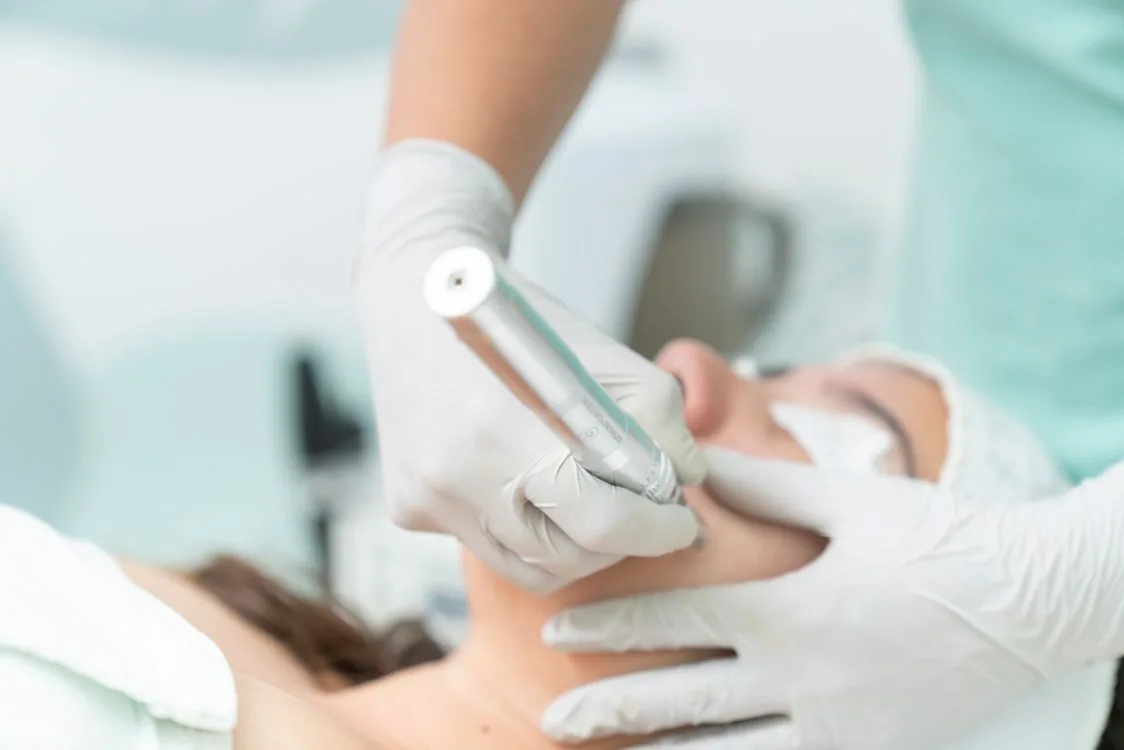
Aesthetic medicine encompasses non-surgical medical treatments aimed at improving the skin and facial or body appearance, such as injectables, laser, and peels. Its volume is enormous: in 2024, 20.5 million non-surgical procedures were performed worldwide, compared with 17.4 million surgical ones, according to the International Society of Aesthetic Plastic Surgery (ISAPS, Global Survey 2024).
The key difference from surgery lies in the method. Aesthetic medicine works without incisions, without an operating theatre, and in most cases without any downtime. Aesthetic surgery modifies tissues through an operation and anaesthesia, with a longer recovery period. Both are medical procedures and must be carried out by qualified professionals.
This distinction matters when defining your goal. If you want to soften a wrinkle, hydrate your skin, or redefine a contour in a reversible way, aesthetic medicine is what you need. If you require a permanent structural change, you enter surgical territory. Confusing the two leads to mistaken expectations.
What are the most in-demand treatments, and for which skin type or age?
The two most requested treatments in the world are injectables: botulinum toxin, with 7.8 million procedures, and hyaluronic acid, with 6.3 million in 2024, according to ISAPS. In Spain, botulinum toxin and other injectables are among the treatments most associated with the specialty by the general public, alongside nutritional guidance, according to SEME.
The choice depends on your skin and your age, not on trends. It is worth reading it this way:
- Botulinum toxin: relaxes expression lines on the forehead, between the brows and around the eyes. Common from the age of 30 onwards, including as a preventive measure.
- Hyaluronic acid: hydrates and restores volume to the cheekbones, lips or nasolabial folds. Useful when the skin loses support with age.
- Laser and pulsed light: treat pigmentation, redness and texture irregularities. Particularly relevant in a sun-exposed area like Marbella.
- Peels and biostimulation: improve skin quality and radiance in dull skin or skin with mild sun damage.
Age shapes the approach, but skin quality is what truly matters. Two people of the same age may need completely opposite treatment plans depending on their photoageing, medical history and lifestyle habits.
The importance of a medical assessment before any procedure
A prior medical assessment is the factor that most influences both safety and outcomes, and yet it is the least visible part of the process for the patient. It is telling that in Spain, 22% of the population does not know precisely what aesthetic medicine is, according to SEME — a lack of awareness that leads to poorly informed decisions.
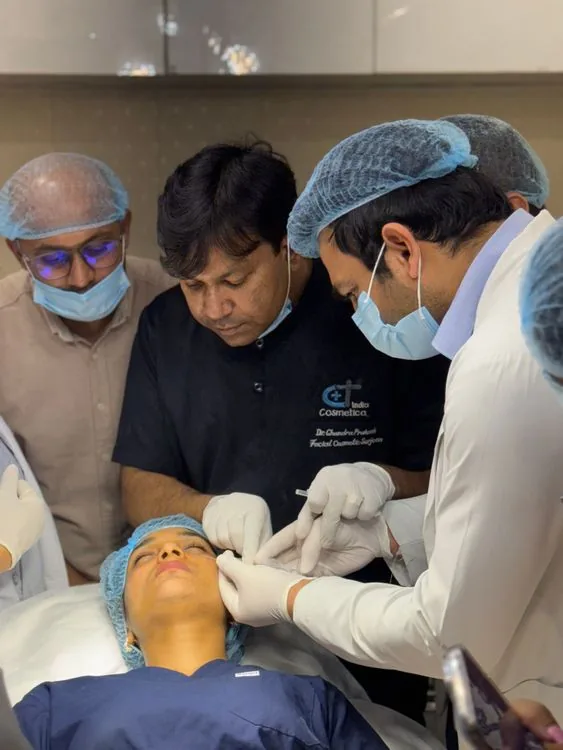
A thorough diagnostic consultation analyses your skin, your medical history, your allergies, your previous treatments and your realistic expectations. From there, the appropriate procedure is determined, along with the right dosage and sequence. It also identifies what should not be done — which is sometimes the most valuable recommendation of all.
Skipping this step is the root cause of most problems. Without a proper assessment, visible symptoms are treated without understanding their underlying cause, incompatible techniques are combined, and contraindications are overlooked. In a medical clinic, the protocol always begins with a full evaluation — never with the price list. And what if what you see is not purely aesthetic? If you notice persistent redness or lesions that do not improve, a dermatology assessment is advisable before considering any aesthetic treatment. We explain when to seek one in our guide on when to see a doctor in Marbella for dermatology concerns.
How are natural-looking results achieved and overcorrection avoided?
A natural result is achieved through restraint, careful planning and follow-up appointments — not by accumulating product. At Clínica Valorian, we work on the principle that the best work is the kind that goes unnoticed: the patient looks rested, not retouched. Overcorrection, by contrast, is the most telltale mistake in the field.
Overcorrection occurs when an immediate and dramatic change is sought. Excessive volume, disproportionate lips or a face lacking expression are all signs that quantity was prioritised over sound judgement. Correcting such a result tends to be more difficult and costly than getting it right from the outset.
To avoid this, a gradual approach is the sensible course of action. Moderate doses, one area at a time where possible, and a follow-up appointment to make adjustments. Facial harmony is built by understanding the face as a whole, not by treating individual lines in isolation. Patience, in this case, is part of the treatment.
What to consider when comparing clinics on the Costa del Sol?
When comparing aesthetic medicine clinics on the Costa del Sol, the decisive criterion is who treats you and how they do it, not the headline price. Demand is high: in Spain, 46.6% of the population has undergone some form of aesthetic medicine treatment, according to SEME — a broad market in which centres with very different standards coexist.
Before booking, check these points:
- Medical qualification: the person responsible for your treatment must be a licensed physician, ideally with specific training in aesthetic medicine.
- A genuine diagnostic consultation: be wary of anyone who offers a procedure without assessing you first.
- Transparency about risks: a serious clinic explains adverse effects and alternatives, not just benefits.
- Products and traceability: approved materials and a record of what has been applied.
- Follow-up: included reviews and clear contact channels for any issues.
Marbella has a great deal of choice, so take the time to compare. For a more detailed review of these criteria, you can consult our guide on how to choose an aesthetic clinic in Marbella.
Take the first step with confidence
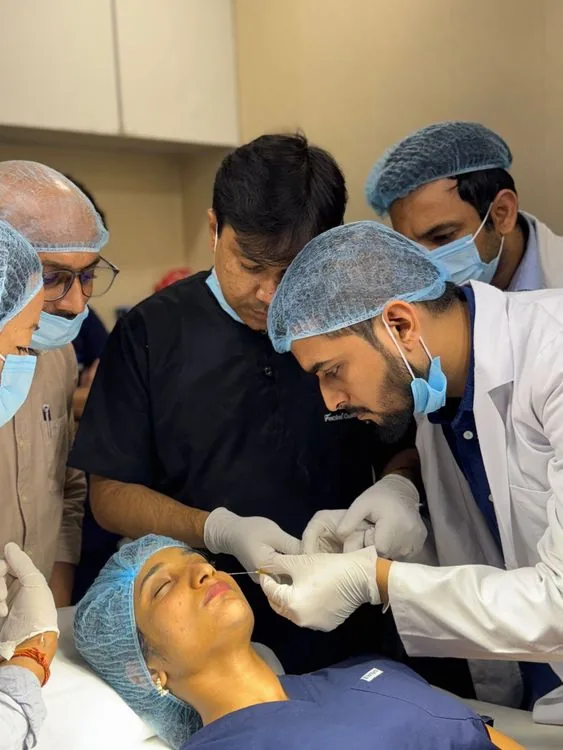
If you are considering a treatment, request a diagnostic consultation before making any further decisions. That appointment — in which your skin is assessed and a realistic plan is drawn up — is what makes the difference between a result that suits you and one you regret. At Clínica Valorian, Dr. Florian A. Vallecillo Cabrera always starts from that point, and based on the assessment he will tell you honestly what is advisable, what can wait, and what is not recommended.
Frequently asked questions
What is the difference between aesthetic medicine and cosmetic surgery?
Aesthetic medicine uses non-surgical techniques — such as injectables, laser, or peels — with no incisions or hospital admission. Cosmetic surgery modifies tissues in an operating theatre under anaesthesia. Both are performed by doctors, but the goals and recovery are different.
Is a medical consultation necessary before an aesthetic treatment?
Yes. A prior medical diagnosis evaluates your skin, your medical history, and your expectations before any procedure is decided upon. It is the best way to avoid complications and to tailor the treatment to your specific case.
How are natural results achieved in aesthetic medicine?
With individualised planning, measured doses, and follow-up reviews. Excess product or correcting too many areas at once produces rigid-looking faces. A good result is noticed by the fact that it goes unnoticed.
What should I consider when choosing an aesthetic medicine clinic in Marbella?
Check that the person treating you is a registered doctor, that they offer a genuine first diagnostic consultation, and that they clearly explain risks and alternatives. Transparency and follow-up matter more than a one-off offer.