6 min read
Sleep and ageing: how to rest better
By Clínica Valorian

Poor sleep accelerates the ageing of your skin, brain and energy levels. Discover evidence-based sleep hygiene habits that actually work.
Key points
- Restorative sleep is a cornerstone of longevity: overnight, the body repairs tissues, regulates hormones and consolidates memory.
- In the United States, 1 in 3 adults does not regularly sleep the recommended number of hours, according to the NHLBI.
- Chronic lack of rest accelerates skin ageing, reduces daytime energy and affects mood.
- Evidence-based sleep hygiene (consistent schedules, light, temperature and screen management) improves rest without medication.
- Loud snoring, breathing pauses or persistent daytime fatigue are reasons to seek medical advice.
Sleeping well is one of the most powerful and accessible tools for ageing in good health. During the night, the body repairs tissues, balances hormones and clears the brain of metabolic waste, meaning the relationship between sleep and ageing is direct: the worse you rest, the sooner the years show in your skin, your energy and your mind. The good news is that a large part of how well you rest depends on habits you can change. In this guide you will see why sleep matters so much for longevity and how to improve it with evidence-based sleep hygiene.
Sleep and ageing: why rest is key to longevity
Sleep is not wasted time, but a period of active maintenance for the body. According to CDC data, 69.5% of adults get enough sleep (CDC, FastStats Sleep Health, 2024), which means that almost one third do not. That deficit has deep-rooted consequences.
While you sleep, processes take place that cannot be postponed until the next day. The body releases growth hormone, repairs muscle and skin, regulates blood sugar and appetite, and consolidates memories. The brain activates its cleansing system and removes waste proteins. Sleeping steadily between 7 and 9 hours sustains all these systems at once.
This is why rest is considered a pillar of longevity, alongside nutrition and exercise. If you are interested in the broader approach, you can read our guide on nutrition and longevity, which complements good sleep and rest habits.
How lack of rest accelerates ageing
Consistently sleeping too little accelerates biological ageing. The problem is more common than it might seem: in the United States, 1 in 3 adults does not regularly sleep the recommended number of hours, and between 50 and 70 million people live with some form of sleep disorder (NHLBI, Sleep Health, 2026).
When rest is insufficient, the body remains in a state of low-grade stress. Cortisol rises, blood sugar is disrupted and inflammation increases. Over time, this environment favours high blood pressure, insulin resistance and cognitive decline — precisely the processes we associate with the passing years.
Recent research also suggests that acute sleep deprivation can make the brain temporarily appear 'older' on imaging tests — an effect that tends to reverse with recovery nights. The practical message is clear: regular rest is protective, and sleep debt takes its toll. Measuring how you are ageing on the inside is also possible through your biological age, a marker that reflects the true state of your body beyond the years you have lived.
Effects of poor sleep on skin and energy
Insufficient sleep shows in the mirror and in daytime performance. During the night, the skin steps up its repair processes and collagen production; when that process is interrupted, greater sagging, a dull complexion and pronounced dark circles appear.
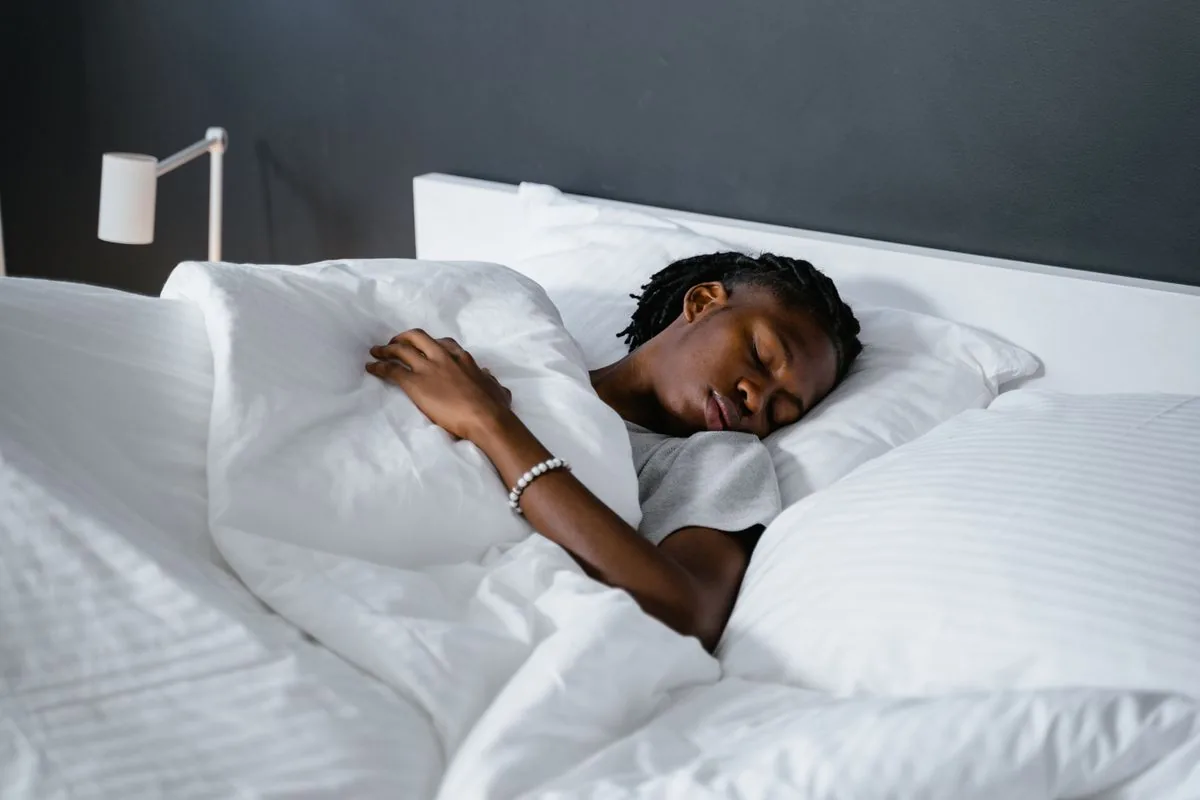
At an aesthetic level, the most visible consequences are usually the following:
- Dark circles and puffy eyelids in the morning.
- Duller skin with reduced firmness.
- Signs of skin dehydration and more pronounced lines.
Dark circles, in particular, tend to worsen after several nights of poor rest, because the thin skin in that area allows congestion and fatigue to show through.
In terms of energy, poor sleep reduces concentration, slows reflexes and worsens mood. Many people compensate with caffeine, which in turn makes it harder to sleep well again. This creates a cycle that is best broken at the root — by improving rest, not masking tiredness.
Evidence-based sleep hygiene habits
Sleep hygiene refers to the set of habits and conditions that promote restorative rest, and it is the first-line intervention for sleeping better without medication. Most of the measures are simple and free of charge. Their effect becomes noticeable when maintained over several weeks.
These are the habits with the strongest evidence behind them:
- Consistent schedules. Go to bed and wake up at similar times, including at weekends. Regularity keeps your internal clock in order.
- Appropriate light. Seek natural light in the morning and reduce bright light and screen use in the last hour of the day.
- A cool, dark bedroom. A quiet, well-ventilated room at a comfortable temperature makes deep sleep easier.
- Caffeine and alcohol in moderation. Avoid caffeine in the afternoon and moderate alcohol consumption — it fragments sleep even if it initially causes drowsiness.
- A wind-down routine. Set aside 30 minutes before bed for quiet activities, away from your phone.
- Daytime exercise. Regular physical activity improves sleep quality; ideally, avoid exercising right before bedtime.
One detail that is sometimes overlooked: morning sunlight not only helps regulate your internal clock and sleep better — it also plays a role in vitamin D synthesis, which is important for bone and immune health.
What if you do all of this and still cannot rest properly? In that case, it is worth exploring whether there is an underlying cause.
When to seek advice about sleep disorders
It is advisable to seek advice when poor rest persists despite following good sleep hygiene practices, or when warning signs appear. Chronic insomnia and sleep apnoea are common conditions that affect long-term health and are treatable.
There are clear reasons to seek a medical assessment:
- Difficulty falling or staying asleep for several weeks.
- Loud snoring with breathing pauses or a sensation of choking during the night.
- Regularly waking up without feeling rested.
- Daytime sleepiness that interferes with work or driving.
- Persistent fatigue that does not improve with more hours of sleep.
At Clínica Valorian we approach sleep within a framework of preventive medicine and longevity. Dr. Florian A. Vallecillo Cabrera evaluates rest alongside other health markers, because sleeping well has an impact on the skin, metabolism and energy levels. A preventive medical check-up is a good starting point for identifying factors that may be affecting your rest.
Start this very week with the easiest step: set a consistent wake-up time and expose your eyes to morning light for a few minutes. If, after several weeks of good habits, you are still sleeping poorly, request a medical assessment. Sleeping better is one of the most worthwhile investments you can make for your health and for ageing well.
Frequently asked questions
How many hours of sleep do you need to slow down ageing?
Most adults need between 7 and 9 hours of quality sleep. Habitually sleeping less is associated with poorer metabolic, cardiovascular and skin health.
Does lack of sleep age your skin?
Yes. Insufficient rest raises cortisol levels and reduces overnight repair, which is associated with increased sagging, dark circles and visible signs of skin ageing.
What is sleep hygiene?
It is the set of habits and environmental conditions that promote restorative sleep: regular schedules, a dark and cool bedroom, less screen time at night, and avoiding caffeine late in the day.
When should I see a doctor about a sleep problem?
Seek advice if you have been sleeping poorly for weeks, snore with breathing pauses, wake up unrefreshed, or daytime fatigue is interfering with your life. It may indicate a treatable disorder.