6 min read
Facial mesotherapy: what it is and its real benefits
By Clínica Valorian

Facial mesotherapy infuses active ingredients into the skin to hydrate, boost radiance and prevent ageing. Discover how it works.
Key points
- Facial mesotherapy involves microinjections of active ingredients such as hyaluronic acid, vitamins and antioxidants directly into the superficial dermis.
- Its main goal is skin revitalisation: it improves hydration, radiance and skin texture without altering facial volumes.
- The skin loses around 1% of its collagen per year from the age of 20, which is why mesotherapy works best as a preventive and maintenance measure.
- It usually requires an initial protocol of 3 to 5 sessions followed by maintenance every 3 to 6 months, always scheduled by a doctor.
Facial mesotherapy is an aesthetic medicine technique that delivers small amounts of active ingredients — such as hyaluronic acid, vitamins and antioxidants — directly into the skin through microinjections. Its purpose is skin revitalisation: restoring hydration, radiance and a more even texture to the face, without altering its features or volumes.
It is a highly sought-after procedure because it targets a common concern. The skin ages gradually, losing its ability to retain water and produce collagen over time. Facial mesotherapy works precisely in the layer where these changes occur, nourishing it from within.
In this article you will find out what it really involves, which active ingredients are used, what it is indicated for, how many sessions are needed and how it differs from other treatments.
What does facial mesotherapy involve?
Facial mesotherapy consists of applying superficial microinjections of a blend of active ingredients into the dermis — the skin layer where the cells that produce collagen live. The doctor uses very fine needles or a specific device to distribute the product evenly across the entire face, neck or décolletage.
Unlike a cream, which works mainly on the surface, mesotherapy deposits active ingredients at the depth where the skin actually needs them. This is why it is referred to as genuine skin revitalisation rather than merely a temporary cosmetic effect.
The session is outpatient and typically lasts between 20 and 40 minutes. An anaesthetic cream is applied to sensitive areas to minimise discomfort. Afterwards, small red dots or slight redness may appear, disappearing within a few hours.
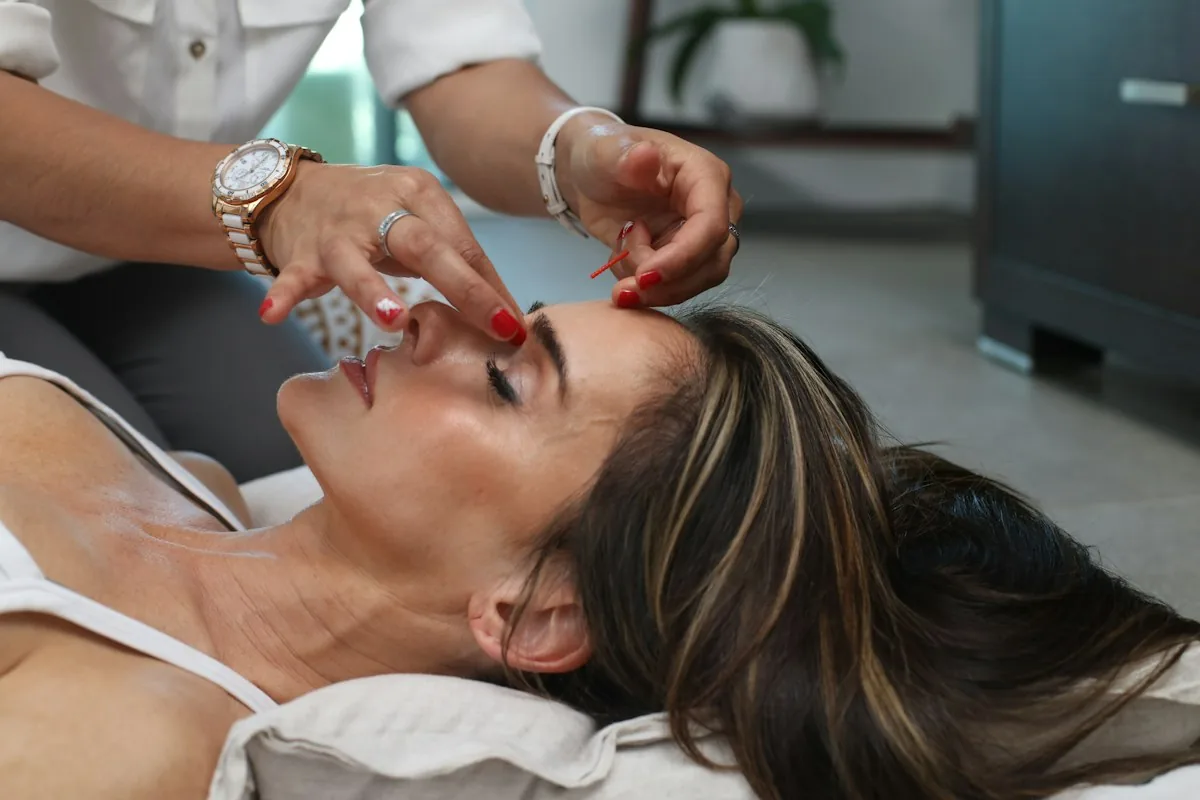
As this is a medical procedure, it must be performed by a qualified professional after assessing your skin. At Clínica Valorian, Dr Florian A. Vallecillo Cabrera personalises the formula and treatment plan according to each patient's individual needs.
Which active ingredients are used and what effects do they have on the skin?
The active ingredients in facial mesotherapy vary according to the goal, but they typically combine hyaluronic acid, vitamins, minerals, amino acids and antioxidants. Each component has a specific role in terms of the skin's hydration, firmness or radiance.
Non-cross-linked hyaluronic acid is the star ingredient. It attracts and retains water in the dermis, improving deep hydration and giving the skin a plumper, smoother feel. If you would like to learn more about this ingredient, you can read our guide on hyaluronic acid and its real uses.
Vitamins and antioxidants — such as vitamin C or certain complexes — help neutralise oxidative damage and boost radiance. Amino acids and minerals act as raw materials and stimuli for the skin's natural processes.
This combination aims to create a favourable environment for the skin to function better. It is particularly relevant because collagen — the protein responsible for firmness — is produced in ever-decreasing amounts. After the age of 20, a person produces around 1 per cent less collagen per year (Scientific American). Keeping the skin well nourished helps support that process.
Indications: hydration, radiance and prevention
Facial mesotherapy is indicated primarily for dehydrated, dull or prematurely ageing skin. Its strength lies in prevention and maintenance, not in correcting deep wrinkles or advanced volume loss.
These are the situations in which it helps most:
- Deep hydration: tight, dry or tired-looking skin that does not improve with creams alone.
- Radiance: a dull complexion, uneven skin tone or lack of healthy glow.
- Anti-ageing prevention: younger or more mature skin seeking to slow the first signs of ageing and maintain overall skin quality.
- Skin preparation: before or between other treatments, to improve the skin's general condition.
By focusing on skin quality, it fits naturally into a broader facial care plan. It combines well with healthy habits, sun protection and an appropriate skincare routine. In fact, taking care of collagen from within is key — a topic we explore further in our article on how to slow collagen loss in the skin.
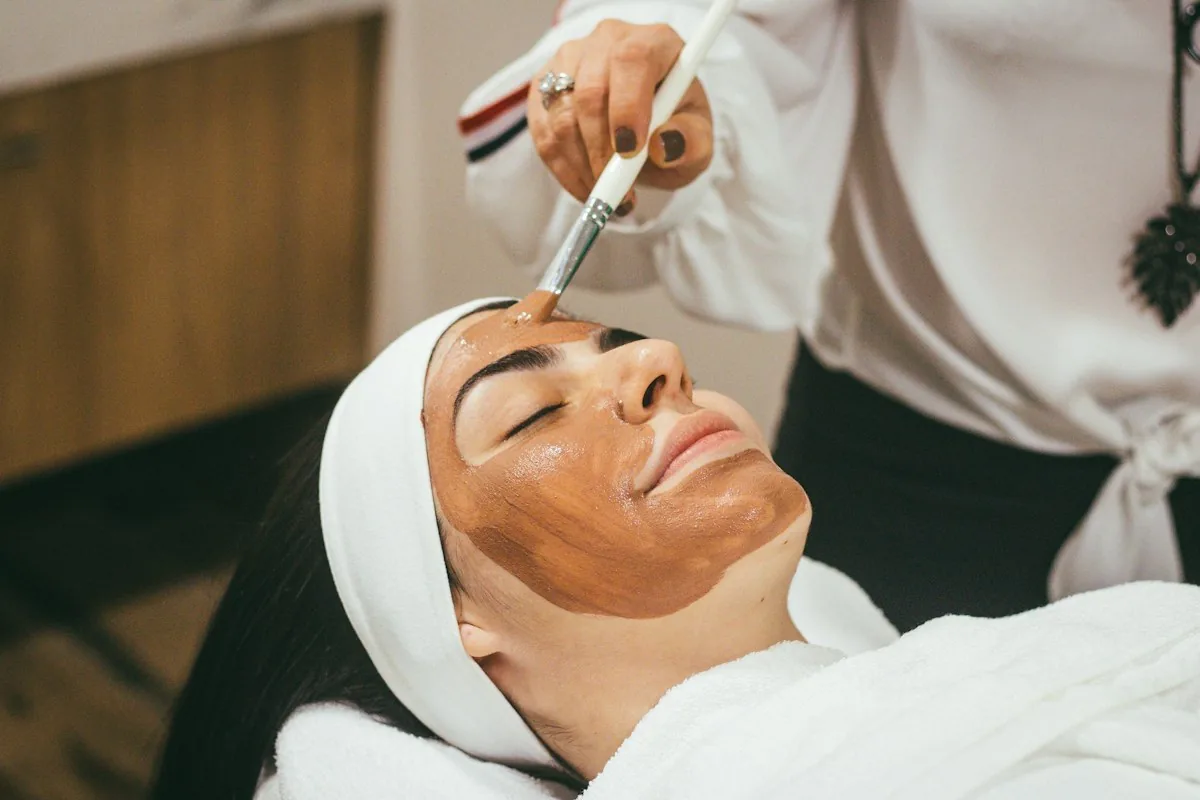
It is worth clarifying what it does not do. Mesotherapy does not replace botulinum toxin for expression lines or fillers for volume restoration. It is a revitalisation tool, and its value lies in improving the overall appearance of skin that is beginning to lose its freshness.
How many sessions are needed and how is it maintained?
The standard facial mesotherapy protocol consists of 3 to 5 initial sessions, spaced 2 to 4 weeks apart, followed by maintenance every 3 to 6 months. The exact number depends on the person's age, skin condition and individual goals.
The initial sessions aim to load the skin with hydration and active ingredients so that it responds progressively. That is why results build gradually: the skin looks fresher from the first week, and improvements in texture and firmness consolidate throughout the course of treatment.
Maintenance is the key to lasting results. Since the skin continues to age and lose collagen over time, periodic sessions help sustain those results. Thinking of mesotherapy as an ongoing habit rather than a one-off treatment is what makes the difference.
Factors such as rest, diet and sun exposure have a significant influence on how your skin responds. Good sleep habits and consistent sun protection help results last longer between sessions.
Differences from other revitalisation treatments
Facial mesotherapy differs from other treatments in that its goal is to nourish and hydrate the skin as a whole, rather than filling specific areas or relaxing muscles. Understanding these differences helps you choose wisely and set realistic expectations.
Compared with hyaluronic acid fillers, the distinction is clear. Fillers use cross-linked hyaluronic acid to add volume at specific points, such as the cheekbones or lips. Mesotherapy uses non-cross-linked hyaluronic acid to hydrate and revitalise the skin globally, without altering the facial structure.
Compared with botulinum toxin, the difference in purpose is equally clear. Botulinum toxin relaxes muscles to soften expression lines, whereas mesotherapy improves skin quality and radiance. They are complementary techniques rather than alternatives to each other.
Compared with deeper treatments, such as certain lasers or chemical peels, mesotherapy is gentler and involves less recovery time. In return, its effects are more gradual and require consistency. The right choice depends on each individual's skin needs, and the ideal approach is to assess this with a doctor who can design a tailored plan.
Take the next step for your skin
If your skin looks dull or dehydrated, or you want to start preventing the signs of ageing, the best starting point is a personalised medical assessment. A specialist can examine your skin, rule out any other underlying needs, and design the protocol that is truly right for you.
Book a consultation at Clínica Valorian in Marbella with Dr. Florian A. Vallecillo Cabrera and get your questions answered before making a decision. Healthy skin is best cared for with medical expertise, consistency, and a plan designed with you in mind.
Frequently asked questions
Is facial mesotherapy painful?
Discomfort is minimal. Very fine needles are used and, in sensitive areas, a numbing cream is applied. Most patients tolerate the session without difficulty and can resume their normal activities the same day.
When will results be noticeable?
The skin looks more hydrated and radiant from the first week. The effect on texture and firmness builds up throughout the multi-session protocol, as it depends on the skin's own response.
How often does the treatment need to be repeated?
After the initial protocol of 3 to 5 sessions, maintenance every 3 to 6 months is recommended. The exact frequency depends on each person's age, skin condition and goals.
Is facial mesotherapy the same as hyaluronic acid filler?
No. Mesotherapy uses non-cross-linked hyaluronic acid to hydrate and revitalise the skin overall, while fillers use cross-linked hyaluronic acid to add volume to specific areas.
Topics