
6 min read
Chemical peel: types, results and recovery
By Clínica Valorian

What a chemical peel is, what types exist according to their depth, what skin problems it improves and what the step-by-step recovery looks like.
Key points
- A chemical peel applies a controlled solution that removes damaged skin layers to stimulate more even renewal.
- There are three depths: superficial, medium and deep. Each one treats different problems and has different recovery times.
- It improves dark spots, uneven texture, acne marks and fine lines. For dark spots it is usually combined with strict sun protection.
- Recovery ranges from a few days for superficial peels to 2–3 weeks for deep ones, according to the American Academy of Dermatology.
- It must be performed by a doctor to choose the correct depth, tailor the approach to the skin type and reduce the risk of complications.
A chemical peel is a medical treatment in which a controlled solution is applied to the skin to remove its most damaged layers and stimulate the emergence of new, more even skin. It is used to correct blemishes, improve texture, soften acne marks and reduce fine lines; depending on its depth, recovery ranges from just a few days to nearly three weeks.
It is a technique with a long track record. The American Academy of Dermatology notes that doctors have been performing chemical peels for more than 50 years with an excellent safety record (American Academy of Dermatology). That history explains why it remains one of the fundamental tools for renewing facial skin.
What a chemical peel is and how it renews the skin
A chemical peel renews the skin by triggering controlled exfoliation: the applied solution loosens the damaged cells on the surface so that the body replaces them with new tissue. This renewal process improves tone, refines texture and stimulates collagen production in the deeper layers.
The underlying idea is simple. Rather than waiting for the skin to renew itself on its own — a rhythm that slows with age and sun damage — a peel accelerates and directs that turnover. The result is a more radiant and even surface as it heals.
The chemical agent may be a mild acid, such as glycolic or salicylic acid, or a more potent formula designed for deeper layers. The choice of product and its concentration determines how deep it acts and, therefore, which concerns it can correct.
What types of chemical peel are there?
There are three types of chemical peel according to depth: superficial, medium and deep. Each level reaches a different layer of the skin, treats different concerns and requires its own recovery time, ranging from a few days to several weeks in the most intensive cases.

Superficial peel
The superficial peel works on the outermost layer of the skin, the epidermis. It is used to add radiance, improve texture and treat mild pigmentation issues or acne. It is the gentlest type and the one that least disrupts daily life.
It is usually applied over several sessions. The American Academy of Dermatology notes that mild peels may require between 3 and 5 treatments to achieve the desired result. Between sessions, the skin recovers quickly.
Medium peeling
Medium peeling reaches the upper layers of the dermis. It treats more pronounced dark spots, fine lines, and certain lesions caused by sun damage. Being deeper, the results are more visible, but it also requires more days of aftercare.
Deep peeling
Deep peeling penetrates into the inner layers of the dermis and is reserved for pronounced wrinkles or significant sun damage. It is the most intensive of the three treatments and, due to its effect, can normally only be performed once on the same area throughout the patient's lifetime.
What skin concerns does a chemical peel improve?
A chemical peel improves dark spots, uneven texture, acne marks and fine lines, as well as certain sun-induced lesions. It is a versatile treatment because, by adjusting the depth and type of acid, it can be tailored to very different goals within the same face.
When it comes to dark spots, it is one of the common options for the treatment of pigmentation concerns such as melasma or those caused by sun exposure. The peel removes accumulated pigmentation from the superficial layers and helps to even out skin tone. You can explore this specific concern further in our guide on melasma: causes and treatments for dark spots.
These are the concerns it typically addresses:
- Dark spots and uneven pigmentation, including melasma.
- Rough or dull texture that reduces radiance.
- Superficial marks and scars left by acne.
- Fine lines and early signs of sun damage.
- Oily skin and visible pores, in peels designed for acne.
It is important to have realistic expectations. Chemical peels are highly effective for dark spots and texture, but deep wrinkles or significant sagging respond better to other treatments, which are sometimes combined with peeling as part of a comprehensive plan.
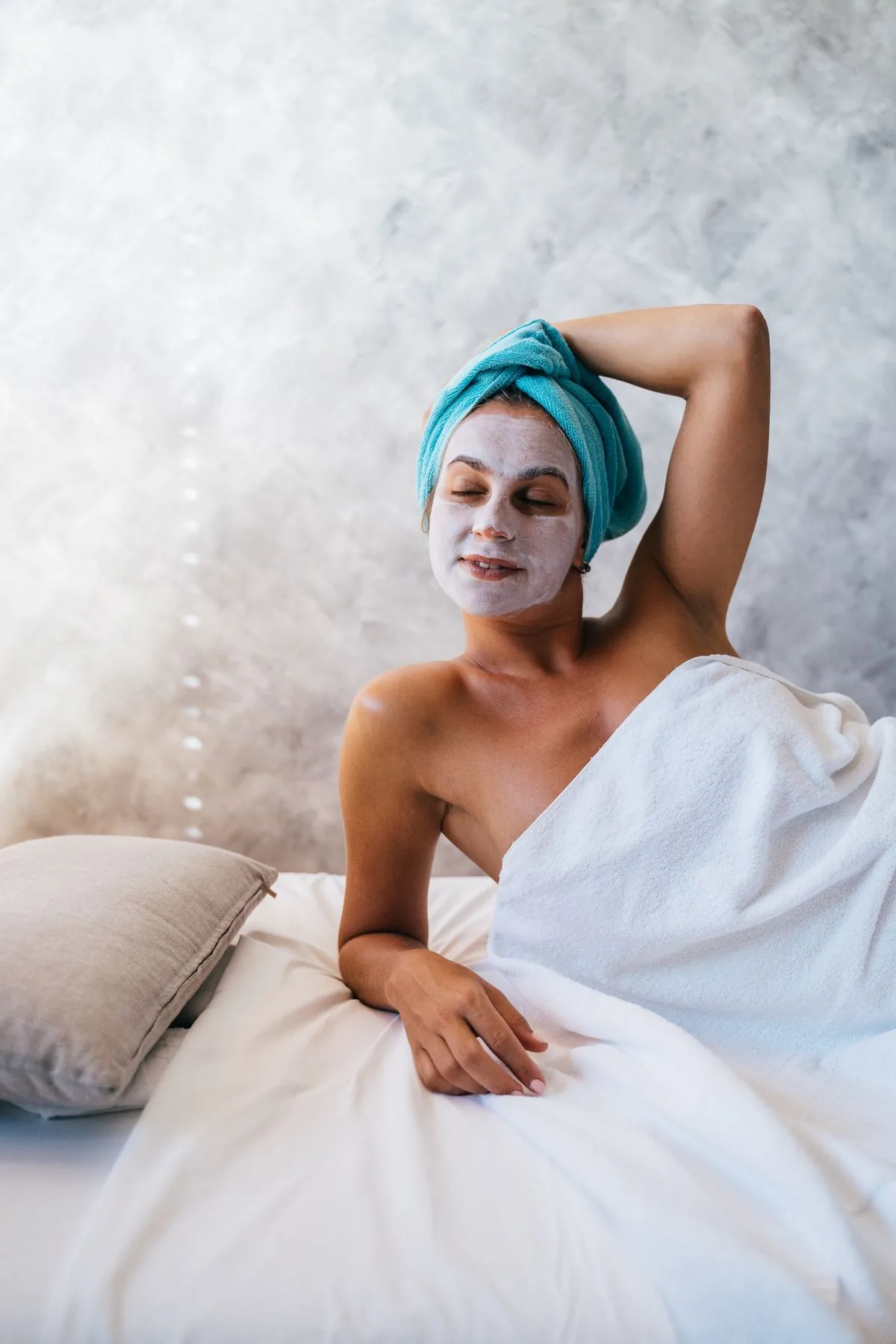
What is the recovery like after a chemical peel?
Recovery depends on the depth of the peel and ranges from a few days to nearly three weeks. According to the American Academy of Dermatology, a medium peel typically heals within 7 to 14 days, while a deep peel may require 2 to 3 weeks of at-home care.
With a superficial peel, it is normal to notice mild redness and some flaking for a few days. The skin feels tight and dry, but daily routines can be resumed almost immediately with adequate moisturising.
With medium and deep peels, the process is more intense. More pronounced redness, swelling and visible peeling appear as the skin renews itself. During those days it is essential to follow the doctor's instructions to the letter.
Aftercare typically includes:
- Moisturising the skin with the products recommended by your doctor.
- Avoiding scratching or picking at areas that are peeling.
- Staying out of the sun and applying high-factor sun protection daily.
- Delaying the use of make-up and harsh cosmetics until the skin has healed.
Sun protection is the key piece of the puzzle. Freshly renewed skin is highly sensitive to light, and without protection, pigmentation spots can return. In a region as sun-drenched as the Costa del Sol, this becomes even more important, as we explain in our sun protection guide.
Why should it be performed by a medical professional?
A chemical peel must be performed by a medical professional because the choice of depth, acid concentration, and application time determines both the outcome and the risk. A prior medical assessment tailors the treatment to each person's skin type and reduces the likelihood of complications.
Skin type plays a major role in this decision. The American Academy of Dermatology warns that, although darker skin tones can be treated safely, doing so requires the expertise of a specialist to avoid permanent pigmentation changes. A trained eye knows when to adjust or rule out a particular technique.
Interest in skin renewal continues to grow. In 2024, 3,703,305 skin resurfacing procedures were performed in the United States — a category that includes chemical peels — according to the American Society of Plastic Surgeons. That volume reflects high demand, which should be guided by medical criteria rather than improvised formulas.
At Clínica Valorian, Dr. Florian A. Vallecillo Cabrera assesses each case before recommending a peel, determines the appropriate depth, and plans post-treatment care. This evidence-based medical approach is what separates a safe treatment from an unnecessary risk.
If you are thinking about improving pigmentation spots or skin texture, the most useful step is not to purchase a product, but to request an assessment with a doctor who will examine your skin, rule out other causes, and recommend the peel depth you truly need.
Frequently asked questions
How many chemical peel sessions do I need?
It depends on the depth. Superficial peels usually require between 3 and 5 sessions to achieve the desired result, whereas a deep peel is performed only once.
Does a chemical peel work for dark spots?
Yes. It is one of the standard treatments for blemishes such as melasma or sun-related pigmentation, always combined with daily sun protection to prevent them from returning.
Can I have a peel if I have darker skin?
Yes, but with caution. Darker skin types can undergo this treatment safely, although they require assessment by a specialist to avoid permanent pigmentation changes.
How long does recovery from a chemical peel take?
A superficial peel takes just a few days to recover from. A medium peel takes between 7 and 14 days, and a deep peel may require 2 to 3 weeks of at-home aftercare.
Is a chemical peel painful?
Superficial peels cause mild stinging or tightness. Medium and deep peels are more uncomfortable, which is why they are always performed under medical supervision with appropriate comfort measures.
Topics