
6 min read
Facial sagging: treatments to firm the skin
By Clínica Valorian

Medical guide on facial sagging: why it appears, which non-surgical treatments firm the skin, and what results to expect.
Key points
- Facial sagging occurs because the skin loses collagen at a rate of around 1% per year in adulthood, a process that accelerates after menopause.
- Radiofrequency, HIFU, radiofrequency microneedling and biostimulators are the non-surgical medical options with the strongest evidence for skin tightening.
- In clinical reviews, satisfaction with radiofrequency reaches between 82% and 100% of treated patients.
- Up to 80% of visible facial ageing is due to sun exposure, making daily photoprotection the best form of prevention.
- Results are realistic for mild to moderate sagging; severe sagging usually requires surgery to achieve a visible change.
Facial laxity can be improved with non-surgical medical treatments such as radiofrequency, HIFU or biostimulators, provided the degree of sagging is mild to moderate. When the skin is severely sagging, surgery remains the only option that delivers a real change. In this article you will find out why facial laxity appears, which techniques firm the skin, what results are realistic and how to slow down the loss of firmness starting today.
Why does facial laxity appear with age?
Facial laxity appears because the skin loses collagen at a rate of approximately 1% per year during adulthood, according to classic measurements of cutaneous collagen density (study published in the U.S. National Library of Medicine, 2023). This decline weakens the structure that supports the skin, and gravity does the rest.
Over the years, several factors compound the problem. Cell turnover slows down, facial fat redistributes and the facial bones lose volume. The result is a less defined contour, sagging cheeks and a facial oval that becomes blurred.
In women there is a clear turning point. The drop in oestrogens at menopause markedly accelerates collagen loss during the first few years, which explains why many patients notice a sudden change at that stage. If you are interested in this life stage, you can read our guide on menopause and health.
What role do collagen and elastin play in skin firmness?
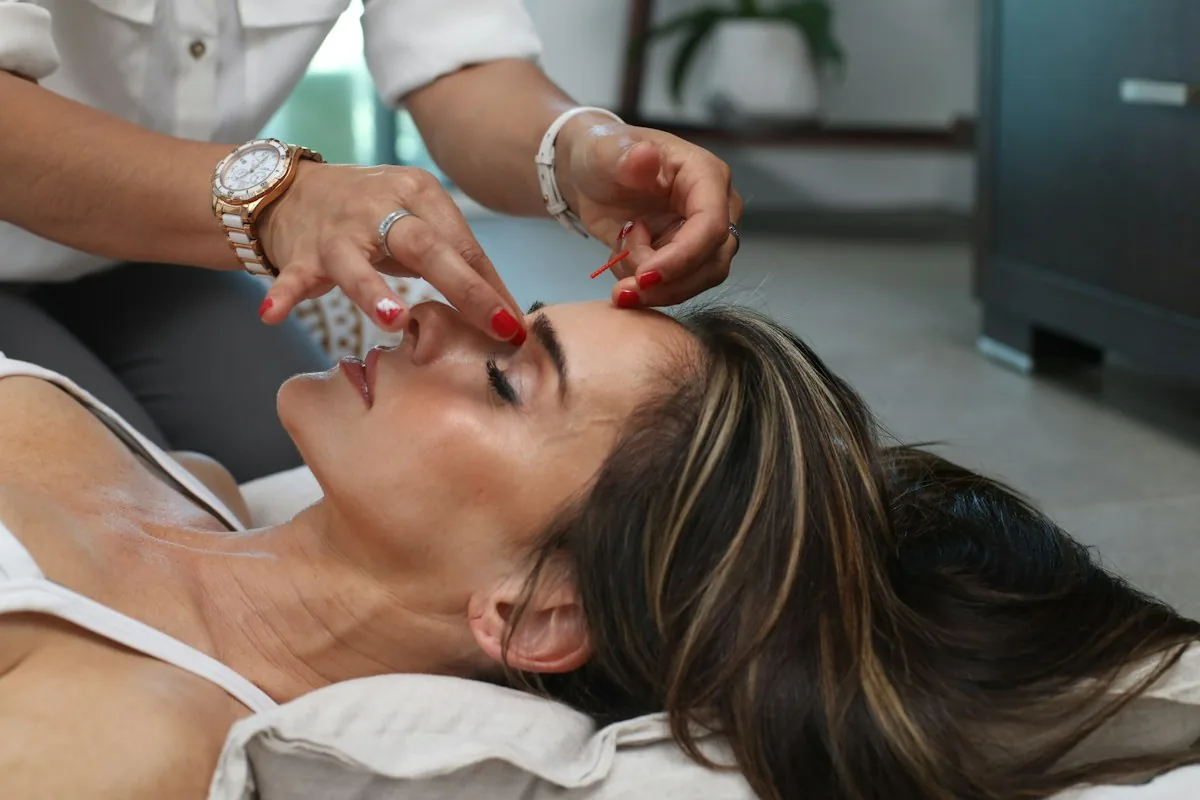
Collagen provides the skin with structure and strength, while elastin gives it the ability to recover its shape after being stretched. Together they form the dermal network that keeps the face firm. When that network degrades, the skin becomes lax and loses the bounce it had in youth.
Collagen acts as the scaffolding. It is the most abundant protein in the dermis and bears the weight of the tissues. Elastin, less abundant, works like a spring that returns the skin to its original position.
The problem is twofold. With age we produce less new collagen and, at the same time, the existing fibres become damaged. Ultraviolet radiation breaks down and disorganises those fibres, a process that explains why sun exposure plays such a decisive role in visible ageing. Almost all medical treatments for firming the skin share the same goal: stimulating the dermis to produce new collagen.
Which non-surgical medical treatments tighten the skin?
The most well-supported non-surgical treatments for skin tightening are radiofrequency, focused ultrasound (HIFU), radiofrequency microneedling, and injectable biostimulators. Overall, the non-surgical skin tightening category grew by 38.9% year-on-year, making it the fastest-growing non-surgical segment according to the 2024 ISAPS Global Survey (ISAPS Global Survey 2024, 2025).
These are the main options:
- Radiofrequency. Heats the dermis in a controlled manner to contract existing collagen and stimulate new collagen production. It is a gradual process and requires several sessions.
- HIFU (High-Intensity Focused Ultrasound). Delivers energy to deeper layers, including the layer targeted by surgeons during a facelift. It is typically approached over a small number of sessions.
- Radiofrequency microneedling. Combines microneedles with heat to induce collagen production with minimal surface disruption.
- Injectable biostimulators. Substances such as poly-L-lactic acid or calcium hydroxyapatite that activate collagen synthesis over a period of months.
The evidence for radiofrequency is robust. A 2025 systematic review pooling 13 studies and 1,230 participants found satisfaction rates ranging from 82% to 100%, with improvement in skin firmness observed in a very large proportion of patients (Aesthetic Surgery Journal Open Forum, 2025).
One injectable technique that is sometimes combined with these treatments is hyaluronic acid filler, although this adds volume rather than true dermal firmness. At Clínica Valorian, Dr. Florian A. Vallecillo Cabrera assesses each case individually to determine which technique or combination makes sense based on the patient's skin type and degree of laxity.
What results are realistic depending on the degree of skin laxity?
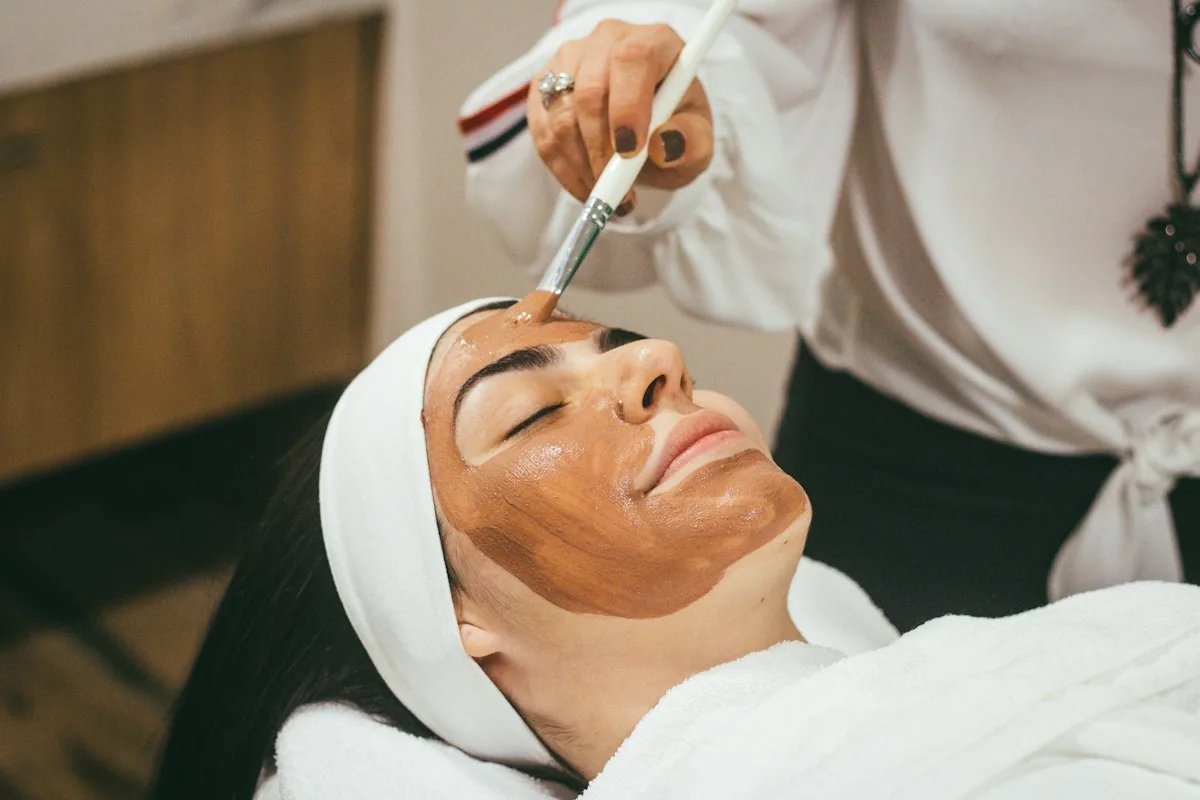
Results depend directly on the starting point. In mild to moderate laxity, non-surgical treatments can deliver a visible improvement in contour and texture. In severe laxity, with a significant excess of skin, these techniques cannot replace surgery and the change will be modest.
It is worth calibrating expectations by degree:
- Mild laxity. Initial loss of definition. Radiofrequency or radiofrequency microneedling typically delivers a satisfactory and natural-looking result.
- Moderate laxity. Noticeable sagging of the facial oval. HIFU or a combination of techniques with biostimulators can provide appreciable tightening, though it will be partial.
- Severe laxity. Excess skin and pronounced folds. In this case, aesthetic medicine serves as a supportive measure, but the truly meaningful result is achieved through surgical facelift.
There are two important nuances to keep in mind. The first is patience: many treatments work by stimulating collagen, so the maximum effect is reached weeks or even months after the session. The second is consistency, since ageing continues and maintenance is usually needed. An honest medical assessment prevents frustration and unnecessary expense. If you are choosing a clinic, our guide on how to choose an aesthetic clinic in Marbella may be helpful.
How can you prevent loss of firmness from now on?
The best prevention is daily sun protection, because up to 80% of visible facial ageing is attributed to sun exposure rather than the passage of time itself (study in the U.S. National Library of Medicine, 2013). Protecting your skin from the sun is the most effective and most affordable measure for preserving collagen.
Beyond sunscreen, several habits help maintain firmness:
- Consistent sun protection. Use high-factor protection every day, even on cloudy days, and reapply it regularly. This is even more important on the Costa del Sol due to its high levels of solar radiation.
- Topical retinoids. They stimulate cell renewal and collagen production, backed by extensive scientific evidence.
- Antioxidants. Vitamin C and other antioxidants neutralise free radicals that damage skin fibres.
- Lifestyle. Not smoking, getting enough sleep, staying hydrated and following a balanced diet protect the skin from within.
The American Academy of Dermatology offers practical recommendations on how to care for your skin to slow down its ageing (American Academy of Dermatology). Starting early makes a real difference, because collagen that is preserved does not need to be rebuilt later.
The first concrete step is simple: request a medical assessment of your skin's condition before choosing any treatment. A professional evaluation determines your degree of laxity and which technique makes sense for your case, rather than starting with whatever treatment is currently trending. At Clínica Valorian you can request that initial assessment with Dr Florian A. Vallecillo Cabrera and leave with a realistic plan, tailored to your skin and your goals.
Frequently asked questions
At what age does facial sagging begin?
The first signs are usually noticed between the ages of 30 and 40, when collagen production has already declined appreciably. In women, the process accelerates in the years following menopause.
Does radiofrequency really firm the skin?
Yes. In a 2025 systematic review, satisfaction ranged between 82% and 100% of patients. It firms mild to moderate sagging, but does not replace surgery in severe cases.
How many sessions are needed to see results?
It depends on the technique. HIFU can deliver results with a single session, whereas radiofrequency and biostimulators usually require several sessions spread over weeks or months for a gradual effect.
Can facial sagging be prevented?
It cannot be avoided entirely, but it can be delayed. Daily photoprotection, retinoids, antioxidants and avoiding tobacco protect the collagen and elastin that keep the skin firm.
Topics