Hyperhidrosis: when sweating becomes a disease
Pathophysiology, diagnosis, secondary causes and next-generation treatments

Doctor Florian A. Vallecillo Cabrera
Author
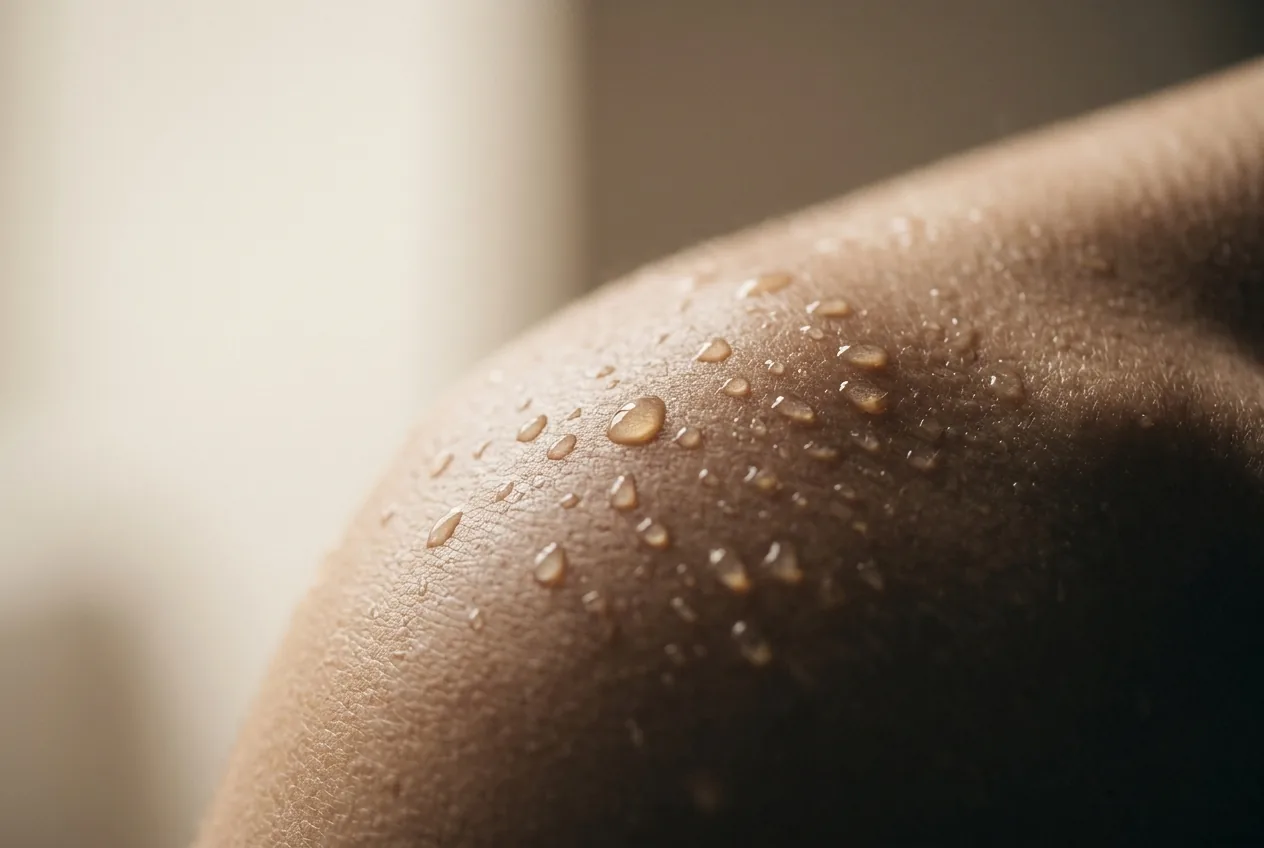
Hyperhidrosis is not simply 'sweating a lot'. It is sweat production out of proportion to thermoregulatory needs, which can deeply affect social, professional and emotional life. A primary form (focal, symmetrical, early-onset, absent at night) is distinguished from a secondary form (disease, drug, hormonal or neurological disorder). Recent advances in genetics (the NaV1.8 channel), pharmacology (topical anticholinergics) and medical technologies now allow much more personalised management.
Sweating is essential
Sweating is an essential physiological mechanism. It notably allows: dissipating heat; maintaining body temperature; adapting the body to effort; responding to certain emotions; participating in the balance of the skin surface.
Sweat production normally increases during physical effort, heat exposure, fever, an intense emotion, acute stress or the consumption of certain foods or drinks.
Abundant sweating is therefore not automatically pathological. The question becomes medical when the amount of sweat is disproportionate, recurrent, difficult to control and significant enough to interfere with daily life.
What is hyperhidrosis?
Hyperhidrosis is classically defined as sweating that exceeds the physiological needs of thermoregulation. This definition seems simple, but the boundary between abundant sweating and disease does not depend solely on a measurement in grams.
A person may produce a moderately above-average amount of sweat yet suffer a major handicap if their hands are constantly wet. Conversely, significant body sweating during sport can remain perfectly physiological.
Severity is therefore judged from several elements: frequency, intensity, location, unpredictability, functional impact, emotional and social impact, cutaneous consequences and the need to change clothes or adapt one's activities.
The sweat glands
The eccrine glands
The eccrine glands are distributed over almost the entire body surface. They are particularly numerous on the palms, soles, forehead and underarms. They produce sweat composed mainly of water and electrolytes.
They play a major role in thermoregulation, but the palmar and plantar glands also respond strongly to emotions and stress. Primary hyperhidrosis essentially involves these glands.
The apocrine glands
The apocrine glands are located mainly in the underarms, the genital regions and certain periareolar areas. Their secretion is richer in lipids and proteins, and becomes odorous when it is broken down by skin bacteria.
Body odour, or bromhidrosis, should therefore not be confused with hyperhidrosis. The two can coexist, but very abundant sweating is not necessarily malodorous.
A particular nervous control
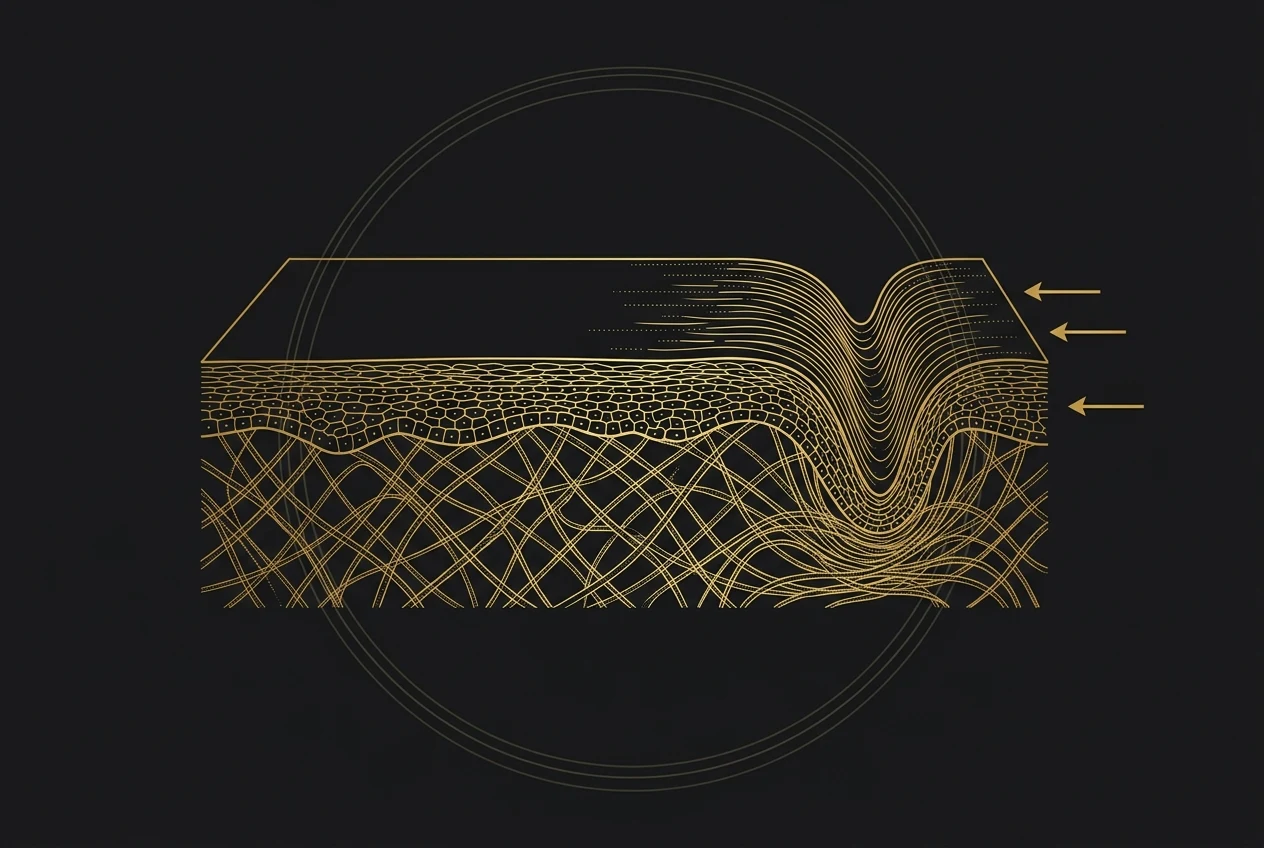
The eccrine glands are controlled by the sympathetic nervous system. There is, however, a physiological paradox: most sympathetic fibres use noradrenaline, whereas those destined for the eccrine glands mainly use acetylcholine.
Acetylcholine is released by the nerve endings and binds to muscarinic receptors on the surface of the glandular cells. This activation triggers the production and evacuation of sweat.
This mechanism explains the efficacy of anticholinergics, of botulinum toxin (which blocks the release of acetylcholine) and of certain techniques aimed at reducing the activity or number of glands. It also explains the possible adverse effects of anticholinergics, since acetylcholine is involved in many other organs.
Primary and secondary hyperhidrosis
Focal primary hyperhidrosis
Primary hyperhidrosis is most often focal, bilateral, relatively symmetrical, chronic, absent during sleep, early-onset and worsened by emotions without being purely psychological.
The most frequent locations are the underarms, palms, soles, face and scalp. Several areas may be affected in the same person.
An updated review published in 2025 recalls that primary hyperhidrosis probably represents the majority of cases seen in practice, but that prevalence estimates vary considerably depending on countries, definitions and survey methods.
Secondary hyperhidrosis
Secondary hyperhidrosis results from another factor: disease, medication, hormonal imbalance, infection, neurological disorder, intoxication or withdrawal, metabolic situation.
It may be focal, but it is more often generalised or nocturnal. It can appear at any age and sometimes starts abruptly in a person who had never had a sweating problem.
The distinction is essential: treating only the sweat glands without looking for a secondary cause can delay the diagnosis of an underlying disease.
How to recognise primary hyperhidrosis?
The diagnosis is mainly clinical. Visible, excessive focal sweating that has been present for at least six months is particularly compatible with a primary form when it is associated with several of the following criteria:
- bilateral and symmetrical involvement;
- frequency of at least one episode per week;
- onset before 25 years of age;
- family history;
- disappearance during sleep;
- interference with daily activities.
These criteria are not absolute. An onset after 25 does not formally exclude a primary form, but it makes the assessment of a secondary cause more important.
Is hyperhidrosis hereditary?
Familial aggregation is frequently reported. This had long suggested a genetic component, but no single mechanism explained all cases.
The discovery of NaV1.8
A study published in Science Advances in July 2026 investigated families with hereditary primary hyperhidrosis. The researchers observed an enrichment in rare variants affecting genes encoding voltage-gated sodium channels, with a particularly strong signal for SCN10A, which encodes the NaV1.8 channel.
They then created a mouse model carrying a substitution observed in humans. The animals developed excessive sweating. The variant increased the excitability of certain sympathetic neurons and their response to cholinergic signals. Hypersweating could be reduced by inhibiting the sodium channels.
This study is important for several reasons: it provides mechanistic evidence linking a genetic variant to hyperhidrosis; it shows that some forms may be neurocutaneous channelopathies; it opens the way to treatments targeting neuronal excitability; it confirms that the abnormality may lie in the nervous control rather than in the gland itself.
What this discovery does not mean
It does not demonstrate that all patients carry an SCN10A variant, that a genetic test is necessary in routine practice, that NaV1.8 inhibitors are already validated treatments of hyperhidrosis, or that all familial forms share the same mechanism.
The demonstration is based on a subgroup of families and on an animal model. It is a major advance, but still preclinical from a therapeutic standpoint.
Does stress cause hyperhidrosis?
Stress can trigger or worsen sweating, especially on the palms, soles, underarms and face. But this does not mean that hyperhidrosis is "all in the head".
In a predisposed person, the nervous system reacts excessively to a normal emotional stimulus. Sweating then itself becomes a source of stress, creating a loop: anticipation of an embarrassing situation, increased sympathetic activity, sweating, fear that others will notice, worsening of sweating.
Stress-management techniques can reduce some triggers, but they do not always correct the underlying biological mechanism.
The different locations
Axillary hyperhidrosis
It causes visible sweat rings, sometimes even without effort and at moderate temperature. Patients may avoid certain colours, change clothes several times, wear several layers, limit arm movements, avoid physical contact and feel a major professional handicap. It is one of the forms for which the largest number of treatments have been studied.
Palmar hyperhidrosis
The hands may be moist, shiny or dripping. Consequences include difficulty writing, wet paper, trouble with touchscreens, difficulty using tools, inability to wear certain gloves, difficulty playing an instrument, fear of shaking hands and a risk of objects slipping. It is often very disabling despite a limited body surface.
Plantar hyperhidrosis
It promotes maceration, damp shoes, foot slipping, irritation, blisters, bad odours, pitted keratolysis and certain bacterial or fungal infections. It frequently coexists with palmar hyperhidrosis.
Craniofacial hyperhidrosis
It affects the forehead, face, upper lip, scalp or nape. It can be particularly visible during a conversation, a meal, a professional presentation, a minimal effort or a change in temperature. Treatments are more delicate because of the proximity of the eyes and the risk of muscular or anticholinergic adverse effects.
Generalised hyperhidrosis
It affects a large part of the body. A generalised form, especially if it is recent or nocturnal, should prompt a priority search for a secondary cause.
The possible secondary causes
The list is vast. The presence of a possible cause does not automatically mean that it explains the sweating, but it must be assessed in the clinical context.
Endocrine and metabolic causes
Hyperthyroidism; hypoglycaemia; diabetes with hypoglycaemic episodes; phaeochromocytoma (much rarer); carcinoid syndrome (rare); menopause and vasomotor flushes; pregnancy; obesity; acromegaly; hormonal insufficiency in certain contexts.
Infectious causes
Acute febrile infections; tuberculosis; endocarditis; HIV; certain chronic infections. However, isolated night sweats are not enough to diagnose an infection.
Neurological causes
Spinal cord lesions; autonomic neuropathies; Parkinson's disease; stroke; hypothalamic lesions; complex regional pain syndrome; focal nerve lesions. Strictly unilateral or segmental sweating should raise the possibility of a localised neurological disorder.
Oncological or haematological causes
Some diseases, notably lymphomas, may be accompanied by night sweats. But sweats are non-specific: they must be interpreted together with fever, weight loss, lymph node enlargement, fatigue and possible biological abnormalities.
Respiratory and sleep causes
Obstructive sleep apnoea syndrome may be associated with night sweats.
Withdrawal and substances
Alcohol withdrawal; opioid withdrawal; withdrawal from certain substances; heavy alcohol consumption; stimulants; cocaine or amphetamines.
Medications that can increase sweating
Many drug classes are involved. Among the most frequently implicated are: serotonergic or serotonergic-noradrenergic antidepressants; tricyclic antidepressants; opioids; antipyretics; certain antidiabetics that cause hypoglycaemia; hormonal treatments; cholinergic agonists; certain neurological treatments; corticosteroids in some contexts; withdrawal treatments; certain anticancer drugs.
Causality must be examined carefully: did the sweating start after the drug was introduced? Did it increase after a dose change? Is there another cause? Can the medication be changed safely? An essential treatment must not be stopped without medical advice.
The signs that justify a more thorough evaluation
A secondary cause should be particularly sought in the presence of: a recent and abrupt onset; onset at an unusual age; generalised sweating; marked night sweats; fever; involuntary weight loss; palpitations; tremors; persistent diarrhoea; new vasomotor flushes; chest pain; neurological signs; significant asymmetry; a recent change in treatment; the use or withdrawal of a substance.
What work-up can be proposed?
There is no identical work-up for all patients. In a typical primary form that is long-standing, focal, symmetrical and without associated symptoms, additional tests are not always necessary.
In an atypical form, the work-up may include, depending on the context: complete blood count; blood glucose; glycated haemoglobin; TSH; liver and kidney function tests; inflammatory markers; targeted serologies or infectious tests; a selected hormonal work-up; imaging or neurological exploration if indicated.
The aim is not to multiply analyses but to guide tests based on the clinical history.
How is hyperhidrosis measured?
Hyperhidrosis Disease Severity Scale (HDSS)
The HDSS is a simple questionnaire based on four levels: sweating never noticeable and never interfering with activities; tolerable sweating, sometimes interfering with activities; barely tolerable sweating, frequently interfering with activities; intolerable sweating, always interfering with activities. It is quick and useful for following the response to treatment, but remains subjective and does not describe all dimensions of the disease.
Gravimetry
Gravimetry measures the amount of sweat absorbed by a support over a defined time. It provides an objective measurement, mainly used in clinical trials, certain specialised assessments and before-after treatment comparisons. Production varies with temperature, emotion, acclimatisation and time of day: conditions must therefore be standardised.
Minor's test
The starch-iodine test allows the areas that sweat to be visualised: the skin is covered with iodine and then starch, and sweat produces a dark colouring. This test is particularly useful for mapping an axillary area, guiding botulinum toxin injections and identifying a residual area after treatment.
Quality of life
Tools such as the Dermatology Life Quality Index assess the consequences on clothing, relationships, work, sport, intimacy and self-image. A prospective study of axillary botulinum toxin showed a major improvement in quality of life alongside the reduction in sweating, confirming that the benefit is not limited to a technical parameter.
Dermatological consequences
Persistent moisture alters the skin barrier and the microbiota. It can promote: intertrigo; irritation; contact dermatitis; maceration; pitted keratolysis; bromhidrosis; bacterial superinfection; dermatophytosis; candidiasis in certain areas; plantar warts in some exposure contexts. Sweating does not systematically create these conditions, but it is a contributing factor.
Psychological and social impact
Hyperhidrosis can cause: shame; anxious anticipation; social avoidance; reduced self-confidence; imposed clothing choices; difficulty in intimate life; professional limitation; giving up certain activities; secondary anxious or depressive symptoms.
Two errors must be avoided: considering the disease as purely psychological; ignoring the psychological consequences because the mechanism is biological. Comprehensive management must treat both the sweating and its impact.
Treatment: a personalised strategy
There is no single treatment valid for all locations. The choice depends on the affected site, the severity score, the impact, the age, the comorbidities, the treatments already tried, the tolerance to adverse effects and the wish for a temporary or more durable treatment.
1. Aluminium-salt antiperspirants
Aluminium salts are often the first step, especially in mild or moderate forms. They penetrate the sweat duct and form a transient plug that reduces the evacuation of sweat.
Practical modalities. They are generally more effective when applied in the evening, on perfectly dry skin, left on for several hours, rinsed off in the morning, used on several evenings at first and then spaced out once control is achieved. Application just after shaving or on damp skin increases the risk of irritation.
Limits: tingling, burning, irritant dermatitis, insufficient efficacy in severe forms, difficulty of use on the face or genital areas. Adding a mild anti-inflammatory treatment or spacing out applications can sometimes improve tolerance.
2. Topical anticholinergics
They locally block the muscarinic receptors activated by acetylcholine. They allow the affected area to be targeted while limiting, without fully suppressing them, systemic effects.
Glycopyrronium. Topical glycopyrronium is one of the best-studied options for moderate-to-severe axillary hyperhidrosis. A review of topical anticholinergics indicates that glycopyrronium formulations have been evaluated in several trials gathering more than 2,000 participants and can be proposed when antiperspirants are insufficient. Possible adverse effects include: dry mouth, irritation, constipation, rare urinary retention, blurred vision, accidental mydriasis. Ocular disorders appear mainly when the product is transferred from the hands to the eyes; careful hand washing is therefore essential.
Sofpironium bromide. Sofpironium is a topical anticholinergic designed to be rapidly metabolised after absorption, in order to reduce systemic exposure. A meta-analysis published in 2026 included three randomised trials and 1,209 patients with primary axillary hyperhidrosis. Compared with vehicle, sofpironium improved severity scores, quality of life and the measured amount of sweat. However, anticholinergic effects and local reactions remained more frequent. This option represents an important pharmacological advance, but its availability and regulatory indications differ from country to country.
3. Iontophoresis
Iontophoresis is mainly used for the palms and soles. The hands or feet are placed in trays of water through which a weak electric current passes. The exact mechanism is not fully understood; several hypotheses are proposed: functional disruption of secretion, transient obstruction of the ducts, modification of nerve transmission, change in the local ionic gradient.
Course. The treatment usually requires several closely spaced sessions during the initial phase, then spaced maintenance sessions. The response depends heavily on regularity.
Advantages: non-drug treatment; possibility of home use with a suitable device; frequent efficacy for the hands and feet; no systemic anticholinergic effect in its simple form.
Limits: time constraint; tingling sensations; dryness; small irritations or fissures; recurrence when maintenance stops. Wounds must be protected. Certain situations, in particular the presence of implanted electrical devices or pregnancy, require a specific evaluation depending on the device.
4. Botulinum toxin
Botulinum toxin type A blocks the release of acetylcholine at the nerve endings and temporarily prevents the nerve signal from activating the eccrine glands.
Axillary hyperhidrosis. This is one of the best-documented indications. Injections are made in a grid pattern covering the sweating area, often mapped with Minor's test. A one-year prospective study published in 2024 observed a major improvement in sweating, HDSS and quality of life after axillary treatment. The benefit generally lasts several months, with individual variability.
Palmar hyperhidrosis. The toxin can be very effective, but several difficulties exist: painful injections; possible need for local anaesthesia; risk of transient weakness of the intrinsic hand muscles; possible impairment for occupations requiring great precision.
Plantar hyperhidrosis. Treatment is possible, but the injections are particularly painful and the area to be treated can be large.
Craniofacial hyperhidrosis. The toxin can be used in certain areas, but requires great precision to avoid forehead asymmetry, ptosis, a change in the smile or local muscle weakness.
Advantages: localised efficacy; usual absence of the general effects of anticholinergics; rapid response; reversible treatment. Limits: cost; repeated injections; pain; temporary effect; muscle weakness depending on the location.
5. Oral anticholinergics
The most commonly used drugs include oxybutynin, glycopyrrolate or glycopyrronium depending on the country, and more rarely other antimuscarinics. They are particularly useful when several areas are affected, when hyperhidrosis is difficult to treat locally, when topical treatments have failed or when the person is seeking a reversible systemic option.
Adverse effects. Their efficacy is limited by anticholinergic effects: dry mouth, constipation, blurred vision, tachycardia, urinary retention, reflux or digestive discomfort, reduced heat tolerance, drowsiness or cognitive effects depending on the molecule and the patient. The reduction in body sweating may compromise adaptation to heat; particular caution is needed in athletes, people working outdoors, older adults and patients exposed to high temperatures. Gradual titration starting from a low dose can improve tolerance.
6. Drugs acting on sympathetic triggers
In some hyperhidrosis mainly triggered by a specific situation, drugs acting on the adrenergic response may sometimes be considered. They are not the standard treatment of all hyperhidrosis and must be selected according to the cardiovascular background and the context. They may be discussed in situations such as a public presentation, a social event or sweating linked to intense sympathetic activation. They must not mask a secondary cause or be used without assessing contraindications.
7. Microwave thermolysis
Microwave devices deliver targeted energy at the dermo-hypodermic junction of the underarms. The aim is to heat and destroy part of the eccrine and apocrine glands. Unlike botulinum toxin, which temporarily interrupts nerve transmission without destroying the gland, thermolysis produces anatomical modifications.
A study combining histology and non-invasive imaging showed, six months after microwave treatment, obstruction of certain pores, atrophy of the ducts and profound modifications of the glandular structures. Underarms treated with botulinum toxin did not show the same morphological changes, consistent with the functional and reversible nature of its action.
Advantages: potentially prolonged effect; possible simultaneous reduction of sweating and odour; no daily treatment. Possible adverse effects: pain, swelling, bruising, numbness, nodules, temporary alteration of sensitivity, more rarely persistent nerve involvement. Long-term data and direct comparisons with other treatments remain less abundant than for botulinum toxin.
8. Fractional microneedling radiofrequency
Microneedling radiofrequency inserts fine needles into the skin and then delivers thermal energy at a defined depth. The aim is to reduce the activity or number of sweat glands while limiting superficial damage.
A meta-analysis published in 2025 selected six publications. It observed a mean decrease in HDSS of 1.63 points, corresponding to an approximate reduction of 52%. The level of evidence was judged moderate, but the protocols varied greatly in energy, depth, contact time and number of sessions.
The technique appears promising, but the studies do not yet allow certainty about the best device, the optimal depth, the ideal number of sessions, the average duration of benefit or its superiority over toxin or microwaves.
9. Lasers, ultrasound and other devices
Various technologies have been proposed to selectively damage the sweat glands: subcutaneous lasers, focused ultrasound, thermal techniques, energy-assisted curettage. Their level of evidence is variable. An improvement reported in a small series is not enough to establish long-term efficacy or superiority over established treatments. The essential criteria are: reproducibility, standardisation, objective evaluation, duration of follow-up, adverse-effect rate and comparison with a control treatment.
10. Local axillary surgical treatments
Some procedures aim to directly remove or destroy the glands: curettage, liposuction-curettage, excision, subcutaneous aspiration, combinations with laser or other energies. They can provide a durable result, but expose the patient to: haematoma, seroma, pain, adhesions, irregularities, scars, rare necrosis and partial recurrence. They are generally reserved for severe axillary forms that are resistant to less invasive options.
11. Endoscopic thoracic sympathectomy
Sympathectomy interrupts certain sympathetic relays responsible for sweating, mainly in severe palmar hyperhidrosis. The result on the hands can be rapid and spectacular. But the procedure is irreversible in its intention and exposes the patient to a major adverse effect: compensatory hyperhidrosis.
Compensatory hyperhidrosis. After the procedure, excessive sweating may appear or increase on the chest, back, abdomen, groin, thighs or legs. It may be mild, but sometimes becomes more bothersome than the initial hyperhidrosis. Surgical research is trying to determine whether certain section levels reduce this risk; a recent meta-analysis comparing different strategies confirms that the level of sympathectomy probably influences the results, without completely eliminating the risk of compensation.
Other risks: pneumothorax, bleeding, pain, rare Horner's syndrome depending on the level operated, bradycardia, excessive dryness of the hands, failure or recurrence. Sympathectomy must therefore remain a last-resort option, after thorough information and failure of conservative treatments.
Treatment by location
Underarms: aluminium salts; topical anticholinergic; botulinum toxin; systemic treatment depending on the context; microwaves or radiofrequency; local surgery in resistant forms.
Palms: aluminium salts; iontophoresis; botulinum toxin; systemic treatment; sympathectomy in very selected cases.
Soles: aluminium salts; iontophoresis; systemic treatment; botulinum toxin in certain cases; management of maceration complications.
Face and scalp: search for a secondary cause; carefully selected topical treatment; low-dose systemic anticholinergic depending on the background; targeted botulinum toxin; management of gustatory or emotional triggers.
Gustatory hyperhidrosis
Sweating triggered by meals can be physiological when it occurs with very spicy foods. It becomes pathological when it is disproportionate, triggered by ordinary foods, asymmetrically located or appeared after surgery or a nerve lesion.
Frey's syndrome, for example, can appear after parotid surgery: nerve regrowth then leads to activation of the sweat glands during chewing. Botulinum toxin is often an effective option in this context.
Hyperhidrosis in children and adolescents
Primary hyperhidrosis frequently starts early. In children it can cause wet notebooks, difficulty holding a pencil, school discomfort, social withdrawal, refusal of sports activities, teasing and plantar maceration. The disease should not be minimised on the grounds that the child is young.
Treatment must take into account age, body surface, understanding of the protocol, tolerance and the risk of systemic effects. Topical anticholinergics have attracted growing interest in paediatrics, but age approvals and available formulations vary from country to country.
Pregnancy and breastfeeding
Sweating can increase during pregnancy because of hormonal and metabolic changes. Management should favour simple measures, breathable clothing, compatible antiperspirants, treatment of irritations and the search for an associated cause if the picture is atypical.
Anticholinergics, injections and procedures must be evaluated individually. The absence of proof of risk does not automatically mean that a treatment is safe during pregnancy.
Sport and heat
A person treated with an oral anticholinergic may dissipate heat less well. Attention should be paid to the following signs: sensation of overheating, dizziness, headaches, weakness, confusion, an abnormal decrease in sweating during effort. Hydration alone does not always compensate for an insufficient ability to sweat. The dose, the timing of intake and heat exposure must be discussed.
Hyperhidrosis and menopause
Menopausal hot flushes and sweats do not always correspond to primary hyperhidrosis. They are part of a vasomotor dysregulation linked to hormonal changes. The distinction is important, because treatment may involve hormonal management, non-hormonal treatments, a gynaecological assessment or a different approach from the one used for primary axillary hyperhidrosis.
Hyperhidrosis and body odour
Fresh eccrine sweat has little odour. The odour results mainly from the transformation of substances present on the skin by bacteria. Management may require reducing moisture, gentle hygiene, treating a bacterial overgrowth, suitable textiles and management of an associated bromhidrosis.
A deodorant masks or limits the odour. An antiperspirant reduces sweat production. The two functions are not identical.
Can hyperhidrosis disappear spontaneously?
The course is variable. In some patients, the intensity decreases with age, the location changes, the disease remains stable or periods of improvement alternate with worsening. Others have persistent involvement for several decades. The discovery of distinct genetic mechanisms suggests that several subtypes of hyperhidrosis probably coexist, with different courses.
Can it be cured definitively?
The word "cure" must be used with caution.
- Antiperspirants and medications control secretion as long as they are used.
- Iontophoresis usually requires maintenance.
- Botulinum toxin acts temporarily.
- Microwaves, radiofrequency and local surgery can produce a more durable reduction, without any guarantee of total elimination.
- Sympathectomy can durably dry the hands, but at the cost of a risk of compensatory sweating.
The realistic goal is often sufficient control to restore quality of life, rather than an absolute suppression of all sweating.
The most important scientific developments
A probably heterogeneous disease
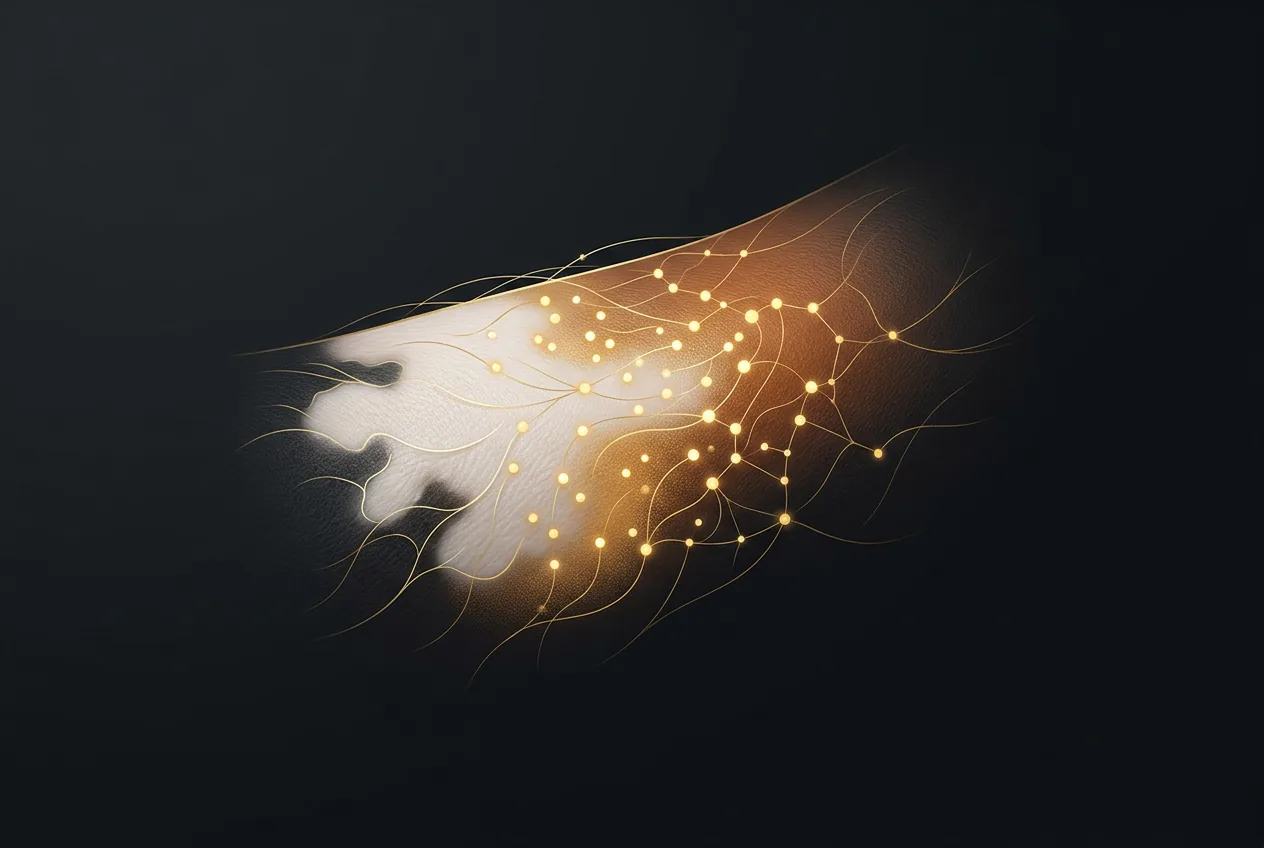
Primary hyperhidrosis was once considered a relatively uniform idiopathic disorder. Recent data suggest that it may bring together abnormalities of nerve excitability, familial forms linked to ion channels, central hypersensitivity to emotions, variations in glandular response and different profiles depending on location.
Towards precision medicine
The discovery of the NaV1.8 subtype suggests, in the long term, a molecular classification, biomarkers, treatments targeting certain channels and better patient selection. However, no NaV1.8 inhibitor is currently validated specifically as a treatment for hyperhidrosis: the therapeutic demonstration still has to be made in humans.
New topical treatments
Glycopyrronium and sofpironium illustrate the development of drugs seeking to maximise local action while minimising general effects.
Imaging of the sweat glands
Techniques such as confocal optical coherence tomography make it possible to observe certain treatment-induced changes without systematically resorting to a biopsy.
Standardisation of devices
Energy treatments give promising results, but research still needs to standardise depth, energy, duration, number of sessions, evaluation criteria and duration of follow-up. The meta-analysis on microneedling radiofrequency shows precisely that the heterogeneity of protocols limits comparison between studies.
What the studies do not demonstrate
The available research does not demonstrate that: all abundant sweating is primary hyperhidrosis; stress is the only cause; all affected patients carry an SCN10A variant; a genetic test must be performed systematically; NaV1.8 inhibitors are already validated treatments; topical anticholinergics produce no systemic effect; botulinum toxin cures definitively; microwaves are superior to all other treatments; radiofrequency already has a universal protocol; sympathectomy is a consequence-free solution; an absence of sweating is always desirable; dietary supplements can treat hyperhidrosis; a particular diet can durably suppress the disease; deodorants and antiperspirants have the same mechanism.
Practical implications
Rational management follows several steps: confirm that it is pathological sweating; distinguish primary and secondary forms; identify the locations; measure the impact; look for associated treatments and diseases; start with the least invasive option suited to the severity; objectively reassess efficacy; combine treatments when relevant; reserve surgery for severe, resistant forms.
Long-standing, bilateral, focal, symmetrical hyperhidrosis that is absent at night is generally reassuring. Recent, generalised, nocturnal hypersweating, or sweating associated with other symptoms, requires a medical evaluation before any local procedure.
The Valorian analysis
Hyperhidrosis remains a paradoxical disease: it is common, visible and sometimes deeply disabling, yet it is often trivialised. Patients are still too often told that they are simply anxious, that they should use a stronger deodorant or learn to live with it. This response ignores the physiological reality of an excessive activation of the circuits that control the eccrine glands.
The main conceptual advance is to stop considering all primary hyperhidrosis as identical. The discovery of variants affecting NaV1.8 shows that some hereditary forms may be genuine neurocutaneous channelopathies. The disorder is then neither a psychological weakness nor an "oversized" gland, but an abnormality of the excitability of the sympathetic neurons. This discovery does not yet change day-to-day management, but it changes the way the disease is thought about and opens the prospect of precision medicine, in which treatment would be selected according to the dominant mechanism.
From a therapeutic standpoint, the modern strategy must avoid two extremes. The first would be to limit all patients to aluminium salts, even when the disease is severe. The second would be to propose a destructive or surgical procedure too quickly without having tried reversible options.
Topical anticholinergic treatments represent an important advance, particularly for axillary involvement. Sofpironium has demonstrated significant efficacy in randomised trials pooled in a meta-analysis, but local and anticholinergic adverse effects remain real. Botulinum toxin remains a reference for axillary hyperhidrosis because of its efficacy, precision and reversibility; its main drawback is the need to repeat the treatment.
Thermal devices can offer a more prolonged benefit. However, glandular destruction is an anatomical intervention, not simply a durable equivalent of the toxin: it requires honest information about pain, nodules, sensory disturbances and the uncertainty over very long-term results. Finally, sympathectomy must never be presented as a simple and definitive solution: it can turn localised palmar hyperhidrosis into extensive compensatory sweating. In some patients the result is excellent; in others, the trade-off is hardly acceptable.
The best management is therefore not the most spectacular treatment. It is the one that offers the best balance between efficacy, reversibility, tolerance and quality of life for a given location and patient.
Key points
- ◆Hyperhidrosis is sweating out of proportion to thermoregulatory needs, not simply 'sweating a lot': its severity is judged by impact (frequency, location, social burden), not by grams alone.
- ◆Primary hyperhidrosis (focal, bilateral, symmetrical, early-onset, absent during sleep) is distinguished from secondary hyperhidrosis (disease, drug, hormonal/neurological disorder) — recent, generalised or nocturnal sweating demands a search for a cause.
- ◆The mechanism is not an 'oversized' gland but excessive activation of the cholinergic sympathetic circuits (acetylcholine → muscarinic receptors), which explains the efficacy of anticholinergics and botulinum toxin.
- ◆A 2026 study links some familial forms to variants of the sodium channel NaV1.8 (SCN10A): a neurocutaneous channelopathy in a subgroup — but no genetic test or NaV1.8 inhibitor is validated in routine practice.
- ◆Treatment is personalised and stepwise: aluminium salts → topical anticholinergics (glycopyrronium, sofpironium) / iontophoresis → botulinum toxin → devices (microwaves, radiofrequency) → surgery/sympathectomy as a last resort (risk of compensatory sweating).
Valorian level of evidence
- Existence of primary hyperhidrosis as a neuroglandular dysfunction(high level of evidence)
Physiological and clinical data confirm an excessive activation of the cholinergic sympathetic pathways.
- Genetic involvement of NaV1.8 in a subgroup(intermediate level, mechanistically strong)
The study combines human genetics, tissue expression, electrophysiology and an animal model. It does not, however, demonstrate the frequency of this mechanism in the general population or the efficacy of a targeted treatment in humans.
- Aluminium salts(moderate to high)
A rational first line in mild-to-moderate forms, despite sometimes limited tolerance.
- Topical anticholinergics(moderate to high for axillary involvement)
Glycopyrronium and sofpironium are based on several controlled trials; anticholinergic adverse effects are not entirely eliminated.
- Iontophoresis(moderate)
Efficacy widely recognised for the palms and soles, but heterogeneous protocols and studies.
- Axillary botulinum toxin(high)
Efficacy on sweating and quality of life solidly established.
- Oral anticholinergics(moderate)
Can be very useful, but their use is often limited by tolerance.
- Microwave thermolysis(moderate)
Anatomical alteration of the glands and prolonged benefit in some patients; large comparisons and long-term follow-up still insufficient.
- Microneedling radiofrequency(moderate)
Significant improvement found in meta-analysis, but poorly standardised protocols.
- Sympathectomy
for palmar efficacy, ★★☆☆☆ for the overall predictability of benefit. Very effective on the hands, but compensatory sweating greatly limits the predictability of the overall result.
- Dietary supplements and diets(insufficient clinical evidence)
No specific supplement or diet can be recommended as a background treatment for primary hyperhidrosis.
References
- Maazi M, Leung AKC, Lam JM. Primary hyperhidrosis: an updated review. Drugs in Context. 2025;14:2025-3-2.
- Yamauchi S, Vander Cruyssen J, Cervellera M, et al. A neurocutaneous NaV1.8 channelopathy underlies a genetic subtype of primary idiopathic hyperhidrosis. Science Advances. 2026;12:eaed3221.
- Oshima Y, Hashimoto T, Miyama H, Fujimoto T. Efficacy and safety of topical sofpironium bromide in treating primary axillary hyperhidrosis: systematic review and meta-analysis of randomized controlled trials. Dermatology Reports. 2026.
- Morgado-Carrasco D, de Lucas R. Topical Anticholinergics in the Management of Focal Hyperhidrosis in Adults and Children: A Narrative Review. Actas Dermo-Sifiliográficas. 2024;115:356-367.
- Vaish MH, Hadeler E, Guda A, Goff H. Radiofrequency Microneedling in Treating Primary Hyperhidrosis: A Systematic Review and Meta-Analysis. Dermatologic Surgery. 2025;51:480-484.
- Grove GL, Jacobsen K, Maartensson NL, Haedersdal M. Subclinical effects of botulinum toxin A and microwave thermolysis for axillary hyperhidrosis: a descriptive study with line-field confocal optical coherence tomography and histology. Experimental Dermatology. 2024;33:e15110.
- Assessing Botulinum Toxin Effectiveness and Quality of Life in Axillary Hyperhidrosis: A One-Year Prospective Study. 2024.
- T2-sparing versus T2-including sympathectomy for hyperhidrosis: a meta-analysis on compensatory sweating. 2026.
- Sakisaka M, Takushima A. Effectiveness of Sofpironium Bromide in Patients with Primary Axillary Hyperhidrosis Who Experienced Residual or Recurrence of Axillary Odor after Surgery for Axillary Osmidrosis. Journal of Plastic and Reconstructive Surgery. 2025;4:13-19.
Frequently asked questions
What is hyperhidrosis?
Hyperhidrosis is sweat production that exceeds the physiological needs of thermoregulation and is significant enough to disrupt daily life.
How can you tell whether hyperhidrosis is primary or secondary?
A primary form often starts young, affects symmetrical areas and disappears during sleep. A recent, generalised or nocturnal onset requires a search for a responsible disease or medication.
What is the most effective treatment for the underarms?
The choice depends on severity. Aluminium salts are often used first, then topical anticholinergics, botulinum toxin or certain medical devices in more severe forms.
Does botulinum toxin cure hyperhidrosis permanently?
No. It temporarily blocks nerve transmission to the sweat glands and usually needs to be repeated after several months.
Does iontophoresis work for sweaty hands?
Yes. It is one of the main treatments for palmar and plantar hyperhidrosis, provided a regular initial phase is followed by maintenance sessions.
Is hyperhidrosis genetic?
Some forms are familial. A 2026 study identified variants affecting the NaV1.8 channel in a subgroup of families, but this mechanism does not necessarily affect all patients.
Why can sympathectomy be problematic?
It can effectively suppress sweating of the hands but cause significant compensatory sweating on the trunk, back or legs.
Are night sweats a sign of primary hyperhidrosis?
Usually, focal primary hyperhidrosis stops during sleep. New or heavy night sweats require an evaluation of their possible causes.