Cosmetic "dupes": bargains or real risks for your skin?
Cheaper alternatives popularised on social media, "dupes" are not all counterfeits — but outside regulated channels their safety is not guaranteed.

Doctor Florian A. Vallecillo Cabrera
Author
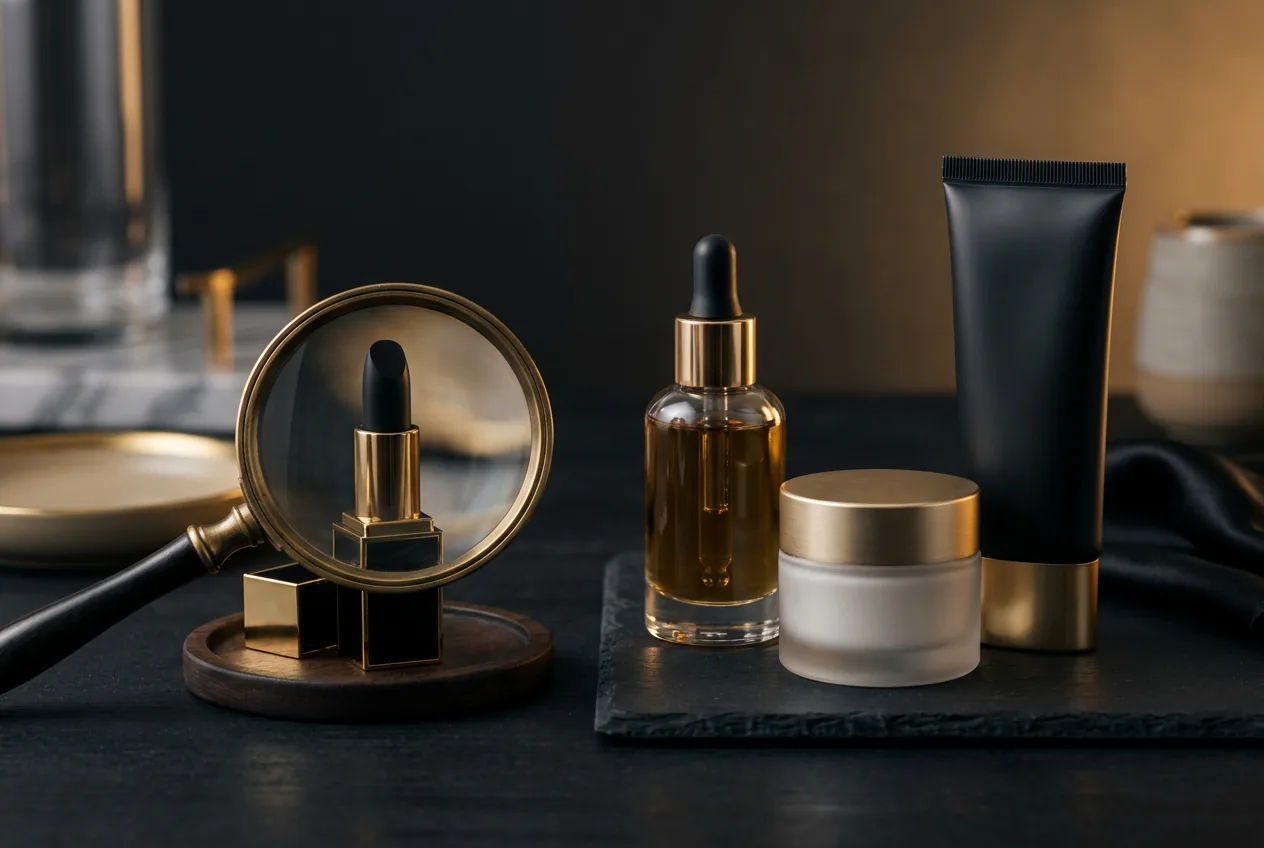
Popularised on social media, "dupes" are cosmetics presented as cheaper alternatives to major brands. Not all are counterfeits, but outside regulated channels some may have a non-compliant composition, contaminants (heavy metals, phthalates), incorrect labelling or no European representative. Sunscreens are the most concerning case: SPF 50+ claims with no effective UV filter. Advice: buy from pharmacies/official distributors, check the INCI, be wary of abnormally low prices. Sources: Regulation (EC) 1223/2009, BEUC, FEBEA.
Summary
Social media is full of videos praising the merits of "dupes", cosmetics presented as much cheaper alternatives to major brands.
Foundation, serum, lipstick or sunscreen: these products promise similar results at a fraction of the price.
But behind some bargains may hide products whose composition, quality or safety does not meet European requirements. Not all "dupes" are dangerous, but they are not all equal.
What is a "dupe"?
The English term "dupe" refers to a product inspired by another, better-known product. Contrary to a common belief, a dupe is not necessarily a counterfeit.
There are several situations:
- a brand legally develops a similar product;
- a manufacturer heavily copies the concept without using the brand;
- a product is a genuine counterfeit, illegally reproducing the original packaging and name.
These situations do not carry the same legal or health implications.
Why are some products a problem?
The main risk does not come only from the price. It comes above all from the absence of quality control.
Cosmetics sold outside regulated channels may present:
- a composition different from the one advertised;
- incorrect concentrations of active ingredients;
- chemical contaminants;
- manufacturing under insufficient hygiene conditions.
The consumer is often unable to verify the real origin of the product.
What are the health risks?
According to several analyses carried out in Europe, some products sold on international platforms may contain:
- heavy metals;
- phthalates;
- substances banned in the European Union;
- preservatives in inappropriate amounts;
- microbiological contaminants.
These anomalies can lead to:
- skin allergies;
- irritation;
- chemical burns;
- infections;
- prolonged exposure to potentially toxic substances.
Fortunately, these situations are mainly observed in products that escape regulatory controls.
The particular case of sunscreens
Sunscreens are probably the most concerning category. University analyses have shown that some creams claiming SPF 50+ contained virtually no effective UV filter.
The risk is twofold:
- the consumer believes they are protected;
- they expose themselves to the sun for longer.
This false sense of security can promote sunburn, skin ageing and, in the long term, increase the risk of skin cancers.
Online sales platforms
Large international platforms make it easy to access millions of products from very different manufacturers. While some comply with regulations, other sellers market products that do not meet European requirements.
The main problems observed concern:
- incomplete ingredient lists;
- incorrect labelling;
- the absence of a legal representative in the European Union;
- insufficient safety information.
This does not mean that all products sold on these platforms are dangerous, but particular vigilance is needed.
How to recognise a safer product?
A few criteria help to limit the risks:
- buy from official distributors or pharmacies;
- check for a complete ingredient list (INCI);
- look for the identity of the manufacturer or the European representative;
- be wary of abnormally low prices;
- avoid products whose packaging seems to imitate a major brand in a misleading way.
Should all "dupes" be avoided?
No. It is important to distinguish:
- a legal product, developed by a recognised brand and compliant with European regulations;
- a counterfeit or a product sold without safety control.
A cheaper cosmetic is not necessarily less safe. Conversely, a product that is very popular on social media is not automatically reliable. The real criterion remains compliance with quality and safety requirements.
What this information does not mean
This alert does not mean that:
- all products sold online are dangerous;
- all Asian cosmetics are of poor quality;
- all "dupes" are counterfeits;
- a high price automatically guarantees better safety.
The origin of the product, its regulatory compliance and the transparency of its manufacturing remain the most important elements.
The Valorian analysis
Social media now strongly influences buying habits, particularly among younger people. The success of "dupes" illustrates this trend, but accessibility must not be confused with safety. In dermatology, the quality of a cosmetic does not depend solely on its marketing or its price, but above all on the rigour of its formulation, its manufacturing control and its toxicological assessment.
At Valorian, we recommend favouring products from recognised manufacturers, distributed through reliable channels and compliant with European regulations. This caution is particularly important for products applied daily or intended for sensitive skin, as well as for sunscreens, whose effectiveness is essential in preventing skin ageing and skin cancers.
Key points
- ◆A "dupe" is not necessarily a counterfeit: it ranges from a legal similar product to an illegal copy of the packaging and name.
- ◆The real risk is not the price but the absence of quality control: non-compliant composition, wrong concentrations, contaminants, insufficient hygiene.
- ◆Products outside regulated channels: possible heavy metals, phthalates, EU-banned substances → allergies, irritation, burns, infections.
- ◆Sunscreens = highest-risk category: SPF 50+ claims without an effective UV filter give a false sense of security (sunburn, ageing, skin cancers).
- ◆To limit risks: buy from pharmacies/official distributors, check the INCI list and the European representative, be wary of abnormally low prices.
Valorian level of evidence
- Scientific quality(4/5)
The article is based on data from the BEUC, the FEBEA and on European regulations. The risks associated with non-compliant products are well documented, even if not all categories of "dupes" present the same level of danger.
- Current clinical application(5/5)
The recommendations are directly applicable in practice: favour reliable distribution channels, check the labelling and avoid products whose origin or compliance cannot be guaranteed.
- Future potential(4/5)
The growth of online commerce and social media will probably require stronger controls and better consumer information to guarantee the safety of cosmetic products.
References
- Règlement européen (CE) n°1223/2009 relatif aux produits cosmétiques.
- Bureau européen des unions de consommateurs (BEUC).
- Fédération des Entreprises de la Beauté (FEBEA).
- Publications sur la sécurité des cosmétiques et les contrôles des plateformes de commerce en ligne.
Frequently asked questions
Is a "dupe" necessarily a counterfeit?
No. A dupe can be a legal product developed by a recognised brand and compliant with European regulations. A counterfeit, by contrast, illegally reproduces the original packaging and name and usually escapes any safety control.
Why are some cheap cosmetics risky?
The risk comes mainly from the absence of quality control: composition different from the advertised one, incorrect active concentrations, chemical or microbiological contaminants, manufacturing in poor hygiene conditions — not simply the low price.
Are "dupe" sunscreens dangerous?
This is the most concerning category. Analyses have shown creams claiming SPF 50+ with no truly effective UV filter. You believe you are protected and stay in the sun longer, which promotes sunburn, skin ageing and skin cancers.
How to recognise a safer product?
Buy from official distributors or pharmacies, check the complete ingredient list (INCI), look for the manufacturer or the European representative, and be wary of abnormally low prices or packaging imitating a major brand.
Should all products bought online be avoided?
No. Not all are dangerous. What matters is the origin of the product, its compliance with European regulations and the transparency of its manufacturing. A high price does not automatically guarantee better safety.
Topics