Everything about skin ageing: why we age and how to keep healthy skin for longer
Medical guide to skin ageing
Skin ageing is a natural process influenced by genetics and, above all, by external factors such as the sun, tobacco and lifestyle. Prevention, photoprotection, healthy habits and aesthetic medicine based on biostimulation make it possible to keep healthy, natural and younger-looking skin for longer.
Ageing is inevitable. Ageing well does depend, in part, on us
The skin changes from the very moment we are born.
From the age of 25-30 the production of collagen, elastin and hyaluronic acid begins to decrease slowly. Over the years wrinkles, loss of firmness, spots and changes in skin texture appear.
However, ageing does not depend solely on the passage of time.
Today we know that an important part of skin ageing is related to factors on which we can act.
Modern medicine no longer simply seeks to remove a wrinkle. Its objective is to preserve the health, quality and function of the skin for as long as possible.
What is skin ageing?
It is a progressive biological process in which the skin loses part of its capacity to regenerate and repair daily damage.
Over time the following decrease:
- Collagen.
- Elastin.
- Hyaluronic acid.
- The capacity for cellular repair.
- The barrier function.
- Sebum production.
As a consequence, visible changes appear as well as functional changes.
There are two types of ageing
Intrinsic ageing. Also called chronological ageing. It mainly depends on:
- Genetics.
- Age.
- Hormonal changes.
It is a natural process that affects all people.
Extrinsic ageing. It is caused by environmental and lifestyle factors. It is, to a large extent, preventable. The main culprits are:
- Ultraviolet radiation.
- Tobacco.
- Pollution.
- Inadequate diet.
- Chronic stress.
- Lack of sleep.
- Alcohol.
- A sedentary lifestyle.
It is estimated that a very important part of the visible ageing of the face is related to these factors.
Photoageing
The sun is the main culprit of premature skin ageing.
Ultraviolet radiation causes:
- Destruction of collagen.
- Alteration of elastin.
- The appearance of spots.
- Dilation of vessels.
- Deep wrinkles.
- Increased risk of skin cancer.
Therefore, daily photoprotection constitutes the most effective preventive measure.
What happens inside the skin?
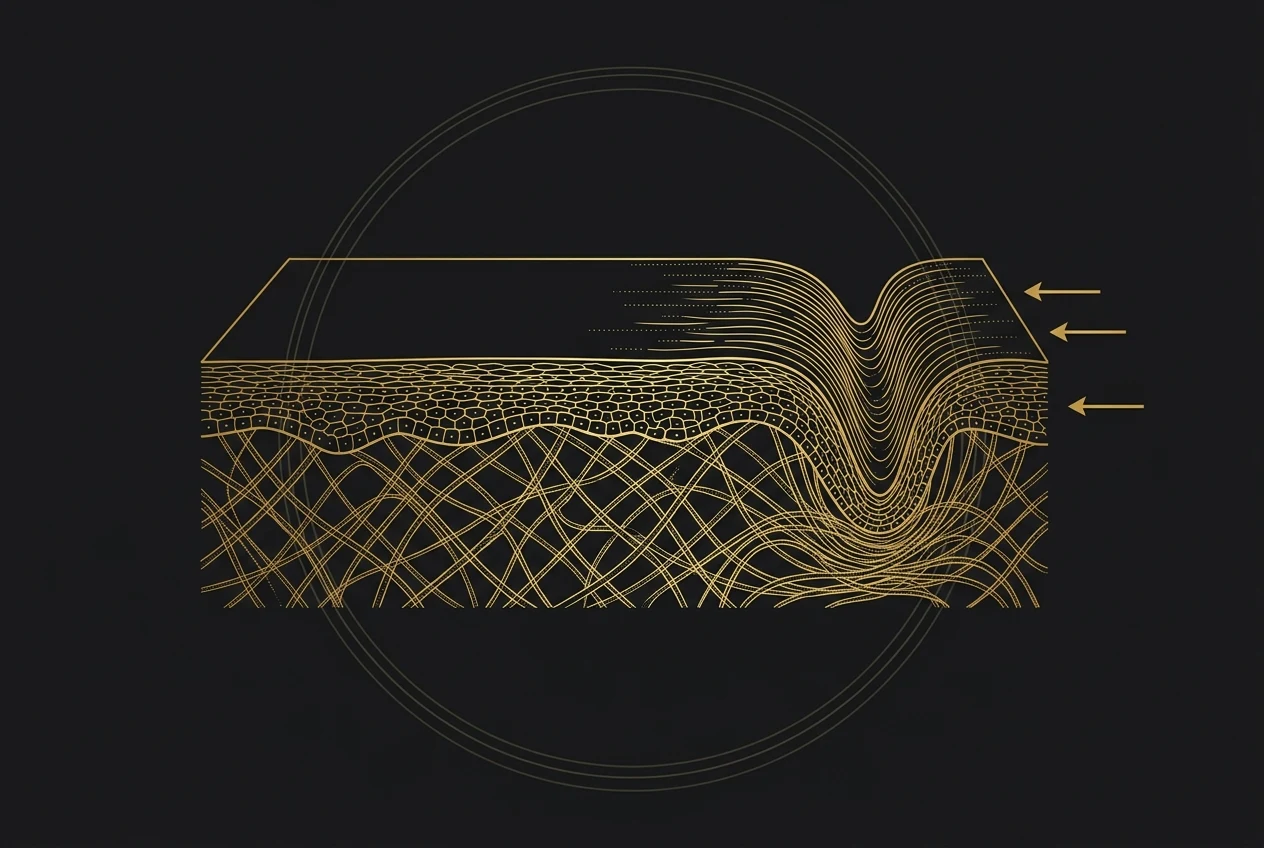
Over the years numerous changes occur:
Epidermis.
- It becomes thinner.
- Cellular renewal decreases.
- The barrier function is altered.
Dermis.
- Collagen decreases.
- Elastin decreases.
- Hyaluronic acid decreases.
- Vascularisation is reduced.
Hypodermis.
- The distribution of fat changes.
- Fat compartments are lost.
- The facial support is modified.
All this explains the changes of the face with age.
Why do wrinkles appear?
Wrinkles have multiple causes.
Among them:
- Repeated movement of the facial muscles.
- Loss of collagen.
- Decrease in elastin.
- Photoageing.
- Dehydration.
- Bone changes.
- Loss of facial fat.
Not all wrinkles are the same. That is why there is no single treatment either.
Why do spots appear?
Spots can be due to different mechanisms:
- Photoageing.
- Melasma.
- Post-inflammatory hyperpigmentation.
- Hormonal changes.
- Solar lentigines.
The correct diagnosis is fundamental before starting any treatment.
What happens during menopause?
The decrease in oestrogens accelerates many skin changes.
It is frequent to observe:
- Lower collagen production.
- Greater dryness.
- Decrease in elasticity.
- Thinning of the skin.
- Greater fragility.
Menopause represents one of the moments of greatest acceleration of skin ageing.
Does diet have an influence?
Yes.
A diet rich in:
- Fruits.
- Vegetables.
- Quality proteins.
- Healthy fats.
- Fibre.
favours the correct functioning of the skin.
On the contrary, an excess of ultra-processed sugars can favour the glycation of collagen and accelerate ageing.
The role of sleep
During sleep numerous mechanisms of cellular repair are activated.
Sleeping little favours:
- Inflammation.
- Dark circles.
- Loss of radiance.
- Slower recovery of the skin.
Sleeping well is part of the anti-ageing treatment.
Physical exercise
Regular physical activity improves:
- Circulation.
- Oxygenation.
- Insulin sensitivity.
- Systemic inflammation.
- General wellbeing.
All this has a positive repercussion on the skin.
Can ageing be prevented?
We cannot prevent time from passing.
We can, however, slow a good part of extrinsic ageing.
The measures with the most scientific evidence are:
- Daily photoprotection.
- Not smoking.
- A balanced diet.
- Sleeping adequately.
- Physical exercise.
- Maintaining a healthy weight.
- Treating skin diseases early.
Aesthetic medicine based on prevention
Modern aesthetic medicine has evolved enormously.
Today the objective is no longer to transform a face.
The true objective consists of:
- Preserving identity.
- Maintaining the quality of the skin.
- Stimulating the natural production of collagen.
- Delaying visible ageing.
- Obtaining natural results.
The best treatments are those that make a person look rested, healthy and natural, without losing their features.
Available treatments
Depending on the needs of each patient the following may be used:
- Neuromodulators for expression wrinkles.
- Hyaluronic acid to restore proportions and correct volume losses when indicated.
- Collagen biostimulators.
- Polynucleotides.
- Skinboosters.
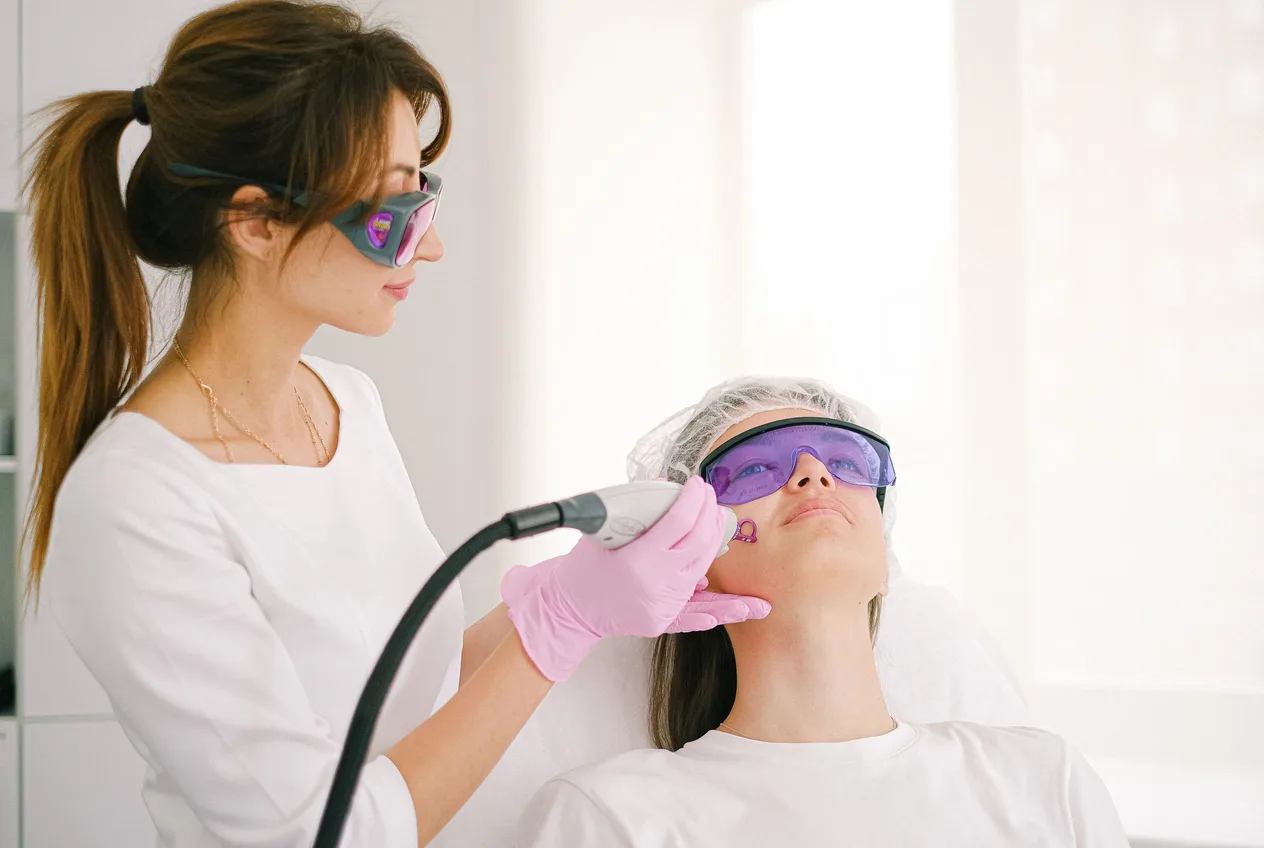
- Fractional lasers.
- Intense pulsed light.
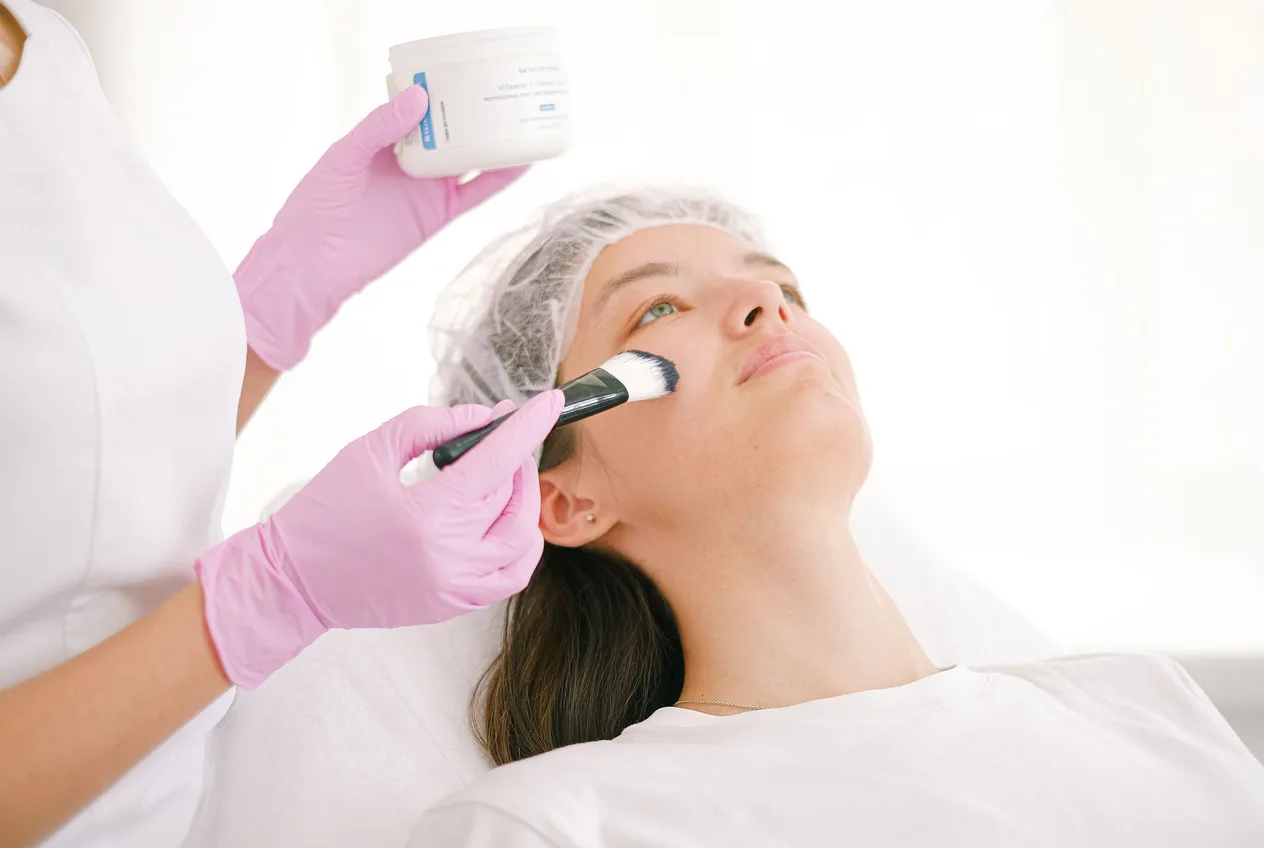
- Medical peels.
- Radiofrequency technologies and other energy sources.
- Regenerative medicine in selected patients.
There is no universal treatment. The best plan is always the one that adapts to the characteristics of each person.
When should I start taking care of ageing?
There is no exact age.
Prevention begins from youth through:
- Photoprotection.
- Good lifestyle habits.
- Daily skin care.
Medical treatments are individualised according to the needs of each patient and not only according to age.
Frequent mistakes
- Thinking that sunscreen should only be used in summer.
- Waiting for ageing to be very advanced to start taking care of oneself.
- Seeking exaggerated changes instead of natural results.
- Using treatments without a previous diagnosis.
- Neglecting diet, sleep and exercise.
Myths and facts
- Myth: Wrinkles appear only because of age. Fact: The sun, tobacco and lifestyle notably accelerate ageing.
- Myth: Creams eliminate all wrinkles. Fact: Creams improve the quality of the skin, but on their own they cannot correct all the signs of ageing.
- Myth: Aesthetic medicine consists of changing the face. Fact: Modern aesthetic medicine seeks natural results and to preserve the identity of each person.
- Myth: When the first wrinkles appear it is already too late. Fact: It is never too late to improve the health of the skin and slow ageing.
- Myth: Ageing well depends only on genetics. Fact: Lifestyle habits have an enormous influence on the appearance and health of the skin.
The essential points to remember
- Skin ageing is a natural process, but a large part of visible ageing can be slowed.
- Ultraviolet radiation is the main factor responsible for photoageing.
- Diet, sleep, exercise and the absence of tobacco are fundamental pillars for maintaining healthy skin.
- Current aesthetic medicine seeks to preserve identity and improve the quality of the skin with natural results.
- Treatments must be personalised according to the needs of each patient.
- Taking care of the skin does not mean trying to stop ageing, but doing it in the healthiest, most harmonious and natural way possible.
Frequently asked questions
At what age does the skin start to age?
The first biological changes begin around 25-30 years, although they usually become visible later.
What is the main culprit of premature ageing?
Chronic exposure to ultraviolet radiation.
Does sleeping little age the skin?
Yes. Sleep is essential for cellular repair.
Does diet have an influence?
A lot. A balanced diet favours skin health and helps to reduce inflammation.
Is it possible to prevent wrinkles?
Not completely, but it is possible to significantly delay their appearance and reduce their intensity.
Should aesthetic medicine start when there are already many wrinkles?
Not necessarily. Today, prevention and the maintenance of healthy skin are prioritised.
Does exercise improve the skin?
Yes. It favours circulation, reduces inflammation and contributes to general wellbeing.
Do regenerative treatments replace a healthy lifestyle?
No. They are complementary and their results also depend on the patient's habits.
What is the best anti-ageing treatment?
The combination of daily photoprotection, healthy habits, medical skin care and personalised treatments when indicated.
Can one age naturally and look good?
Yes. That is precisely the objective of preventive medicine and modern aesthetic medicine.
Need personalised guidance?
This guide is for information only and does not replace a medical consultation. For an assessment tailored to your case, you may request a consultation.
Request a consultation