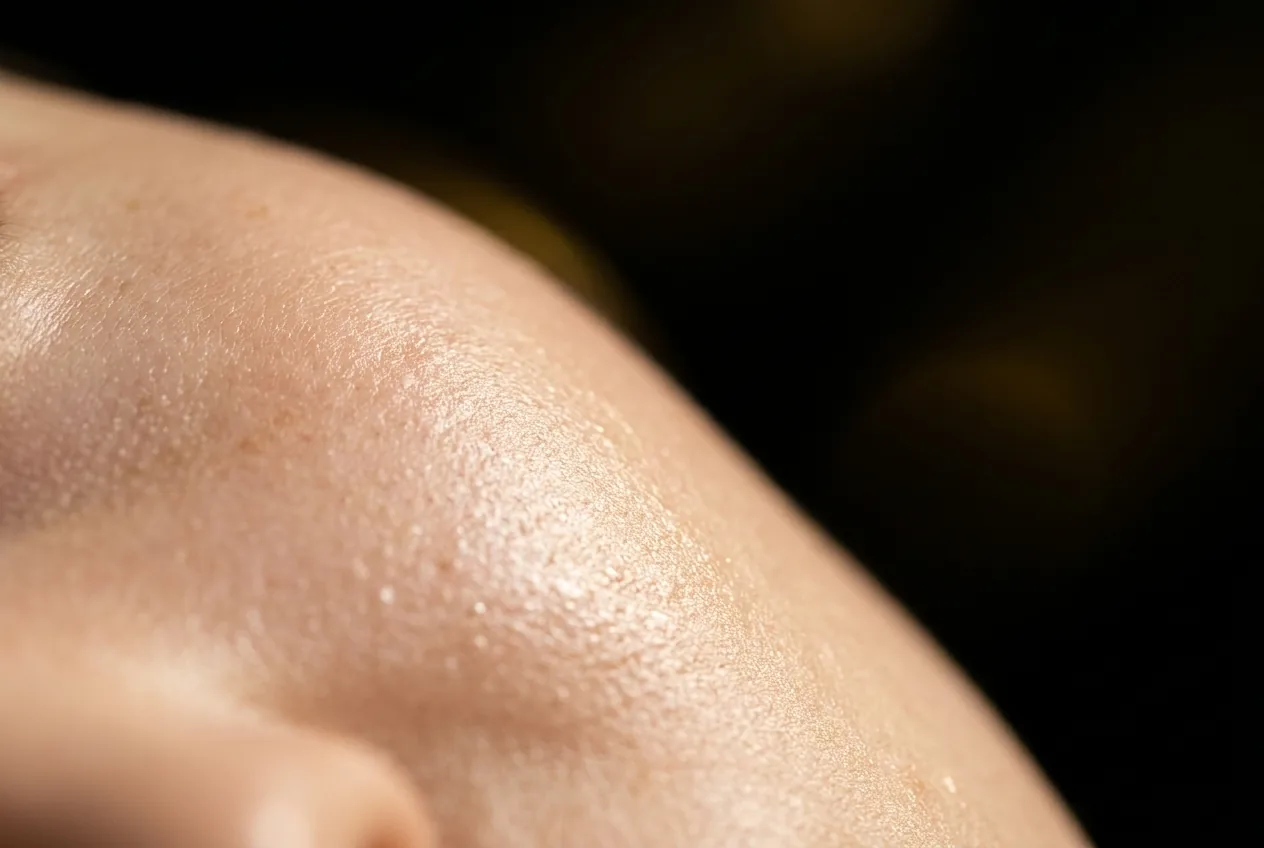
Acne is a very common inflammatory skin disease that can affect both teenagers and adults. Learn about its causes, symptoms, available treatments and the daily care recommended to prevent breakouts and scars.
What is acne?
Acne is an inflammatory skin disease that affects the pilosebaceous unit, made up of the hair follicle and the sebaceous gland. It is one of the most common skin diseases and can appear in both teenagers and adults.
It is characterised by blackheads, whiteheads, inflamed spots and, in some cases, deeper nodules or cysts. Lesions usually appear on the face, chest, shoulders and back, although they can develop on other areas of the body.
Although acne poses no risk to general health, it can significantly affect self-esteem and, if not treated properly, leave permanent scars.
Why does it appear?
Acne is not caused by poor hygiene. It develops through a combination of several factors:
- Excess oil (sebum) production.
- Clogged pores from a build-up of dead skin cells.
- Proliferation of a common skin bacterium called Cutibacterium acnes.
- Skin inflammation.
There are also factors that can trigger or worsen it:
- Hormonal changes (puberty, menstruation, pregnancy or menopause).
- Family history.
- Stress.
- Certain medications.
- Unsuitable or overly oily cosmetics.
- Squeezing or picking at spots.
In some people, a diet high in high-glycaemic-index foods (such as pastries, soft drinks or sweets) may promote acne. Some studies also suggest that a high intake of skimmed milk could play a role in certain patients, although this does not occur in every case.
What are the symptoms?
Acne can appear in different forms and with varying intensity. The most common lesions are:
- Blackheads (open comedones).
- Whiteheads (closed comedones).
- Papules (red spots).
- Pustules (spots with pus).
- Nodules and cysts, which are deeper, painful lesions.
Over time, dark or reddish marks and permanent scars may appear if inflammation has been intense or lesions are manipulated.
Acne is not contagious. It can last several years and evolve in flare-ups, alternating periods of improvement and worsening.
How is it diagnosed?
In most cases, diagnosis is made simply by examining the skin during the medical consultation. Additional tests are generally not needed.
In some women with late-onset acne, menstrual irregularities, excess body hair or hair loss, the doctor may request a hormonal work-up to rule out endocrine disorders such as polycystic ovary syndrome or other, less frequent causes.
What treatments are available?
Treatment depends on the type of acne, its severity and the risk of scarring. Therapeutic options may include:
- Retinoid creams or gels.
- Benzoyl peroxide.
- Azelaic acid.
- Topical antibiotics in specific situations.
- Oral antibiotics.
- Hormonal treatments in selected women.
- Oral isotretinoin in moderate or severe cases, always under medical supervision.
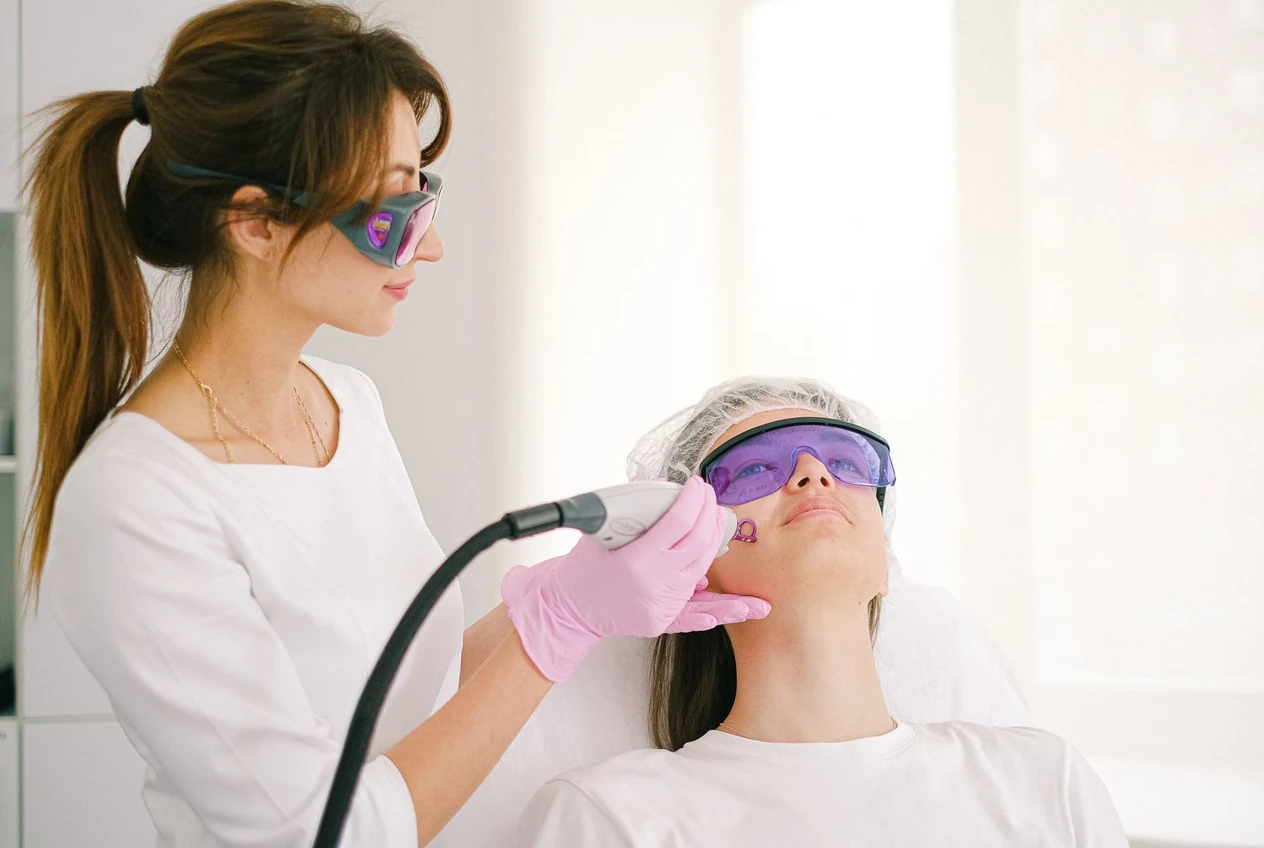
When acne has already left marks or scars, there are specific treatments to improve their appearance, such as microneedling, chemical peels, fractional laser or certain aesthetic medicine procedures.
Treatment requires consistency. Results usually begin to show after several weeks.
What can you do day to day?
A few simple habits help keep acne under better control:
- Cleanse the skin twice a day with a gentle cleanser.
- Use products labelled "non-comedogenic".
- Apply sun protection every day.
- Do not pick or squeeze spots.
- Remove make-up properly before going to bed.
- Keep a consistent skincare routine.
- Follow the treatment exactly as prescribed by the doctor.
There is no need to wash your face many times a day. Over-cleansing can irritate the skin and worsen inflammation.
When should you seek prompt medical advice?
Seek medical assessment if:
- Painful nodules or cysts appear.
- Scars begin to develop.
- Acne worsens rapidly.
- The treatments used bring no improvement after several weeks.
- Acne appears suddenly in adulthood along with other hormonal symptoms.
- The psychological impact is significant and affects quality of life.
Myths and facts
- Myth: Acne appears because the skin is dirty. Fact: No. Acne is an inflammatory disease and is not due to a lack of hygiene.
- Myth: Popping spots helps them go away faster. Fact: On the contrary. Manipulating lesions increases the risk of infection, inflammation and scarring.
- Myth: The sun cures acne. Fact: Sun exposure may bring temporary improvement, but tends to trigger new flare-ups afterwards and increases the risk of marks and skin ageing.
- Myth: Make-up is forbidden. Fact: Make-up can be used if it is non-comedogenic and properly removed at the end of the day.
- Myth: Isotretinoin is dangerous and should be avoided. Fact: It is one of the most effective treatments for moderate to severe acne when correctly indicated and supervised by a doctor.
The key points to remember
- Acne is a very common and treatable disease.
- It is not caused by poor hygiene.
- It is not a contagious disease.
- Squeezing spots increases the risk of scarring.
- Treatment must be maintained consistently to achieve results.
- Daily sun protection is part of the treatment.
- Seeking advice early helps prevent permanent scars.
- Effective treatments exist for virtually every grade of acne.
Frequently asked questions
Does acne go away on its own?
In many people it improves with age, but others may have persistent acne into adulthood.
Can I wear make-up?
Yes, as long as it is non-comedogenic.
Should I stop eating chocolate?
There is no evidence that chocolate alone causes acne in most people.
Does stress make acne worse?
Yes. It can trigger flare-ups in some people.
Is it normal to have acne after the age of 30?
Yes. Adult acne is increasingly common, especially in women.
How long does treatment take to work?
Usually between 6 and 12 weeks.
Does acne leave scars?
It can if inflammation is intense or lesions are manipulated.
Does moisturiser make acne worse?
No, provided it is suitable for acne-prone skin.
Do I always need antibiotics?
No. Many cases are controlled with topical treatments alone.
Can it be cured for good?
In many patients it can be very well controlled, although some people experience relapses and may need maintenance treatment.
Need personalised guidance?
This guide is for information only and does not replace a medical consultation. For an assessment tailored to your case, you may request a consultation.
Request a consultationTopics