Acne scars
Causes and treatments to improve their appearance naturally
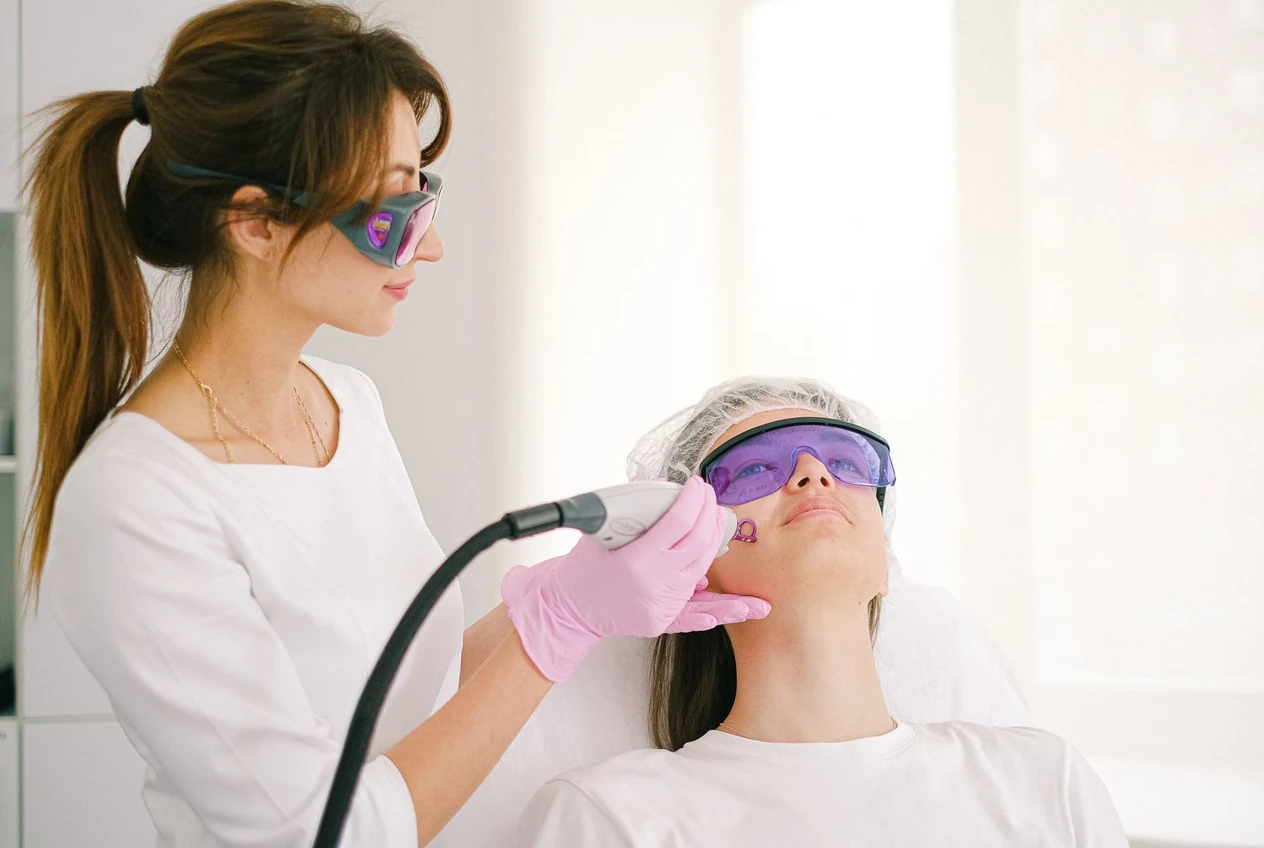
Acne scars can improve significantly through personalised treatments such as fractional laser, microneedling, subcision or TCA CROSS. Discover what options exist and how to prevent new scars with early acne treatment.
What are acne scars?
Acne scars are permanent alterations of the skin that appear as a consequence of the inflammation produced by acne.
Not all people with acne develop scars. The risk increases when there are intense inflammatory lesions, delay in treatment or repeated manipulation of the pimples.
There are currently multiple medical treatments that make it possible to significantly improve their appearance, although no treatment can completely eliminate a scar. The objective is to achieve more uniform and natural skin.
Why do they appear?
When an acne flare-up produces intense inflammation, the skin can destroy part of its normal structure. During repair, the body produces new collagen. If this process is insufficient or excessive, scars appear.
Factors that increase the risk: moderate or severe inflammatory acne, delaying acne treatment, manipulating or squeezing pimples, genetic predisposition and repeated flare-ups over years.
The best way to prevent scars is to treat acne early.
What types of scars exist?
Atrophic scars. They are the most frequent. They are produced by loss of collagen and tissue. They include:
- Ice pick: very narrow, deep and with the appearance of small holes.
- Boxcar: wider, with well-defined edges and a flat bottom.
- Rolling: undulating, they produce soft irregularities on the surface of the skin.
Hypertrophic scars. They are raised and remain within the limit of the original lesion. They are more frequent on the back, the chest and the jaw.
Keloids. They are raised scars that exceed the limits of the initial lesion. Not all people have a predisposition to develop them.
What alterations can accompany them?
In addition to scars, there may be red spots (post-inflammatory erythema), brown spots (post-inflammatory hyperpigmentation), enlarged pores, texture alterations and the persistence of active acne.
It is important to treat the acne first before starting the treatment of the scars.
How are they diagnosed?
The diagnosis is made by means of a medical assessment. The specialist will analyse the type of scar, the depth, the extent, the phototype, the quality of the skin and the presence of active acne.
Each type of scar requires a different treatment.
What treatments exist?
The combination of techniques usually offers the best results.
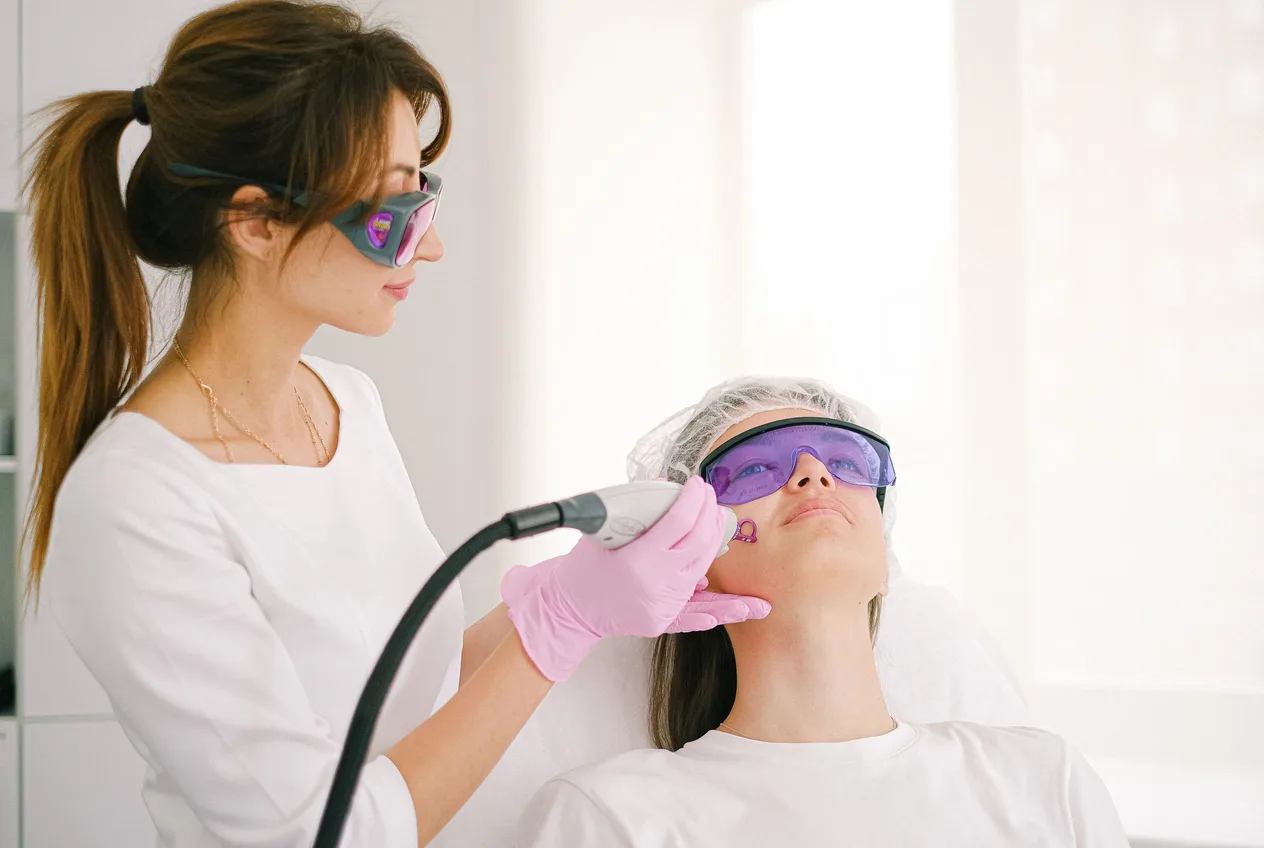
Fractional lasers. They are one of the most effective treatments. They make it possible to stimulate the production of new collagen and improve the depth of the scars, the texture and the skin quality. Fractional CO₂ lasers are especially useful in moderate or deep scars.
Microneedling. The microneedles stimulate the formation of collagen and progressively improve the surface of the skin. It can be combined with other regenerative treatments.
Subcision. It is especially indicated for rolling-type scars. It consists of releasing the fibrous bands that pull the skin downwards.
Medical peels. Some peels improve superficial scars, texture and residual spots.
Biostimulation. Collagen biostimulators can improve the overall quality of the skin and complement other treatments.
Hyaluronic acid fillers. In certain depressed scars they can be used to temporarily elevate the skin surface.
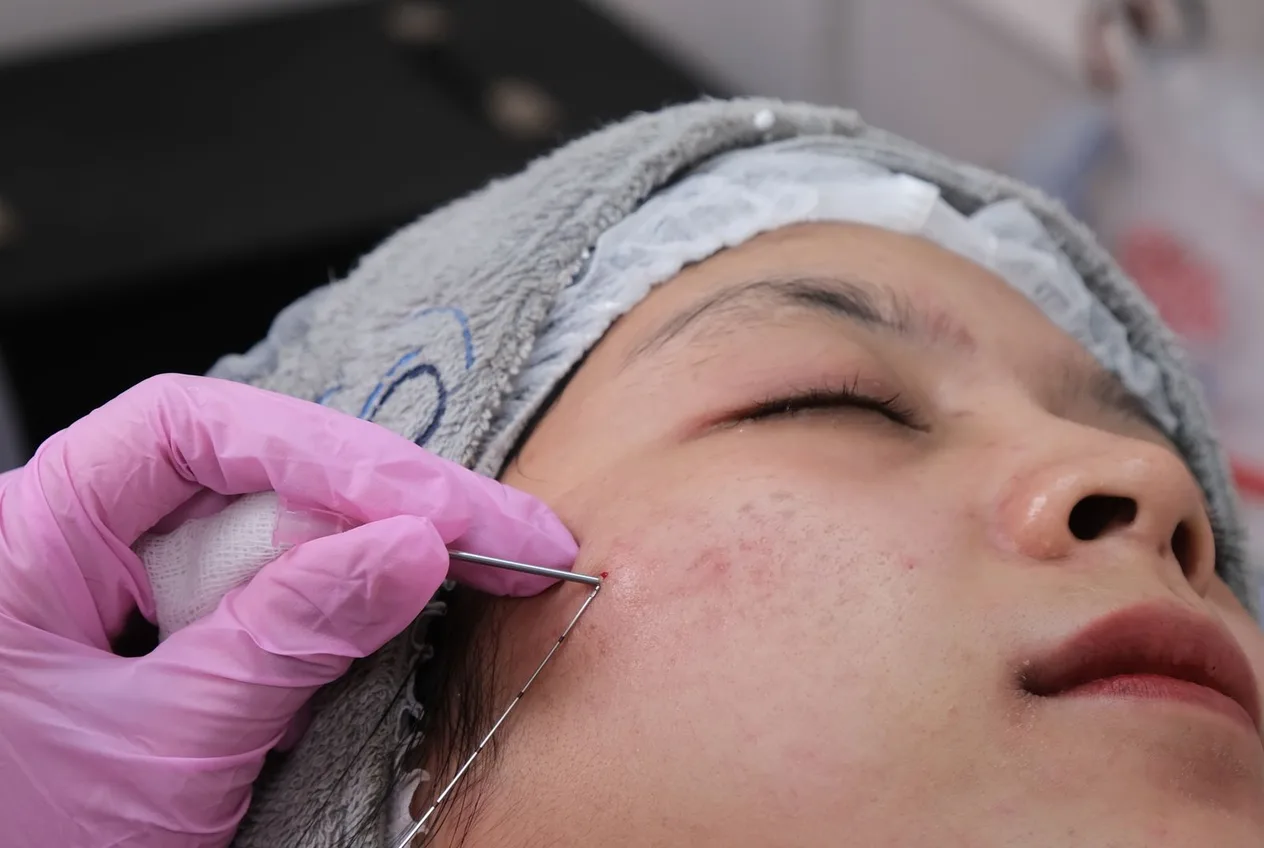
CROSS with trichloroacetic acid (TCA). It is a technique especially useful for some deep ice pick-type scars. It must be performed by an experienced doctor.
PRP (Platelet-Rich Plasma). It can be used as a complementary treatment to favour tissue regeneration.
What results can be expected?
Scars can improve significantly, but it is essential to maintain realistic expectations. Usually, greater uniformity, a reduction in depth, better texture, collagen stimulation and a more natural appearance are achieved.
Several sessions are frequently necessary.
What can you do to prevent new scars?
Treat acne early, do not manipulate the pimples, use sunscreen daily, follow the treatment prescribed by your doctor specialising in skin health and consult if significant flare-ups appear.
Prevention remains the best treatment.
When to consult?
It is advisable to consult when acne leaves permanent marks, there are depressed scars, spots persist after acne, acne continues to be active, the scars affect self-esteem or you want to know the available treatment options.
Myths and facts
- Myth: Scars disappear with creams. Fact: Creams can improve the quality of the skin, but established scars usually require medical procedures.
- Myth: A single treatment eliminates all scars. Fact: A combination of techniques and several sessions is generally needed.
- Myth: You have to wait many years before treating scars. Fact: Once active acne is controlled, many scars can begin to be treated early.
- Myth: All scars are the same. Fact: There are different types and each requires a specific treatment.
- Myth: If I have scars, it is no longer worth treating the acne. Fact: Controlling acne prevents the appearance of new scars and facilitates subsequent treatments.
The essential points to remember
- Acne scars are a consequence of the inflammation produced by acne.
- Prevention through early treatment of acne is fundamental.
- There are different types of scars and each requires a specific approach.
- The combination of techniques usually offers the best results.
- The objective is to significantly improve the texture and the appearance of the skin.
- A personalised diagnosis is essential to design the most appropriate treatment.
Frequently asked questions
Can scars disappear completely?
No. The objective is to improve them significantly, not to make them disappear completely.
What is the best treatment?
It depends on the type of scar. In many cases several techniques are combined to obtain better results.
How many sessions will I need?
It depends on the depth and extent of the scars. Several sessions are usually necessary.
Is the treatment painful?
Most procedures are performed with topical or local anaesthesia to minimise discomfort.
Can I treat the scars if I still have acne?
Active acne must be controlled first, although some treatments can combine both strategies.
Does the laser eliminate all scars?
No. It is one of the most effective treatments, but it is usually part of a combined therapeutic plan.
Are acne spots scars?
No. Red or brown spots are alterations of pigmentation or redness and, in many cases, disappear over time.
Is sun protection important?
Yes. It reduces the risk of hyperpigmentation and favours a better recovery after treatments.
Are the results permanent?
The improvement achieved is usually maintained, as long as the acne remains controlled.
When should I start the treatment?
As soon as possible once the inflammatory acne is controlled, to avoid the scars becoming more evident over time.
Need personalised guidance?
This guide is for information only and does not replace a medical consultation. For an assessment tailored to your case, you may request a consultation.
Request a consultation