Dark circles
Causes and treatments to rejuvenate the gaze naturally
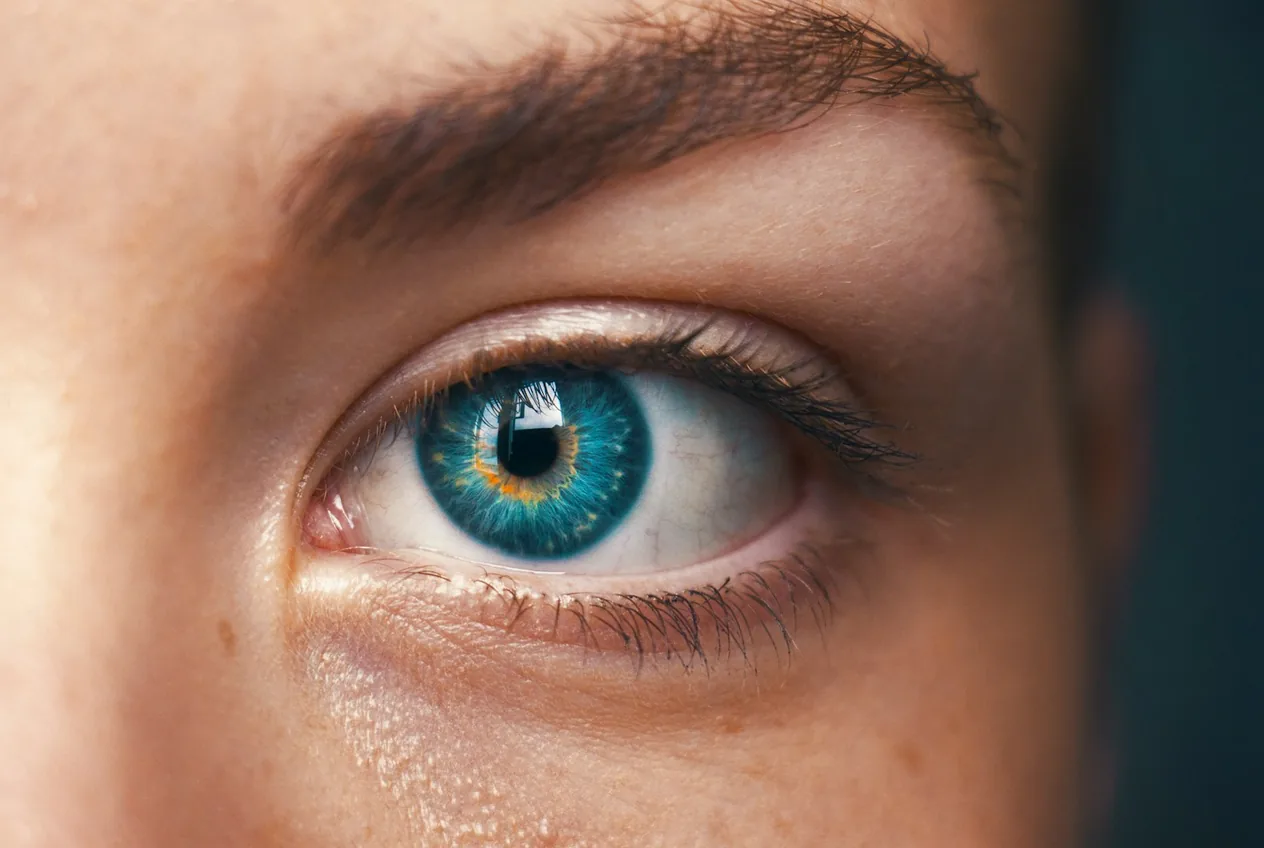
Dark circles can be due to loss of volume, pigmentation or visible vessels. Learn about the causes and the most effective medical treatments, such as polynucleotides, skinboosters or hyaluronic acid, to achieve a more luminous and rested gaze.
What are dark circles?
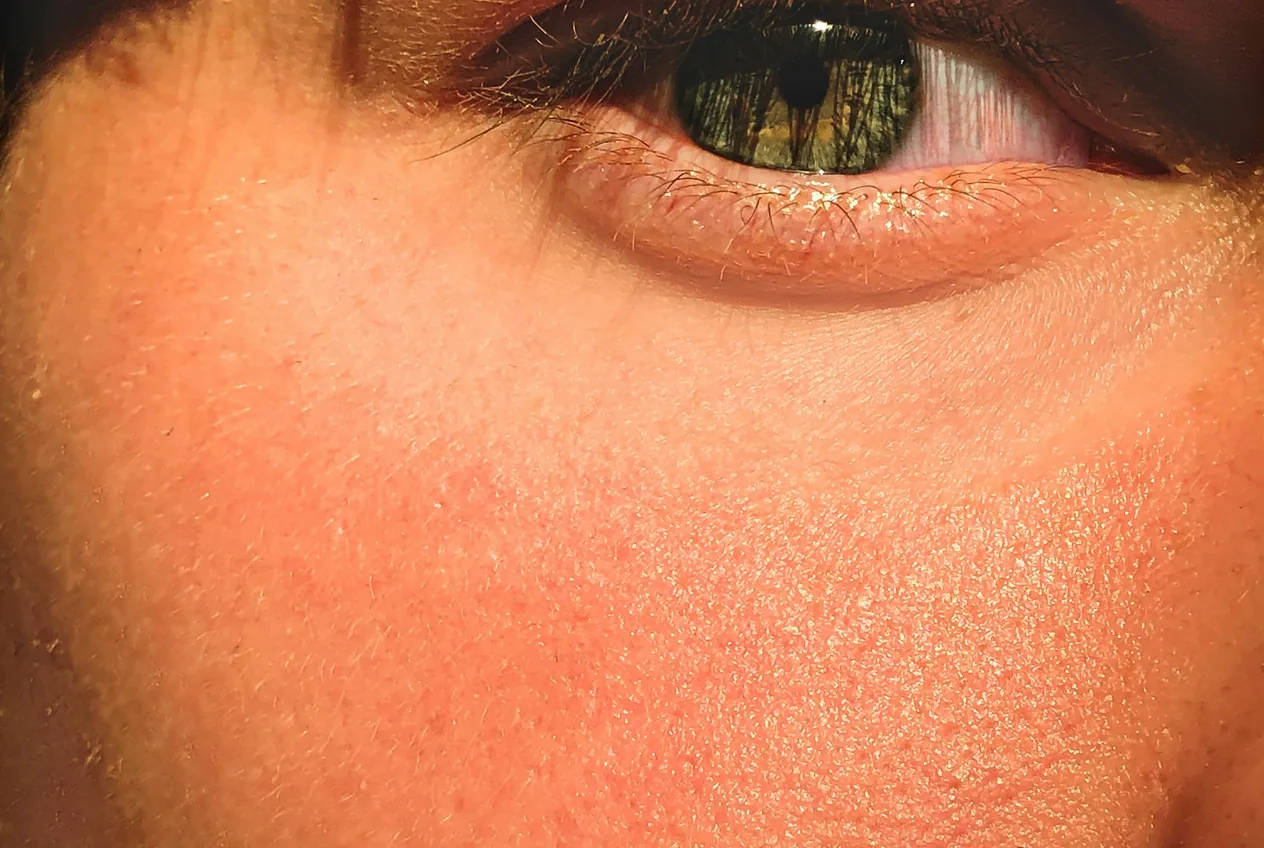
Dark circles are an aesthetic alteration characterised by a darkening, hollowing or change of colour of the region located under the eyes.
They do not constitute a disease, but they are one of the most frequent reasons for consultation in aesthetic medicine, since they can convey an appearance of tiredness, sadness or ageing even in young people.
It is important to know that not all dark circles are the same, and that the treatment depends on their cause.
Why do they appear?
Dark circles can have one or several origins.
Genetic predisposition. In many people, dark circles are hereditary and appear from an early age.
Loss of volume. With ageing, the fat surrounding the eye decreases and the tear trough becomes deeper. This generates shadows that make the dark circle appear more marked.
Pigmentation. Some people present an increase of melanin in the skin of the lower eyelid, giving rise to brown-coloured dark circles. They are more frequent in certain phototypes and can be favoured by repeated rubbing, as occurs in patients with atopic dermatitis or allergies.
Vascular component. The skin around the eyes is very thin. The blood vessels located beneath it can become visible, giving a bluish or purplish tone.
Skin laxity. Over the years, the skin loses collagen and elasticity, which increases the visibility of the deep structures.
Factors that aggravate them. Dark circles can become more evident due to lack of sleep, stress, tobacco, sun exposure, allergies, dehydration and fatigue. These factors usually worsen already existing dark circles, but are rarely the main cause.
What types of dark circles exist?
We generally distinguish four types:
- Pigmented dark circles.
- Vascular dark circles.
- Hollowing dark circles (tear trough).
- Mixed dark circles.
Many people present a combination of several mechanisms.
How are they diagnosed?
The diagnosis is made by means of a clinical examination. The doctor will assess the colour, the depth, the quality of the skin, the presence of bags, the laxity, the facial anatomy and the phototype.
Correctly identifying the origin of the dark circle is fundamental to choosing the most appropriate treatment.
What treatments exist?
Each type of dark circle requires a different approach.
Medical cosmetics. They can include mild retinoids, vitamin C, niacinamide, antioxidants, topical hyaluronic acid and photoprotection. They help improve the quality of the skin, although their results are usually limited when there is loss of volume.
Polynucleotides. They favour skin regeneration and improve elasticity, luminosity and tissue quality. They are especially useful when there is thin and aged skin.
Skinboosters. They improve the deep hydration of the eye contour and the skin quality.
Hyaluronic acid. In selected patients it can correct the hollowing of the tear trough. It must be performed only by experienced doctors due to the anatomical complexity of this area.
Lasers and light devices. In certain cases they can improve pigmentation, visible vessels and skin quality. The indication depends on the type of dark circle.
Medical peels. Some superficial peels help improve pigmented dark circles.
What results can be expected?
The objectives of the treatment are to reduce the appearance of tiredness, improve luminosity, reduce hollowing, attenuate pigmentation when possible and achieve a natural result.
In many cases the improvement is significant, although it is not always possible to completely eliminate the dark circles.
What can you do in your daily life?
- Sleep a sufficient number of hours.
- Use sunscreen daily.
- Avoid tobacco.
- Adequately treat allergies if they exist.
- Use specific cosmetics for the eye contour.
- Maintain good hydration.
When to consult?
It is advisable to consult when the dark circles are permanent, there is significant hollowing, they appear progressively, they concern you from an aesthetic point of view or you want to know the most appropriate treatment options.
Myths and facts
- Myth: Dark circles appear only due to lack of sleep. Fact: Genetics and facial anatomy are the main responsible factors in most cases.
- Myth: All dark circles are treated with hyaluronic acid. Fact: Only some hollowing dark circles can benefit from this treatment.
- Myth: Creams completely eliminate dark circles. Fact: They can improve the quality of the skin, but they do not correct all causes.
- Myth: Bags and dark circles are the same thing. Fact: No. Bags correspond to an excess or protrusion of fat, whereas dark circles can be due to pigmentation, visible vessels or loss of volume.
- Myth: The treatment must be the same for everyone. Fact: Each patient needs a personalised plan according to the type of dark circle.
The essential points to remember
- Dark circles can be due to pigmentation, visible vessels, loss of volume or a combination of these factors.
- Genetics plays a very important role.
- There is no single treatment valid for all patients.
- A medical assessment is essential to identify the cause.
- Current treatments make it possible to notably improve the appearance of the gaze.
- The objective is to achieve a natural and harmonious result.
Frequently asked questions
Are dark circles hereditary?
Yes. In many patients there is a clear genetic component.
Does sleeping more eliminate them?
It only improves dark circles related to fatigue. It does not correct those of anatomical origin.
Is hyaluronic acid suitable for all of them?
No. It is only indicated in certain cases of hollowing of the tear trough.
Are the treatments permanent?
No. Some require maintenance sessions.
Can pigmented dark circles improve?
Yes, although the response depends on the cause and the type of pigmentation.
Does the sun worsen dark circles?
Yes. It can increase pigmentation and accelerate the ageing of the skin.
Do men also consult for dark circles?
Yes. It is an increasingly frequent consultation.
Can treatments be combined?
Yes. Procedures are often combined to obtain a more complete and natural result.
Do dark circles indicate a disease?
Usually not. In most cases they have an anatomical or genetic origin.
What is the objective of the treatment?
To reduce the appearance of tiredness and rejuvenate the gaze while always respecting naturalness.
Need personalised guidance?
This guide is for information only and does not replace a medical consultation. For an assessment tailored to your case, you may request a consultation.
Request a consultation