Atopic dermatitis is a chronic inflammatory disease that causes dry skin, intense itching and eczema flare-ups. Learn about its causes, the available treatments and the daily care that helps keep the skin under control.
What is atopic dermatitis?
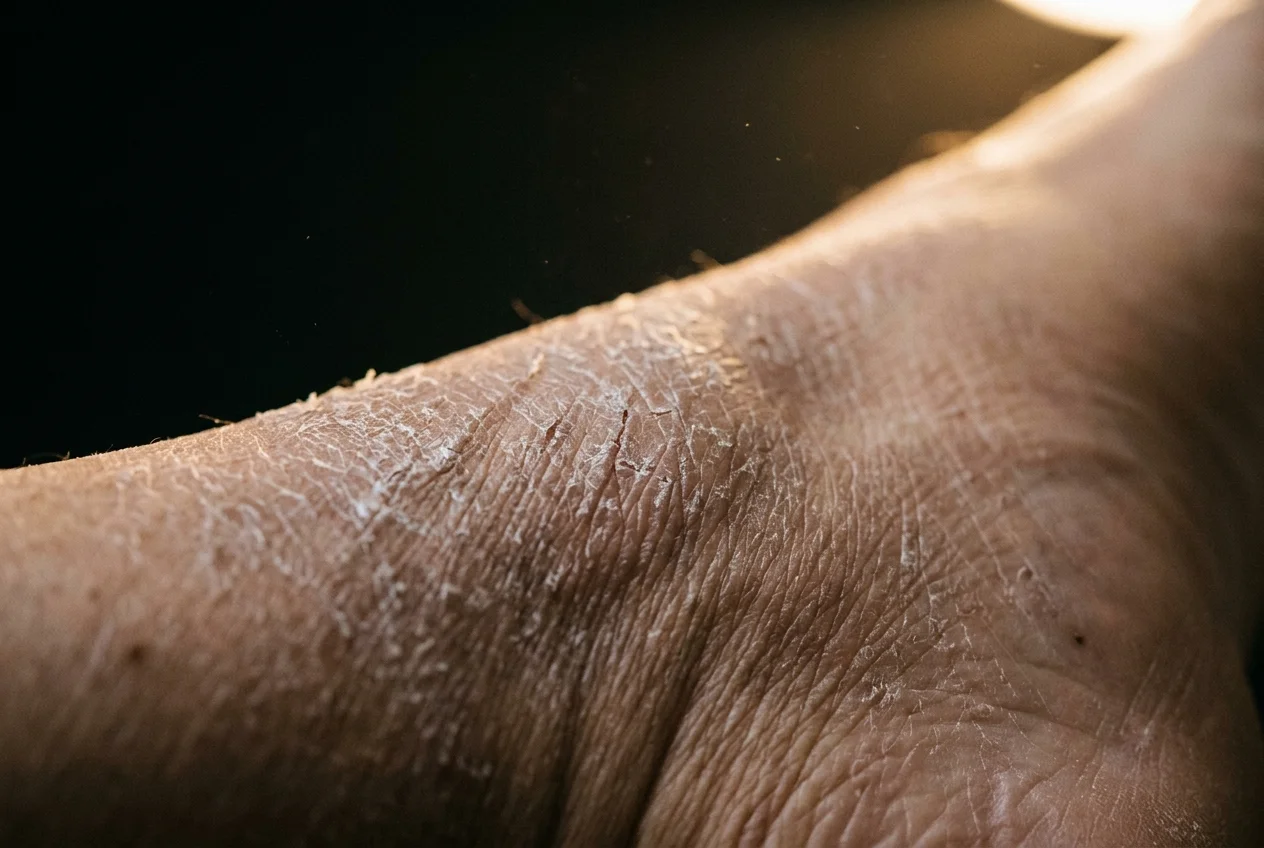
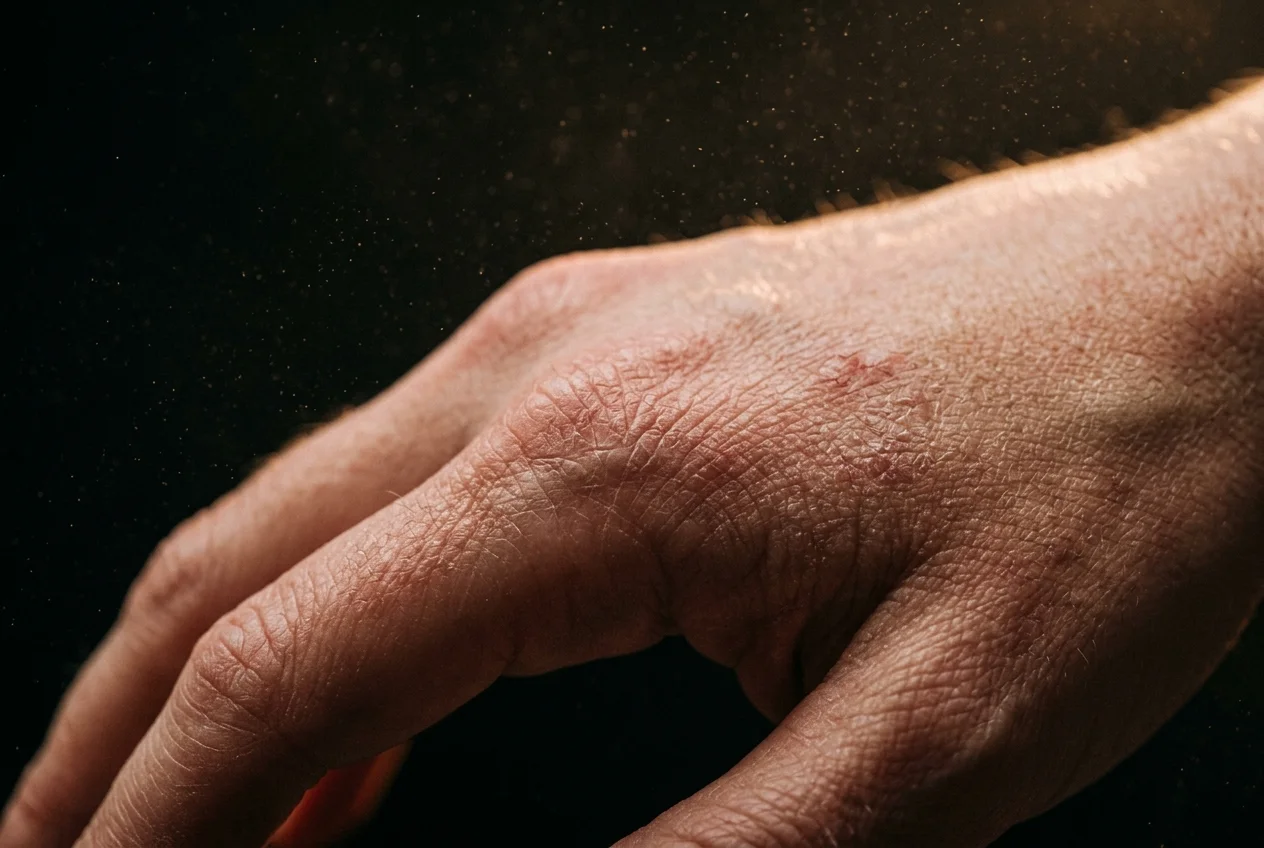
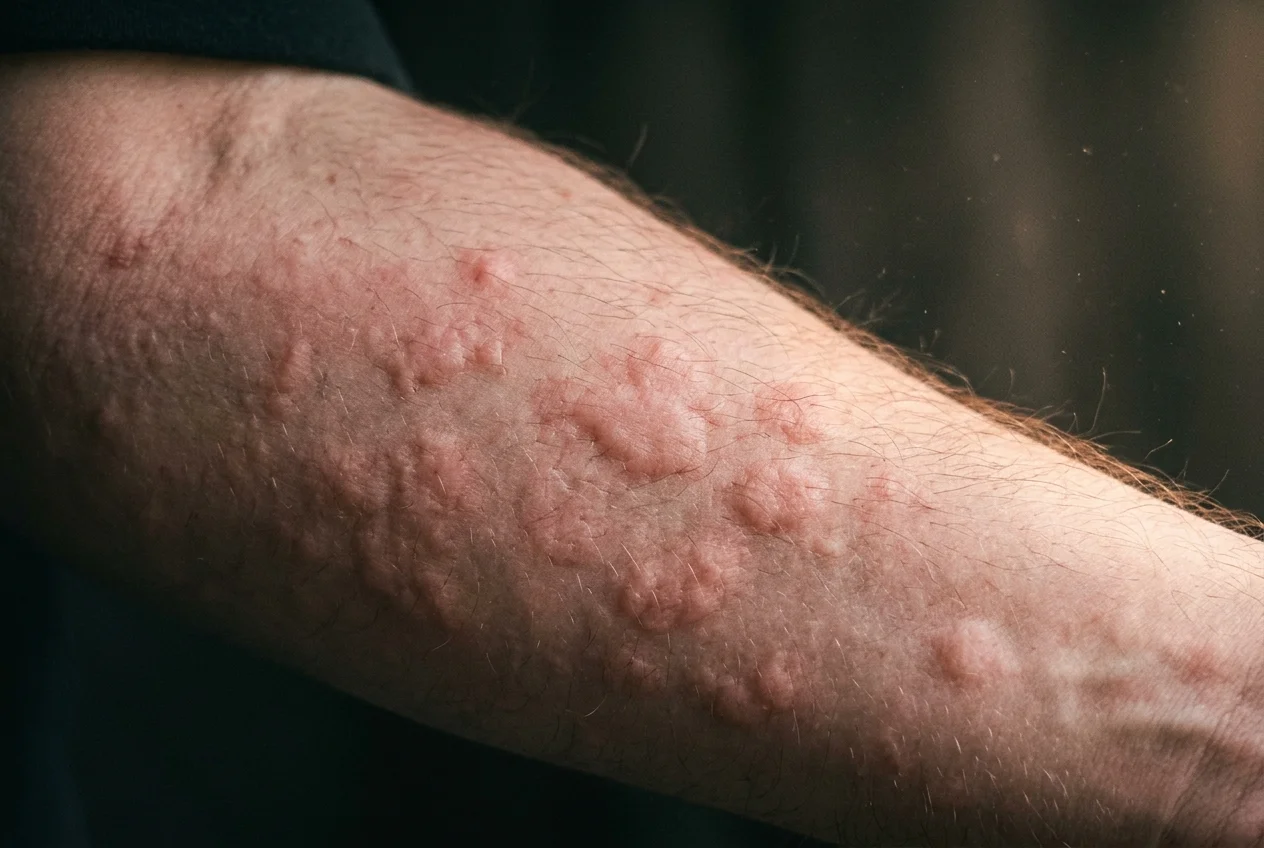
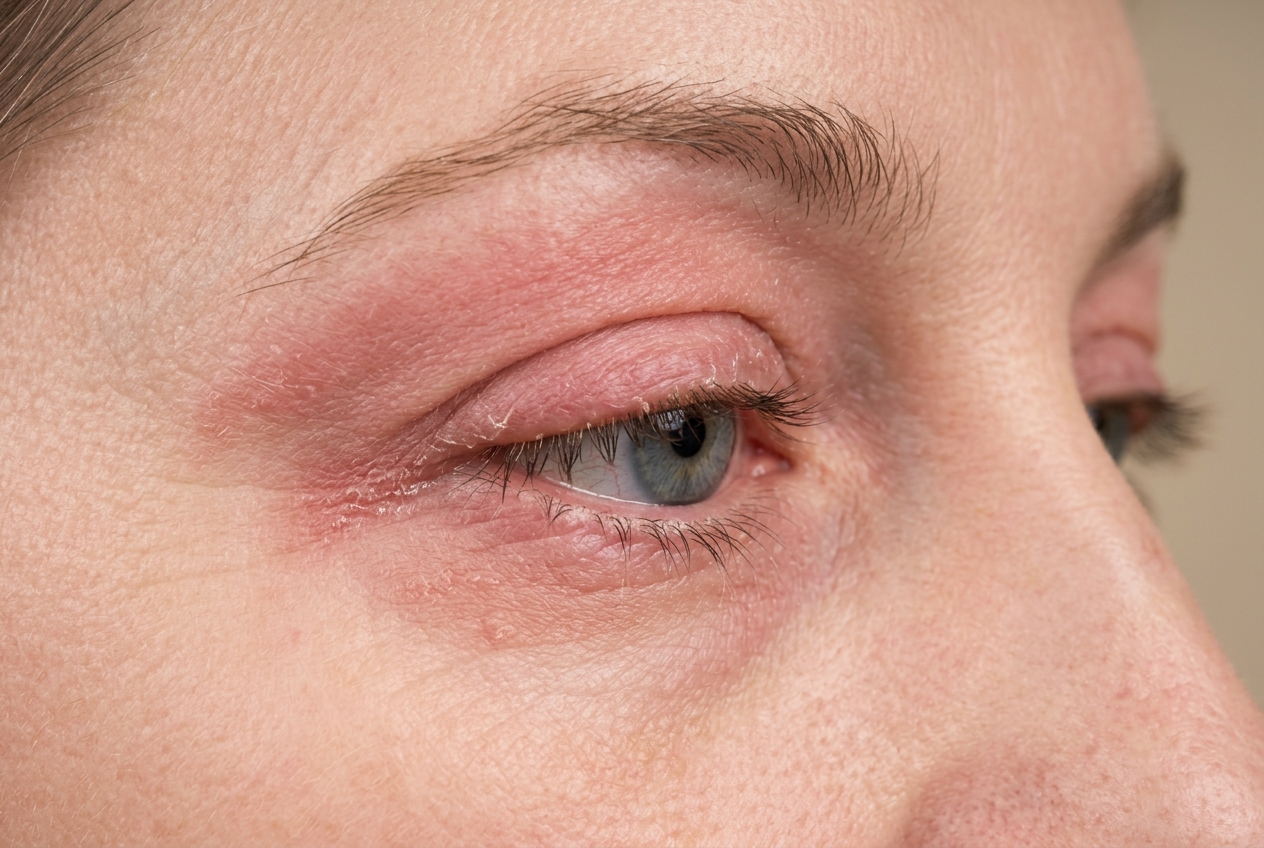
Atopic dermatitis, also known as atopic eczema, is a chronic inflammatory skin disease. It is characterised by very dry skin, intense itching and the appearance of eczema that evolves in flare-ups.
It is one of the most common skin diseases, especially in childhood, although it can also appear or persist in adulthood. Atopic dermatitis is not contagious and is not transmitted by contact with other people.
In many people it is part of the so-called "atopic march" and may be associated with other allergic diseases such as asthma or allergic rhinitis.
Although there is currently no definitive cure, most patients manage to control the disease very well with appropriate treatment and good daily care.
Why does it appear?
Atopic dermatitis appears through a combination of several factors. Among the most important are:
- Genetic predisposition.
- Alteration of the skin's protective barrier, which loses water easily and allows irritants and allergens to enter.
- An exaggerated immune-system response.
- Environmental factors.
There are many triggers that can cause flare-ups:
- Dry skin.
- Harsh soaps.
- Very hot or prolonged showers.
- Excessive sweating.
- Emotional stress.
- Sudden temperature changes.
- Irritating fabrics, especially wool or some synthetic fibres.
- Some cosmetic or cleaning products.
Some patients have associated food or environmental allergies, but these are not the cause of most cases. It is therefore not recommended to remove foods from the diet without proper medical assessment.
What are the symptoms?
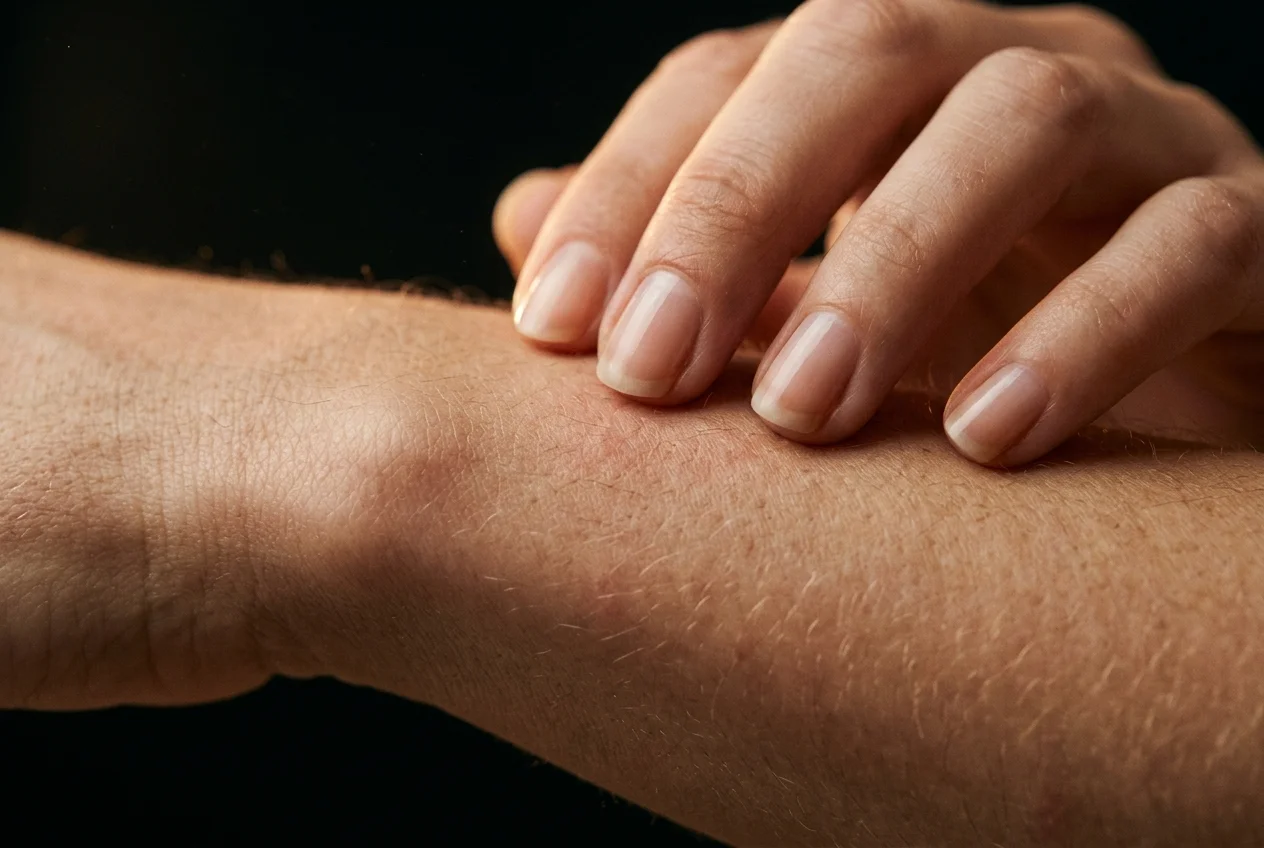
The most characteristic symptom is intense itching, which often worsens at night. Other common symptoms are:
- Dry, rough skin.
- Redness.
- Eczema patches.
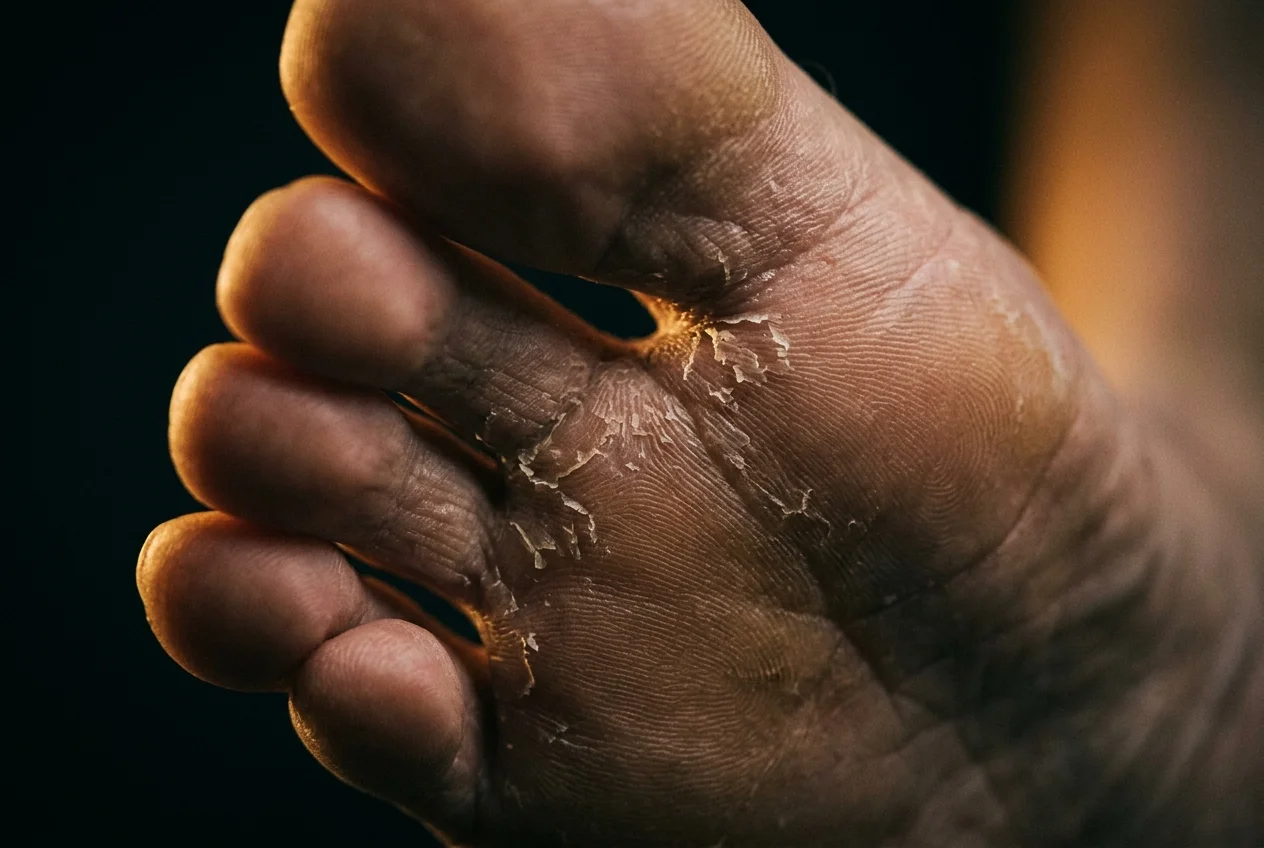
- Scaling.
- Painful cracks.
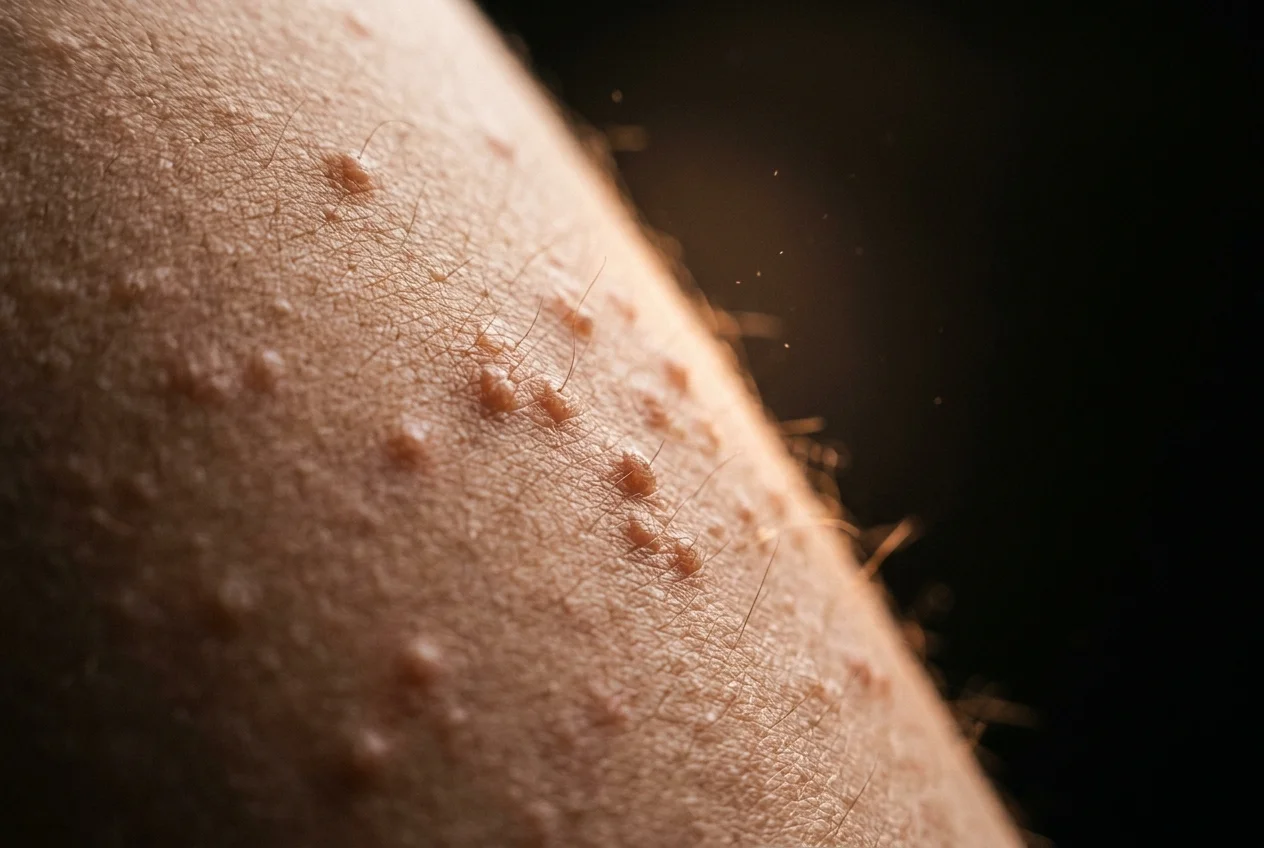
- Small vesicles that may ooze.
- Skin thickening when scratching is persistent.
The location changes with age:
In babies: face, cheeks, scalp and the outer surface of the arms and legs.
In children: the creases of the elbows, behind the knees, neck, wrists and ankles.
In teenagers and adults: face, neck, hands, eyelids, skin folds and, in some cases, the genital area.
The disease usually evolves in flare-ups, alternating periods of improvement and worsening.
How is it diagnosed?
Diagnosis is usually made through the medical history and physical examination. Special tests are generally not needed.
In certain cases the doctor may request:
- Allergy tests if contact dermatitis is suspected.
- Additional studies when the diagnosis is unclear or there are similar diseases.
Food-allergy tests are only indicated in specific situations, not routinely.
What treatments are available?
Treatment aims to restore the skin barrier, relieve itching and control inflammation. Therapeutic options include:
- Moisturisers or emollients applied daily.
- Topical corticosteroids during flare-ups.
- Calcineurin inhibitors (such as tacrolimus or pimecrolimus) on certain areas or situations.
- Specific treatments to control itching when needed.
- Phototherapy in some patients.
- Systemic medications or biologic treatments in moderate or severe forms that do not respond to conventional treatment.
If there is an associated bacterial infection, a specific treatment prescribed by the doctor may be needed. Treatment must be tailored to each patient and may change according to the course of the disease.
What can you do day to day?
Daily care is essential to keep the disease under control. It is recommended to:
- Apply moisturiser several times a day, even when there are no lesions.
- Shower with lukewarm water for a few minutes.
- Use gentle cleansers, without perfumes or harsh soaps.
- Dry the skin with soft pats, without rubbing.
- Apply moisturiser immediately after showering.
- Keep nails short to reduce scratching injuries.
- Wear cotton clothing whenever possible.
- Avoid overheating and excessive sweating.
- Identify the factors that trigger flare-ups.
It is important to follow the prescribed treatment correctly, even when the skin improves.
When should you seek prompt medical advice?
Seek medical assessment if:
- The eczema worsens significantly.
- Yellow crusts, pus or signs of infection appear.
- Itching continuously prevents sleep.
- The lesions affect a large part of the body.
- The usual treatments stop being effective.
- Fever or a general feeling of illness accompany the skin lesions.
Myths and facts
- Myth: Atopic dermatitis is due to poor hygiene. Fact: No. It is an inflammatory disease related to an alteration of the skin barrier and the immune system.
- Myth: You must stop showering. Fact: No. Daily hygiene is recommended, using lukewarm water and products suitable for atopic skin.
- Myth: All patients must remove milk, eggs or gluten. Fact: No. Foods should only be avoided when an allergy has been demonstrated by a healthcare professional.
- Myth: Corticosteroid creams are always dangerous. Fact: Used correctly and for the time indicated by the doctor, they are safe and very effective treatments to control flare-ups.
- Myth: Moisturising is only needed during a flare-up. Fact: Daily moisturising is one of the fundamental pillars of treatment, even when the skin looks normal.
The key points to remember
- Atopic dermatitis is a very common chronic inflammatory disease.
- It is not contagious.
- Itching is the most characteristic symptom.
- Daily moisturising is an essential part of treatment.
- Flare-ups can be triggered by multiple factors.
- Topical corticosteroids are safe when used correctly.
- Avoiding scratching helps prevent infections and injuries.
- Appropriate medical follow-up keeps the disease well controlled and improves quality of life.
Frequently asked questions
Can atopic dermatitis be cured?
There is no definitive cure, but it can be very well controlled with appropriate treatment.
Is it contagious?
No. It cannot be passed on to other people.
Does it go away with age?
Many children improve as they grow, although some people continue to have flare-ups in adulthood.
Can I do sport?
Yes. It is recommended, but you should shower after exercise and moisturise the skin well if sweat triggers flare-ups.
Can I go to the swimming pool?
Yes. After swimming it is advisable to rinse the skin with fresh water and apply a moisturiser.
Does stress have an influence?
Yes. Stress can promote the appearance or worsening of flare-ups.
Should I use cream every day?
Yes. Even when there are no visible lesions.
Can I sunbathe?
Moderate exposure can improve dermatitis in some patients, but always with appropriate sun protection and avoiding burns.
Does atopic dermatitis leave scars?
Usually not. However, intense scratching can cause persistent lesions and infections.
Will my child be able to lead a normal life?
Yes. With good treatment and appropriate care, most children and adults can lead a completely normal life.
Need personalised guidance?
This guide is for information only and does not replace a medical consultation. For an assessment tailored to your case, you may request a consultation.
Request a consultationTopics