Bacterial cellulitis
Skin infection: symptoms and treatment
Bacterial cellulitis is a frequent skin infection that causes redness, heat, pain and swelling. Learn about its causes, risk factors, treatment and the warning signs that require immediate medical attention.
What is bacterial cellulitis?
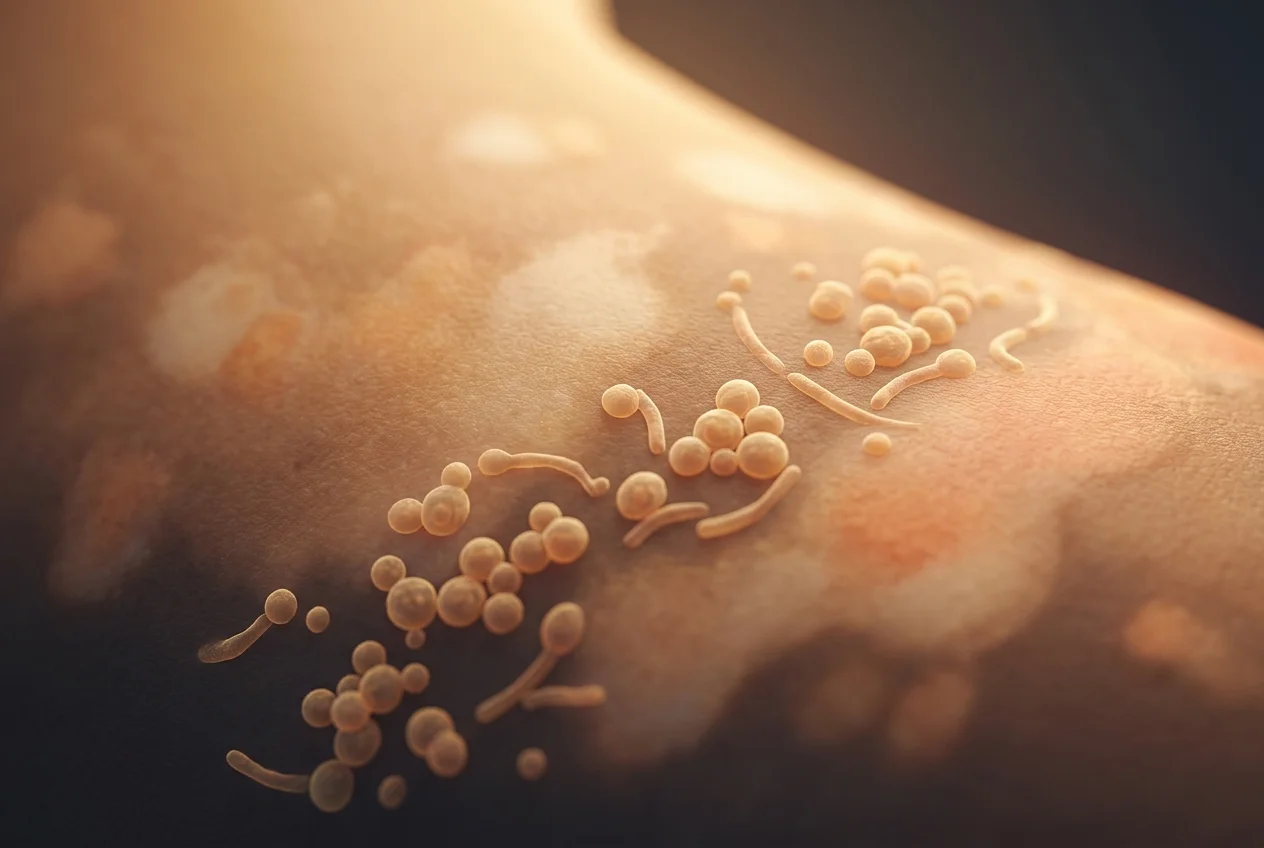
Bacterial cellulitis is an infection of the skin and subcutaneous tissue caused, in most cases, by bacteria such as Streptococcus pyogenes or Staphylococcus aureus.
It is a frequent infection that requires early treatment, since it can spread rapidly if it is not treated properly.
This cellulitis should not be confused with aesthetic cellulite («orange-peel skin»), which is not an infection.
Why does it appear?
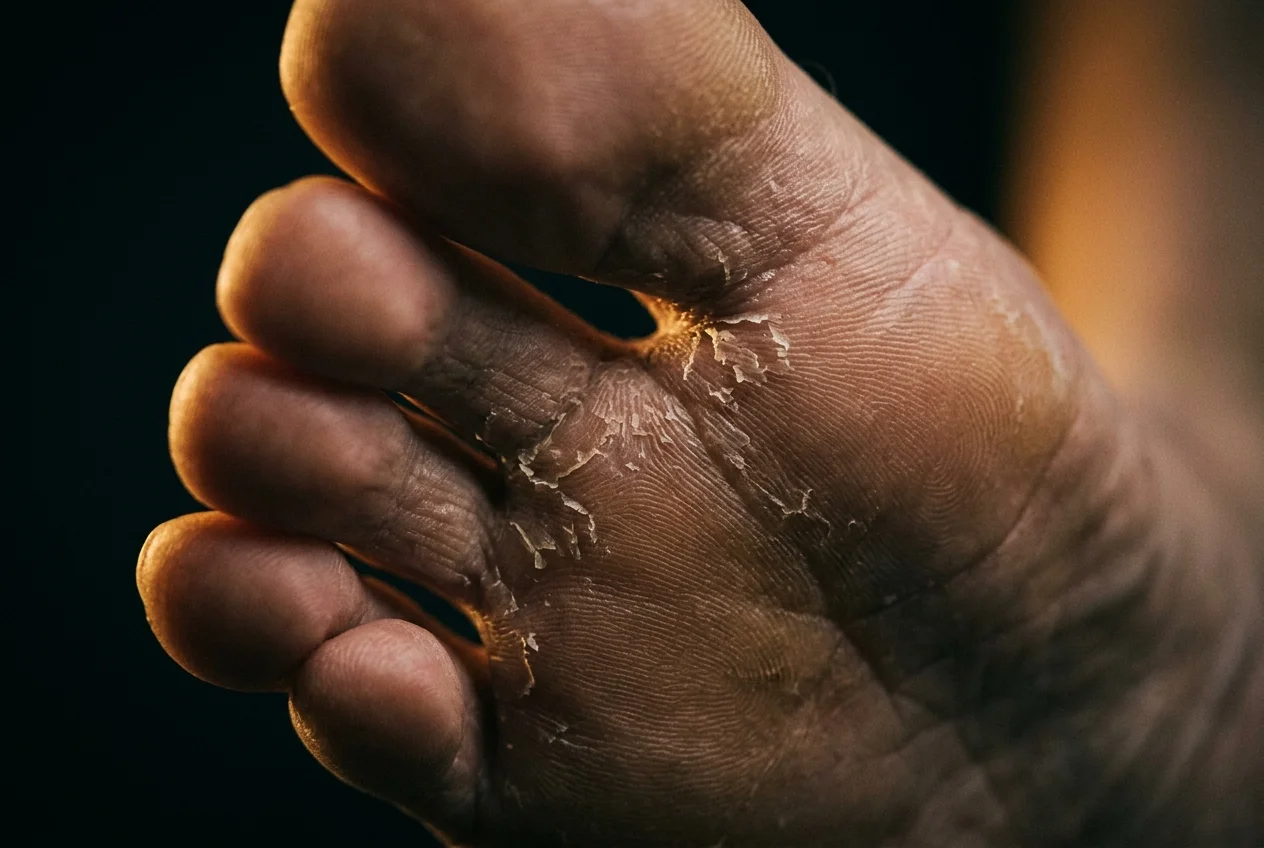
The skin acts as a protective barrier against bacteria. When this barrier breaks, microorganisms can penetrate and produce an infection. The most frequent entry points are small wounds, cuts, chafing, insect bites, cracks between the toes due to fungi (athlete's foot), ulcers, surgical wounds and dermatitis or eczema with scratching.
Who is at greater risk? Bacterial cellulitis is more frequent in people with diabetes, venous insufficiency, lymphoedema, obesity, diseases that reduce the defences or a history of cellulitis.
Why does it reappear? Some people have repeated episodes because the cause that favours the infection persists, such as lymphoedema, venous insufficiency or a fungal infection between the toes. Treating these factors is essential to prevent relapses.
What are the symptoms?
Cellulitis usually appears relatively quickly. The most frequent symptoms are redness of the skin, pain, local heat, swelling and tenderness to touch. The lesion usually increases progressively in size.
General symptoms may also appear, such as fever, chills, general malaise and tiredness.
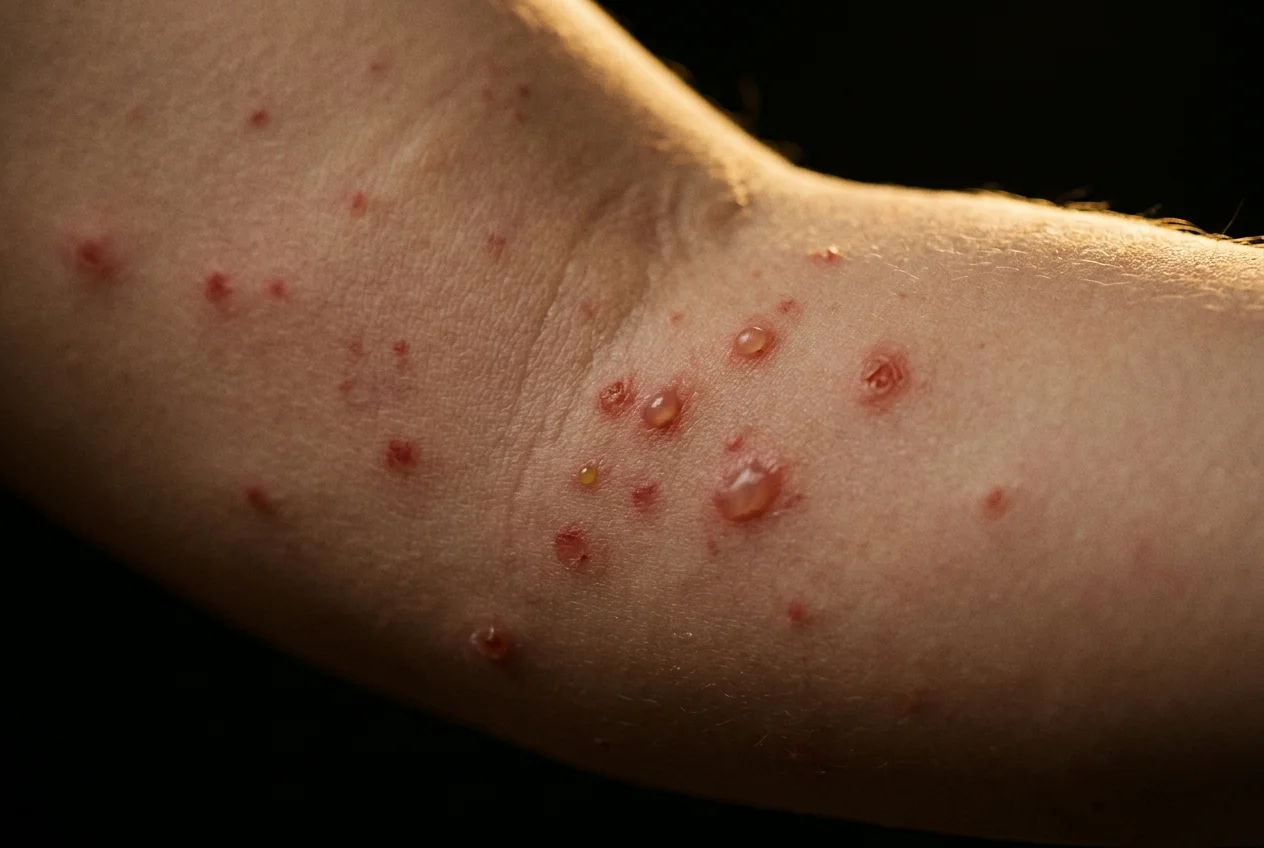
Sometimes blisters, oozing, reddish lines ascending up the limb (lymphangitis) and inflammation of the nearby lymph nodes can be observed. The legs are the most frequent location, although it can affect any part of the body.
How is it diagnosed?
Diagnosis is fundamentally clinical. The doctor will assess the appearance of the lesion, the speed of evolution, the presence of fever and the existence of an entry point.
In some cases a blood test, cultures if there is oozing, an ultrasound to rule out an abscess or other tests when there is diagnostic doubt may be requested.
What treatments are available?
Bacterial cellulitis must be treated with antibiotics. Treatment will depend on the severity, the location, the general condition of the patient and the risk factors.
Oral antibiotics. Most mild cellulitis can be treated at home with oral antibiotics.
Intravenous antibiotics. They are reserved for severe infections, patients with significant impairment of their general condition, immunosuppressed people or lack of response to oral treatment.
Complementary measures. Relative rest, elevating the affected limb when possible, good hydration, analgesics if necessary and treating the entry point (for example, athlete's foot or a wound).
How long does it take to improve? It is usual that during the first 24-48 hours the appearance of the lesion changes little or even seems somewhat worse. Afterwards a progressive improvement usually begins. It is very important to complete the antibiotic treatment even if the symptoms disappear earlier.
What can you do day to day?
To reduce the risk of new infections it is recommended to:
- Maintain good skin hygiene.
- Treat any wound quickly.
- Moisturise the skin if it is very dry.
- Treat foot fungi.
- Control diabetes.
- Use compression stockings when indicated for venous insufficiency or lymphoedema.
- Avoid scratching skin lesions.
When should you seek prompt medical advice?
You should see a doctor urgently if you have a high fever, chills, rapid increase in redness, very intense pain, extensive blisters, black or purplish areas, difficulty moving the limb or confusion or poor general condition.
You should also consult if the lesion does not improve after 48 hours of antibiotic treatment or worsens.
Myths and facts
- Myth: Bacterial cellulitis is the same as aesthetic cellulite. Fact: No. They are completely different conditions.
- Myth: There is no need to take antibiotics. Fact: Bacterial cellulitis requires antibiotic treatment.
- Myth: It is contagious. Fact: Generally no. The infection affects the deep tissues and is not usually transmitted by contact.
- Myth: When the pain disappears I can stop the treatment. Fact: You must always complete the antibiotic according to medical instructions.
- Myth: It only appears after large wounds. Fact: Small cracks or almost imperceptible lesions can be enough for bacteria to enter.
The key points to remember
- Bacterial cellulitis is an infection of the skin and subcutaneous tissue.
- The main symptoms are redness, heat, pain and swelling.
- It must be treated with antibiotics as soon as possible.
- It is important to complete all the treatment even if there is improvement.
- Treating wounds, foot fungi and controlling diseases such as diabetes helps to prevent relapses.
- Consult urgently if you have a high fever, rapid worsening or poor general condition.
Frequently asked questions
Is it an emergency?
It should be assessed as soon as possible to start treatment and avoid complications.
Will I need to be admitted?
Most mild cases can be treated at home. Severe cases may require hospitalisation.
Can it reappear?
Yes. Especially if the risk factors persist.
Can I walk?
Yes, although it may be advisable to reduce activity and elevate the affected limb during the first days.
Does cellulitis leave after-effects?
Most heal completely with early treatment.
Can I shower?
Yes. Maintaining correct hygiene helps recovery.
What happens if it is not treated?
The infection can spread and produce significant complications, even affecting the blood (sepsis).
How can I prevent it?
By caring for the skin, treating wounds and controlling predisposing factors.
Can it produce an abscess?
Yes. In some cases an accumulation of pus forms that requires drainage.
Is it curable?
Yes. With adequate treatment, most patients recover completely.
Need personalised guidance?
This guide is for information only and does not replace a medical consultation. For an assessment tailored to your case, you may request a consultation.
Request a consultation