Impetigo
Superficial bacterial skin infection
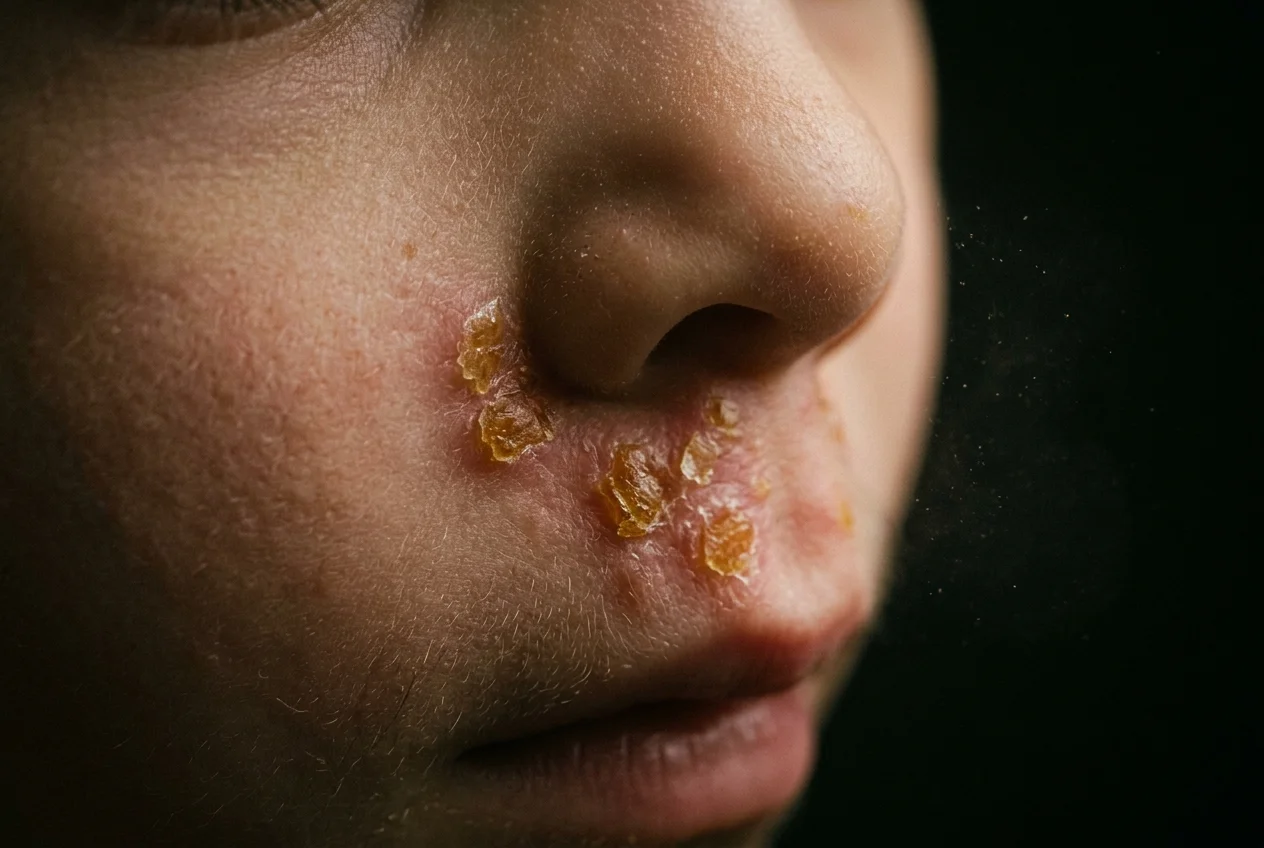
Impetigo is a highly contagious superficial bacterial infection that causes characteristic yellow crusts. Learn about its causes, symptoms, treatment and how to avoid contagion.
What is impetigo?
Impetigo is a superficial skin infection caused by bacteria. It is one of the most common skin infections in childhood, although it can also appear in adolescents and adults.
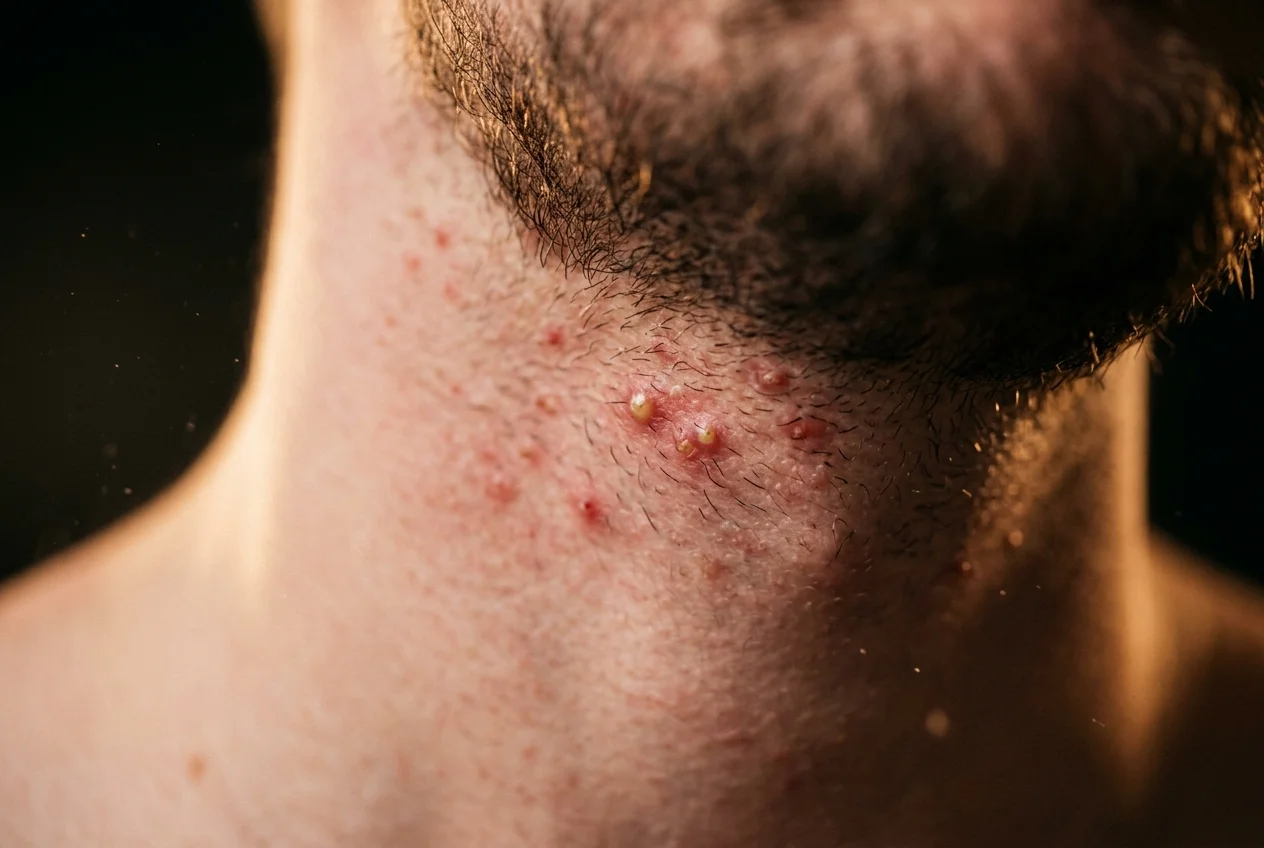
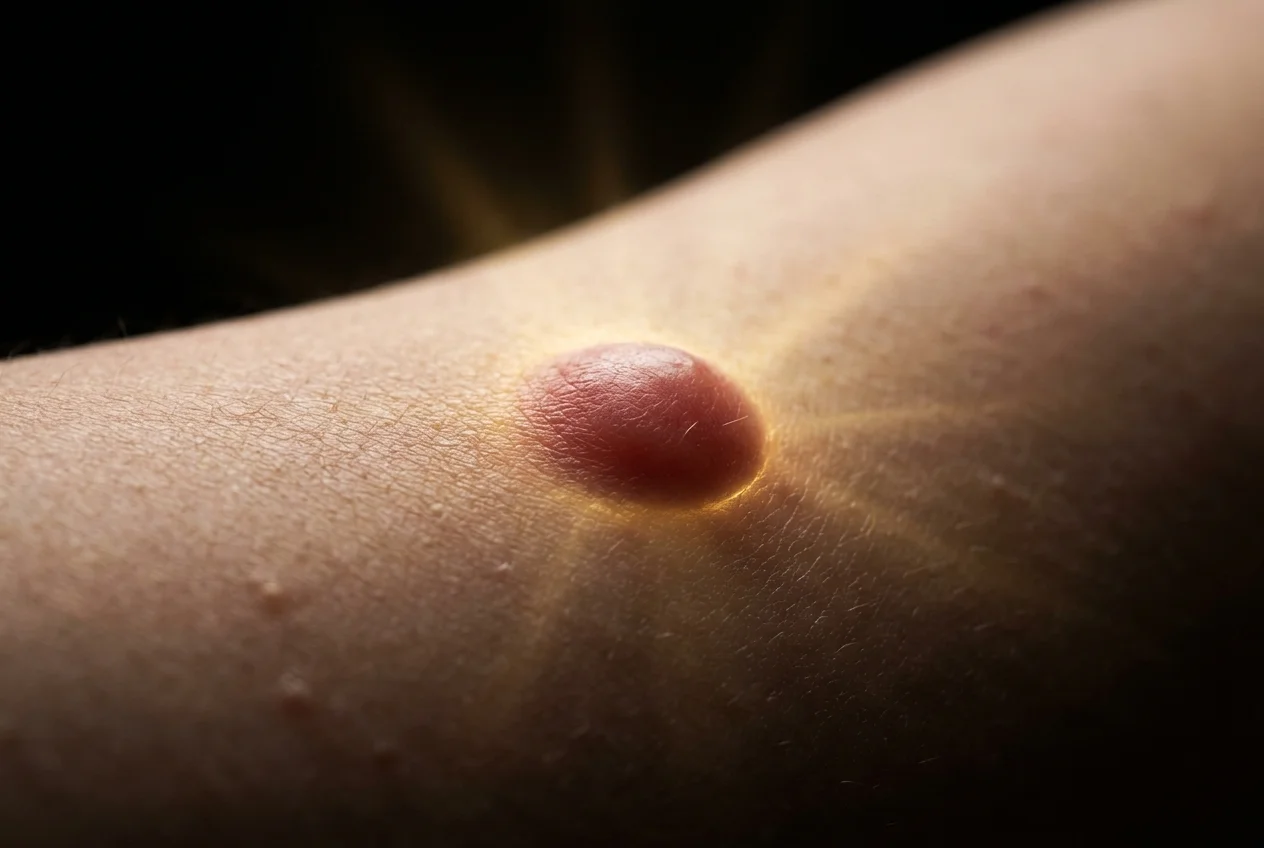
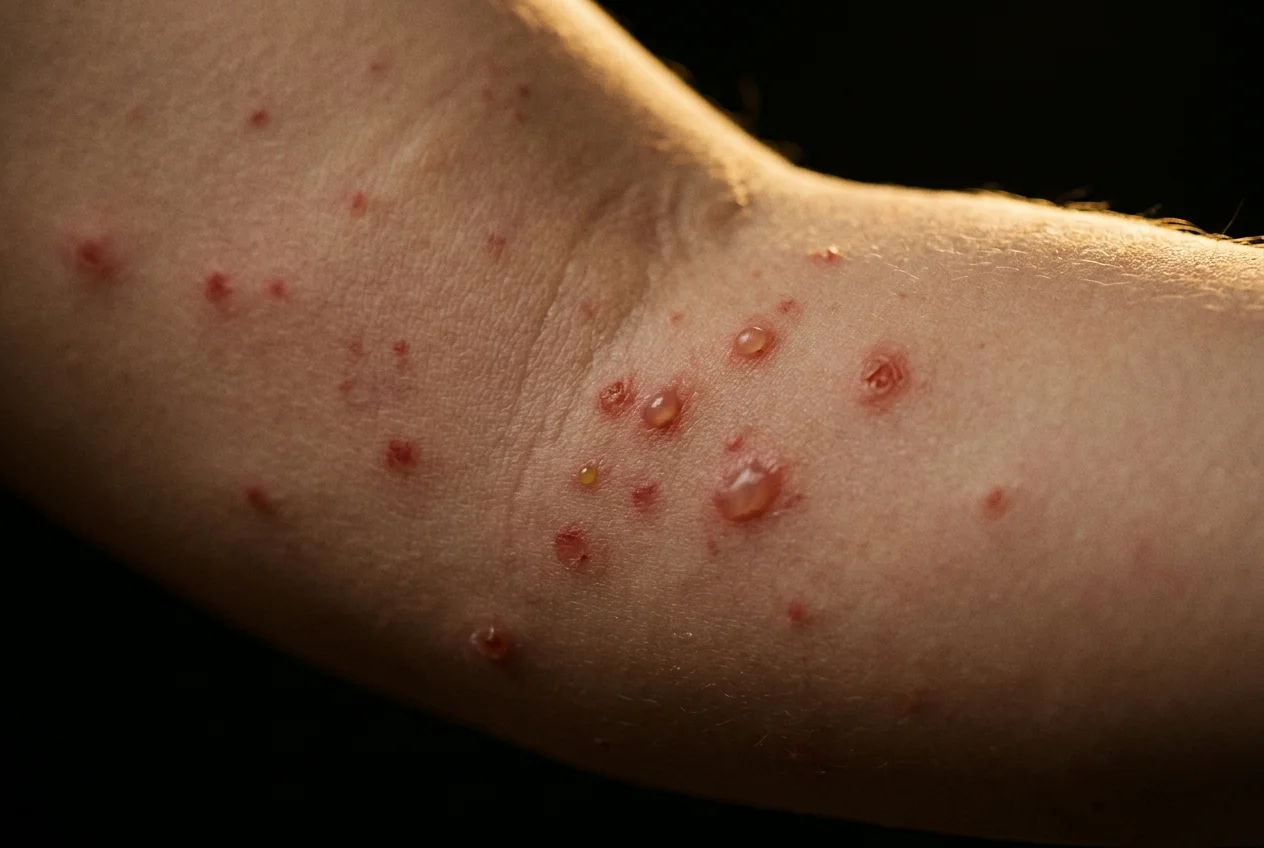
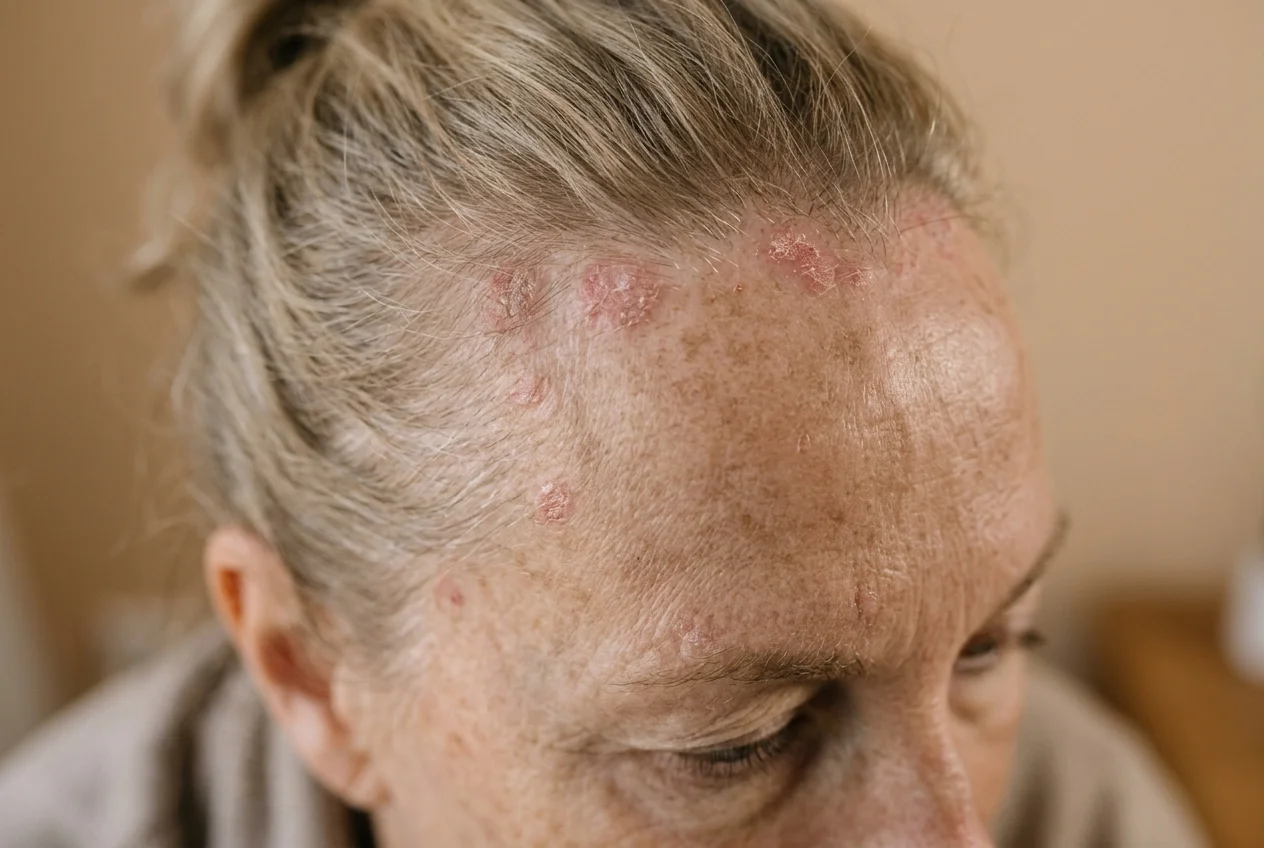
It is characterised by the appearance of small blisters or superficial sores that end up forming very characteristic honey-coloured yellow crusts. Impetigo usually affects:
- The face, especially around the nose and mouth.
- The hands.
- The arms.
- The legs.
With appropriate treatment, most patients recover completely within a few days.
Why does it appear?
This is the question patients ask most. Impetigo is mainly produced by two bacteria:
- Staphylococcus aureus.
- Streptococcus pyogenes.
Why do these bacteria produce the infection?
Because they take advantage of a small break in the skin to penetrate and multiply. These small lesions can appear due to:
- Insect bites.
- Scratching due to itching.
- Atopic dermatitis.
- Cuts or small wounds.
- Chafing.
Why do some children get it and others not?
The bacteria can be present on the skin or in the nose of healthy people without causing any problem. When there is a small skin lesion, they can cause the infection.
Is it due to lack of hygiene?
No. Although good hygiene helps prevent contagion, impetigo does not appear simply because a person is dirty.
What are the symptoms?
Symptoms usually begin with:
- Small blisters.
- Fluid-filled vesicles.
- Superficial sores.
Within a few days the typical features appear:
- Yellow or honey-coloured crusts.
- Moist lesions.
- Mild itching.
The lesions can increase in size or spread if the patient scratches. In most cases they do not cause fever or general malaise.
Is it contagious?
Yes. Impetigo is a highly contagious disease. It can be transmitted through direct contact with the lesions, sharing towels, sharing clothing or personal items. For this reason it is important to start treatment as soon as possible.
How is it diagnosed?
Diagnosis is usually made through clinical examination. The appearance of the lesions is usually very characteristic.
Only in unusual cases may it be necessary to take a sample to identify the responsible bacterium.
What treatments are available?
One of the most frequent questions is: will I need antibiotics? In many cases, yes. Treatment depends on the extent of the lesions.
Localised impetigo
When there are few lesions, it is usually enough to use topical antibiotics, such as mupirocin or fusidic acid, always following the regimen indicated by the doctor.
More extensive impetigo
When the lesions are numerous or affect several areas of the body, it may be necessary to use oral antibiotics.
Why is it important to complete the treatment?
Because even if the lesions improve quickly, the bacteria may not have completely disappeared. Stopping treatment too early favours relapses and the development of bacterial resistance.
What can you do day to day?
In addition to medical treatment, it is recommended to:
- Gently wash the lesions with soap and water.
- Remove the crusts only if the doctor advises it.
- Wash your hands frequently.
- Keep nails short to avoid scratching.
- Not share towels, clothing or personal items.
- Change towels and pillowcases daily if there are facial lesions.
In children, the doctor will indicate when they can return to school. Usually, after 24-48 hours of appropriate antibiotic treatment, the risk of contagion decreases significantly.
When should you seek prompt medical advice?
Seek medical assessment if:
- The lesions increase rapidly.
- Fever appears.
- There is significant pain.
- You observe inflammation around the lesions.
- The treatment does not produce improvement after a few days.
- The impetigo affects a newborn or a person with weakened defences.
Myths and facts
- Myth: Impetigo appears due to lack of hygiene. Fact: No. It is caused by bacteria that take advantage of small skin lesions.
- Myth: If the crusts disappear I am cured. Fact: You must complete the prescribed treatment even if the lesions have improved.
- Myth: It is an allergy. Fact: No. It is a bacterial infection.
- Myth: It only affects children. Fact: It is more common in childhood, but can also appear in adults.
- Myth: It always leaves scars. Fact: When treated correctly, it usually heals without leaving permanent marks.
The key points to remember
- Impetigo is a very common superficial bacterial infection.
- It produces characteristic yellow crusts.
- It is a contagious disease.
- Early treatment speeds up healing and reduces the risk of transmission.
- Topical or oral antibiotics are used according to the extent of the lesions.
- It is important to complete the treatment even if the skin improves quickly.
- Maintaining good hygiene and avoiding sharing personal items helps prevent new infections.
Frequently asked questions
Is it contagious?
Yes, especially before starting treatment.
Can it come back?
Yes. Some people have new episodes if there are predisposing factors.
Can I shower?
Yes. Daily hygiene is recommended.
Do I need to cover the lesions?
In some cases it can be useful to prevent contagion or scratching. Your doctor will indicate the best option.
Does impetigo leave scars?
Usually not.
Can I wear make-up over the lesions?
It is not advisable until the infection has cleared.
Do topical antibiotics work?
Yes, especially when there are few lesions.
Do I always need oral antibiotics?
No. It depends on the extent of the infection.
Can it appear after a bite?
Yes. It is a very common situation.
When will I stop being contagious?
Usually between 24 and 48 hours after starting appropriate antibiotic treatment.
Need personalised guidance?
This guide is for information only and does not replace a medical consultation. For an assessment tailored to your case, you may request a consultation.
Request a consultationTopics