Subcutaneous abscess
Accumulation of pus under the skin
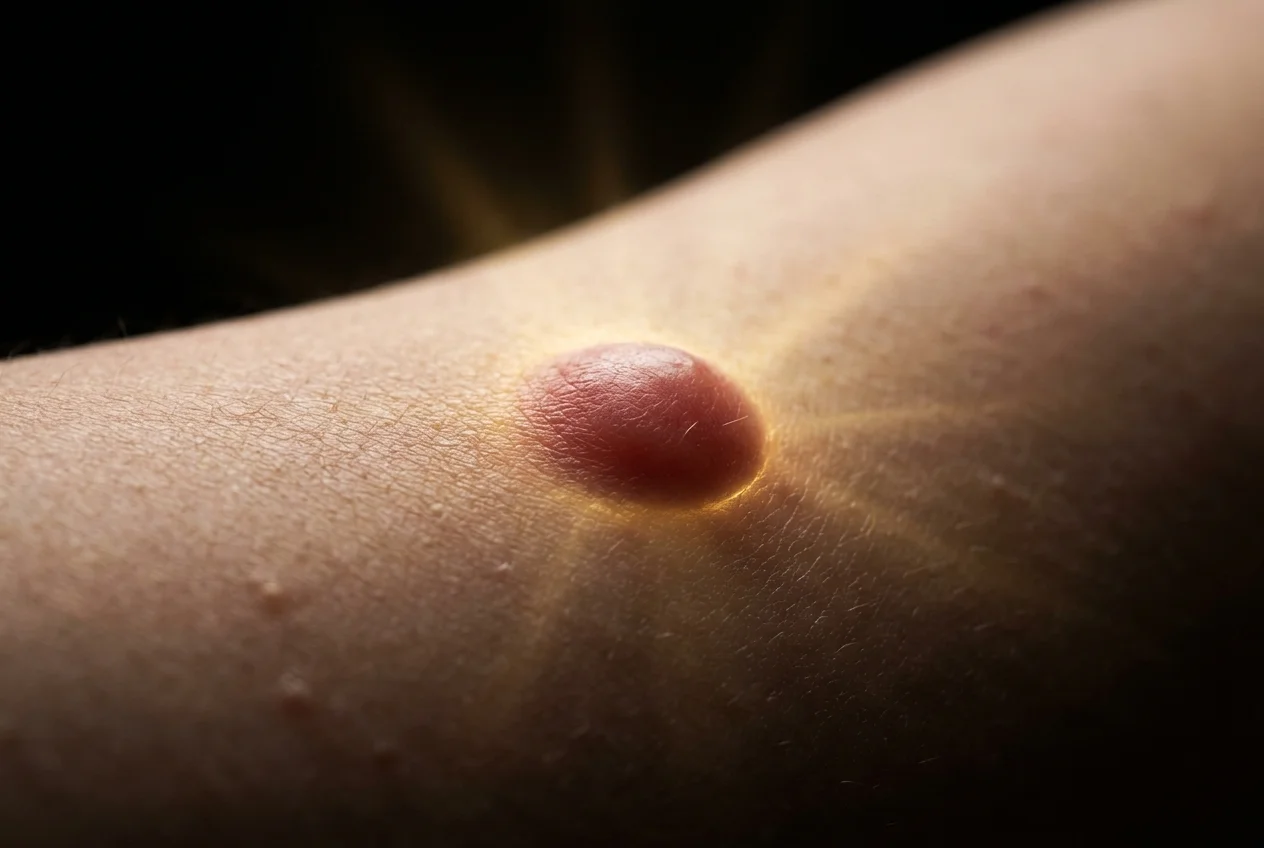
The subcutaneous abscess is an accumulation of pus under the skin caused by a bacterial infection. Learn about its symptoms, treatment, when it needs to be drained and how to prevent new episodes.
What is a subcutaneous abscess?
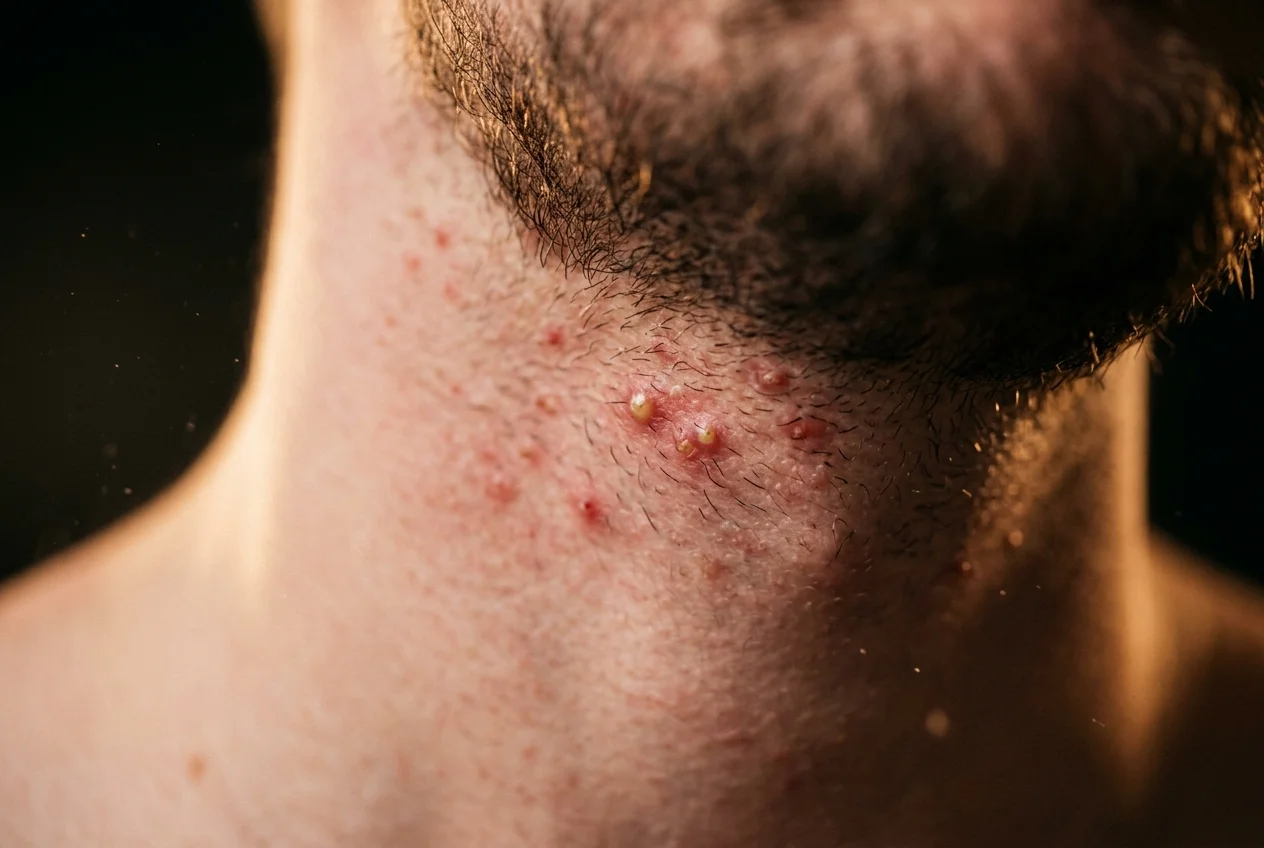
A subcutaneous abscess is a localised accumulation of pus under the skin, usually caused by a bacterial infection. The body tries to contain the infection by forming a kind of «pocket» filled with pus, composed of bacteria, inflammatory cells and destroyed tissue.
The bacterium responsible most frequently is Staphylococcus aureus, although other bacteria can also produce abscesses. An abscess can appear practically anywhere on the body.
Why does it appear?
The abscess develops when bacteria penetrate the skin or subcutaneous tissue and the immune system tries to isolate the infection. The most frequent causes are small wounds, cuts, insect bites, folliculitis or boils, infected epidermal cysts, injections or procedures on the skin and foreign bodies.
Who is at greater risk? It is more frequent in people with diabetes, obesity, immunosuppression, dermatitis or inflammatory skin diseases, hidradenitis suppurativa or colonisation by Staphylococcus aureus.
Why do some people have repeated abscesses? Recurrent abscesses can be due to poorly controlled diabetes, hidradenitis suppurativa, persistent colonisation by Staphylococcus aureus, immune system deficiency or excessive friction and sweating. When the episodes are frequent, it is advisable to study the cause.
What are the symptoms?
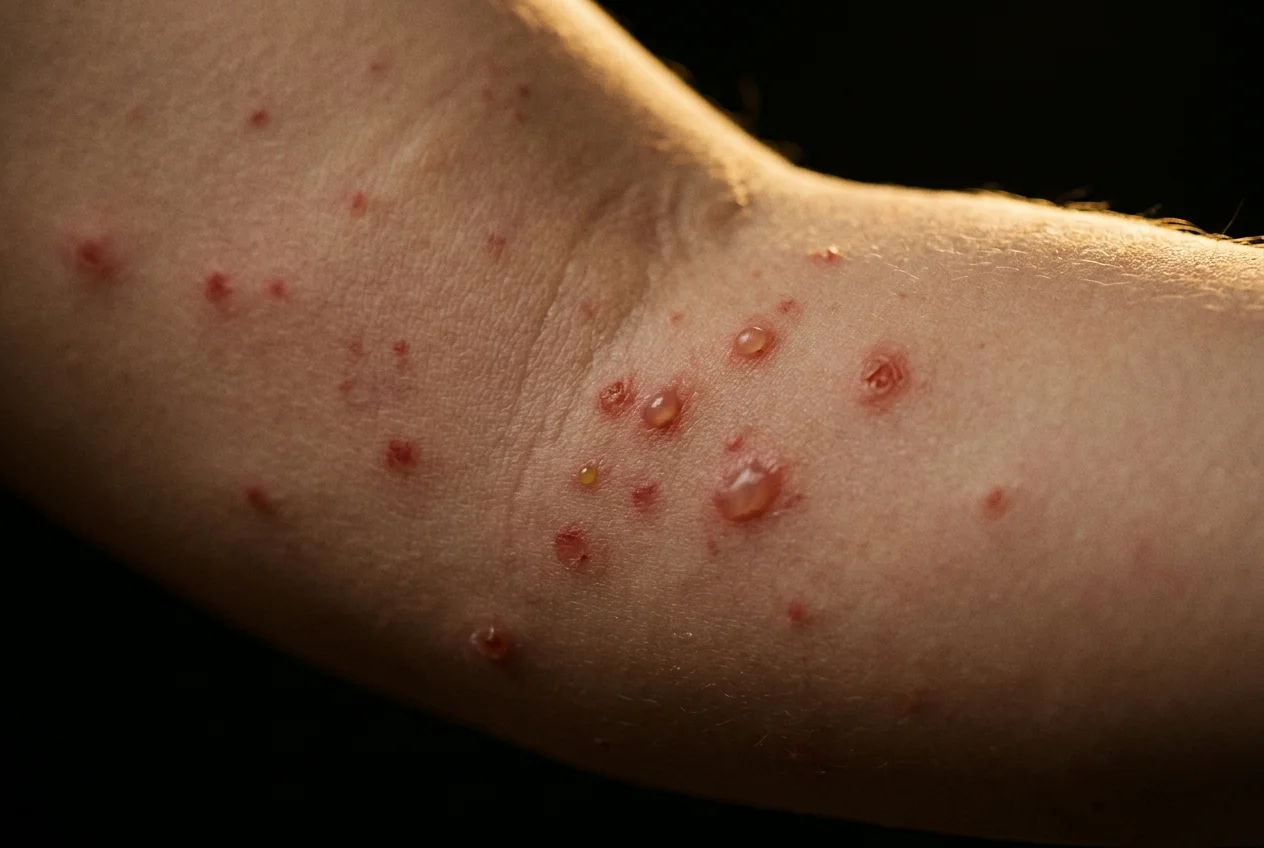
At first a small painful lump usually appears. Over the days intense pain, redness, local heat, swelling, a sensation of a soft or fluctuant mass and spontaneous discharge of pus may appear.
If the infection progresses fever, chills, general malaise and inflammation of the nearby lymph nodes may appear.
How is it diagnosed?
Diagnosis is usually made through physical examination. The doctor will assess the size, the depth, the presence of pus and the extent of the infection.
In some cases an ultrasound to confirm the presence of a pus collection, a culture of the pus to identify the bacterium or a blood test if there is fever or suspicion of a significant infection may be necessary.
What treatments are available?
Treatment will depend on the size and severity of the abscess.
Drainage. The most important treatment of an abscess is to empty the pus. In most cases this requires a small procedure performed by a healthcare professional under local anaesthesia. Without adequate drainage, many abscesses do not heal completely.
Antibiotics. Antibiotics are not always necessary. They are indicated especially when the abscess is large, there is cellulitis around it, there is fever, there are several abscesses or the patient has diabetes or immunosuppression.
Local care. After drainage it may be necessary to clean the wound, change the dressings and perform periodic care until complete healing.
What can you do day to day?
During recovery it is recommended to:
- Not try to open the abscess at home.
- Keep the area clean and dry.
- Wash your hands before and after touching the wound.
- Change the dressings according to instructions.
- Complete the antibiotic treatment if it has been prescribed.
- Not share towels or personal items while there is oozing.
When should you seek prompt medical advice?
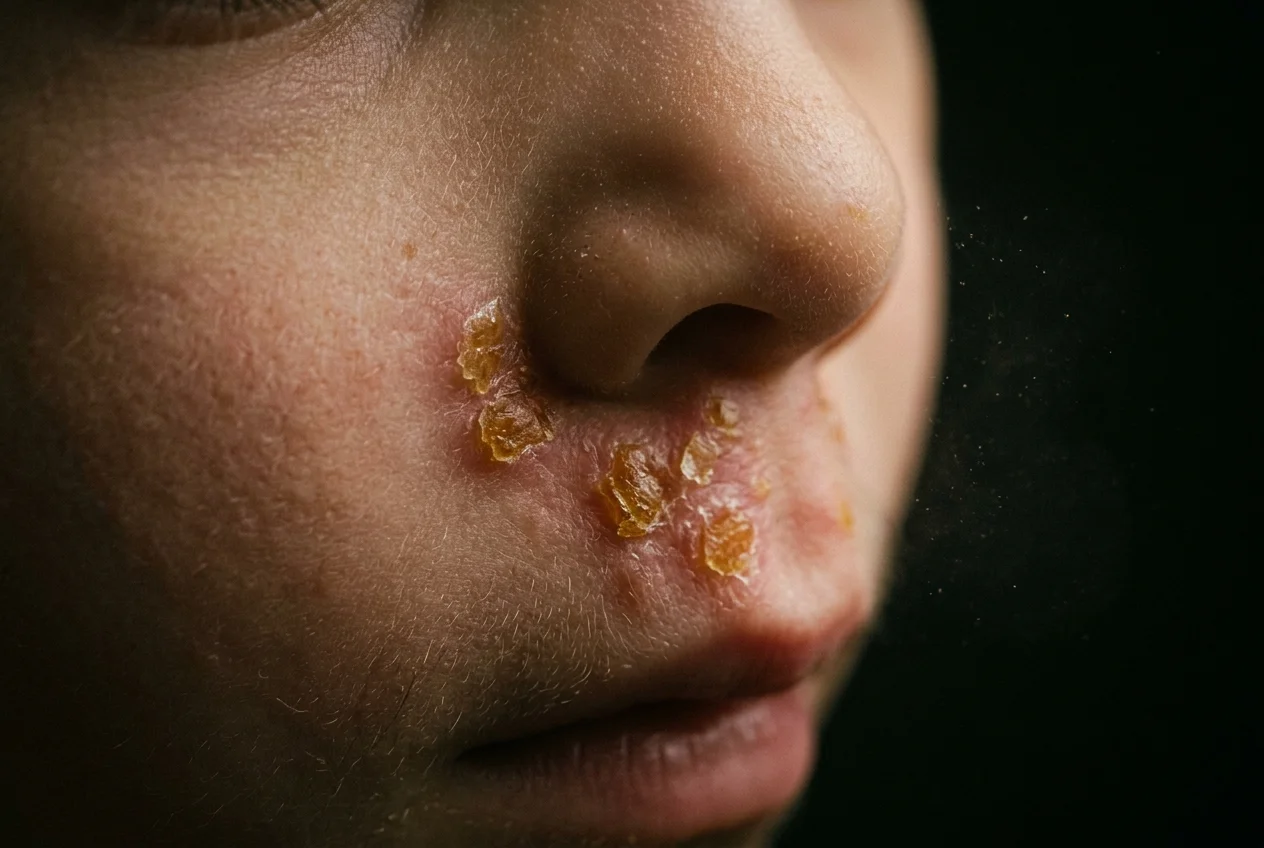
You should seek urgent care if you have a high fever, very intense pain, rapid growth of the abscess, spreading redness, difficulty moving the affected area, abscesses on the face (especially near the eyes or nose), or if you have diabetes, immunosuppression or treatment with medications that reduce the defences.
You should also consult if the abscess reappears repeatedly.
Myths and facts
- Myth: An abscess always disappears on its own. Fact: Many abscesses need drainage to heal properly.
- Myth: If I take antibiotics there is no need to open the abscess. Fact: In most cases, drainage is the main treatment and antibiotics alone are not enough.
- Myth: I can pierce the abscess at home. Fact: Manipulating it can favour the spread of the infection and increase the risk of complications.
- Myth: When it stops hurting it is already cured. Fact: The cavity must heal completely and the indicated care must continue.
- Myth: All abscesses are contagious. Fact: The bacterium can be transmitted by contact with the pus, but not everyone will develop an infection.
The key points to remember
- A subcutaneous abscess is a localised accumulation of pus under the skin.
- Drainage is usually the most important treatment.
- Antibiotics are necessary only in certain situations.
- You should not try to open an abscess at home.
- In the case of fever, rapid increase in size or intense pain, you should consult urgently.
- Identifying and treating the predisposing factors helps to prevent recurrences.
Frequently asked questions
What is the difference between an abscess and a boil?
The boil starts in a hair follicle. The abscess can appear in any area of the subcutaneous tissue and is usually a larger collection of pus.
Does it always have to be drained?
Most abscesses of a certain size do require drainage.
Is the procedure painful?
It is usually performed under local anaesthesia to minimise discomfort.
Can I lead a normal life?
It will depend on the size and location of the abscess, although most people can resume their activities within a few days.
Can it reappear?
Yes. If there are predisposing factors or the infection is not completely eliminated, relapses can occur.
Will I need antibiotics?
Not always. It will depend on the medical assessment.
Can it leave a scar?
Yes. Large or deep abscesses can leave a small scar.
Should I cover the wound?
Yes, while it continues to drain or until the doctor indicates otherwise.
How can I prevent them?
By maintaining good hygiene, treating small wounds and controlling diseases such as diabetes.
Does it have a good prognosis?
Yes. With adequate drainage and timely treatment, most abscesses heal without complications.
Need personalised guidance?
This guide is for information only and does not replace a medical consultation. For an assessment tailored to your case, you may request a consultation.
Request a consultationTopics