Genital herpes
Sexually transmitted infection by the herpes simplex virus

Genital herpes is a frequent sexually transmitted infection caused by the herpes simplex virus. Learn how it is transmitted, how to recognise the symptoms, what treatments exist and how to prevent new outbreaks and contagion.
What is genital herpes?
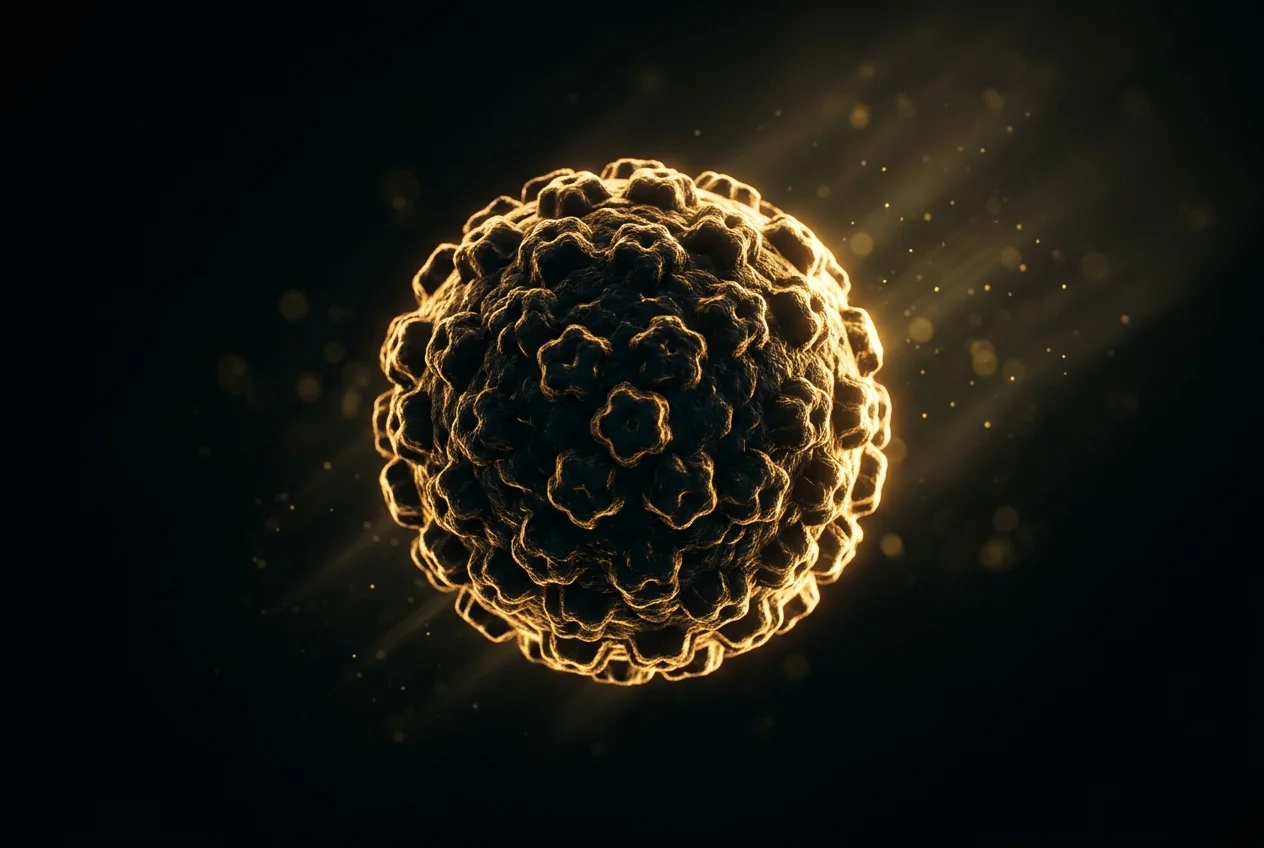
Genital herpes is a sexually transmitted infection (STI) caused by the herpes simplex virus (HSV). It can be produced by herpes simplex virus type 2 (HSV-2), the most frequent, and by herpes simplex virus type 1 (HSV-1), increasingly common due to transmission during oral sex.
Once the person is infected, the virus remains in the body throughout life in a latent state and can reactivate periodically, producing new outbreaks. Although there is currently no definitive cure, there are very effective treatments to control the symptoms and reduce the risk of transmission.
Why does it appear?
Genital herpes is transmitted mainly by direct contact with the skin or mucous membranes during vaginal intercourse, anal intercourse and oral sex. Contagion can occur even when the infected person has no visible lesions, since the virus can be shed intermittently.
Why does it come back? After the initial infection, the virus remains «dormant» in the nerve ganglia. It can reactivate due to stress, fever, other infections, lack of sleep, menstruation, a decrease in defences and trauma or intense friction in the genital area. Over the years, outbreaks usually become less frequent and less intense.
What are the symptoms?
Many people never have symptoms or have very mild manifestations. When they appear, they usually begin with tingling, itching, burning and a burning sensation.
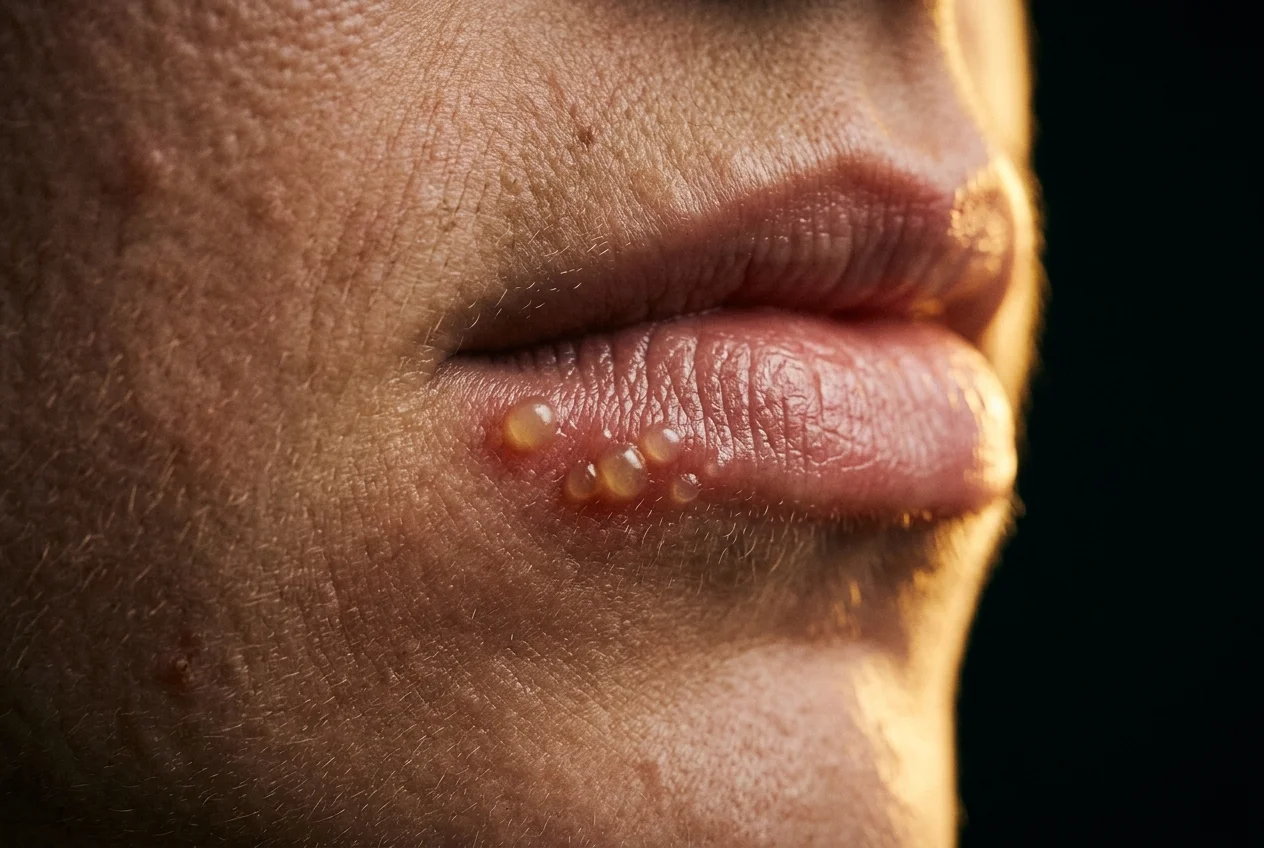
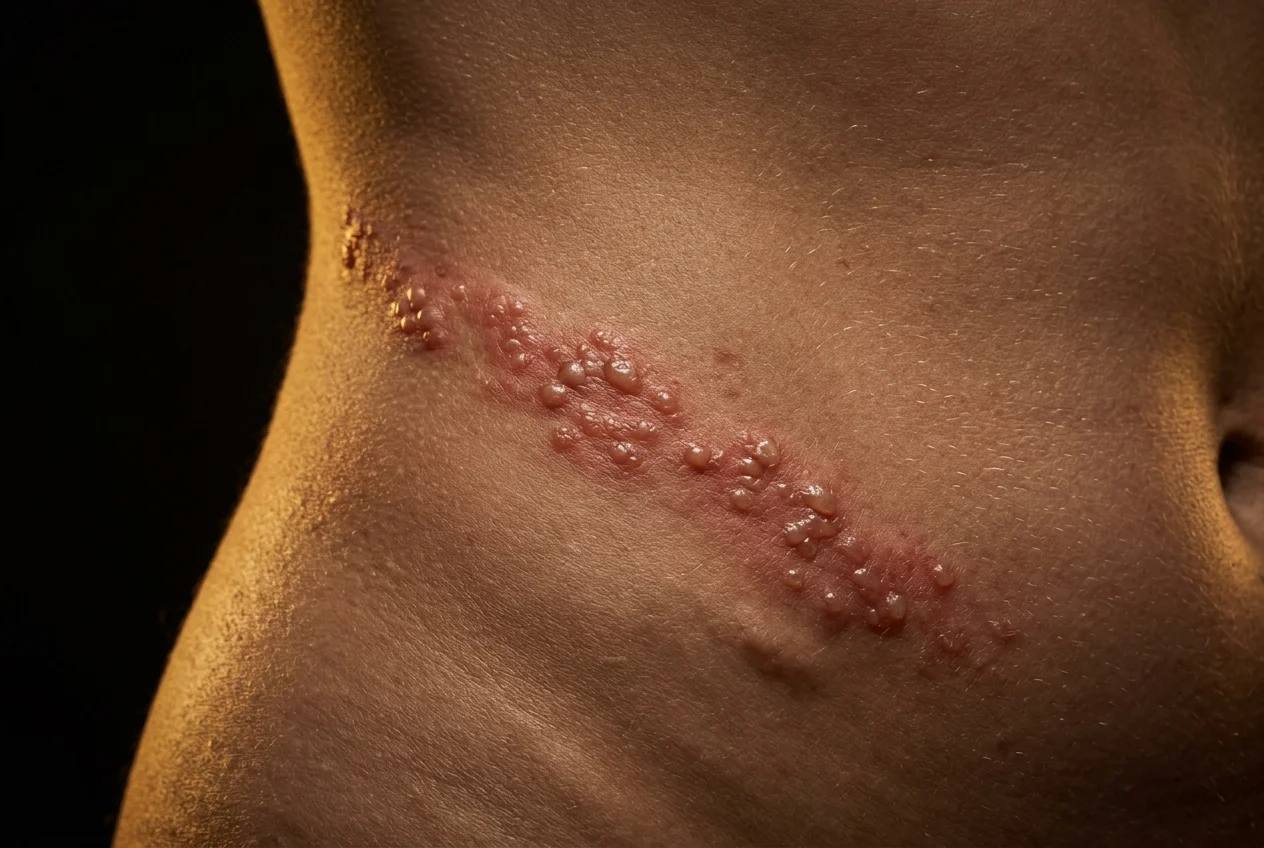
Subsequently small grouped blisters, painful ulcers, redness, pain when urinating and inflammation of the inguinal lymph nodes appear.
In the first episode, fever, muscle pain, tiredness and general malaise may also appear. The lesions usually heal in about 2 to 4 weeks during the first episode and more quickly in recurrences.
How is it diagnosed?
The diagnosis is usually made through clinical examination. When possible, it is recommended to confirm the infection through a PCR of the content of a lesion, which is the most sensitive test, or a viral culture in some cases.
Blood tests to detect antibodies can be useful in specific situations, although they do not always make it possible to know when the infection occurred.
What treatments are available?
Antivirals make it possible to reduce the duration of outbreaks, relieve symptoms and reduce the risk of transmission.
Oral antivirals. The most used are aciclovir, valaciclovir and famciclovir. They are more effective if started during the first 24-48 hours from the onset of symptoms.
Episodic treatment. It is used only during outbreaks.
Suppressive treatment. In people with frequent outbreaks a daily treatment for several months may be recommended to reduce the number of relapses, reduce the shedding of the virus and reduce the risk of transmission to the partner.
What can you do day to day?
During an outbreak it is recommended to keep the area clean and dry, use cotton underwear, avoid friction, not manipulate the lesions and wash your hands well after touching them.
In addition, avoid having sexual intercourse while there are lesions or symptoms, use a condom during sexual intercourse (although it does not completely eliminate the risk of transmission) and inform your partner if you have been diagnosed with genital herpes.
Sleeping well, controlling stress and maintaining a healthy lifestyle can help to reduce the frequency of recurrences.
When should you seek prompt medical advice?
You should consult as soon as possible if it is the first episode, if the pain is very intense, if you have difficulty urinating, if you have a high fever or general malaise, if you are pregnant and suspect genital herpes, if your defences are low or if the lesions persist for more than three weeks.
Pregnancy and genital herpes
Genital herpes deserves special attention during pregnancy. If a pregnant woman has a first episode of herpes, especially at the end of gestation, she must be assessed quickly by her gynaecologist.
The objective is to reduce the risk of transmission to the newborn, since neonatal herpes can be a serious infection.
Myths and facts
- Myth: Genital herpes means that my partner has been unfaithful. Fact: Not necessarily. The virus can remain latent for many years before producing the first outbreak.
- Myth: It is only contagious when there are blisters. Fact: The virus can also be transmitted when there are no visible lesions.
- Myth: The condom completely prevents contagion. Fact: It significantly reduces the risk, but does not eliminate it completely.
- Myth: Genital herpes causes infertility. Fact: No. Genital herpes does not cause infertility.
- Myth: I will never be able to have a normal sex life. Fact: With adequate information, treatment when necessary and prevention measures, most people maintain a fully satisfactory sex life.
The key points to remember
- Genital herpes is a sexually transmitted infection caused by the herpes simplex virus.
- The virus remains latent throughout life and can reactivate.
- Antivirals reduce the duration of outbreaks and the risk of transmission.
- The virus can be transmitted even without visible lesions.
- Sexual intercourse should be avoided during active outbreaks.
- In pregnancy it is especially important to inform the gynaecologist if there is a history or suspicion of genital herpes.
Frequently asked questions
Is there a cure?
There is no treatment that definitively eliminates the virus, but antivirals control the disease very well.
Will I always have outbreaks?
No. Many people have very few recurrences and some stop having outbreaks over time.
Can I infect even without lesions?
Yes. There is asymptomatic shedding of the virus.
Does genital herpes increase the risk of other infections?
Yes. The lesions facilitate the transmission and acquisition of HIV and other sexually transmitted infections.
Can I have children?
Yes. Most people with genital herpes can have children without problems, although it is important to inform the gynaecologist during pregnancy.
Should I get tested for other STIs?
Yes. When a sexually transmitted infection is diagnosed, it is usually advisable to consider screening for other STIs according to each case.
Can it always reappear in the same area?
Yes. It is the most usual.
Can I play sport?
Yes. During an intense outbreak it may be advisable to reduce activities that produce friction or discomfort.
Do antivirals eliminate the virus?
No. They reduce the multiplication of the virus and control the outbreaks, but do not eradicate it.
Does it have a good prognosis?
Yes. In healthy people the prognosis is excellent and the disease can be controlled effectively with treatment and preventive measures.
Need personalised guidance?
This guide is for information only and does not replace a medical consultation. For an assessment tailored to your case, you may request a consultation.
Request a consultationTopics