Molluscum contagiosum
Benign viral skin infection
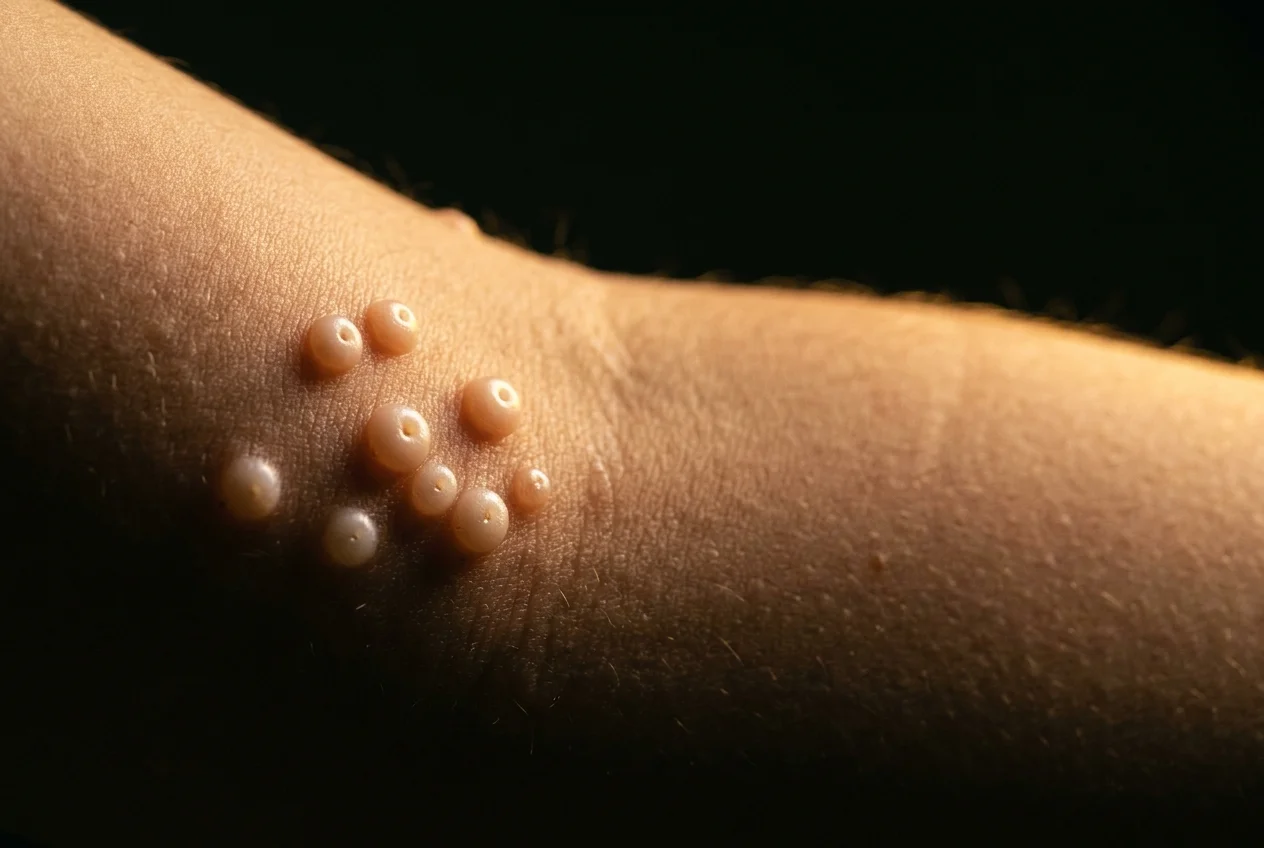
Molluscum contagiosum is a common viral infection that produces small rounded lesions on the skin. Learn about its modes of transmission, the available treatments and how to prevent its spread.
What is molluscum contagiosum?
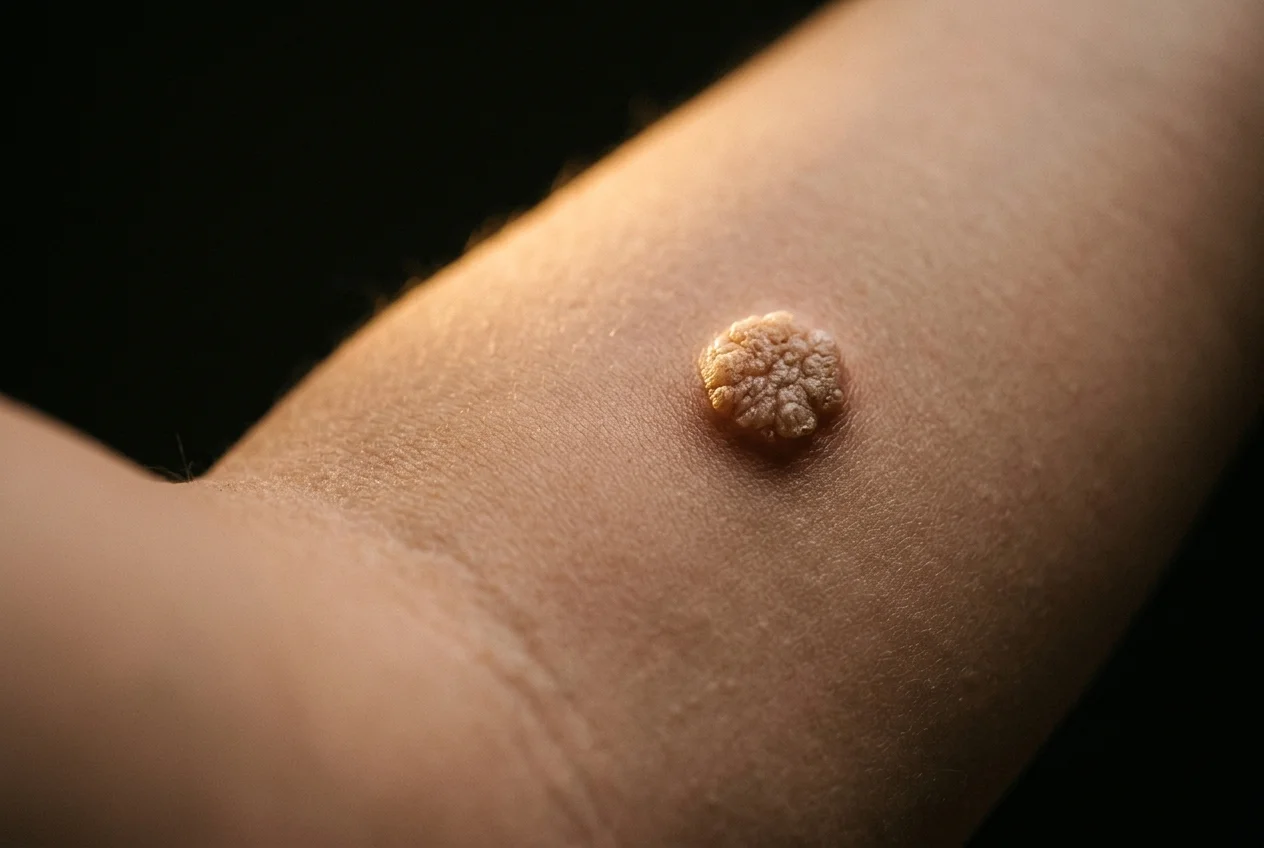
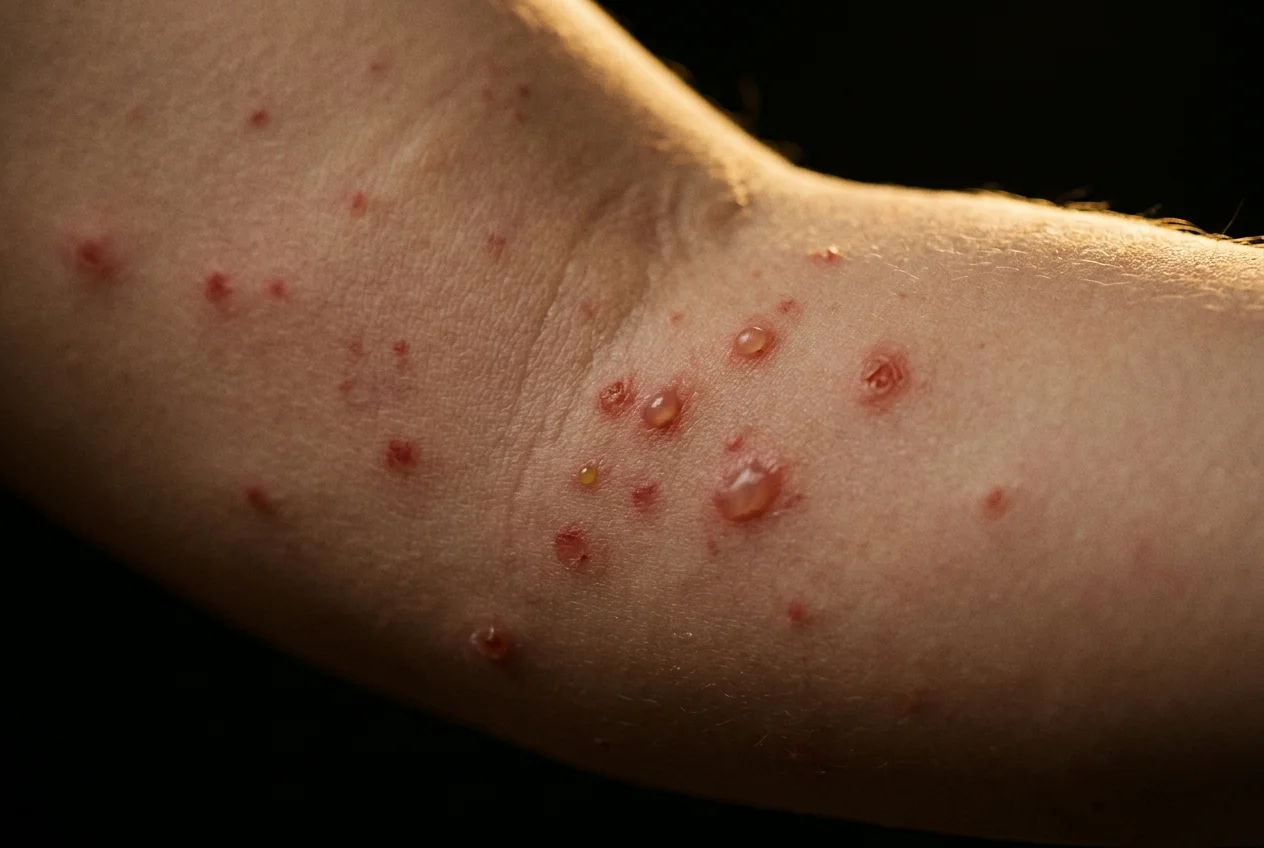
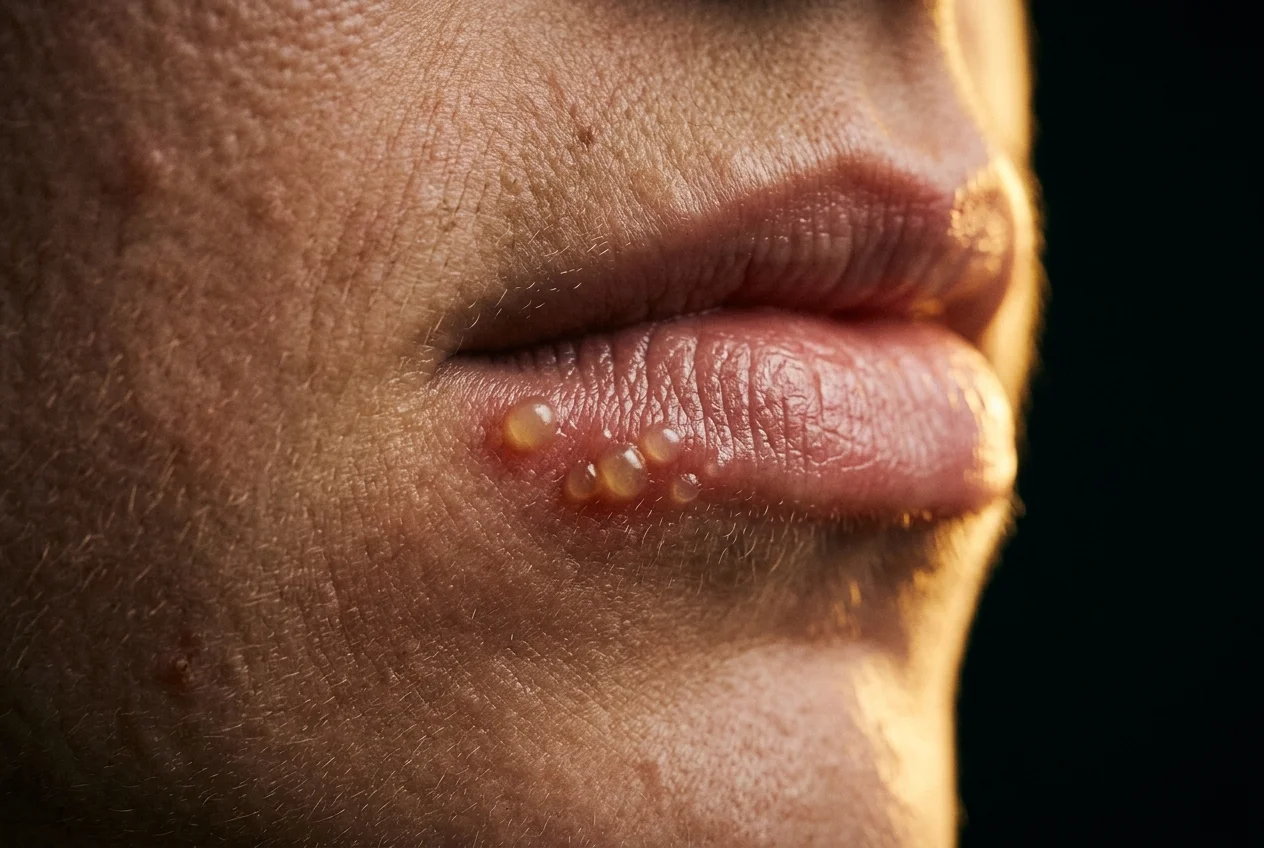
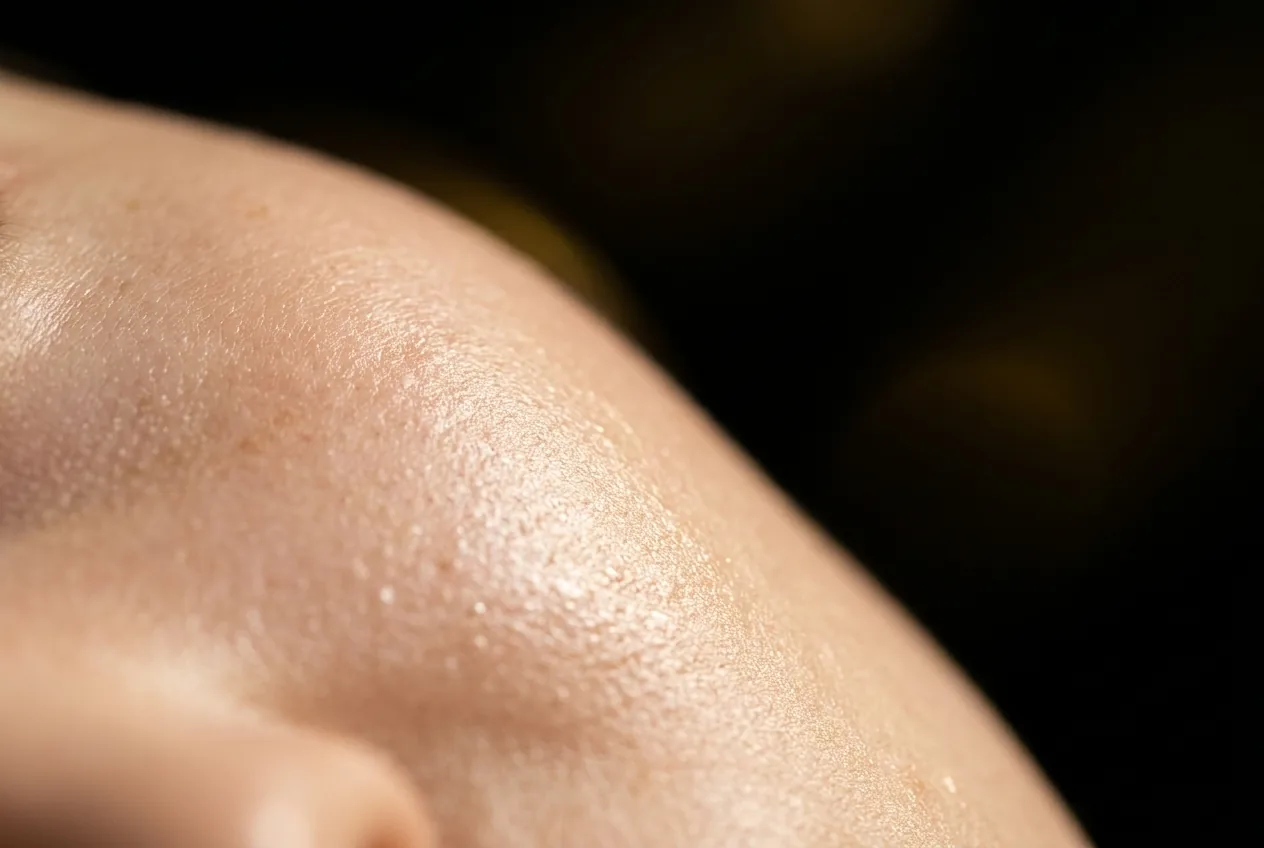
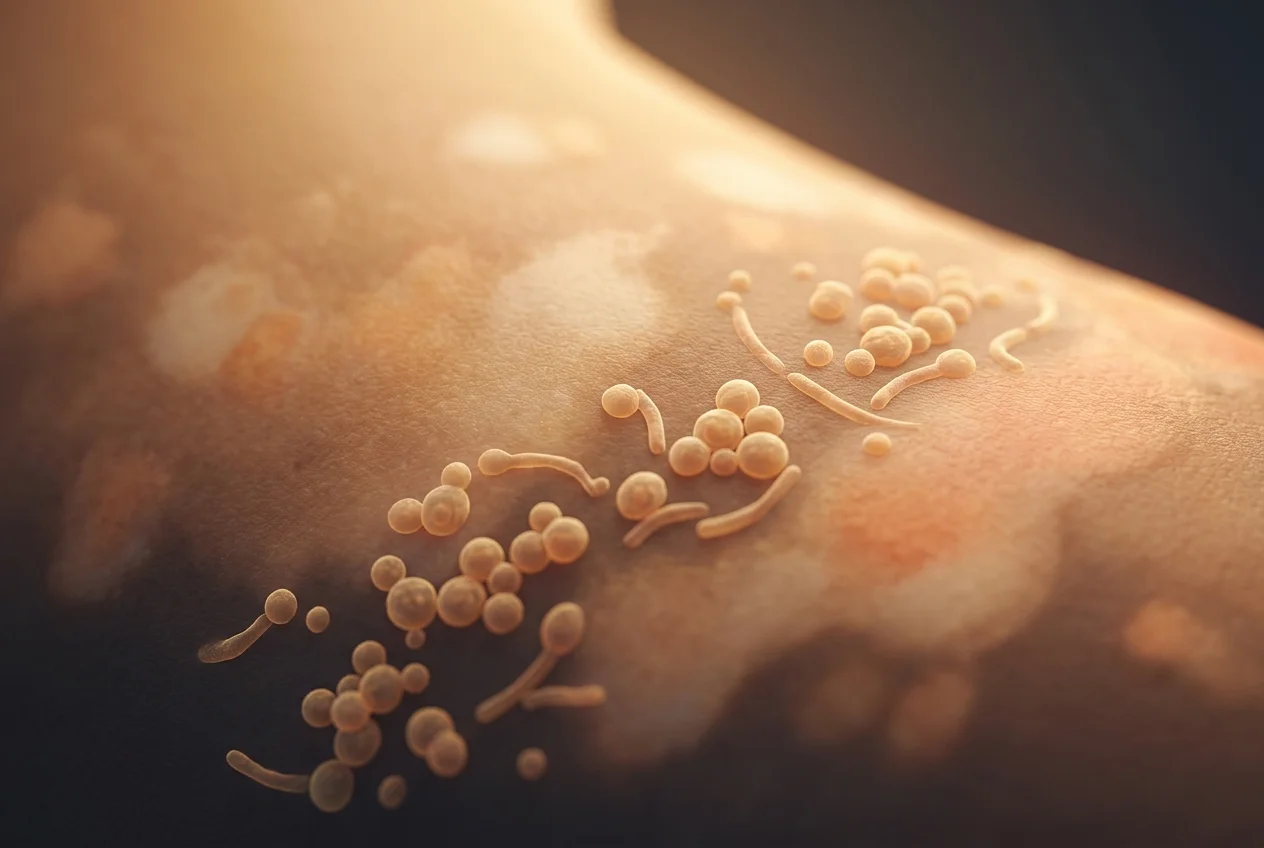
Molluscum contagiosum is a skin infection caused by a virus of the poxvirus family. It produces small rounded lesions, with a shiny appearance and a characteristic depression in the centre (umbilicated).
It is a benign and very common disease, especially in children, although it can also affect adolescents and adults. In most healthy people, the body eliminates the virus spontaneously over time.
Why does it appear?
Molluscum contagiosum occurs when the virus enters the skin through small lesions or microfissures.
How is it transmitted? It can be transmitted by direct skin-to-skin contact, contact during play between children, sexual intercourse in adults when the lesions are located in the genital area, sharing towels, sponges or sports equipment (less frequent) and self-inoculation, by scratching a lesion and spreading the virus to other areas of the body.
Who is at greater risk? It is more frequent in children between 2 and 10 years old, people with atopic dermatitis, athletes who practise contact sports, immunosuppressed people and sexually active adults when it affects the genital region.
Why do more lesions appear over time? Each lesion contains millions of viral particles. By scratching or manipulating them, the virus can spread to other areas of the skin, giving rise to new molluscum lesions.
What are the symptoms?
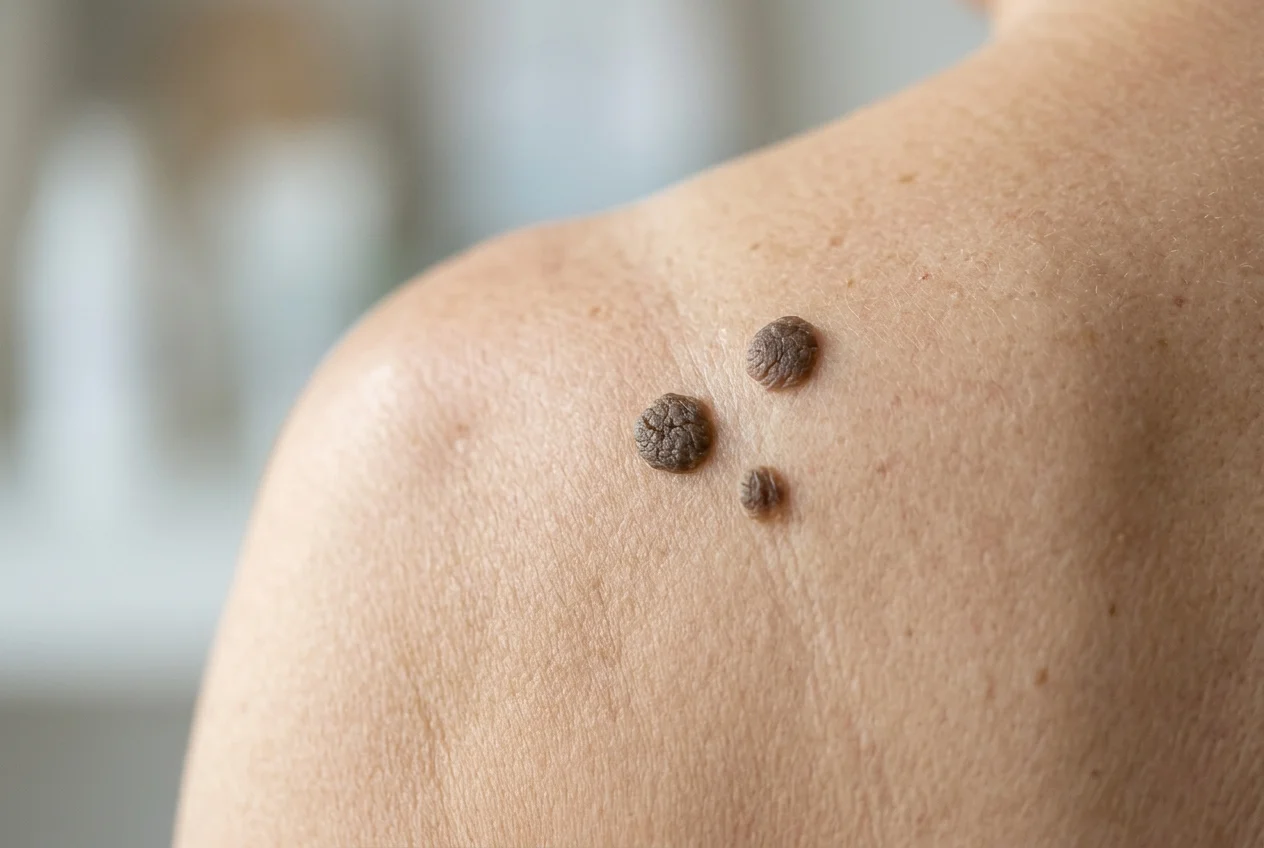
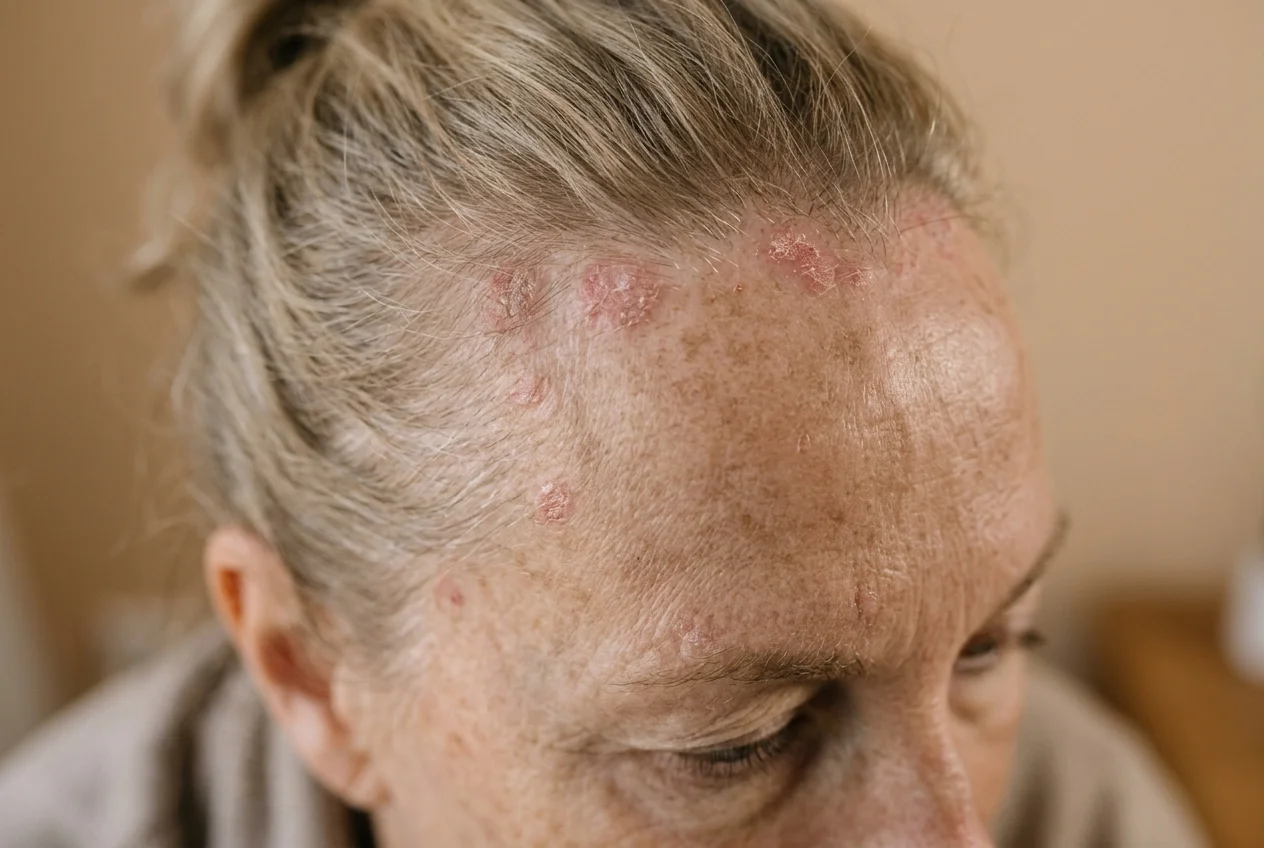
Most molluscum lesions do not cause pain. The lesions are usually small (2-5 mm), rounded, smooth and shiny, skin-coloured, white or slightly pink, with a small central depression. One or several lesions can appear, and even dozens in some patients.
The most frequent locations are the face (in children), the trunk, the armpits, the arms, the legs and the groin and genitals (in adults).
They can sometimes cause itching, redness around the lesion and inflammation before disappearing (a sign that the immune system is eliminating the virus).
How is it diagnosed?
The diagnosis is usually clinical. The doctor recognises the molluscum by its characteristic appearance.
In unusual cases, dermatoscopy or a skin biopsy may be used, when there are doubts with other lesions.
What treatments are available?
In many cases it is not essential to treat the molluscum, as it disappears spontaneously within months. However, treatment may be recommended to avoid contagion, self-inoculation or for aesthetic reasons.
Curettage. It consists of removing the lesion with a small surgical curette. It is one of the most effective treatments and offers immediate results.
Cryotherapy. It consists of freezing each lesion with liquid nitrogen. It is a frequent option in adolescents and adults.
Topical treatments. In some patients, specific products indicated by the doctor may be used to help eliminate the lesions.
Treatment of associated dermatitis. If there is eczema around the molluscum lesions, it must also be treated to reduce itching and prevent scratching.
What can you do day to day?
To avoid contagion and the appearance of new lesions it is recommended to:
- Not scratch the molluscum lesions.
- Not try to pull them out at home.
- Maintain good skin hygiene.
- Cover the lesions during contact sports activities when possible.
- Not share towels, sponges or razors.
- Properly treat atopic dermatitis if it exists.
Children can continue to attend school or nursery, unless there is a specific indication from the centre or if the lesions cannot be covered during certain activities.
When should you seek prompt medical advice?
Although it is not usually an emergency, you should consult if the lesions increase rapidly in number, signs of infection appear (intense pain, pus or fever), the lesions affect the eyelids or eyes, there is immunosuppression, the diagnosis is not clear, or the lesions persist for a long time or cause significant discomfort.
Myths and facts
- Myth: Molluscum lesions appear due to lack of hygiene. Fact: No. They are a viral infection and can appear in anyone.
- Myth: They must all be removed immediately. Fact: Many disappear spontaneously, although in some cases treatment speeds up healing and reduces contagion.
- Myth: If a lesion disappears, the virus has completely disappeared. Fact: New molluscum lesions can appear while the virus is still present in the skin.
- Myth: Only children have molluscum. Fact: They can also appear in adolescents and adults.
- Myth: They always leave a scar. Fact: They generally heal without leaving permanent marks, especially if they are not manipulated.
The key points to remember
- Molluscum contagiosum is a benign viral skin infection.
- It is transmitted mainly by direct contact with the lesions.
- It produces small shiny papules with a characteristic central depression.
- Many cases disappear spontaneously.
- Curettage and cryotherapy are effective treatments when indicated.
- Avoiding manipulating the lesions helps to reduce contagion and the appearance of new molluscum lesions.
Frequently asked questions
Is it a contagious disease?
Yes. Direct contact with the lesions can transmit the virus.
Is it dangerous?
No. In healthy people it is a benign infection.
Do they disappear on their own?
Yes. Most disappear spontaneously, although the process can take several months or even more than a year.
Can I swim in a pool?
Yes. The risk of transmission in pools is low, although it is advisable to cover the lesions when possible and not share towels.
Can I play sport?
Yes. In contact sports it is advisable to cover the lesions.
Can they come back?
Yes. New lesions can appear through self-inoculation before the immune system completely eliminates the virus.
Can adults be infected sexually?
Yes. When the lesions are located in the genital region, transmission usually occurs during sexual intercourse.
Should I treat all the molluscum lesions?
It will depend on the age, the number of lesions, the location and the patient's preferences.
What happens if they become inflamed?
Moderate inflammation usually indicates that the body is beginning to eliminate the virus.
Is there a cure?
Yes. The immune system eventually eliminates the infection and there are treatments that can speed up the disappearance of the lesions.
Need personalised guidance?
This guide is for information only and does not replace a medical consultation. For an assessment tailored to your case, you may request a consultation.
Request a consultationTopics