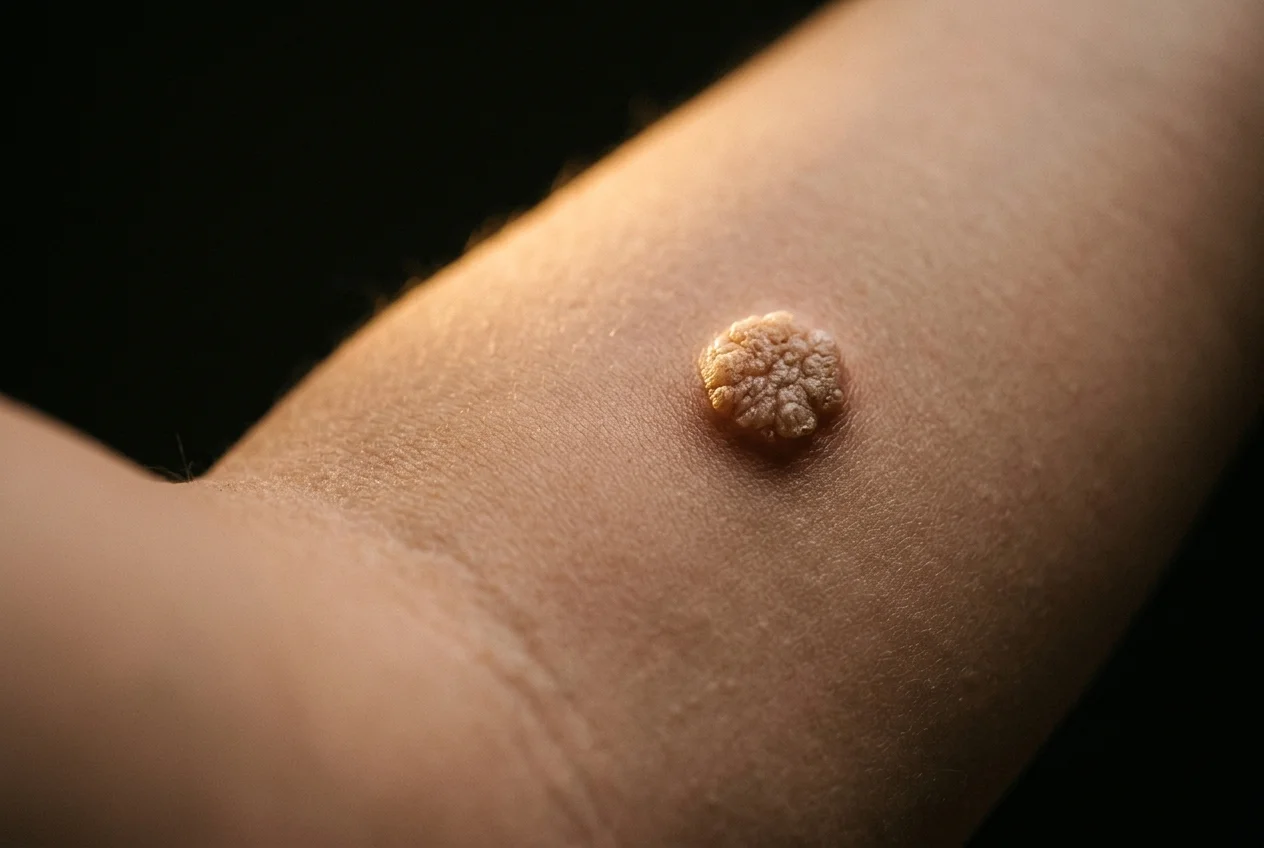
Warts are benign lesions caused by the human papillomavirus. Learn how they are transmitted, the different types of warts and the most effective treatments to remove them.
What are warts?
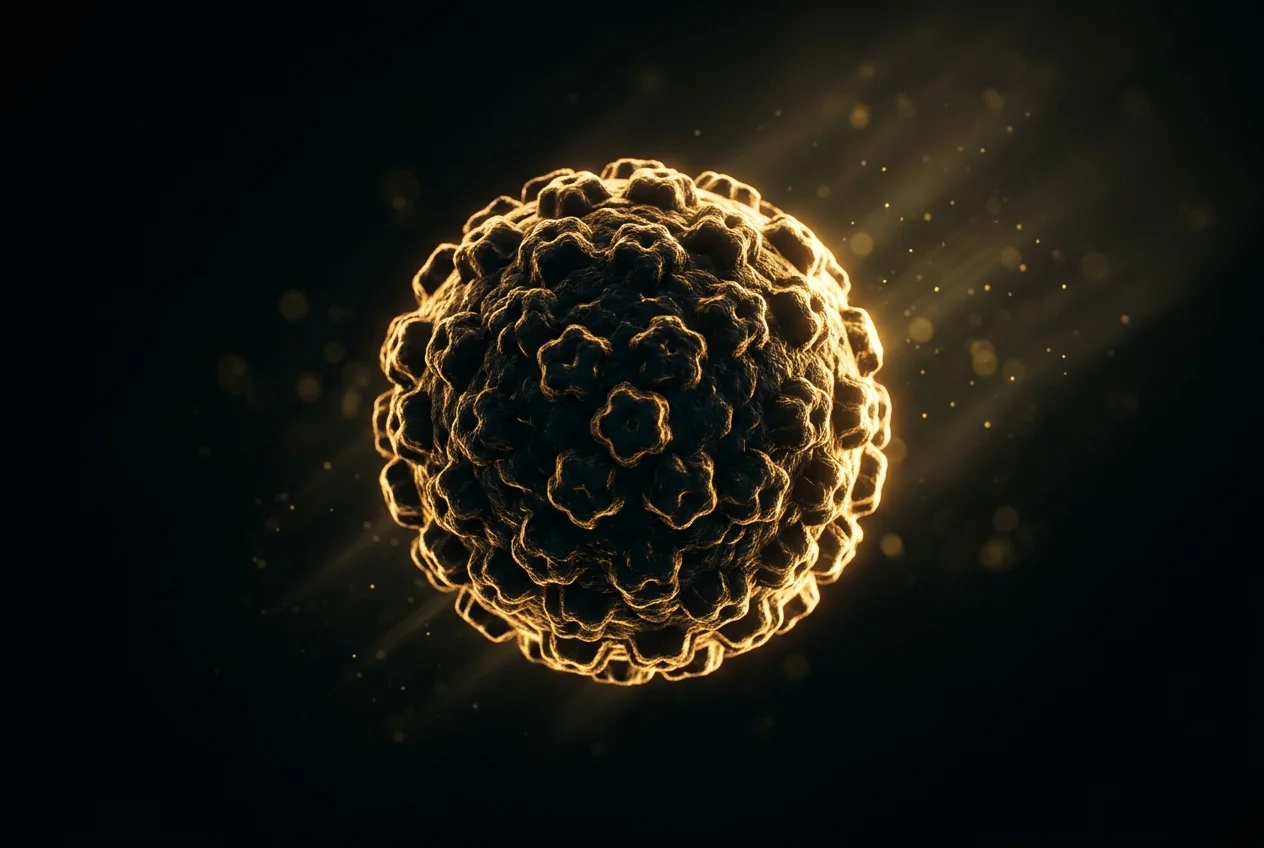
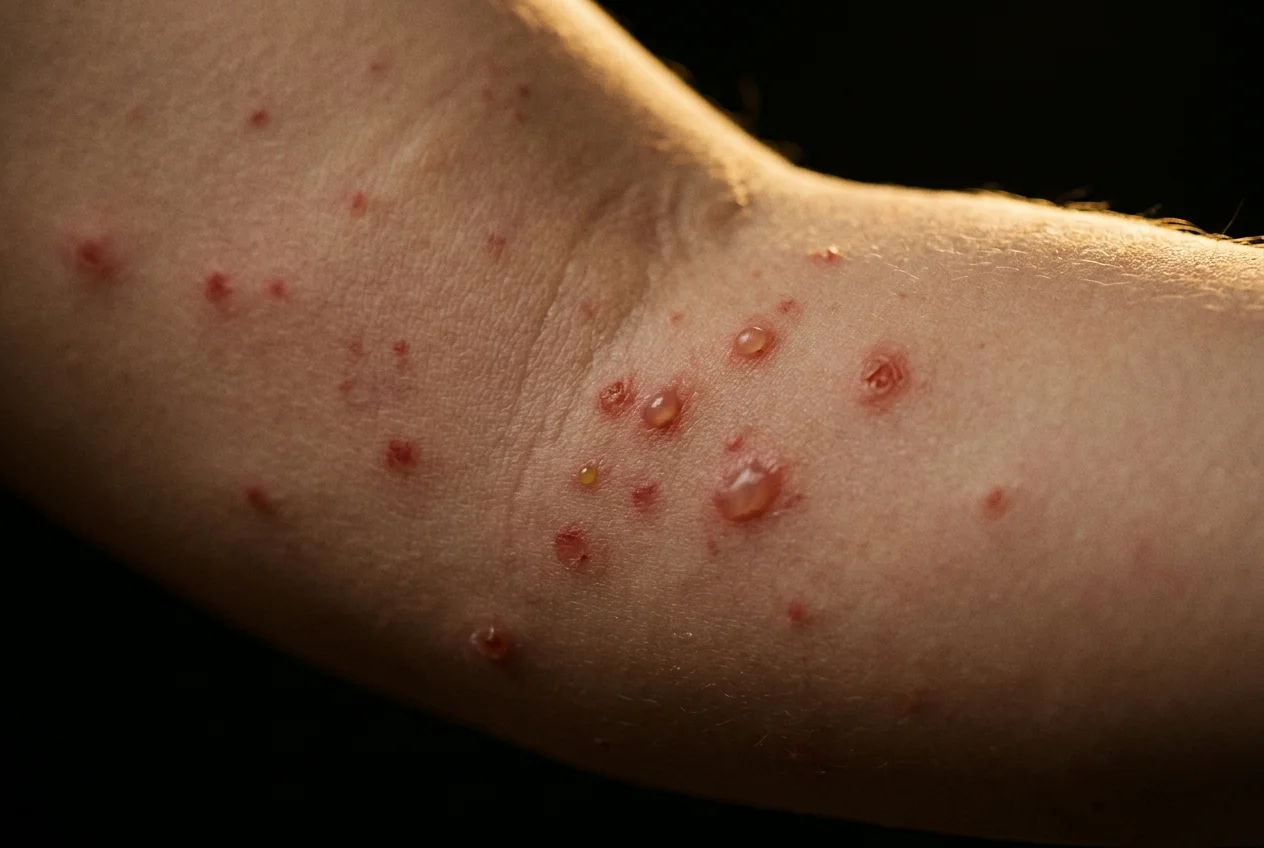
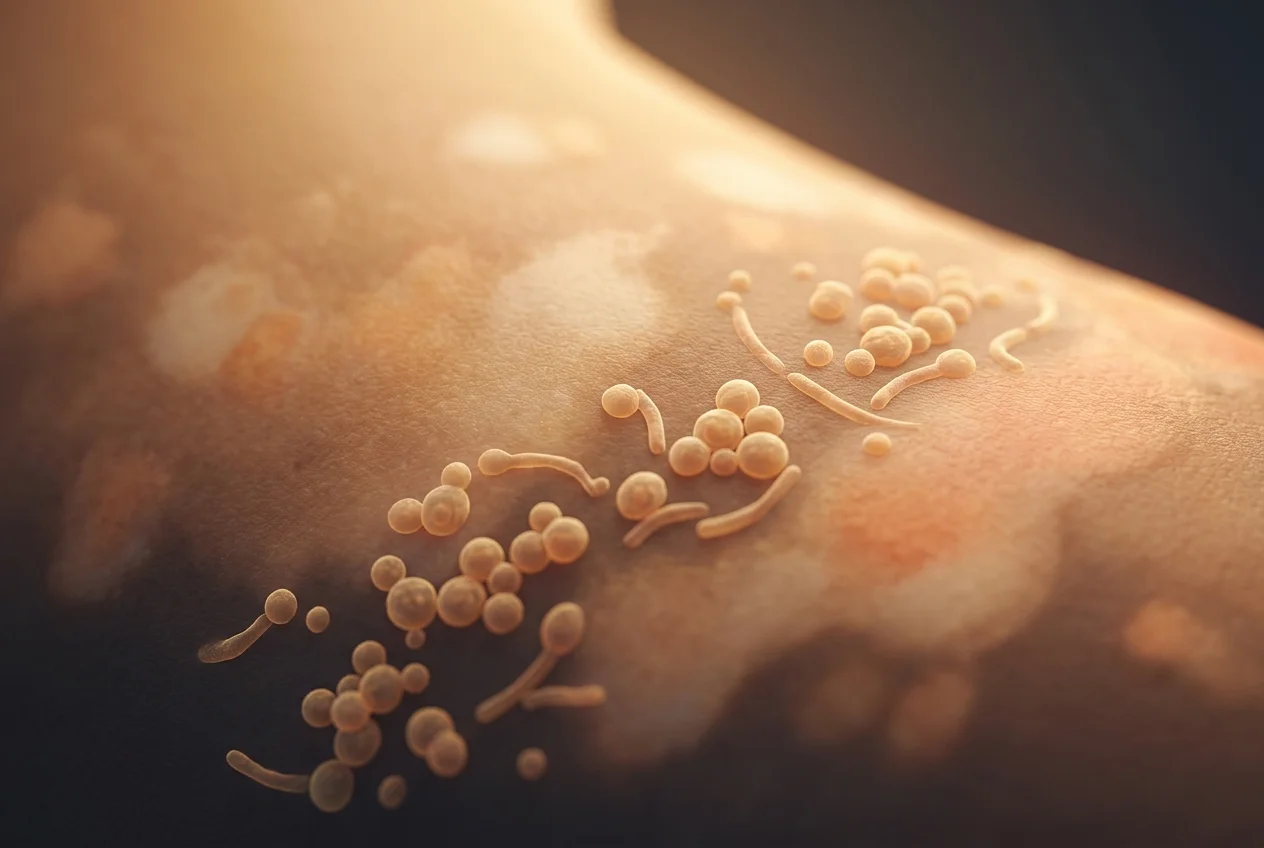
Warts are small benign skin growths caused by the human papillomavirus (HPV). There are more than 200 types of human papillomavirus, and each one tends to produce lesions in specific areas of the body.
Warts are very common and can appear at any age, although they are especially common in children, adolescents and young adults. In most cases they are benign and many disappear spontaneously thanks to the response of the immune system.
Why do they appear?
Warts appear when the human papillomavirus penetrates the skin through small wounds or microfissures. Once inside, the virus infects the superficial skin cells and stimulates their growth, forming the wart.
How are they transmitted? Transmission can occur by direct contact with a wart, contact with contaminated surfaces (showers, pools or changing rooms), self-contagion by manipulating or scratching a wart and by sharing files, blades or nail clippers. Not everyone exposed develops warts: susceptibility depends on the immune system and the type of virus.
Who is at greater risk? Warts are more frequent in children and adolescents, people with atopic dermatitis, athletes who use changing rooms or pools, immunosuppressed people and patients with small repeated wounds on the hands or feet.
What types of warts exist?
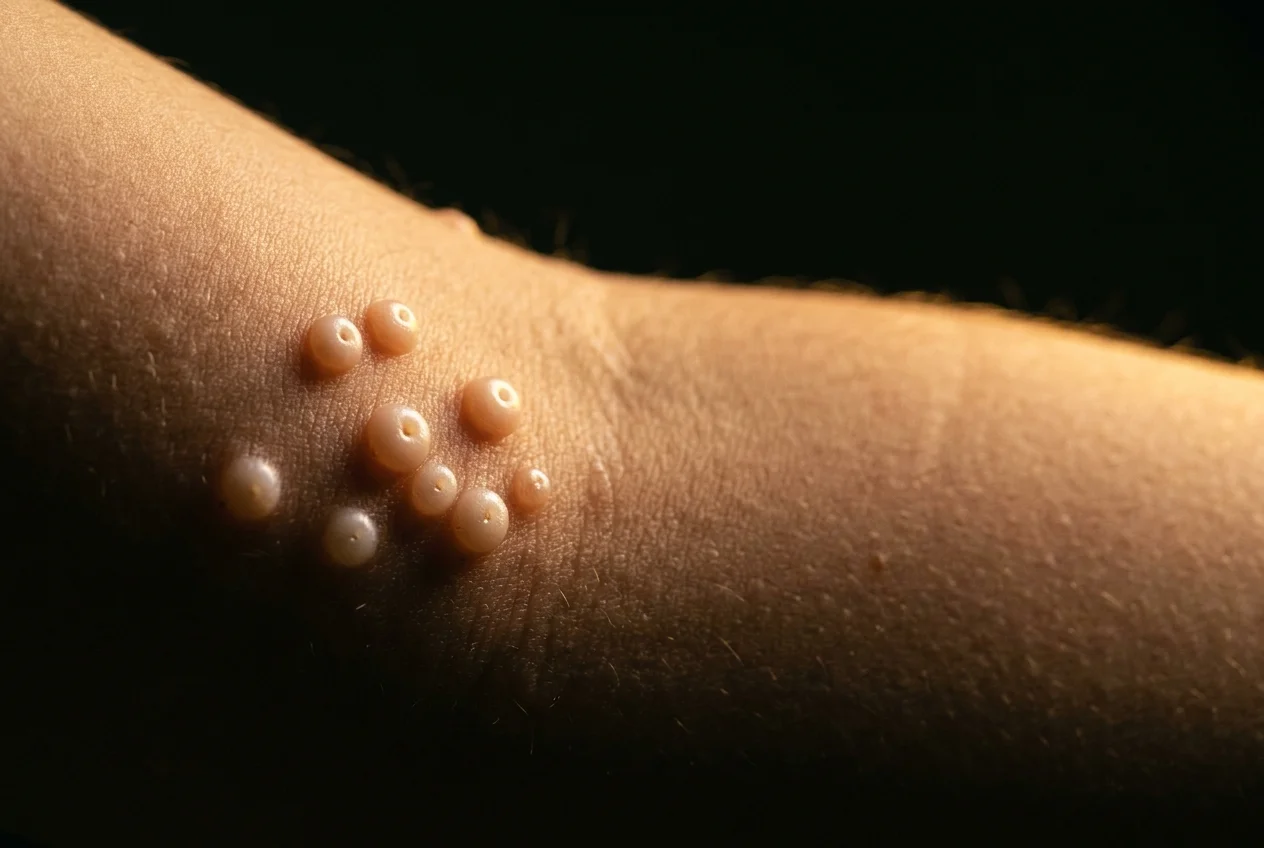
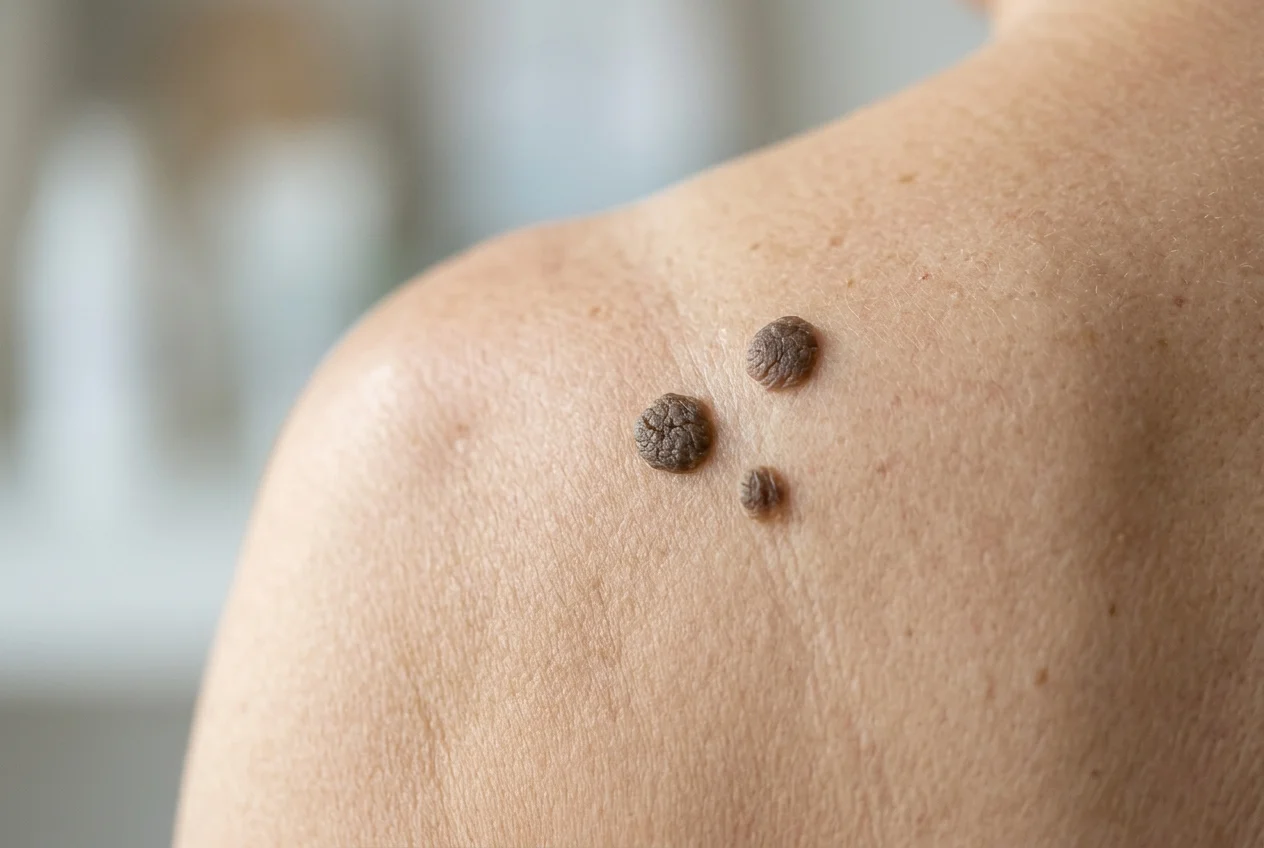
Common warts. They are the most frequent. They appear mainly on the hands, fingers and knuckles. They have a rough and hardened surface.
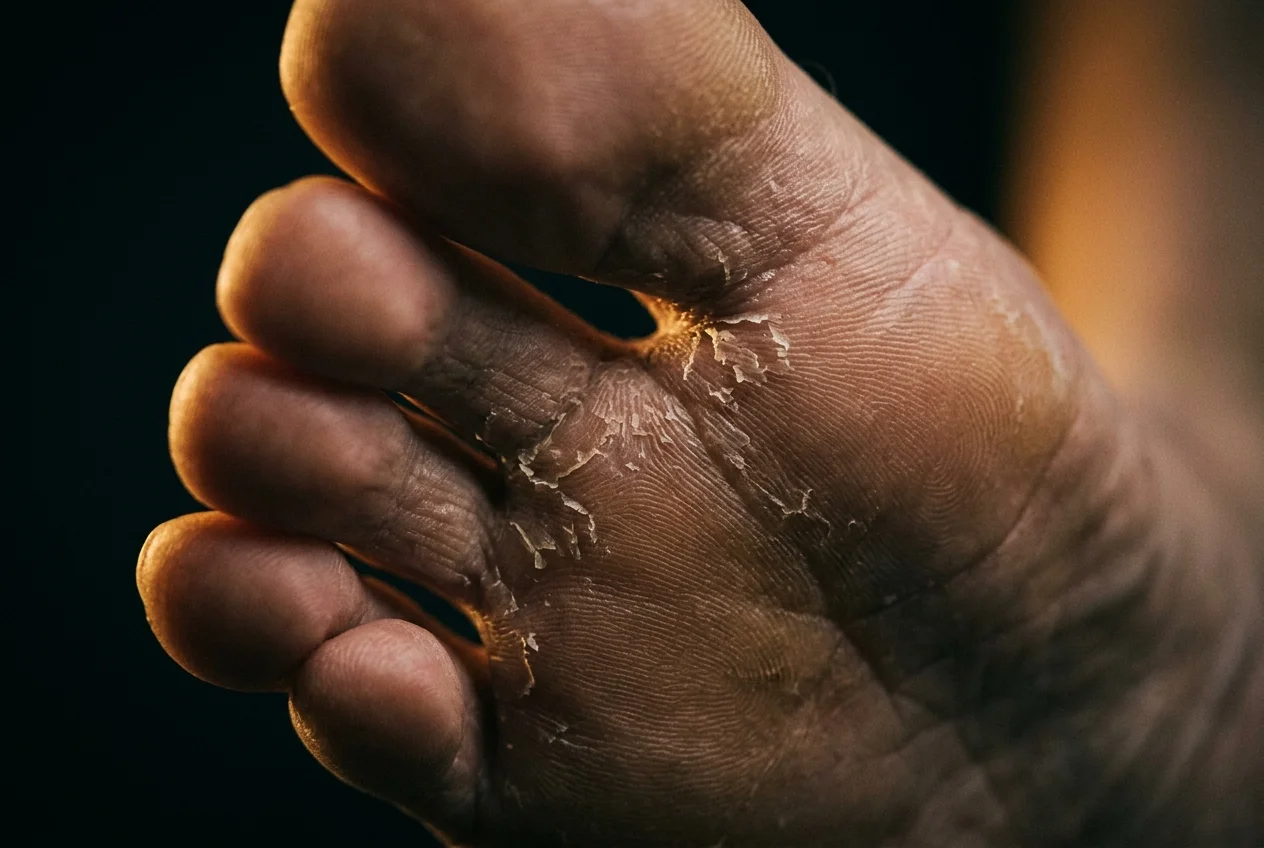
Plantar warts. They are located on the sole of the feet. Due to the pressure when walking they tend to grow inwards and can be painful.
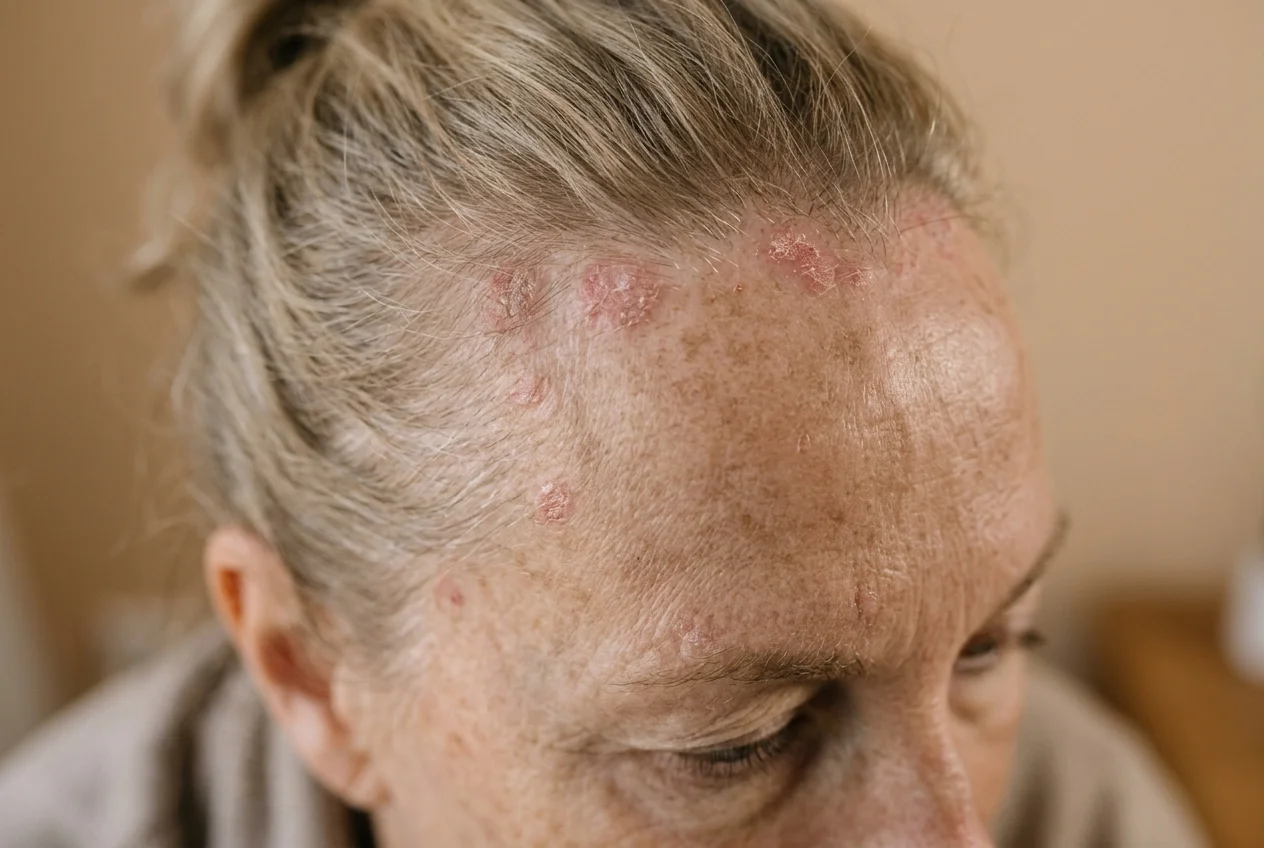
Flat warts. They are small, smooth and slightly raised. They usually appear on the face, neck, hands and legs. They are especially frequent in children and young adults.
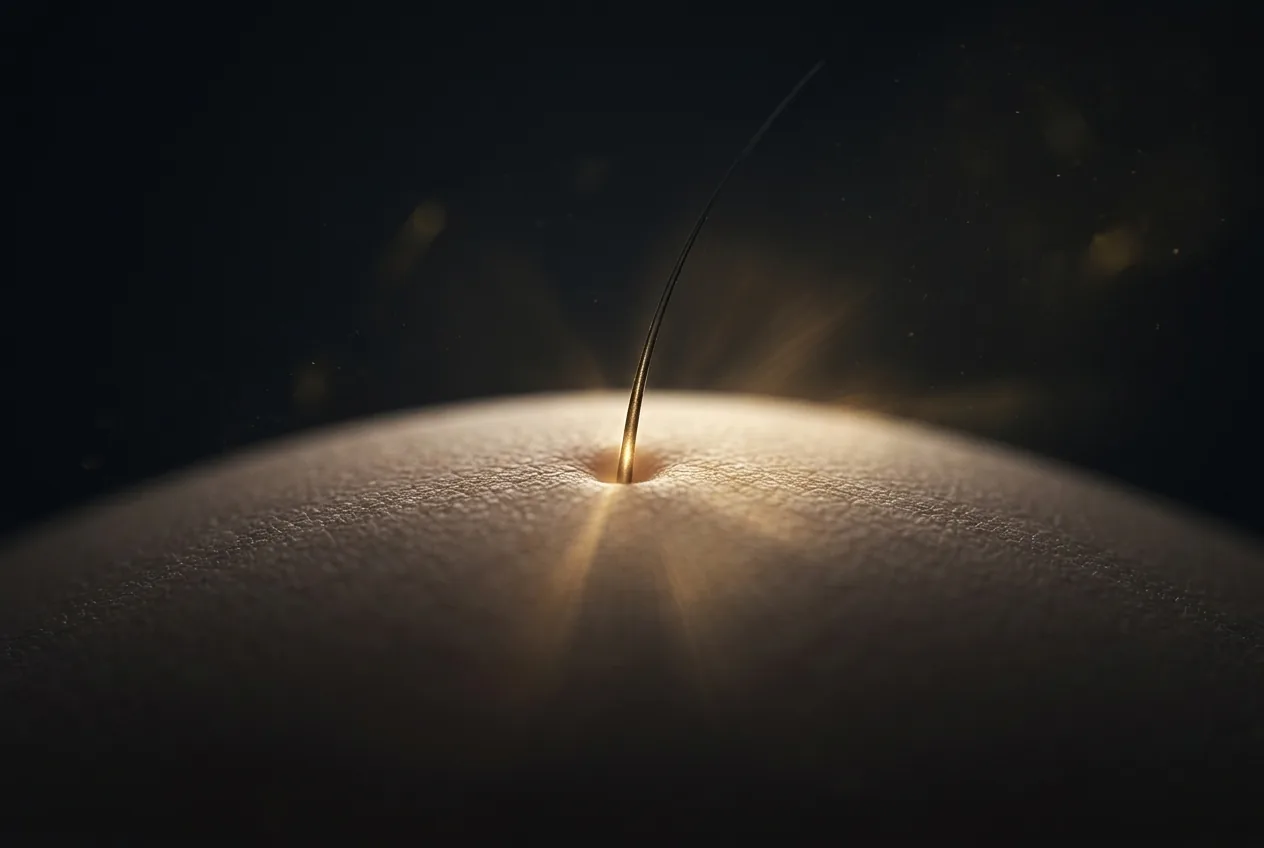
Filiform warts. They are elongated and thin. They appear mainly around the eyelids, nose, lips and neck.
Periungual warts. They develop around the nails and can deform them if they grow for a long time.
What are the symptoms?
Many warts do not cause discomfort. Depending on the location they can cause pain when walking (plantar warts), discomfort when grasping objects, bleeding after trauma, aesthetic problems and progressive growth.
Some have small black dots inside, which correspond to small thrombosed blood vessels.
How is it diagnosed?
The diagnosis is usually made through clinical examination. The doctor can use dermatoscopy to confirm the diagnosis and a biopsy only when there are doubts with other skin lesions.
It is important to differentiate warts from calluses, seborrhoeic keratoses, molluscum contagiosum, precancerous lesions and some skin tumours.
What treatments are available?
Not all warts need immediate treatment, as many disappear spontaneously. When they cause discomfort, increase in size or persist, there are different therapeutic options.
Salicylic acid. It is one of the most used treatments. It works by progressively eliminating the superficial layers of the wart.
Cryotherapy. It consists of applying liquid nitrogen to destroy the infected tissue. It is one of the most effective and used treatments.
Curettage or electrocoagulation. In some cases the wart can be removed through a small procedure.
Immunomodulatory treatments. In resistant warts, treatments aimed at stimulating the immune response against the virus can be used.
Laser. It can be used in persistent or difficult-to-treat warts.
Why do some warts come back? Although the wart disappears, the virus can remain in the skin for a while, so new lesions or recurrences can appear.
What can you do day to day?
To avoid contagion and spread it is recommended to:
- Not pull off or cut the warts.
- Not bite the nails if there are warts on the hands.
- Cover plantar warts during sports activities.
- Use flip-flops in public showers and changing rooms.
- Not share files, blades, nail clippers or towels.
- Wash your hands after touching a wart.
When should you seek prompt medical advice?
You should see the doctor if the lesion changes appearance rapidly, bleeds easily, causes a lot of pain, if numerous warts appear in a short time, if your defences are low, if the diagnosis is not clear or if home treatments do not work.
Myths and facts
- Myth: Warts have deep roots. Fact: No. They are superficial lesions produced by a virus.
- Myth: Touching a frog gives you warts. Fact: It is a myth. Warts are caused by the human papillomavirus.
- Myth: If I cut a wart it will disappear. Fact: Manipulating it can favour bleeding, infection and self-contagion.
- Myth: All warts are contagious. Fact: They can transmit the virus, but the risk depends on the type of wart, the contact and the susceptibility of each person.
- Myth: They all need treatment. Fact: Many disappear spontaneously over time.
The key points to remember
- Warts are caused by the human papillomavirus (HPV).
- They are benign and very common lesions.
- Many disappear spontaneously.
- Cryotherapy and salicylic acid are very effective treatments.
- They should not be manipulated or cut at home.
- Maintaining good hygiene and avoiding sharing personal items helps to reduce contagion.
Frequently asked questions
Do warts disappear on their own?
Yes. Many disappear spontaneously, although they can take months or even years.
Are they a cancer?
No. Common skin warts are benign lesions.
Can I infect my family?
Yes, although the risk can be reduced by avoiding direct contact and not sharing personal items.
Does the pool favour contagion?
Yes. Walking barefoot in public showers and pools increases the risk of plantar warts.
Does cryotherapy hurt?
It can cause brief discomfort and a temporary burning sensation.
Why do they come back?
Because the virus can remain in the skin until the immune system eliminates it completely.
Are genital warts the same as hand warts?
No. They are caused by different types of the human papillomavirus and require specific management.
Can I cut them at home?
No. It can favour infection and the spread of the virus.
Is there a vaccine?
HPV vaccines protect against certain types of virus related to genital warts and some cancers, but do not prevent all common skin warts.
Is there a cure?
Yes. Most disappear with treatment or thanks to the response of the immune system.
Need personalised guidance?
This guide is for information only and does not replace a medical consultation. For an assessment tailored to your case, you may request a consultation.
Request a consultationTopics