Chickenpox
Very contagious childhood viral disease
Chickenpox is a very contagious viral disease that produces fever and a rash with blisters. Learn how it is transmitted, how it is treated, what its possible complications are and the important role of vaccination in its prevention.
What is chickenpox?
Chickenpox is a very contagious infectious disease caused by the varicella-zoster virus (VZV). It is characterised by the appearance of a skin rash with small very itchy blisters that appear at different stages at the same time.
It is a typical childhood disease, although it can also affect adolescents and adults who have not had it previously or are not vaccinated. In most healthy children it evolves favourably, but in adults, pregnant women, newborns and people with low defences it can produce important complications.
Once the infection is overcome, the virus remains latent in the body and years later can reactivate in the form of shingles.
Why does it appear?
Chickenpox is produced by the varicella-zoster virus.
How is it transmitted? It is one of the most contagious diseases that exist. The virus is transmitted by respiratory droplets when talking, coughing or sneezing, by direct contact with the fluid of the blisters and by close contact with an infected person. A person with chickenpox can be contagious from 1-2 days before the appearance of the rash until all the lesions are dry and covered with crusts.
Who is at greater risk? The people at greatest risk of suffering severe forms are adults, pregnant women, newborns, immunosuppressed people and unvaccinated people.
What are the symptoms?
The disease usually begins with general symptoms for one or two days. It is frequent to present fever, general malaise, tiredness, loss of appetite and headache.
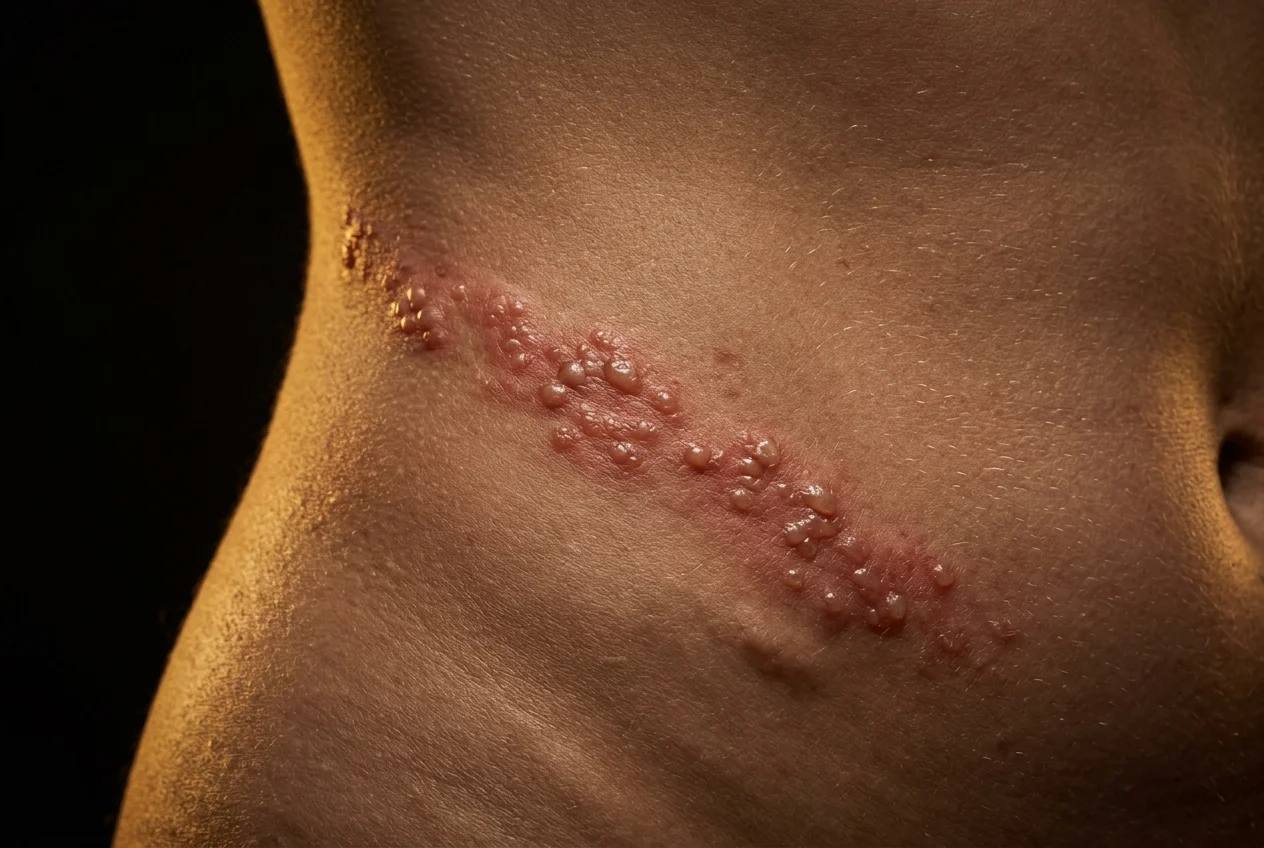
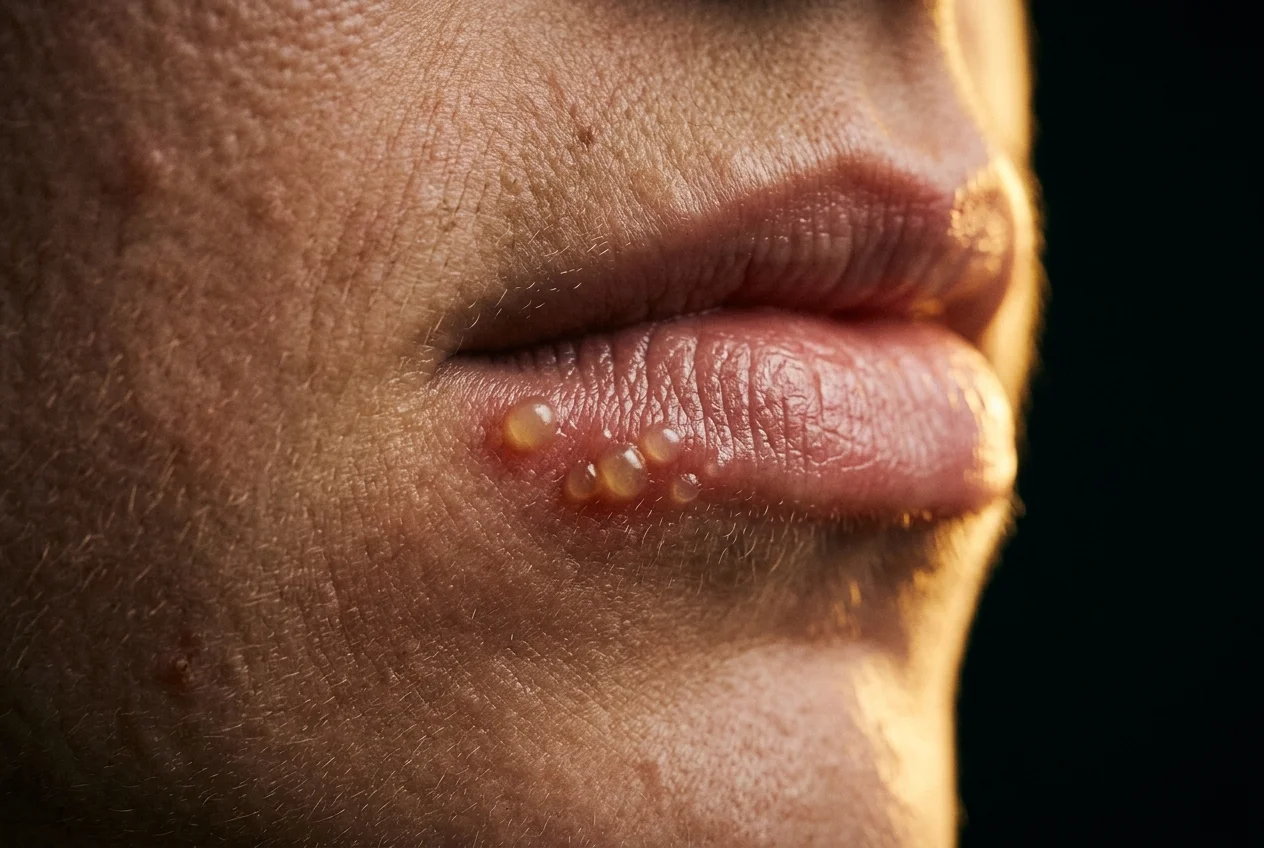
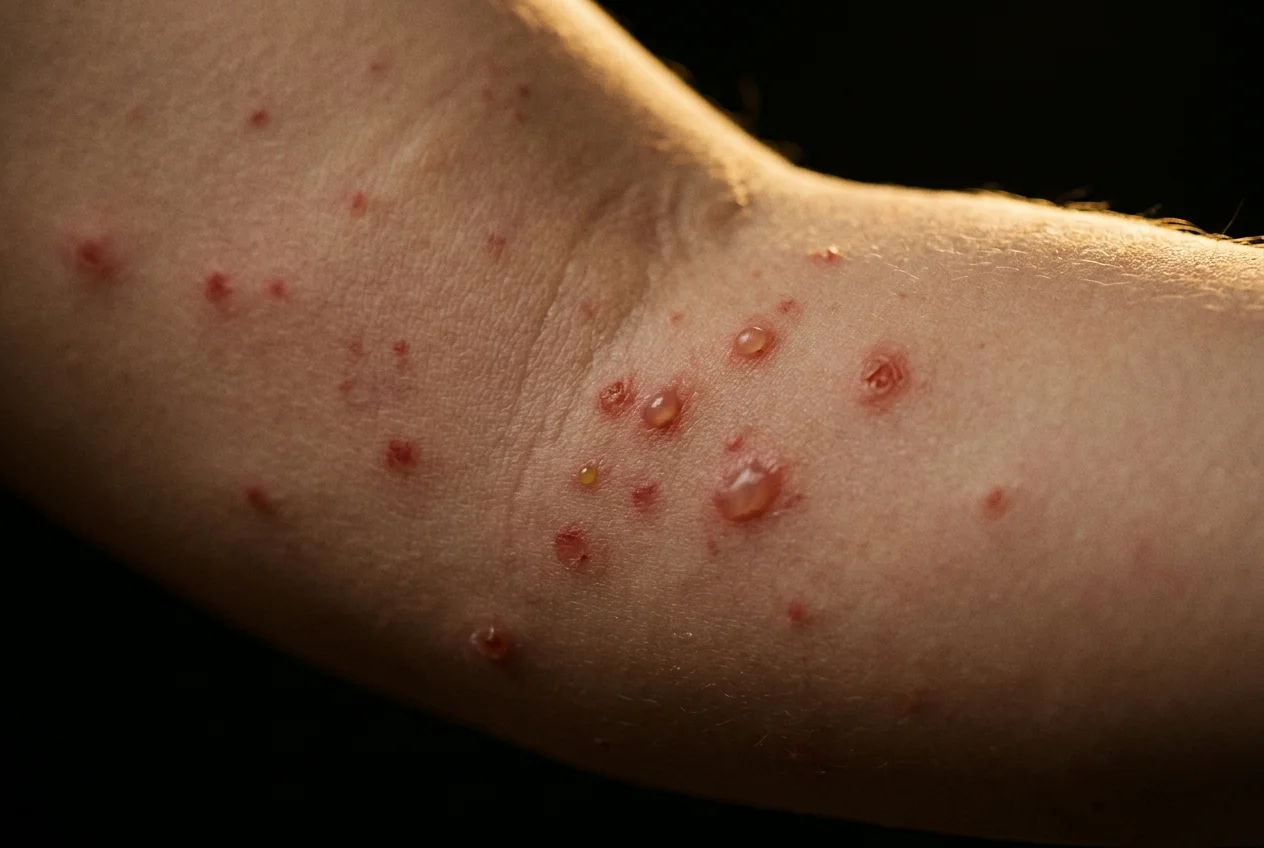
Subsequently the skin rash appears. The lesions evolve in a characteristic way: small red spots, papules, vesicles (blisters with transparent fluid) and crusts. It is usual to find lesions in all these stages at the same time.
The lesions usually begin on the face, scalp and trunk, and subsequently can spread to the arms, legs, mouth and genitals. The itching is usually intense.
How is it diagnosed?
The diagnosis is usually made through clinical examination. The combination of fever and lesions in different evolutionary stages is very characteristic.
In special cases a PCR to detect the virus, specific analyses and studies in pregnant women or immunosuppressed patients can be performed.
What treatments are available?
Treatment will depend on the age and general condition of the patient.
Symptomatic treatment. In most healthy children paracetamol for fever, maintaining good hydration, antihistamines if the itching is important and soothing lotions when indicated are recommended. The use of ibuprofen without medical indication is not recommended, since some studies have linked it to a higher risk of bacterial complications in certain situations. Likewise, acetylsalicylic acid (aspirin) should never be given to children with chickenpox, due to the risk of Reye's syndrome, an infrequent but potentially serious complication.
Antivirals. Aciclovir may be indicated in adults, pregnant women (according to medical assessment), immunosuppressed people and cases with a higher risk of complications. It is more effective when started during the first 24 hours from the appearance of the rash.
What can you do day to day?
During the illness it is recommended to avoid scratching the lesions, keep the nails short and clean, shower with warm water, use cotton clothing, maintain good hydration and rest adequately.
In addition, you should not attend school, nursery or work while there are blisters without a crust and it is advisable to avoid contact with high-risk people.
What complications can appear?
Although most children evolve favourably, complications such as bacterial infection of the lesions, pneumonia, encephalitis, hepatitis (rare) and dehydration can appear.
Complications are much more frequent in adults and immunosuppressed people.
What role does the vaccine play?
Vaccination against chickenpox has reduced the number of cases and complications very significantly.
The vaccine prevents most infections, clearly decreases severe forms and reduces hospital admissions. It is one of the most effective preventive measures available.
When should you seek prompt medical advice?
You should seek urgent care if you have difficulty breathing, significant drowsiness or confusion, a very high persistent fever, very painful lesions or with abundant pus, seizures, an intense headache accompanied by vomiting, dehydration, or if you are pregnant or immunosuppressed.
You should also consult if a newborn has been in contact with a person with chickenpox.
Myths and facts
- Myth: It is better to have chickenpox as a child than to get vaccinated. Fact: Vaccination protects against the disease and avoids many of its complications without the need to suffer the infection.
- Myth: I cannot shower if I have chickenpox. Fact: Showering with warm water helps to keep the skin clean and can relieve itching.
- Myth: The blisters must be broken to heal. Fact: No. Manipulating them increases the risk of infection and scars.
- Myth: Only children have chickenpox. Fact: Adults can also suffer it and usually present more severe forms.
- Myth: After I heal the virus disappears. Fact: The virus remains latent in the body and can reactivate years later as shingles.
The key points to remember
- Chickenpox is caused by the varicella-zoster virus.
- It produces a very itchy rash with lesions in different evolutionary stages.
- It is extremely contagious until all the lesions form a crust.
- Most children evolve favourably, but adults and immunosuppressed people present a higher risk of complications.
- Vaccination is the best way to prevent the disease and its complications.
- After the infection, the virus remains latent and can reactivate years later as shingles.
Frequently asked questions
Is it very contagious?
Yes. It is one of the most contagious viral diseases.
How long does it last?
Generally between 7 and 10 days.
Can I shower?
Yes. Maintaining correct hygiene is advisable.
Will there be scars?
Normally no, as long as the lesions are not scratched or become superinfected.
Can I have chickenpox again?
It is very infrequent. It is usually only had once.
Why does it produce so much itching?
Because the virus causes intense inflammation of the skin.
When can I return to school or work?
When all the lesions are completely dry and covered with crusts.
Can shingles appear afterwards?
Yes. The virus remains latent and can reactivate years later.
Is the vaccine still useful if I have already had the disease?
It is generally not necessary in people with demonstrated immunity, although in special situations the doctor can assess each case.
Does it have a good prognosis?
Yes. In most healthy children the recovery is complete and without sequelae.
Need personalised guidance?
This guide is for information only and does not replace a medical consultation. For an assessment tailored to your case, you may request a consultation.
Request a consultation