
Sensitive skin can produce stinging, burning and redness in response to everyday stimuli. Learn to identify its causes, protect the skin barrier and choose an appropriate routine to keep the skin healthy.
What is sensitive skin?
Sensitive skin is a condition in which the skin reacts in an exaggerated way to stimuli that should not normally cause discomfort.
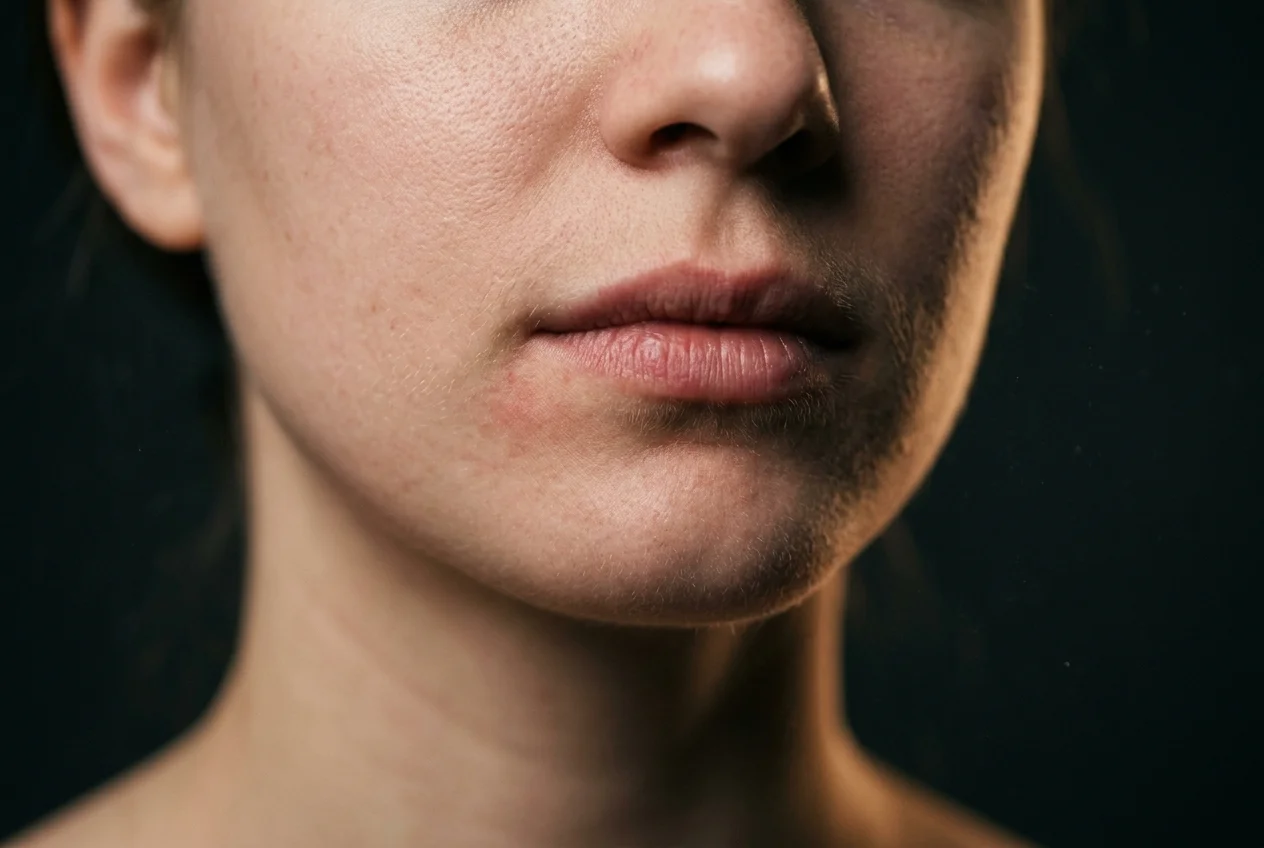
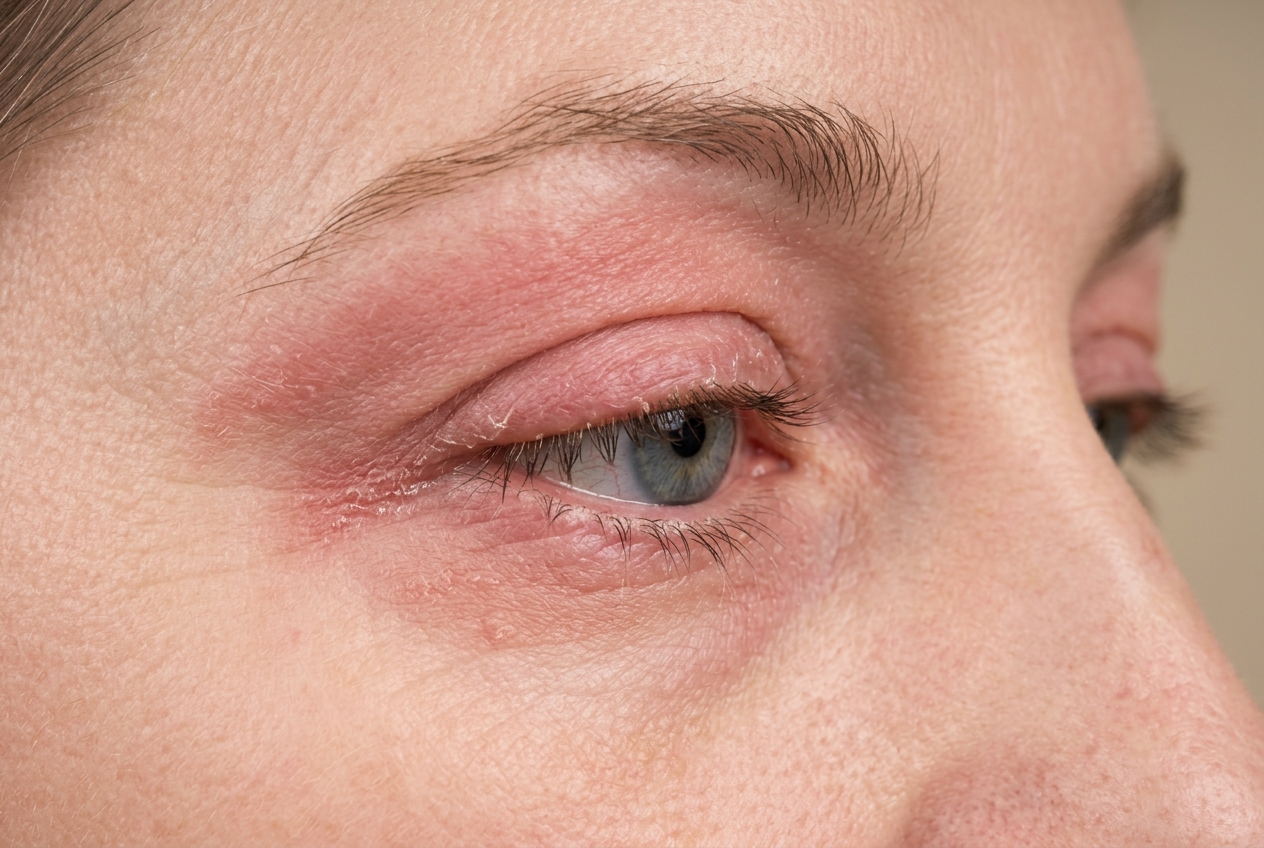
People with sensitive skin may notice stinging, burning, itching, tightness, tingling and a burning sensation. On many occasions the skin looks completely normal and, on others, it may present redness or irritation.
Sensitive skin is not a disease, but a characteristic of the skin that can appear temporarily or persistently. It is estimated to affect a significant part of the population, especially women, although it can also occur in men and children.
Why does it appear?
Sensitive skin is usually due to a combination of several factors.
Alteration of the skin barrier. The most superficial layer of the skin acts as a protective barrier. When this barrier is altered, water loss and the entry of irritant substances increase, making the skin react more easily.
Greater sensitivity of the nerve endings. People with sensitive skin have a greater response of the cutaneous nerve endings to everyday stimuli.
Environmental factors. The skin can react to cold, heat, wind, sudden temperature changes, solar radiation and pollution.
Cosmetics. Some products can trigger discomfort, especially if they contain perfumes, alcohol, exfoliating acids, irritant preservatives or intense fragrances.
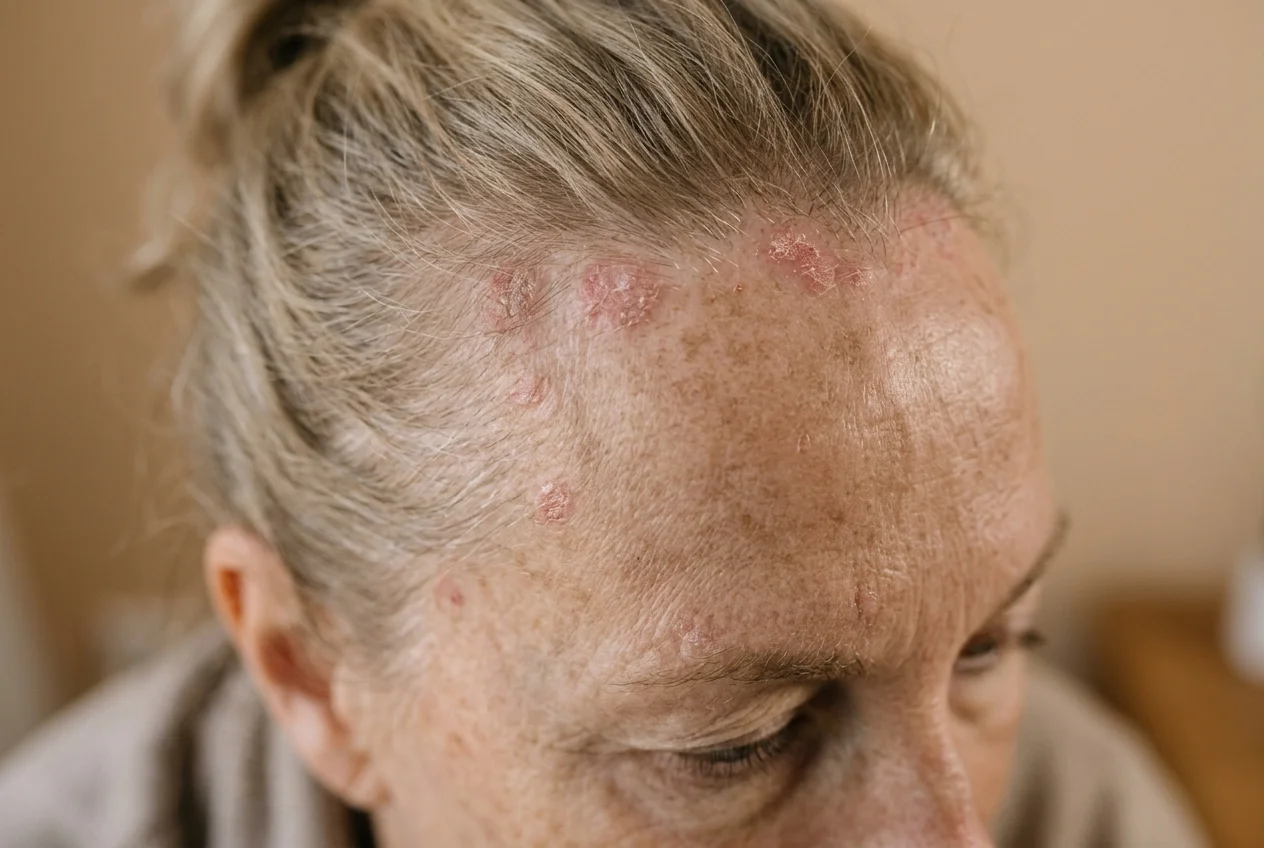
Skin diseases. Sensitive skin can be associated with diseases such as rosacea, atopic dermatitis, contact dermatitis or seborrhoeic dermatitis.
What are the symptoms?
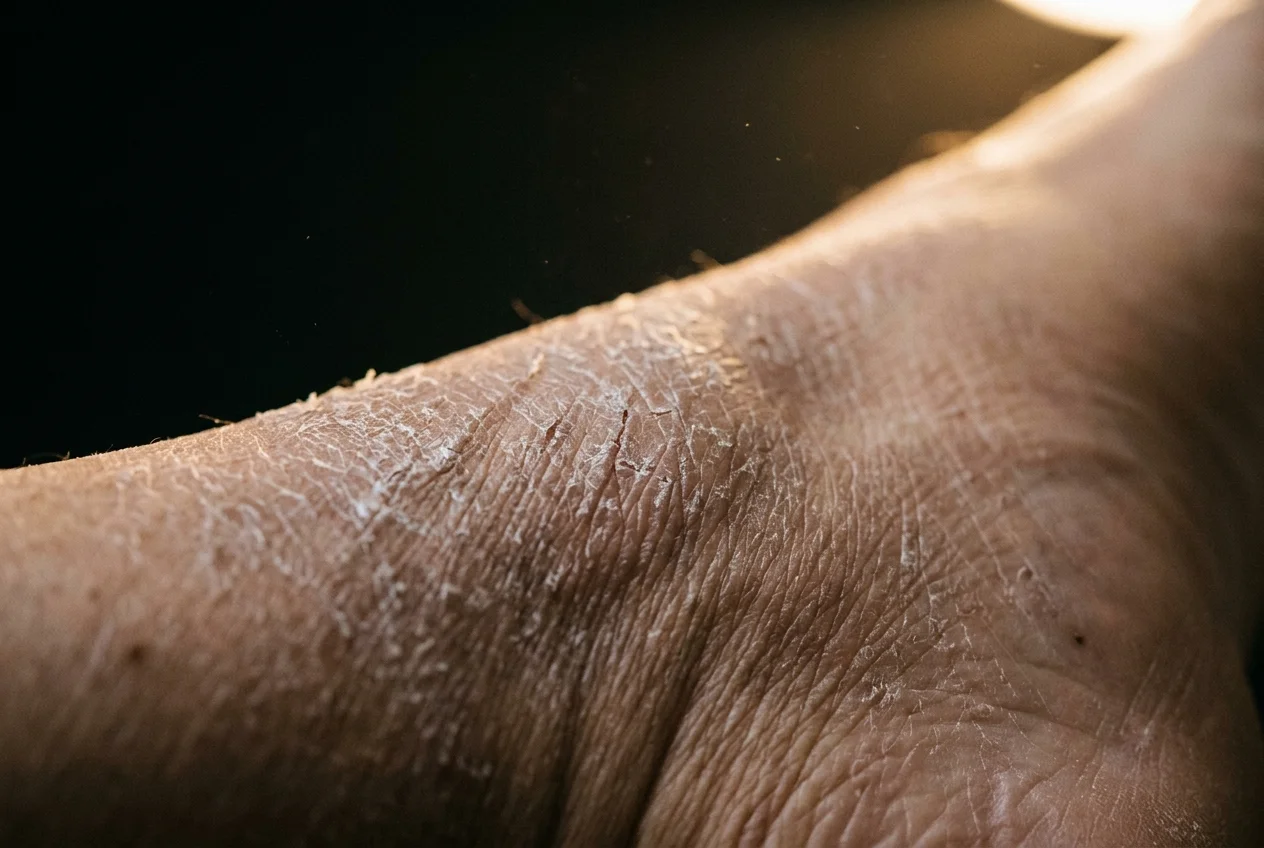
The most frequent symptoms are stinging, burning, itching, tightness, redness, dryness, slight peeling and a sensation of heat.
These discomforts usually appear after applying a cosmetic, washing the face, exposure to wind, temperature changes, sun exposure or stress.
How is it diagnosed?
Diagnosis is fundamentally clinical. The doctor will assess the symptoms, the products used, the triggering factors and the existence of associated skin diseases.
In some patients, tests such as patch testing may be necessary if an allergic contact dermatitis is suspected, or other examinations when there is diagnostic doubt.
What treatments are available?
Treatment will depend on the cause.
Repair the skin barrier. It is the most important measure. It is recommended to use moisturisers containing ingredients such as ceramides, glycerin, hyaluronic acid, niacinamide and panthenol.
Avoid irritants. It is advisable to reduce the use of unnecessary products and choose cosmetics specific to sensitive skin.
Gentle cleansing. Use cleansers without harsh soap, with a physiological pH and without perfumes.
Treatment of associated diseases. If there is rosacea, dermatitis or eczema, it will be necessary to treat the underlying disease.
What can you do day to day?
To care for sensitive skin it is recommended to:
- Use simple and well-tolerated products.
- Introduce a new cosmetic one at a time.
- Apply sunscreen SPF 50+ adapted to sensitive skin.
- Avoid aggressive exfoliations.
- Shower with lukewarm water.
- Dry the skin without rubbing.
- Maintain good skin hydration.
A simple routine is usually more effective than using numerous products.
When should you seek prompt medical advice?
Request a medical assessment if the discomfort is persistent, a significant eczema appears, there are wounds or cracks, the symptoms worsen progressively, no cosmetic is well tolerated or the irritation appears repeatedly.
Myths and facts
- Myth: Sensitive skin is an allergy. Fact: Not always. Many people have sensitive skin without having any allergy.
- Myth: The more products I use, the better my skin will be. Fact: In sensitive skin, a simple routine usually offers better results.
- Myth: Natural products never irritate. Fact: Many plant extracts and essential oils can produce irritation or allergy.
- Myth: Only people with dry skin have sensitive skin. Fact: Oily or combination skin can also be sensitive.
- Myth: Sensitive skin has no treatment. Fact: With an adequate diagnosis and an adapted routine, most people clearly improve.
The key points to remember
- Sensitive skin reacts in an exaggerated way to everyday stimuli.
- The alteration of the skin barrier plays a fundamental role.
- A simple routine and specific products are usually the best option.
- Daily hydration and photoprotection help to reduce sensitivity.
- It is important to rule out diseases such as rosacea or dermatitis when the symptoms are persistent.
- In the case of significant or repeated discomfort, consult a doctor.
Frequently asked questions
Does sensitive skin disappear?
In some cases yes, especially when the triggering factor is eliminated. In others it can be a permanent characteristic.
Can I wear makeup?
Yes. It is recommended to use makeup formulated for sensitive skin and to remove it gently at the end of the day.
Which sunscreen should I use?
A broad-spectrum SPF 50+, preferably formulated for sensitive skin and, if necessary, with mineral filters.
Should I exfoliate the skin?
Only if your doctor considers it appropriate. Frequent exfoliations can worsen sensitivity.
Does stress have an influence?
Yes. Many people notice a worsening during periods of stress.
Is sensitive skin the same as rosacea?
No. Rosacea is a specific disease that can be accompanied by sensitive skin.
Can I use retinol?
Yes, but it should be introduced progressively and with guidance if the skin is very reactive.
Do perfumes always irritate?
No, but they are one of the most frequent causes of irritation in predisposed people.
Will I need allergy tests?
Only if the doctor suspects an allergic contact dermatitis.
Does it have a good prognosis?
Yes. With adequate care, most people manage to control the symptoms very well.
Need personalised guidance?
This guide is for information only and does not replace a medical consultation. For an assessment tailored to your case, you may request a consultation.
Request a consultation