Photoprotection
How to protect your skin from the sun

Photoprotection is essential to prevent skin cancer, spots and skin ageing. Discover how to correctly choose and apply a sunscreen and what other measures help to protect your skin all year round.
What is photoprotection?
Photoprotection is the set of measures aimed at protecting the skin against ultraviolet (UV) radiation and, to a lesser extent, against visible light and infrared radiation.
It is not only about using a sunscreen. Good photoprotection also includes avoiding sunburns, wearing suitable clothing and adopting healthy sun-exposure habits.
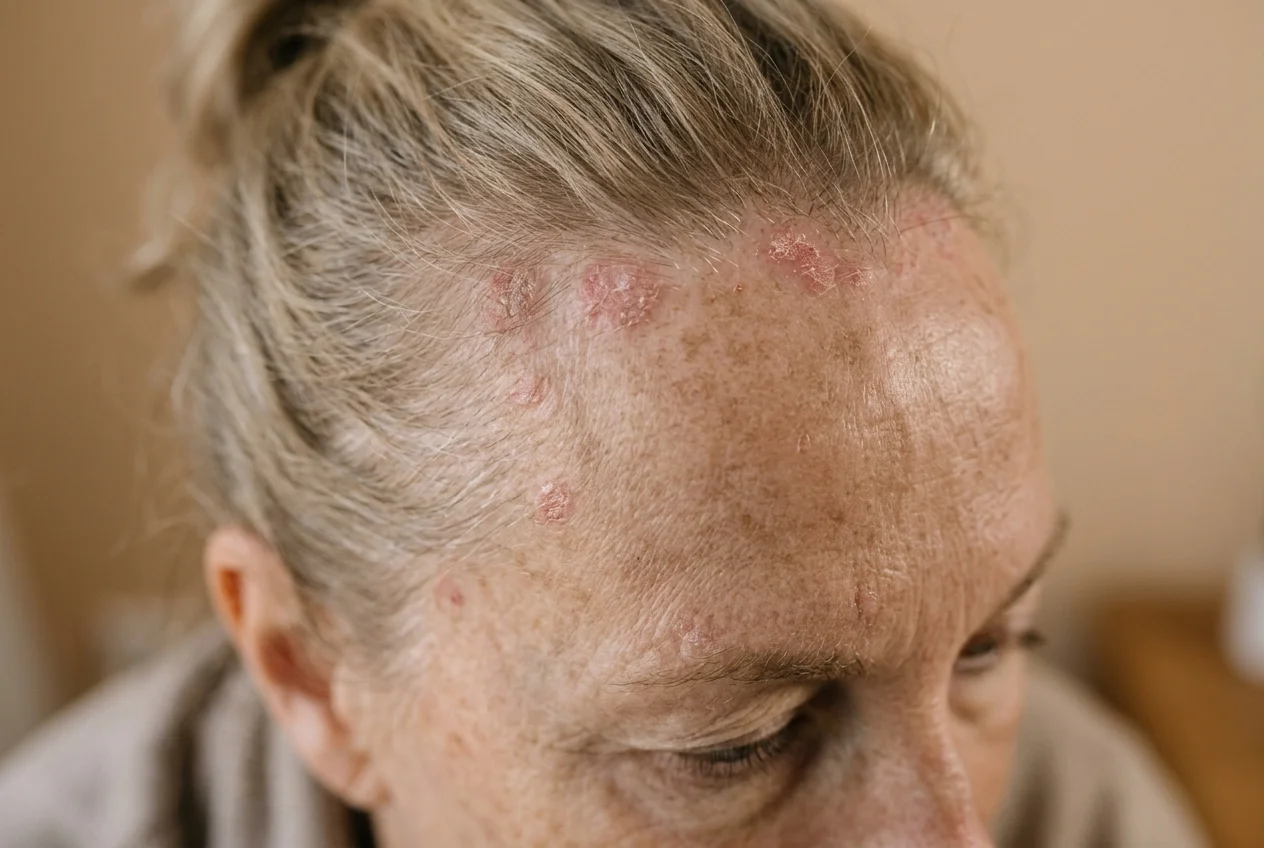
Photoprotection is one of the most effective tools to prevent skin cancer, premature skin ageing (photoageing), skin spots and the worsening of diseases such as melasma, rosacea or lupus.
Why is it so important to protect yourself from the sun?
Solar radiation produces cumulative effects on the skin. Each sun exposure, even if it does not cause a burn, can generate small lesions in the DNA of the skin cells. Over the years, this accumulated damage favours wrinkles, loss of elasticity, spots, actinic keratoses and skin cancer.
Why do I burn even in just a few minutes? The intensity of the radiation depends on many factors: time of day, altitude, latitude, season of the year, reflection from water, snow or sand, and skin type. In certain circumstances, a few minutes can be enough to produce a burn.
Why do I still tan even though I use sunscreen? Because no sunscreen blocks 100% of UV radiation. In addition, tanning is a defence response of the skin against sun damage. In reality, tanning means that the skin has received enough radiation to activate the production of melanin.
What types of solar radiation exist?
UVA radiation. It represents most of the ultraviolet radiation that reaches the earth's surface. It penetrates deeply into the skin and favours photoageing, wrinkles, spots and some skin cancers. It passes through clouds and glass.
UVB radiation. It is the main responsible for sunburns, direct DNA damage and the development of skin cancer. Its intensity is greatest between 12:00 and 16:00.
Visible light. Especially high-energy blue light, it can aggravate pigmentary diseases such as melasma.
Infrared radiation. It contributes to skin ageing through the production of free radicals.
How to choose a sunscreen?
Not all sunscreens are the same. We recommend choosing a product that meets the following characteristics: SPF 50 or 50+ for most people; broad-spectrum protection (UVA and UVB); water-resistant if aquatic or sporting activities are practised; adapted to the skin type.
Oily or acne-prone skin: light textures, oil free, non-comedogenic.
Dry skin: moisturising creams.
Sensitive or rosacea-prone skin: specific formulas for reactive skin.
Children: sunscreens specially formulated for childhood.
How should it be applied?
A sunscreen only works correctly if it is used properly. It is recommended to:
- Apply it 15 to 30 minutes before sun exposure.
- Use a sufficient amount (approximately 2 mg/cm² of skin).
- Reapply it every two hours during prolonged exposure.
- Reapply it after bathing, intense exercise or drying off with a towel.
The most frequently forgotten areas are the ears, the neck, the lips, the scalp with little hair, the tops of the feet and the back of the hands.
What else can you do and who should protect themselves especially?
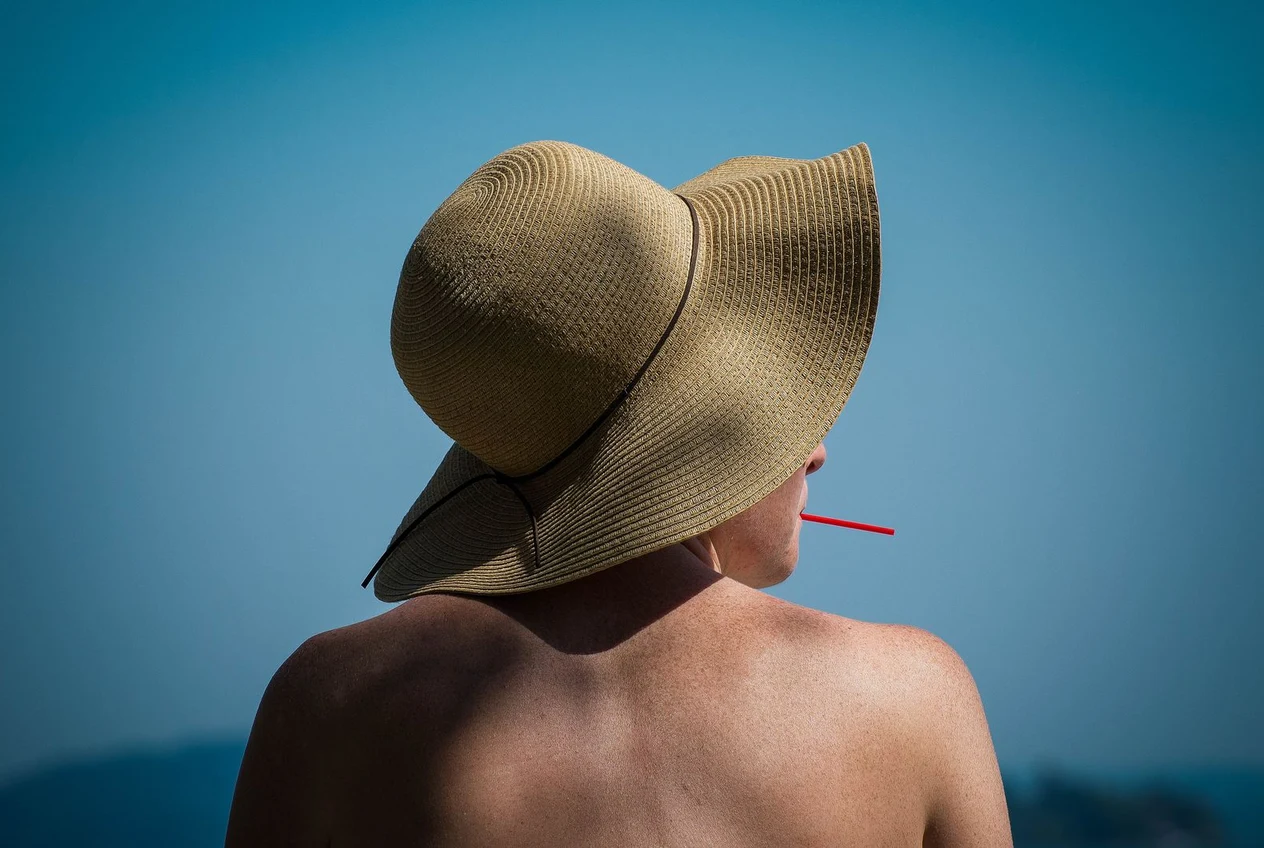
Sunscreen is only one part of photoprotection. It is also advisable to seek shade when possible, avoid the sun between 12:00 and 16:00, wear a wide-brimmed hat, wear approved sunglasses, use clothing with tightly woven fabrics or ultraviolet protection, and avoid tanning beds.
Photoprotection is important for the whole population, but it is especially necessary in people with: a history of skin cancer; many moles; melasma; rosacea; lupus; vitiligo; albinism; photosensitising treatments; immunosuppression.
When should you consult a doctor?
Request an assessment if you have repeated sunburns, notice a lesion that does not heal, a mole changes appearance, new spots appear that change rapidly, you have doubts about the most suitable sunscreen for your skin, or you have suffered an intense sunburn with blisters.
Myths and facts
- Myth: If it is cloudy I do not need sunscreen. Fact: Up to 80% of ultraviolet radiation can pass through clouds.
- Myth: People with dark skin do not need protection. Fact: Although they have greater natural protection, they can also develop skin cancer and photoageing.
- Myth: With an SPF 100 sunscreen I can be in the sun all day. Fact: No sunscreen offers complete protection or allows exposure to be prolonged indefinitely.
- Myth: I only need sunscreen at the beach. Fact: Daily sun exposure while walking, driving or playing sports also contributes to accumulated damage.
- Myth: Makeup with SPF replaces sunscreen. Fact: It is generally not applied in a sufficient amount to provide the indicated protection.
The key points to remember
- Photoprotection is the best strategy to prevent skin cancer and premature ageing.
- Sunscreen must be part of a global strategy together with clothing, a hat and avoiding the hours of greatest radiation.
- It is recommended to use a broad-spectrum sunscreen with SPF 50 or higher for most people.
- Sunscreen must be applied in a sufficient amount and reapplied every two hours during exposure.
- Even on cloudy days there is ultraviolet radiation.
- Skin self-examination and medical check-ups are essential to detect any suspicious lesion early.
Frequently asked questions
What does SPF mean?
SPF (Sun Protection Factor) indicates the sunscreen's ability to reduce mainly the UVB radiation responsible for sunburns.
What is the difference between SPF 30 and SPF 50?
Both offer good protection, but SPF 50 filters a greater amount of UVB radiation. In people with fair skin or risk factors, SPF 50 or higher is usually recommended.
Should I use sunscreen every day?
Yes, especially on the face and exposed areas when there is solar radiation, even in winter.
Do I need to reapply it if I am in the office?
It is usually not necessary if you stay indoors all day without significant sun exposure. If you go outside or stay near large windows for prolonged periods, reapplication may be advisable.
Does sunscreen expire?
Yes. The expiry date and the period of use after opening indicated on the packaging must be respected.
Do children need a special sunscreen?
Yes. It is recommended to use products specifically formulated for children's skin and to avoid direct sun exposure in babies.
Does vitamin D decrease if I use sunscreen?
Under normal conditions, the correct use of sunscreen does not usually cause a vitamin D deficiency. If there is a risk of deficiency, your doctor can assess the need for supplementation.
Are tanning beds safer than the sun?
No. They clearly increase the risk of melanoma and other skin cancers.
What is a broad-spectrum sunscreen?
It is one that protects against UVA and UVB radiation.
Can I use the same sunscreen for the whole family?
In many cases yes, although young children and people with skin conditions may benefit from specific products.
Need personalised guidance?
This guide is for information only and does not replace a medical consultation. For an assessment tailored to your case, you may request a consultation.
Request a consultation