Sunburn
Symptoms, treatment and prevention
Sunburns are a lesion produced by excess ultraviolet radiation. Learn to treat them correctly, identify the signs of severity and protect your skin to prevent skin ageing and skin cancer.
What are sunburns?
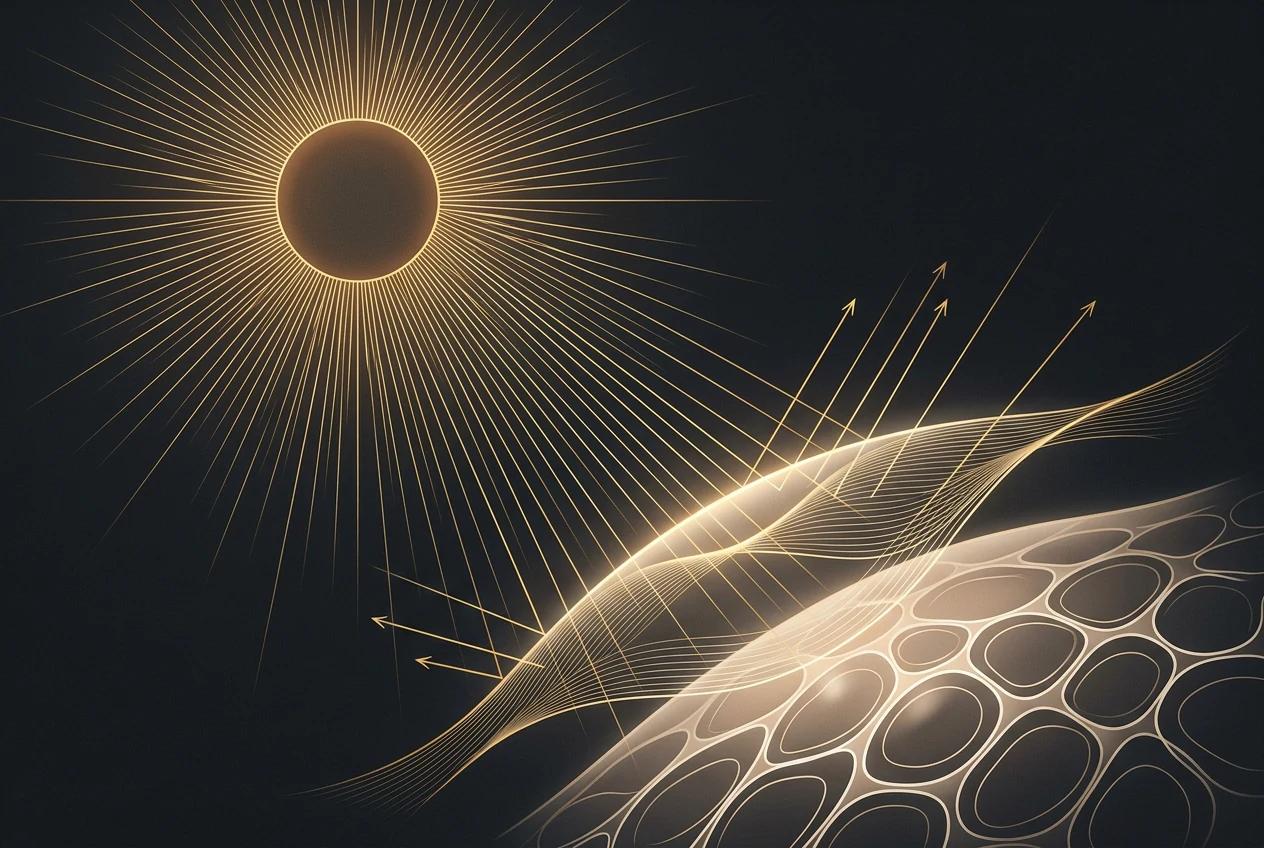
Sunburns are an inflammatory skin lesion caused by excessive exposure to ultraviolet (UV) radiation, mainly UVB rays. They occur when the amount of radiation received exceeds the skin's natural capacity to protect itself and repair the damage.
Although many people consider them a mild and passing problem, each sunburn produces cumulative damage in the DNA of the skin cells, increasing the risk of premature ageing and skin cancer.
Sunburns can affect anyone, although they are much more frequent in individuals with fair skin.
Why do they appear?
Sunburns appear when the skin remains exposed to the sun for longer than it can tolerate. The risk increases due to various factors:
- Skin type: people with fair skin, light eyes or blond or red hair burn more easily.
- Time of day: ultraviolet radiation reaches its maximum intensity between 12:00 and 16:00.
- Altitude: the higher the altitude, the greater the intensity of UV radiation.
- Reflective surfaces: sand, snow, water or even concrete reflect part of the solar radiation, increasing exposure.
- Medications: some treatments increase sensitivity to the sun (photosensitivity), such as certain antibiotics, anti-inflammatories, diuretics or retinoids.
Why do I burn even when it is cloudy? Because up to 80% of ultraviolet radiation can pass through clouds.
Why did I burn while using sunscreen? The most frequent causes are: applying an insufficient amount; not reapplying it every two hours; not reapplying it after bathing or sweating; using too low an SPF; staying too long in the sun. Sunscreen reduces the risk of burning, but does not allow unlimited sun exposure.
What are the symptoms?
Symptoms usually appear between 2 and 6 hours after exposure and reach their maximum intensity at approximately 24 hours. The most frequent signs are redness of the skin, pain or a burning sensation, local heat, tenderness to touch, inflammation and itching.
In more intense burns, blisters, significant swelling, fever, chills, intense pain, nausea, headache and general malaise may appear.
Afterwards the skin usually peels for several days.
How is it diagnosed?
Diagnosis is usually clinical. The doctor will assess the extent of the burn, the depth of the lesion, the presence of blisters, the general symptoms and the risk of dehydration.
In most cases, no complementary tests are necessary.
What treatments are available?
Treatment will depend on the intensity of the burn.
General measures. Move away from the sun immediately, stay in cool places, drink plenty of water, shower with lukewarm or cool water (not too cold) and wear loose cotton clothing.
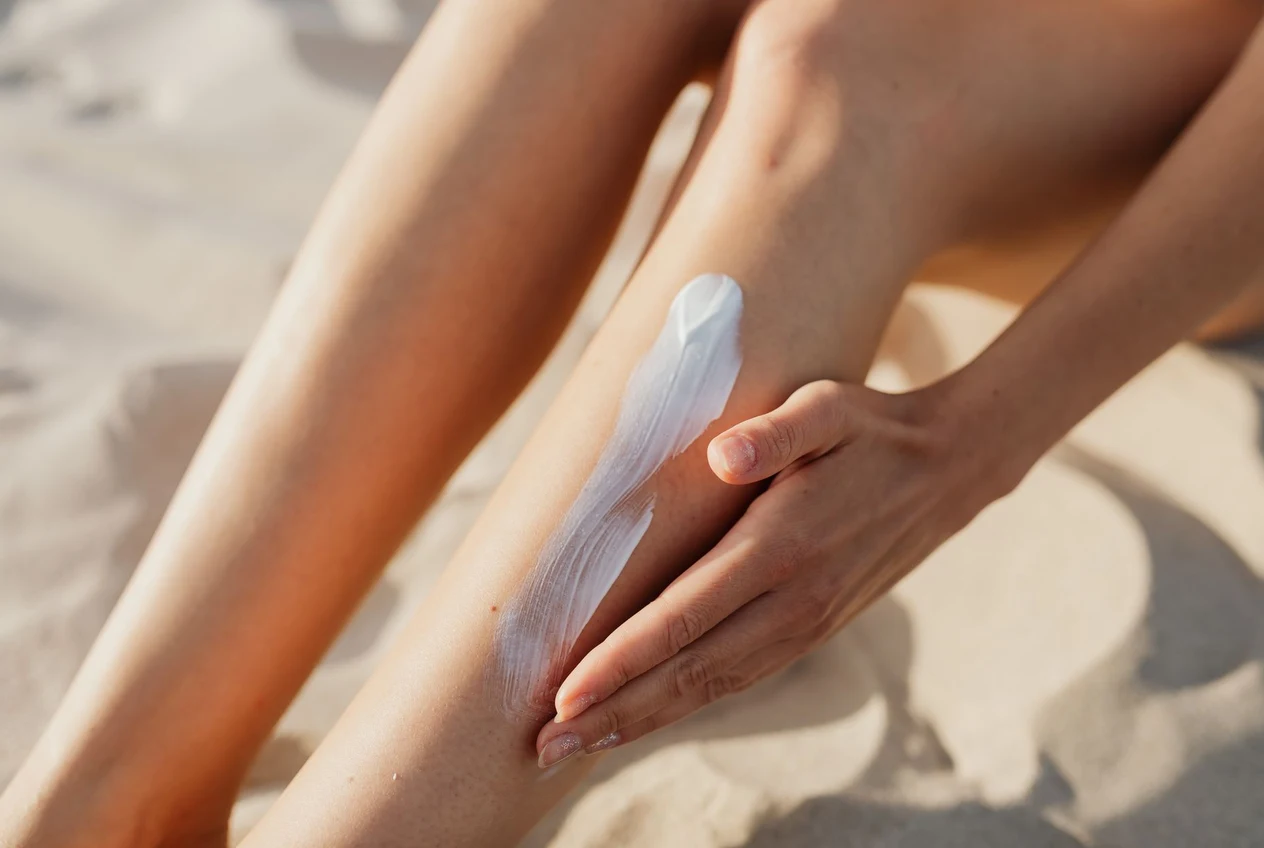
Moisturising creams. Moisturising or emollient products help to relieve the feeling of tightness and favour the recovery of the skin barrier.
Topical corticosteroids. In some selected cases and for a short period they can help to reduce inflammation, always under medical indication.
Analgesics. Medicines such as paracetamol or anti-inflammatories can relieve pain when indicated.
What about blisters? Blisters act as a natural dressing. They should not be broken intentionally, except on medical advice.
How long does it take to heal? It depends on the intensity. Mild burns: between 3 and 7 days. Moderate burns: between 1 and 2 weeks. Severe burns: they may need hospital care and take several weeks to recover.
What can you do day to day?
While the skin recovers it is recommended to:
- Completely avoid new sun exposures.
- Maintain good hydration.
- Apply moisturising creams several times a day.
- Not pull off the skin that is peeling.
- Use sunscreen SPF 50+ once the skin has recovered.
- Wear clothing that covers the affected area.
The best way to treat a sunburn is to prevent it.
When should you seek prompt medical advice?
You should see a doctor if you have extensive blisters, very painful burns, fever, chills, dizziness, nausea or vomiting, signs of dehydration, burns in young children, burns affecting a large body surface, or signs of infection, such as pus, increased pain or progressive redness.
You should also consult if the burn does not improve or worsens over the days.
Myths and facts
- Myth: If I burn today, I can sunbathe again tomorrow. Fact: No. The skin needs time to recover completely.
- Myth: Tanning protects against burns. Fact: Tanning offers very limited protection and is still a sign of sun damage.
- Myth: Dark-skinned people do not burn. Fact: They can burn and also develop skin cancer, although the risk is lower than in very fair-skinned people.
- Myth: Applying more sunscreen allows me to be in the sun all day. Fact: There is no sunscreen that allows unlimited exposure.
- Myth: Blisters should be popped. Fact: In general no. Blisters protect the skin while it heals.
The key points to remember
- Sunburns are a lesion caused by an excess of ultraviolet radiation.
- Each burn produces cumulative damage to the skin.
- Repeated burns increase the risk of melanoma and other skin cancers.
- Treatment consists of cooling the skin, moisturising it, relieving pain and avoiding new sun exposures.
- Blisters should not be broken routinely.
- The best strategy is correct photoprotection all year round.
Frequently asked questions
Does a sunburn increase the risk of skin cancer?
Yes. Especially repeated burns and those suffered during childhood and adolescence.
Can I shower?
Yes. It is recommended to use lukewarm or slightly cool water and to avoid rubbing the skin.
Is it normal for the skin to peel?
Yes. Peeling is part of the normal recovery process.
Can I use ice?
Not directly on the skin, as it can worsen the lesion.
Which cream is best?
Fragrance-free moisturising or emollient creams are usually the most advisable. Your doctor can indicate other treatments if the burn is more intense.
Should I break the blisters?
No, unless a healthcare professional considers it necessary.
Can I sunbathe again once the redness disappears?
It is preferable to wait until the skin has completely recovered and to reinforce photoprotection.
Are children at greater risk?
Yes. Sunburns in childhood increase the risk of melanoma in adulthood.
What do I do if I have a fever after a burn?
You should consult promptly, especially if it is accompanied by extensive blisters or significant malaise.
Can it be prevented?
Yes. Prevention through adequate photoprotection is the most effective measure.
Need personalised guidance?
This guide is for information only and does not replace a medical consultation. For an assessment tailored to your case, you may request a consultation.
Request a consultation