Sun allergy
Photodermatosis: symptoms, causes and treatment
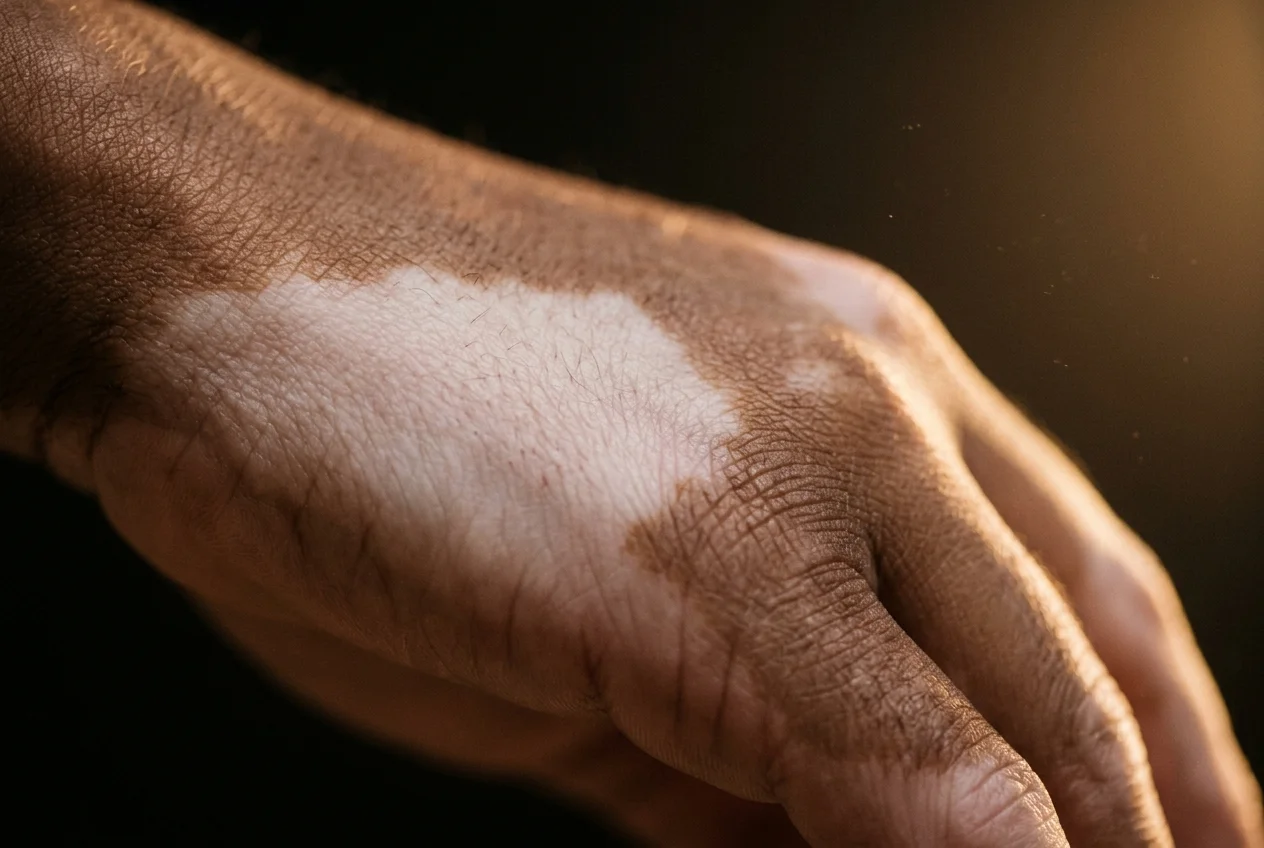
Sun allergy or photodermatosis causes an exaggerated reaction of the skin after sun exposure. Learn about its causes, symptoms, diagnosis and the best prevention and treatment measures.
What is sun allergy?
The so-called sun allergy is not a single disease, but a group of disorders in which the skin reacts abnormally after being exposed to sunlight.
The most frequent form is polymorphic light eruption, an inflammatory reaction that usually appears in spring or at the beginning of summer, when the skin is exposed to the sun again after several months of less exposure.
There are other less frequent photodermatoses, some related to autoimmune diseases or to medications that increase sensitivity to light.
Although these lesions can be very bothersome, most are not dangerous and can be controlled with an adequate diagnosis and treatment.
Why does it appear?
The exact cause depends on the type of photodermatosis. In polymorphic light eruption, the immune system reacts in an exaggerated way to the changes that ultraviolet radiation produces in the skin.
Why does it only happen to me in spring or at the beginning of summer? Because during winter the skin receives much less solar radiation. When intense exposure returns, some people develop this reaction. Over the weeks, the skin usually adapts progressively, a phenomenon known as hardening.
Why does it only happen to me during the holidays? Many people spend a large part of the year indoors and, during the holidays, receive intense sun exposure in a few days. This sudden change favours the appearance of sun allergy.
Can it be due to a medication? Yes. Some medications can produce photosensitivity, among them: doxycycline and other tetracyclines; some diuretics; certain anti-inflammatories; retinoids; amiodarone; some oncological treatments. In these cases it is not a sun allergy as such, but a medication-induced reaction.
What are the symptoms?
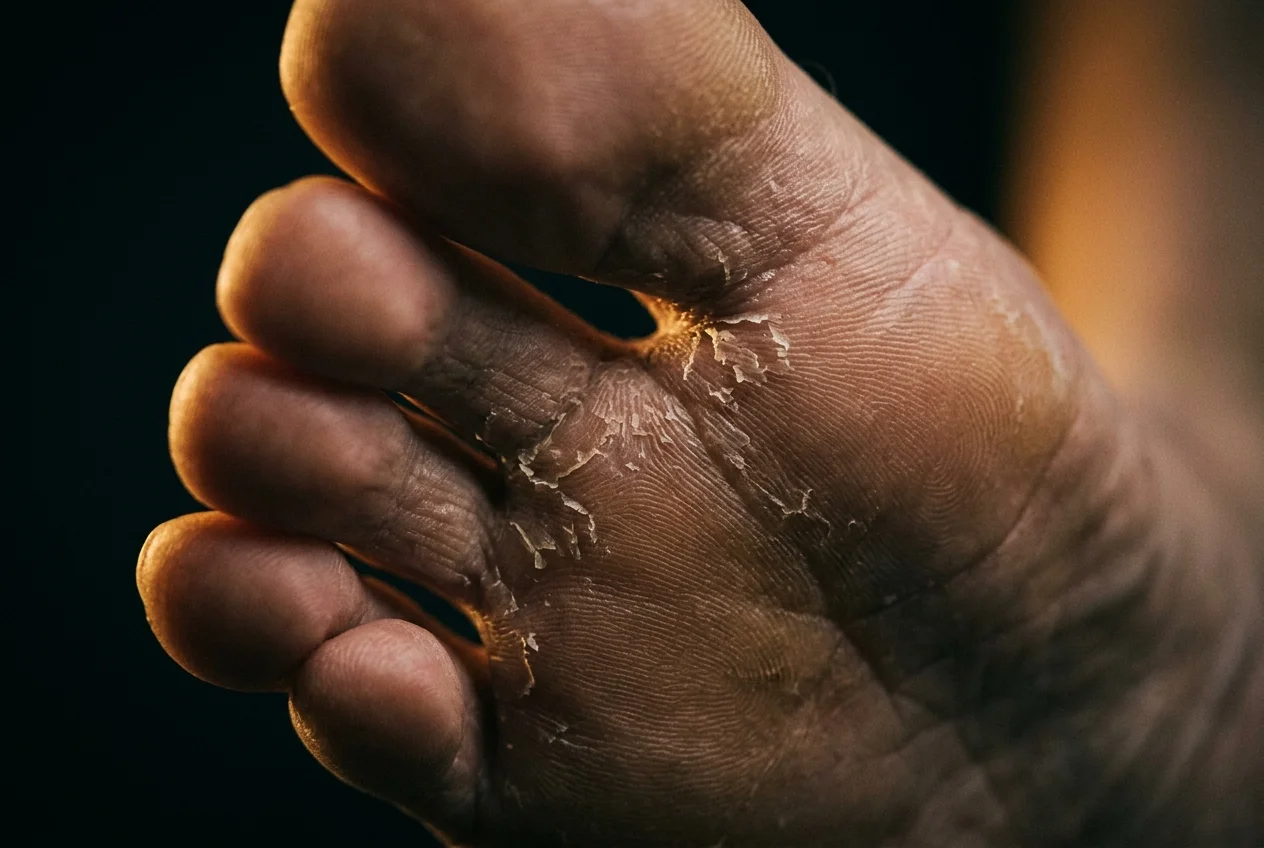
Symptoms usually appear between several hours and two days after sun exposure. They may consist of intense itching, small papules or bumps, reddish plaques, small vesicles, a stinging sensation and redness.
The lesions appear mainly on the décolletage, shoulders, arms, forearms and legs. Curiously, the face is usually less affected because it is exposed to the sun all year round and develops a certain tolerance.
The lesions disappear within several days if sun exposure is avoided.
How is it diagnosed?
Diagnosis is based mainly on the clinical history, the distribution of the lesions and the relationship with sun exposure.
In some cases the doctor may request a phototest, blood tests to rule out autoimmune diseases, a skin biopsy or specific studies when other photodermatoses are suspected.
It is also important to review the patient's usual medication.
What treatments are available?
Treatment will depend on the intensity and the cause.
Avoid new exposures. It is the most important measure during the flare.
Photoprotection. Broad-spectrum sunscreen SPF 50+, a hat, protective clothing and sunglasses should be used.
Topical corticosteroids. They help to reduce inflammation and itching during flares.
Antihistamines. They can relieve itching in some patients, although they do not always completely eliminate the lesions.
Preventive phototherapy. In people with repeated flares every spring, the doctor may recommend phototherapy sessions before the start of summer to favour the adaptation of the skin.
Other treatments. In specific cases, other medications may be used under specialised supervision, especially when there are associated autoimmune diseases.
What can you do day to day?
To prevent new flares it is recommended to:
- Expose yourself to the sun progressively.
- Avoid the central hours of the day.
- Use sunscreen SPF 50+.
- Wear clothing with UV radiation protection.
- Check with your doctor whether any of your medications can produce photosensitivity.
- Not stop a treatment on your own initiative without consulting first.
In many people the flares decrease over the years.
When should you seek prompt medical advice?
You should see a doctor if the lesions appear every time you go in the sun, the itching is very intense, the lesions affect a large body surface, you have significant blisters, fever or general malaise appears, the eruption lasts several weeks, or it is accompanied by other symptoms such as joint pain, hair loss or oral ulcers, since they could indicate another disease.
Myths and facts
- Myth: I have a heat allergy. Fact: In most cases the reaction is caused by ultraviolet radiation, not by temperature.
- Myth: I will never be able to sunbathe again. Fact: Most people can expose themselves to the sun in a controlled way by following the doctor's recommendations.
- Myth: If I use sunscreen I will never have a sun allergy. Fact: Sunscreen reduces the risk, but some people can have flares even using it correctly.
- Myth: It is contagious. Fact: No. Sun allergy is not transmitted from one person to another.
- Myth: All eruptions after the sun are an allergy. Fact: No. There are many diseases that can worsen with sun exposure and require a precise diagnosis.
The key points to remember
- Sun allergy encompasses several diseases called photodermatoses.
- The most frequent form is polymorphic light eruption.
- Itching and small lesions appear hours or days after sun exposure.
- Photoprotection is the most important preventive measure.
- Some medications can produce photosensitivity.
- In people with repeated flares there are effective preventive treatments.
- A correct diagnosis makes it possible to differentiate these diseases from other skin conditions.
Frequently asked questions
Does sun allergy disappear over the years?
In many people the flares decrease progressively, although some sensitivity may persist.
Can I go to the beach?
Yes, but you will have to do so with very strict photoprotection and avoiding the hours of maximum radiation.
Does sunscreen cure the allergy?
No. It helps to prevent new flares, but does not eliminate the disease.
Can it appear suddenly even if it had never happened to me?
Yes. Many people develop sun allergy in adulthood.
Can children have a sun allergy?
Yes, although some forms are more frequent in young adults.
Is it the same as a sunburn?
No. Sunburn is a lesion from excess radiation, while sun allergy is an exaggerated reaction of the immune system.
Will I need tests?
Not always. In many cases the diagnosis is clinical.
Can I do outdoor sports?
Yes, as long as you adopt photoprotection measures and adapt the timing to avoid intense radiation.
Do antihistamines cure the disease?
No. They can relieve itching, but do not modify the cause of the photodermatosis.
Does it have a good prognosis?
Yes. In most patients it can be adequately controlled with prevention and treatment.
Need personalised guidance?
This guide is for information only and does not replace a medical consultation. For an assessment tailored to your case, you may request a consultation.
Request a consultationTopics