Vitamin D and sun exposure: finding the balance
Benefits, risks and balance

Vitamin D is essential for health, but excessive sun exposure is not necessary to produce it and it increases the risk of skin cancer. The best strategy consists of combining a reasonable daily exposure, adequate photoprotection and supplementation when there is a medical indication.
Is the sun good or bad for health?
The answer is simple: neither one nor the other.
The sun is indispensable for life and performs very important functions in our organism. However, excessive exposure to ultraviolet radiation produces cumulative damage in the skin that increases the risk of premature ageing and of skin cancer.
For this reason, the objective is not to completely avoid the sun, but to find a reasonable balance between obtaining its benefits and minimising its risks.
What is vitamin D?
Vitamin D is a hormone that intervenes in numerous processes of the organism.
Among its functions the following stand out:
- Favouring the absorption of calcium and phosphorus.
- Maintaining the health of the bones.
- Contributing to the normal functioning of the immune system.
- Participating in muscle function.
- Intervening in multiple cellular mechanisms that continue to be the subject of research.
How does the organism produce vitamin D?
Most of the vitamin D is synthesised in the skin when ultraviolet B radiation (UVB) comes into contact with it.
Subsequently, this vitamin is transformed in the liver and in the kidney until it acquires its active form.
It can also be obtained, although in a smaller amount, through some foods and supplements.
So… should we sunbathe?
Yes, but with common sense.
Our organism needs a certain exposure to sunlight to synthesise vitamin D.
However, it is not necessary to expose yourself until the skin reddens or to suffer burns to maintain adequate levels.
Sun damage begins long before a burn appears.
The great misunderstanding
Many people believe that they must expose themselves for long periods without protection in order to produce vitamin D.
This is not true.
The cutaneous production of vitamin D reaches a limit relatively soon. From that moment on, prolonging the exposure does not significantly increase the production of vitamin D, but it does increase the accumulated damage in the DNA of the skin cells.
In other words: more time in the sun does not mean more vitamin D, but it does mean more risk of photoageing and skin cancer.
Does sunscreen prevent the manufacture of vitamin D?
This is one of the most frequent questions.
Under real conditions of use, studies show that people who correctly use sunscreen usually maintain adequate levels of vitamin D.
This happens because:
- We never apply the protection perfectly.
- There is always some incidental sun exposure.
- Most of our exposure occurs during everyday activities.
Therefore, you should not stop using sunscreen for fear of having a vitamin D deficiency.
Who has the highest risk of vitamin D deficiency?
Some people present a higher risk, among them:
- Older people.
- Institutionalised people.
- People with very little exposure to the outdoors.
- People with obesity.
- Patients with intestinal diseases that hinder absorption.
- People with kidney or liver failure.
- Some pharmacological treatments.
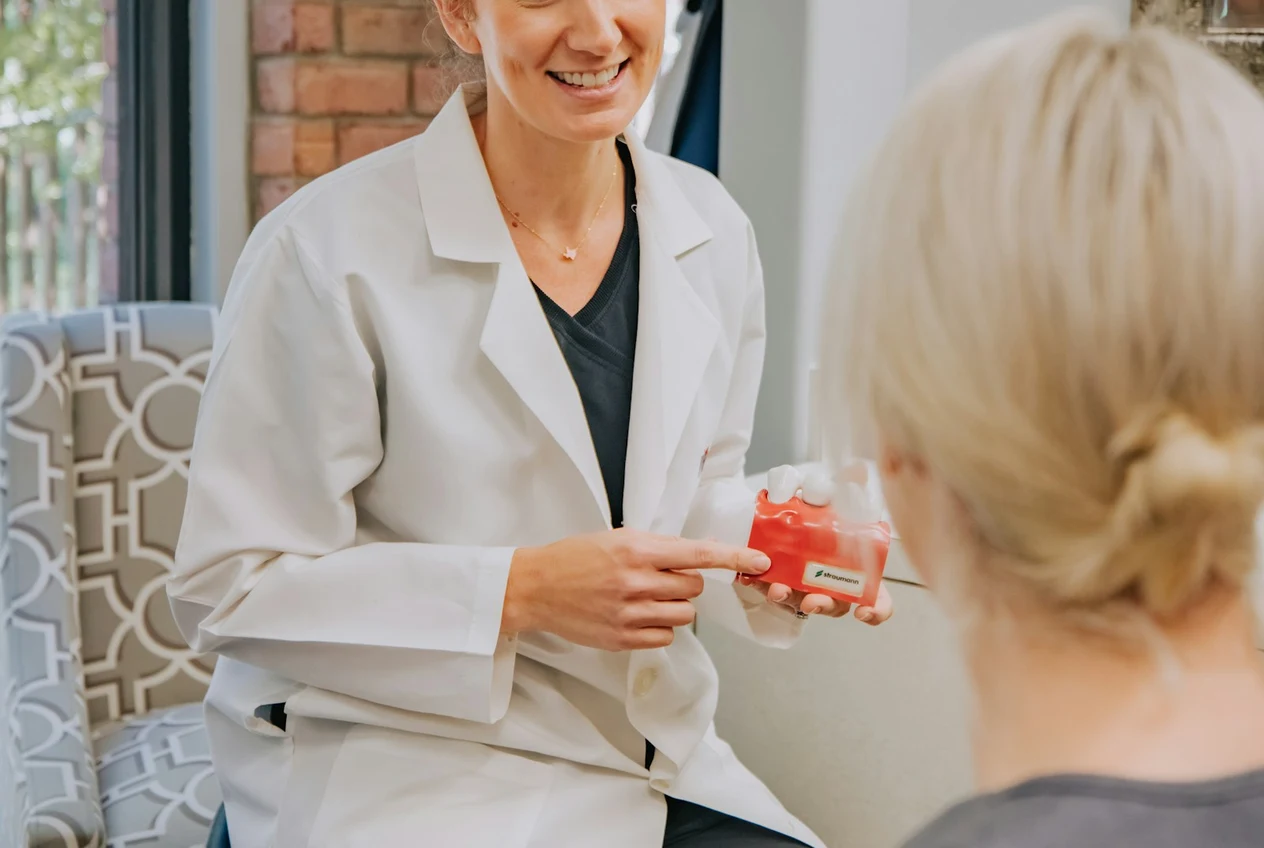
In these cases a medical assessment may be necessary.
Which foods contain vitamin D?
Although the diet provides a limited amount, it can contribute to maintaining adequate levels.
The main sources are:
- Fatty fish (salmon, sardine, mackerel).
- Liver.
- Egg yolk.
- Some fortified products.
In certain people it may be necessary to resort to supplements.
When are supplements indicated?
Vitamin D supplements should not be taken indiscriminately.
It is advisable to individualise each case according to:
- Age.
- Risk factors.
- Blood tests when they are indicated.
- The clinical situation.
In people with a demonstrated deficiency or high risk, supplementation is usually safer and more effective than recommending prolonged sun exposures.
What happens with skin cancer?
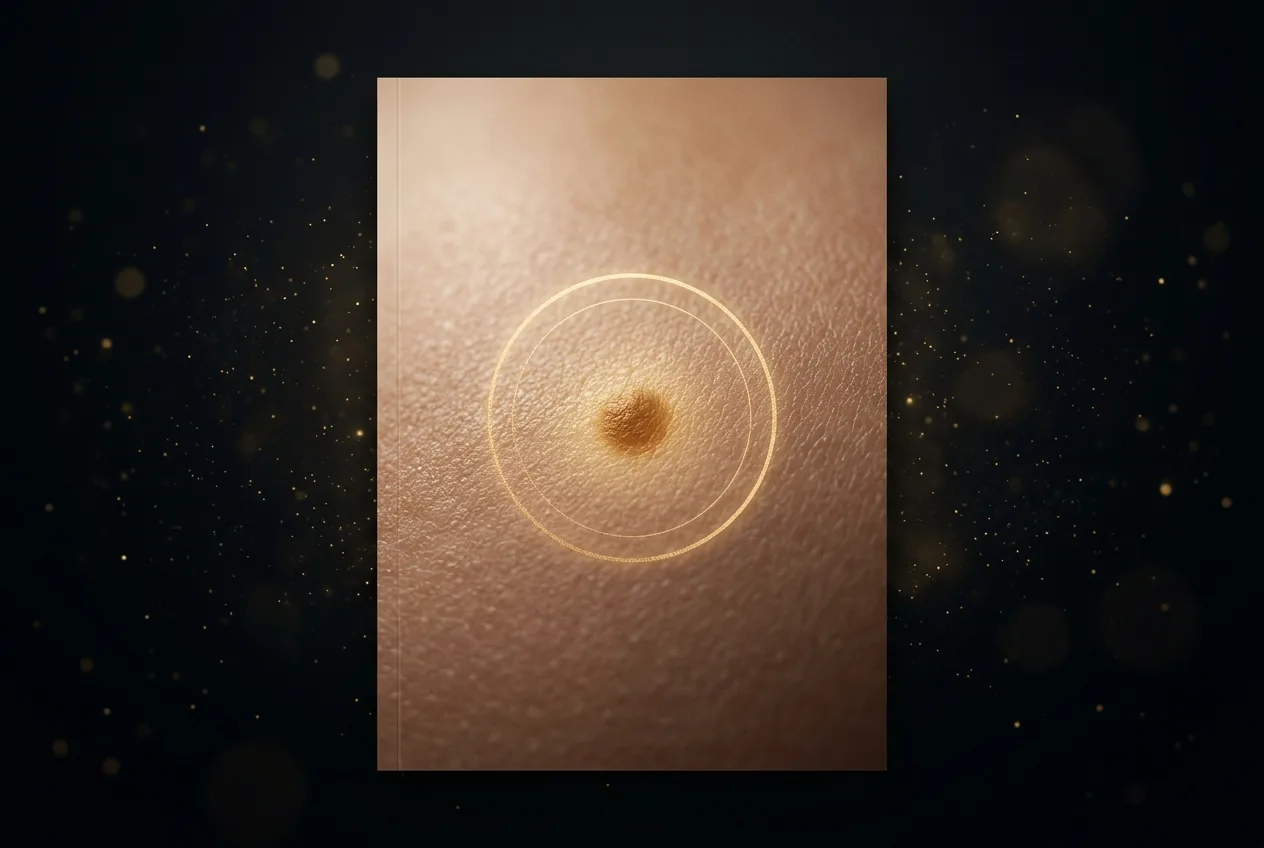
Ultraviolet radiation constitutes the main modifiable risk factor for:
- Basal cell carcinoma.
- Squamous cell carcinoma.
- Melanoma.
For this reason, the main scientific societies do not recommend exposing yourself deliberately to the sun with the sole objective of increasing vitamin D.
When a deficiency exists, it is preferable to correct it through diet and, if necessary, supplementation.
What is the ideal balance?
An active outdoor life, with a daily and reasonable sun exposure, combined with photoprotection measures when the radiation is intense, usually provides an adequate balance between benefits and risks.
It is not about being afraid of the sun, but about respecting it.
Myths and facts
- Myth: I need to sunbathe for hours to produce vitamin D. Fact: The synthesis of vitamin D quickly reaches a limit, while sun damage continues to accumulate.
- Myth: Sunscreen causes vitamin D deficiency. Fact: Studies carried out under real conditions do not support this claim.
- Myth: If my vitamin D is low, I must stop using sunscreen. Fact: The correct thing is to assess the cause of the deficiency and treat it appropriately, without increasing the risk of skin cancer.
- Myth: The more tanned I am, the more vitamin D I manufacture. Fact: The tan is not an indicator of better vitamin D production; it is a defensive response of the skin against sun damage.
- Myth: Supplements are dangerous. Fact: When they are correctly indicated and supervised, they constitute a safe and effective way to correct a deficiency.
The essential points to remember
- Vitamin D is essential for health, but excessive sun exposure is not necessary to produce it.
- The cutaneous production of vitamin D has a limit; prolonging exposure only increases sun damage.
- Sunscreen should not be abandoned for fear of a vitamin D deficiency.
- When a demonstrated deficiency exists, supplementation is usually the safest and most effective strategy.
- The prevention of skin cancer remains a public health priority.
- The best approach consists of enjoying the sun in moderation, maintaining healthy habits and protecting the skin when the radiation is intense.
Frequently asked questions
Do I need to stop using sunscreen to produce vitamin D?
No.
Is it advisable to sunbathe to treat a vitamin D deficiency?
It is not usually the recommended strategy. If a demonstrated deficiency exists, supplementation is usually a safer and more controlled option.
Does vitamin D deficiency produce health problems?
Yes. It can mainly affect bone and muscle health, among other functions of the organism.
Does everyone need supplements?
No. Only when there is a medical indication.
Do foods provide enough vitamin D?
They contribute, but in many people they are not sufficient on their own.
Can I have low vitamin D living in a sunny country?
Yes. It is a relatively frequent situation.
Is melanoma related to the sun?
Yes. Ultraviolet radiation is one of the main risk factors.
What is the best way to maintain adequate vitamin D?
A combination of a balanced diet, an active outdoor life and supplementation when indicated.
Should I have a vitamin D test every year?
Not routinely. Only when there is a clinical indication.
What should I remember?
The objective is not to completely avoid the sun or to expose yourself excessively, but to protect the skin and maintain good general health.
Need personalised guidance?
This guide is for information only and does not replace a medical consultation. For an assessment tailored to your case, you may request a consultation.
Request a consultation