Sun protection in children: how to protect their skin from infancy
How to protect children's skin from the sun
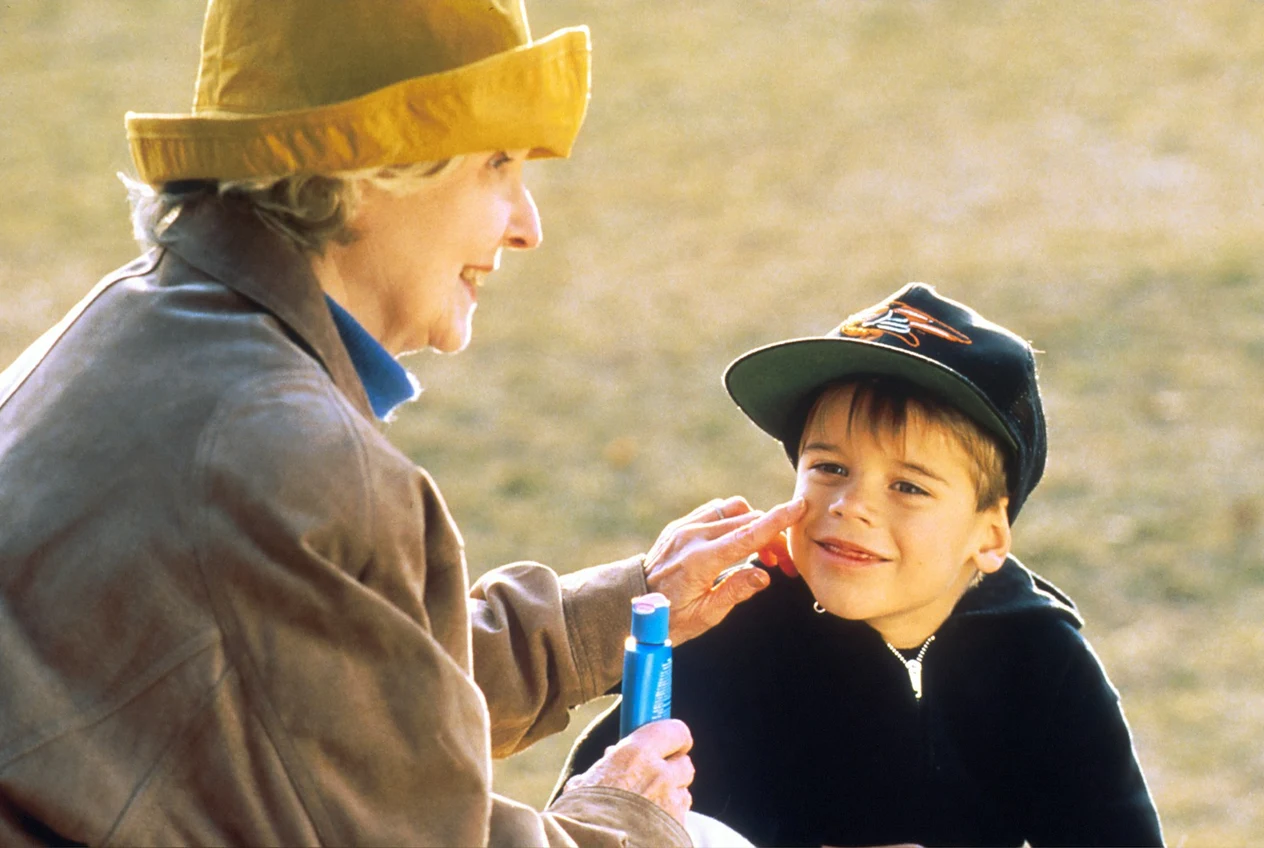
Photoprotection in childhood is essential to prevent sunburns and to reduce the risk of skin cancer in adulthood. The combination of shade, adequate clothing, a hat, sunglasses and sunscreen constitutes the best protection strategy.
Why is it so important to protect children's skin?
Children's skin is more sensitive to ultraviolet radiation than that of adults.
In addition, an important part of the sun exposure accumulated throughout life occurs during childhood and adolescence.
Sunburns at these stages increase the risk of developing skin cancer, including melanoma, in adulthood.
For this reason, photoprotection should be part of healthy habits from the first years of life.
Do children need sunscreen every day?
When they carry out outdoor activities, especially in spring and summer, it is indeed advisable to protect the exposed skin.
However, sunscreen is only one part of the strategy.
The best photoprotection combines:
- Seeking the shade.
- Adequate clothing.
- A wide-brimmed hat.
- Approved sunglasses.
- Sunscreen when necessary.
Which sunscreen should I choose?
A sunscreen is recommended that is:
- Broad-spectrum (UVA and UVB).
- SPF 50 or higher for prolonged exposures.
- Water-resistant if the child is going to bathe or sweat.
- Suitable for children's or sensitive skin.
When should it be applied?
It should be applied approximately 20-30 minutes before sun exposure.
If the exposure continues, it should be renewed every two hours and always after intense bathing, drying with the towel or significant sweating.
Can babies sunbathe?
Infants under six months of age should not be exposed directly to the sun.
Protection should be based mainly on:
- The shade.
- Clothing.
- The hat.
The use of sunscreen at this age should be limited and follow the paediatrician's recommendations when necessary.
Clothing protects more than we think
Garments constitute one of the best forms of protection.
Especially useful are:
- Light long-sleeved t-shirts.
- Clothing with ultraviolet protection (UPF).
- Hats that cover the face, neck and ears.
- Sunglasses with an approved filter.
Avoid the hours of maximum radiation
Whenever possible:
- Organise outdoor activities in the early hours of the morning or at the end of the afternoon.
- Look for shaded areas.
- Avoid prolonged exposure during the hours of greatest solar intensity.
What if the day is cloudy?
Clouds do not block all the ultraviolet radiation.
Children can also suffer burns on apparently cool or cloudy days.
What to do if a sunburn appears?
- Remove the child from the sun.
- Cool the skin with lukewarm or cool water.
- Maintain good hydration.
- Use soothing products recommended by a health professional.
If blisters, fever, listlessness or intense pain appear, a doctor should assess it.
The example of parents is fundamental
Children learn by observing.
When adults use sunscreen, seek the shade and protect themselves properly, children adopt these habits much more easily.
Photoprotection is an education for a whole lifetime.
Myths and facts
- Myth: Tanned children do not need sunscreen. Fact: All phototypes can suffer sun damage and develop skin cancer.
- Myth: If it is cloudy there is no risk. Fact: Ultraviolet radiation partially passes through the clouds.
- Myth: Sunscreen allows you to spend the whole day in the sun. Fact: It must always be combined with clothing, shade and adequate timing.
- Myth: A mild burn is not important. Fact: Each sunburn produces cumulative damage to the skin.
- Myth: We only have to protect ourselves at the beach. Fact: The park, the mountain, sport or the school playground also involve sun exposure.
The essential points to remember
- Sunburns during childhood increase the risk of skin cancer in adulthood.
- The best protection combines shade, clothing, hat, sunglasses and sunscreen.
- Babies under six months of age should avoid direct sun exposure.
- Sunscreen should be applied correctly and renewed frequently during exposure.
- Education in photoprotection begins in childhood and lasts a lifetime.
- Parents play an essential role by setting an example.
Frequently asked questions
From what age can sunscreen be used?
From six months of age it is usually recommended when exposure cannot be avoided, following the paediatrician's instructions and using products suitable for the age.
What is the best SPF for a child?
In general, SPF 50 or higher during prolonged exposures.
Does it have to be reapplied after bathing?
Yes, even if it is water-resistant.
Does clothing protect more than the cream?
In many situations, yes. Clothing constitutes an excellent physical barrier.
Do children need sunglasses?
Yes, as long as they have approved filters against UV radiation.
What do I do if my child gets burned?
Take them out of the sun, hydrate the skin and consult if blisters, fever or a poor general state appear.
Can there be burns in winter?
Yes, especially in the snow or in the mountains.
Is it advisable to sunbathe to obtain vitamin D?
It is not necessary to expose yourself for a prolonged time or to seek burns to maintain adequate levels of vitamin D.
Do children with dark skin need protection?
Yes. Although the risk is lower, they can also suffer sun damage.
What is the best lesson?
To turn photoprotection into a daily habit from childhood.
Need personalised guidance?
This guide is for information only and does not replace a medical consultation. For an assessment tailored to your case, you may request a consultation.
Request a consultation