How to age with healthy skin
The well-aging guide
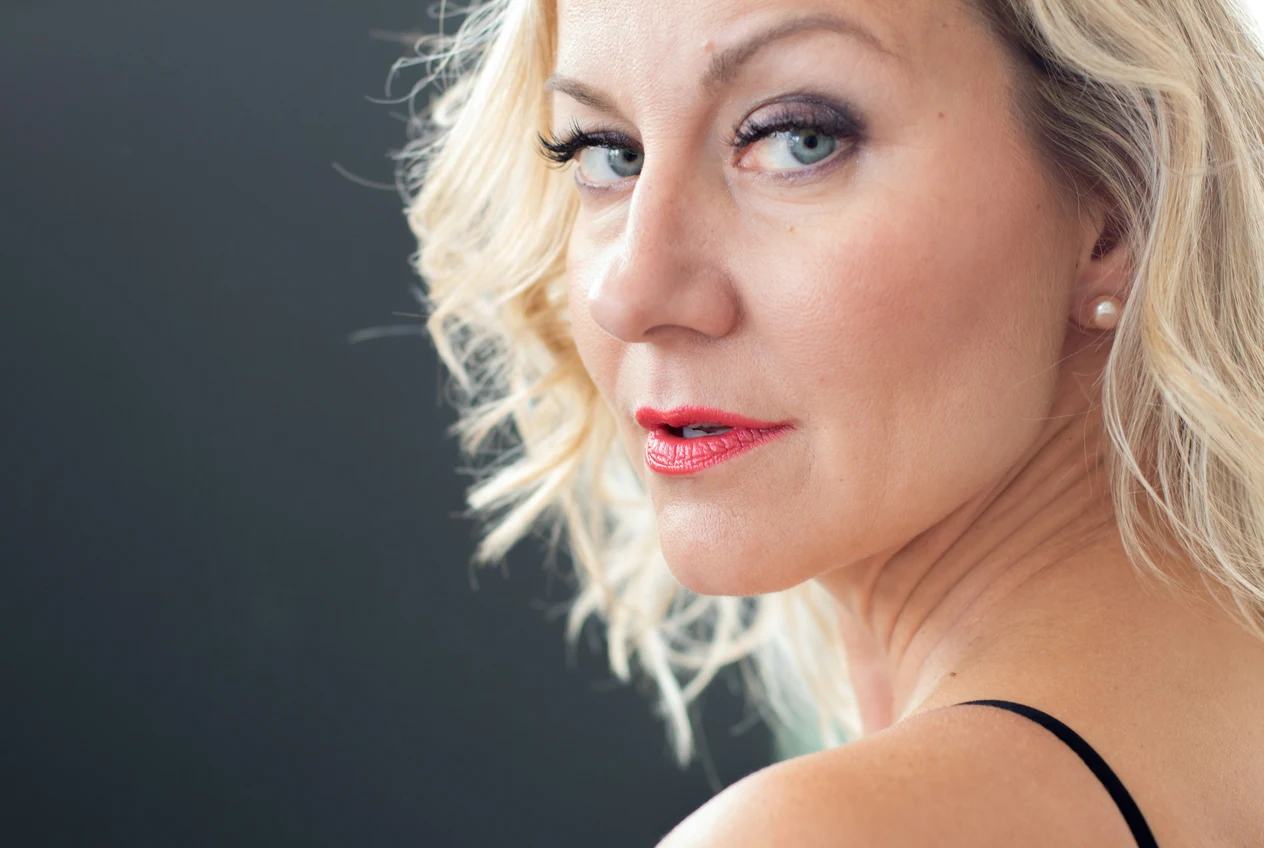
Ageing with healthy skin is possible through healthy habits, daily photoprotection, a balanced diet, exercise and medical treatments aimed at stimulating the natural mechanisms of repair. The goal is not to change the face, but to preserve healthy skin and a natural appearance.
Is it possible to age without losing healthy skin?
Yes.
Ageing is a completely natural biological process that cannot be stopped.
However, it is indeed possible to age while maintaining healthy, strong and good-looking skin for many years.
The goal should not be to look twenty years younger, but to preserve healthy skin that reflects wellbeing and healthy ageing.
Why does the skin age?
Skin ageing depends on two great mechanisms.
Intrinsic ageing. It is the ageing programmed by our genetics. Over the years the following decrease:
- The production of collagen.
- Elastin.
- Hyaluronic acid.
- Cellular renewal.
- The repair capacity.
This process is inevitable.
Extrinsic ageing. It is caused by external factors and is, to a large extent, preventable. The main causes are:
- Ultraviolet radiation.
- Tobacco.
- Pollution.
- Chronic stress.
- Poor diet.
- Lack of sleep.
- Excess alcohol.
It is estimated that a very important part of the visible ageing of the skin is related to these modifiable factors.
Prevention begins long before wrinkles appear
Many people begin to take care of their skin when the first signs of ageing appear.
However, the best strategy is to protect the skin throughout life.
The sooner good habits are adopted, the better the long-term results.
The pillars of healthy skin throughout life
1. Daily photoprotection. Ultraviolet radiation is the main factor responsible for premature ageing. Sunscreen is probably the cosmetic with the greatest scientific evidence to preserve the skin.
2. Not smoking. Tobacco accelerates the degradation of collagen, favours wrinkles and worsens the oxygenation of the tissues. Quitting tobacco is one of the best decisions for the skin and for general health.
3. Healthy diet. A Mediterranean diet rich in fruits, vegetables, legumes, nuts, fish and extra virgin olive oil provides the nutrients needed to maintain healthy skin.
4. Sleeping well. During sleep numerous mechanisms of cellular repair are activated. Sleeping insufficiently favours skin ageing and alters the barrier function of the skin.
5. Physical activity. Regular exercise improves circulation, metabolism, insulin sensitivity, inflammation and cardiovascular health. All these benefits have a positive impact on the skin.
6. Controlling stress. Sustained stress can favour inflammation, acne, psoriasis, atopic dermatitis and rosacea. Learning to manage stress is also part of skin care.
7. Maintaining a healthy weight. Significant weight fluctuations favour sagging and modify the quality of the skin. Metabolic stability benefits both the organism and skin ageing.
What role does cosmetics play?
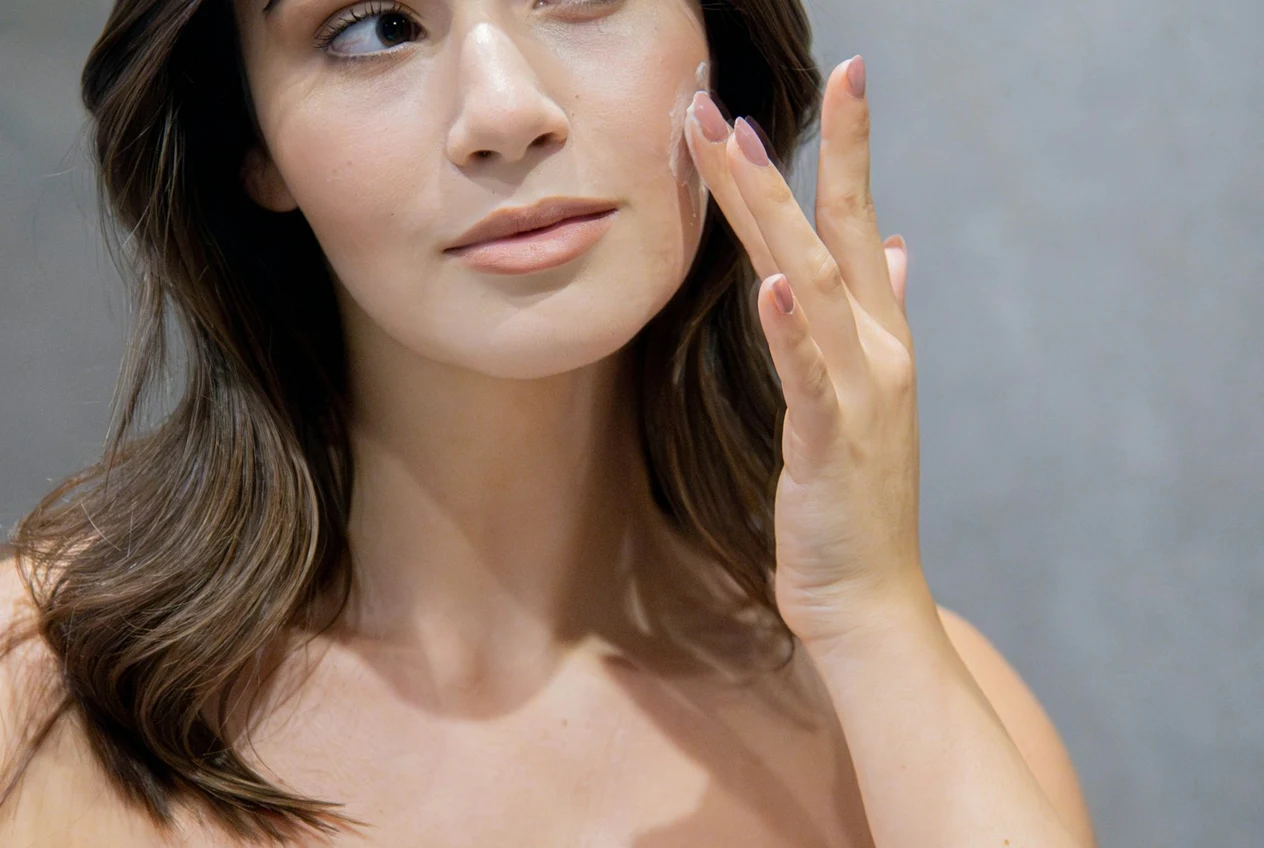
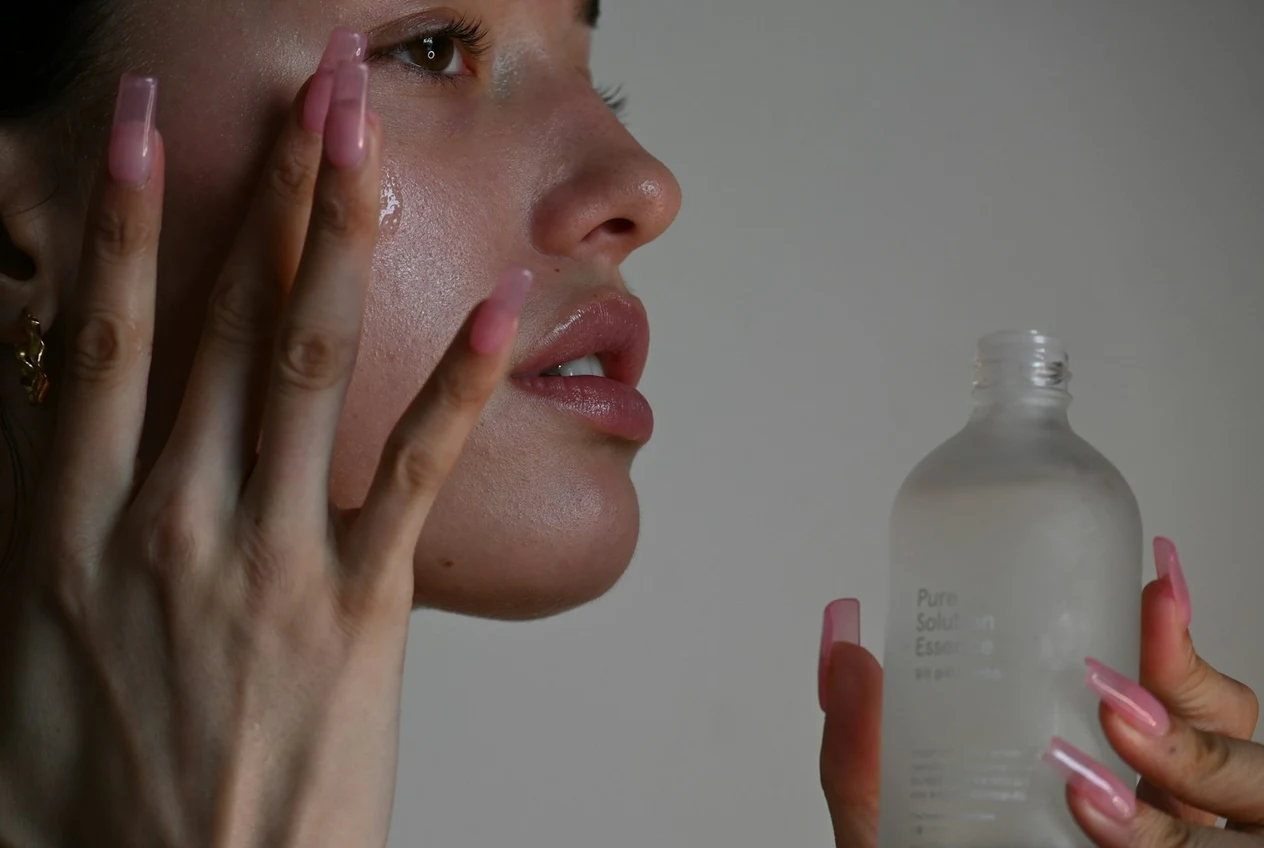
A simple and constant routine is usually sufficient.
The basic pillars are:
- Gentle cleansing.
- Hydration.
- Photoprotection.
- Suitable actives according to the age and needs of each person.
It is not necessary to use dozens of products to take care of the skin correctly.
When can medical treatments be useful?
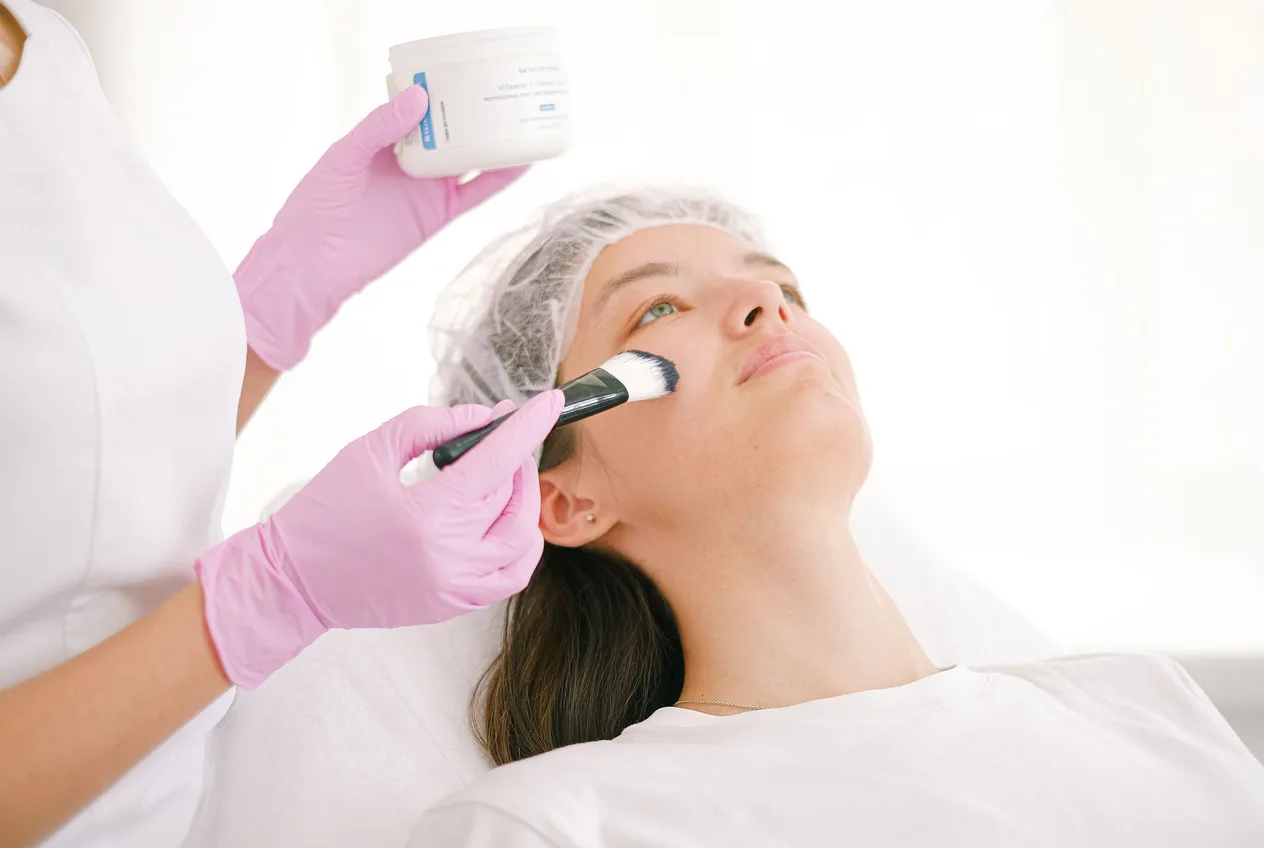
When changes related to ageing begin to appear, some treatments can stimulate the natural mechanisms of repair.
Among them stand out:
- Collagen biostimulators.
- Neuromodulators.
- Polynucleotides.
- Skinboosters.
- Microneedling.
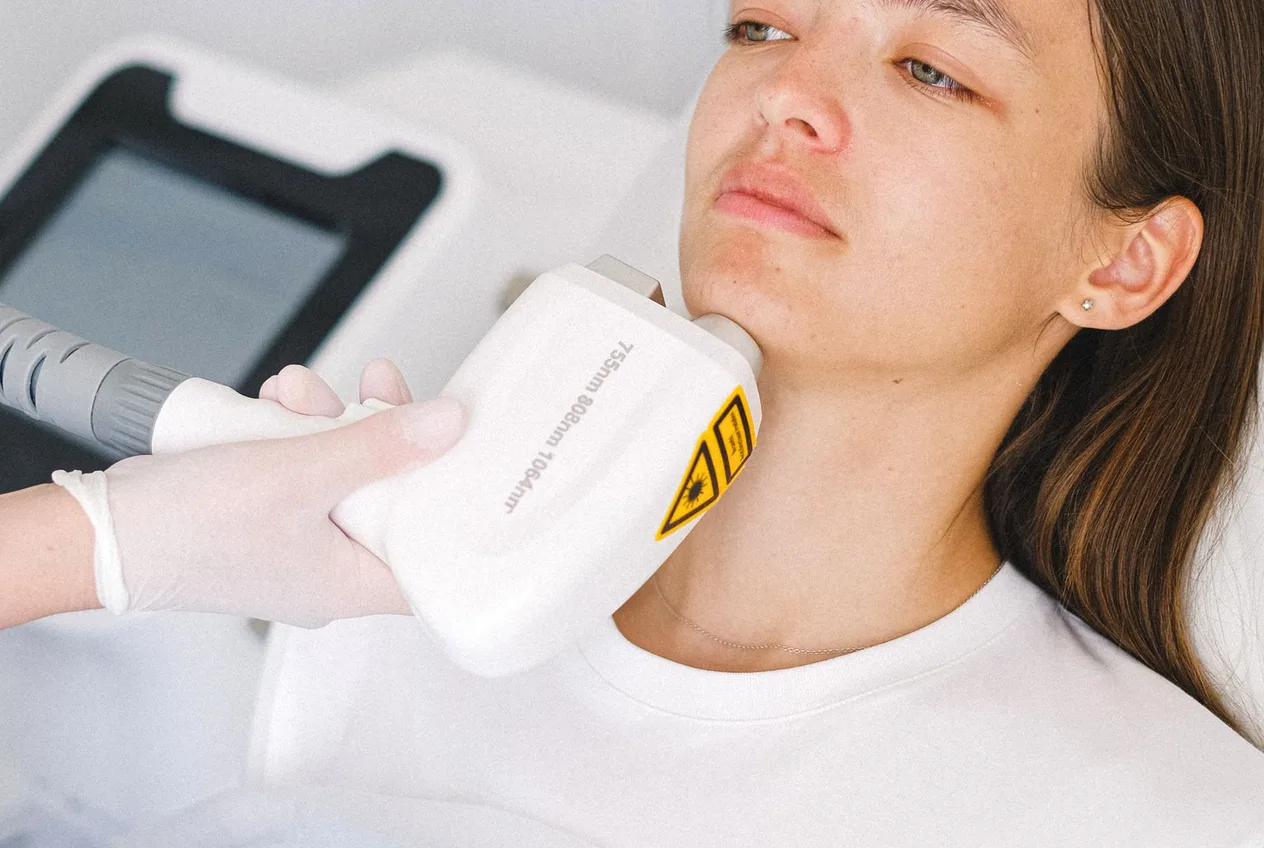
- Radiofrequency.
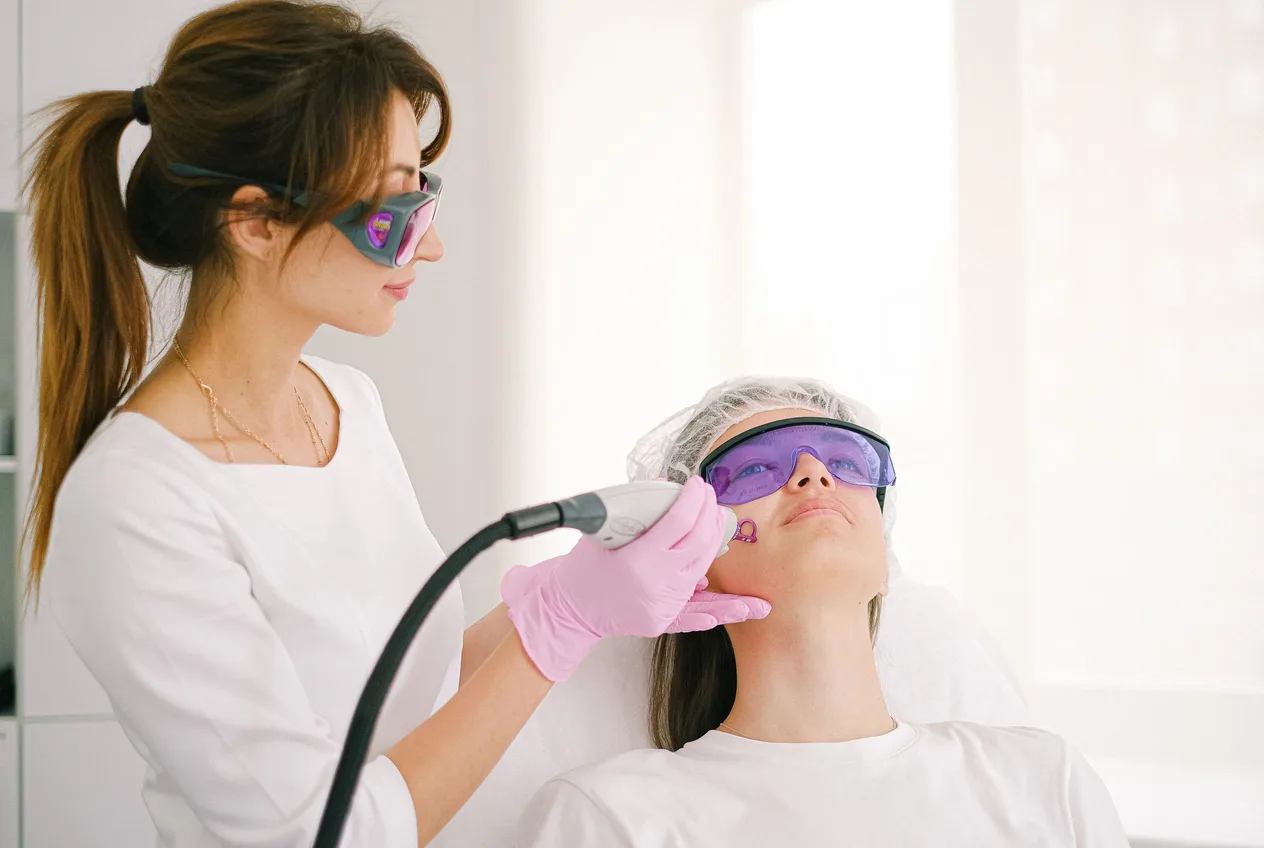
- Fractional lasers.
The goal should not be to transform the face, but to preserve a natural and healthy appearance.
Ageing well does not mean looking like a different person
Modern medicine pursues the concept of well-aging or healthy ageing.
The goal consists of:
- Maintaining facial identity.
- Preserving the quality of the skin.
- Conserving the natural expression.
- Delaying the functional deterioration of the tissues.
The best aesthetic medicine is that which goes unnoticed.
Myths and facts
- Myth: Wrinkles appear only because of age. Fact: The sun, tobacco and lifestyle enormously accelerate ageing.
- Myth: I should only start taking care of myself after 50. Fact: Prevention begins much earlier.
- Myth: Creams completely eliminate ageing. Fact: They help to take care of the skin, but they cannot stop biological ageing.
- Myth: Aesthetic medicine consists of changing the face. Fact: Its modern goal is to preserve naturalness and improve the quality of the skin.
- Myth: It is never too late to start. Fact: It is always a good moment to improve habits and take care of the skin.
The essential points to remember
- Ageing is inevitable; ageing healthily depends to a large extent on our habits.
- Daily photoprotection is the most effective measure to prevent photoageing.
- Diet, exercise, sleep and avoiding tobacco are fundamental pillars.
- The best aesthetic medicine seeks to preserve facial identity and improve the quality of the skin, not to change the face.
- Medical treatments should stimulate the natural mechanisms of repair and collagen production.
- The skin reflects, to a large extent, the health state of the organism.
Frequently asked questions
What is the best treatment to maintain young skin?
Prevention: photoprotection, healthy diet, exercise, sleep and not smoking.
At what age should I start taking care of my skin?
The sooner good habits are established, the greater the long-term benefits.
Does genetics determine everything?
No. Lifestyle has an enormous impact on visible ageing.
Is it essential to use many creams?
No. A simple and constant routine is usually sufficient.
Does sunscreen prevent wrinkles?
Yes. It is one of the measures with the greatest scientific support.
Does diet influence the skin?
Yes. A balanced diet contributes to maintaining healthy skin.
Can aesthetic medicine prevent ageing?
In selected patients, some treatments help to stimulate the natural mechanisms of repair and maintenance of the skin.
Does sleeping little affect the skin?
Yes. It reduces the capacity for cellular repair and favours ageing.
Does stress cause ageing?
Yes. Chronic stress can accelerate various processes related to ageing.
What is the key to ageing well?
Taking care of general health. Healthy skin is usually the reflection of a healthy organism.
Need personalised guidance?
This guide is for information only and does not replace a medical consultation. For an assessment tailored to your case, you may request a consultation.
Request a consultation