Nutrition and skin

Antioxidants and skin health

Free radicals, diet and evidence
By Clínica Valorian·Medically reviewed by: Dr. Florian André Vallecillo Cabrera
Updated on July 23, 2026· 3 min read
Antioxidants and skin health

Antioxidants help to protect the cells against oxidative stress, but they do not stop ageing or replace photoprotection. The best strategy is to obtain them through a varied and balanced diet, reserving supplements for specific situations.

What are antioxidants?

Antioxidants are substances capable of protecting the cells against the damage produced by free radicals, very reactive molecules that are generated naturally during metabolism and that also increase due to external factors such as solar radiation, tobacco, pollution or an unhealthy diet.

Our organism has its own antioxidant systems, but it also obtains antioxidants through diet.

What are free radicals?

Free radicals are unstable molecules that, when produced in excess, generate a phenomenon called oxidative stress.

This excess can contribute to cellular ageing and participate in the development of various diseases.

In the skin, oxidative stress favours:

  • The degradation of collagen.
  • The loss of elasticity.
  • Photoageing.
  • The appearance of spots.
  • Inflammation.

Which antioxidants are the best known?

Among the main ones stand out:

  • Vitamin C.
  • Vitamin E.
  • Beta-carotenes.
  • Polyphenols.
  • Flavonoids.
  • Coenzyme Q10.
  • Resveratrol.
  • Lycopene.
  • Selenium.
  • Zinc.

Each one acts by different mechanisms and none can be considered superior in all situations.

What benefits do they have for the skin?

A diet rich in antioxidants can contribute to:

  • Reducing oxidative stress.
  • Favouring the normal functioning of the skin cells.
  • Maintaining healthier skin.
  • Complementing protection against environmental damage.

However, antioxidants do not stop ageing or replace photoprotection.

Do antioxidant supplements improve the skin?

The scientific evidence is variable.

At present, there is no solid proof that justifies recommending antioxidant supplements systematically to prevent skin ageing or improve skin quality in healthy people.

In most cases, a balanced diet provides sufficient quantities.

Is it better to obtain antioxidants through diet?

Yes.

Foods contain a natural combination of vitamins, minerals, fibre and hundreds of bioactive compounds that act together.

This effect cannot be reproduced simply by means of a capsule.

Therefore, the main scientific societies recommend always prioritising diet.

Which foods are especially rich in antioxidants?

Among the most notable are:

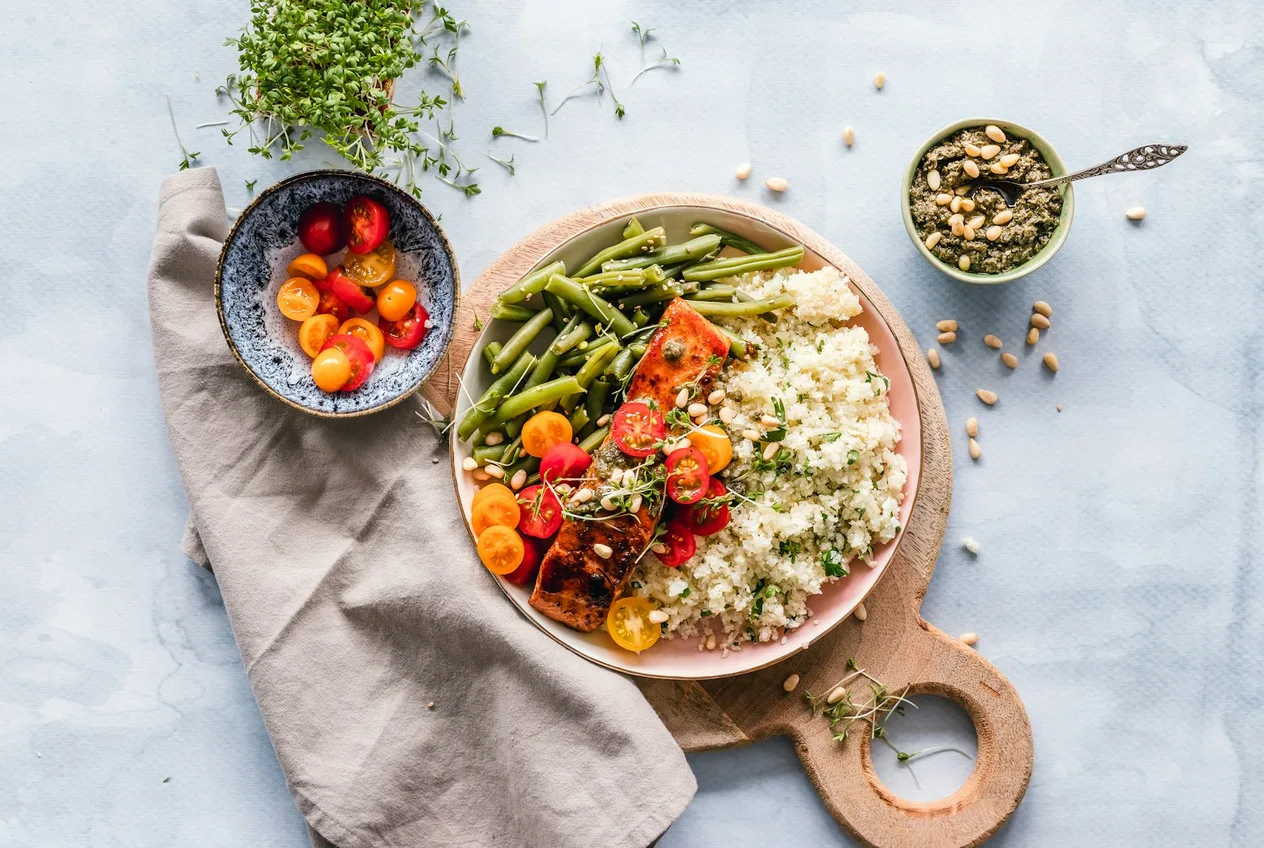
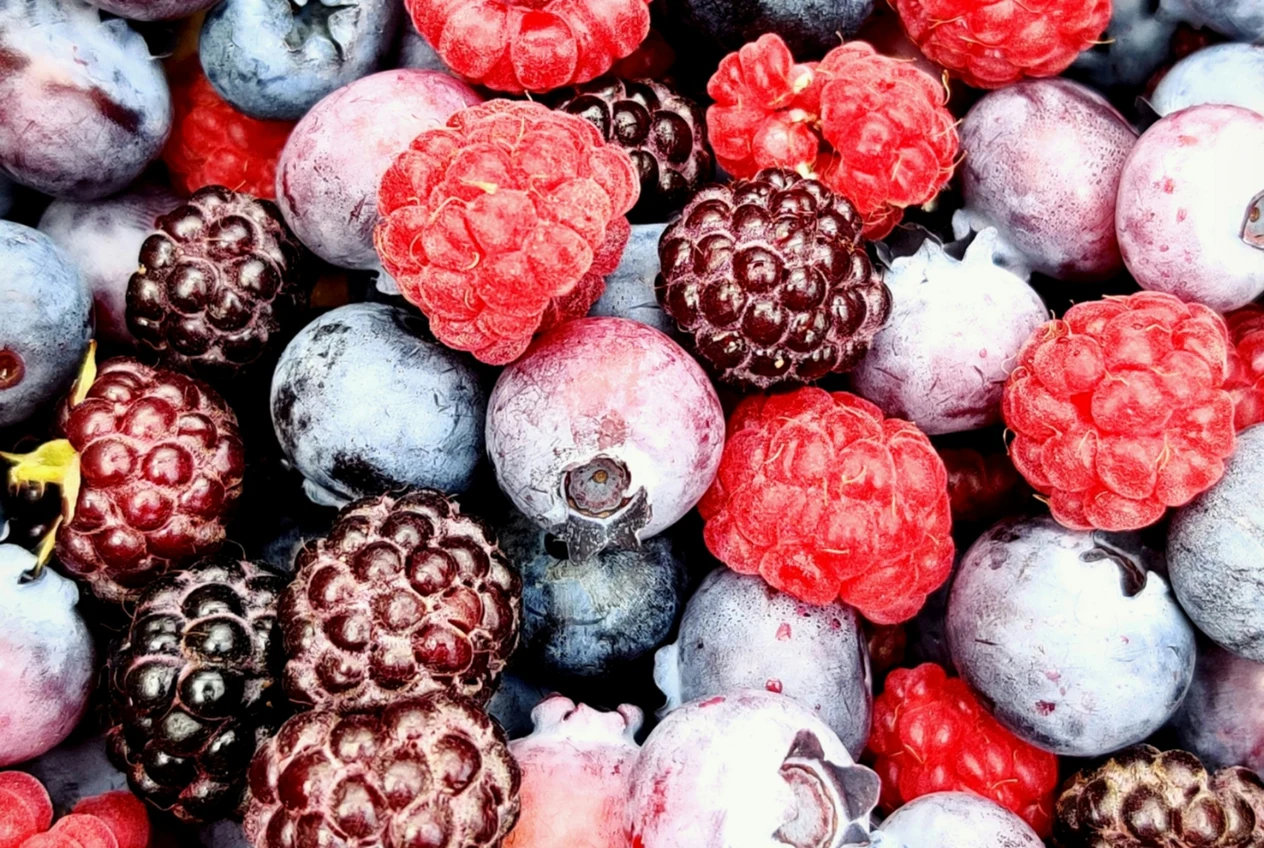
  • Berries.
  • Citrus fruits.
  • Kiwi.
  • Grapes.
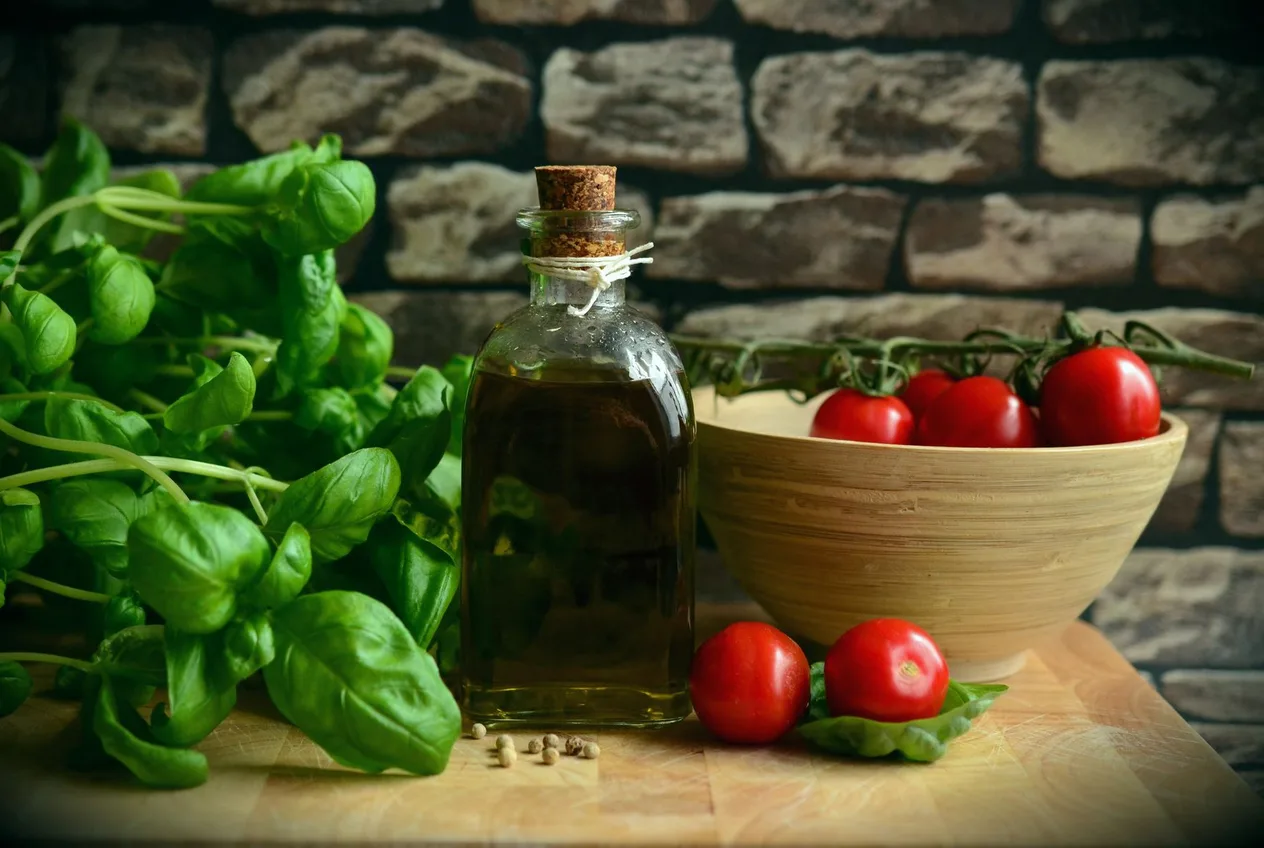
  • Tomato.
  • Carrot.
  • Spinach.
  • Broccoli.
  • Peppers.
  • Nuts.
  • Green tea.
  • Pure cocoa.
  • Extra virgin olive oil.

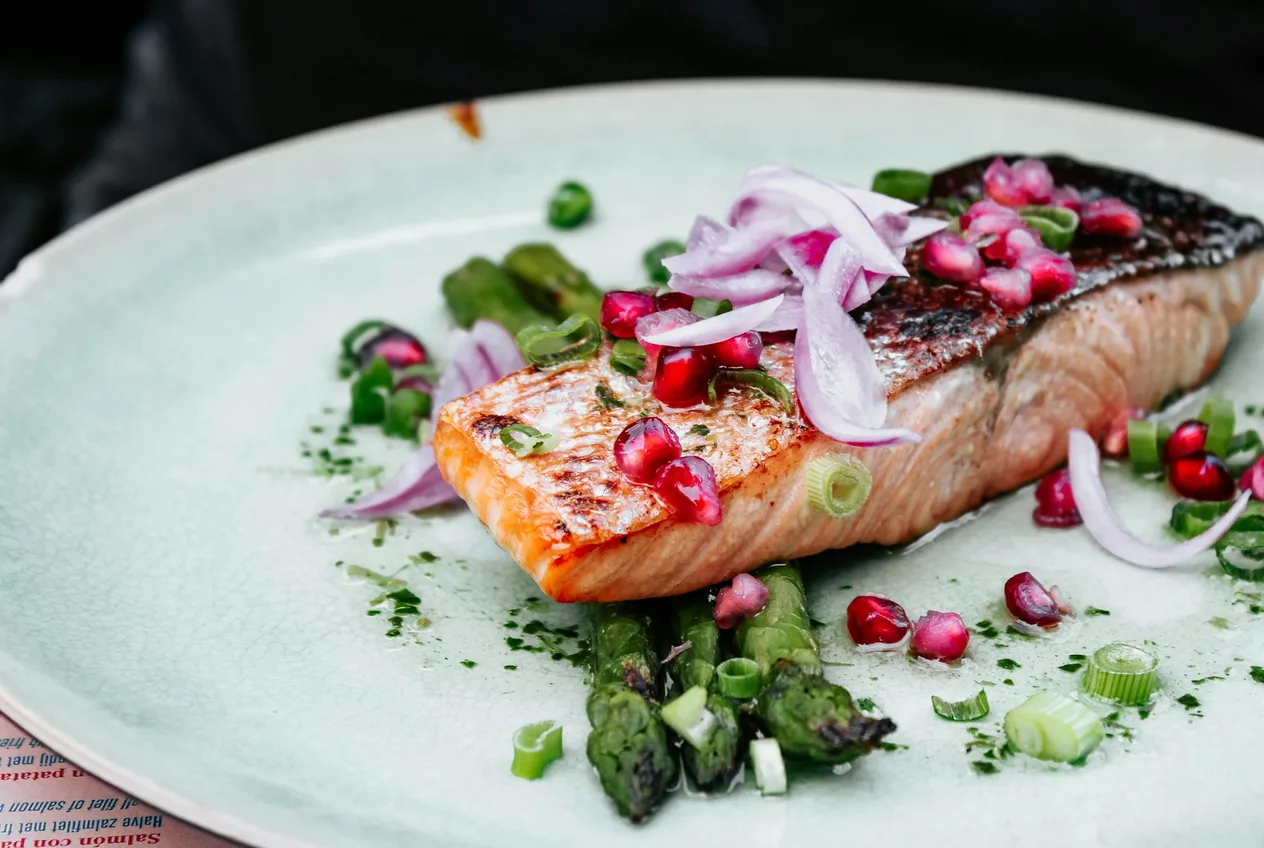
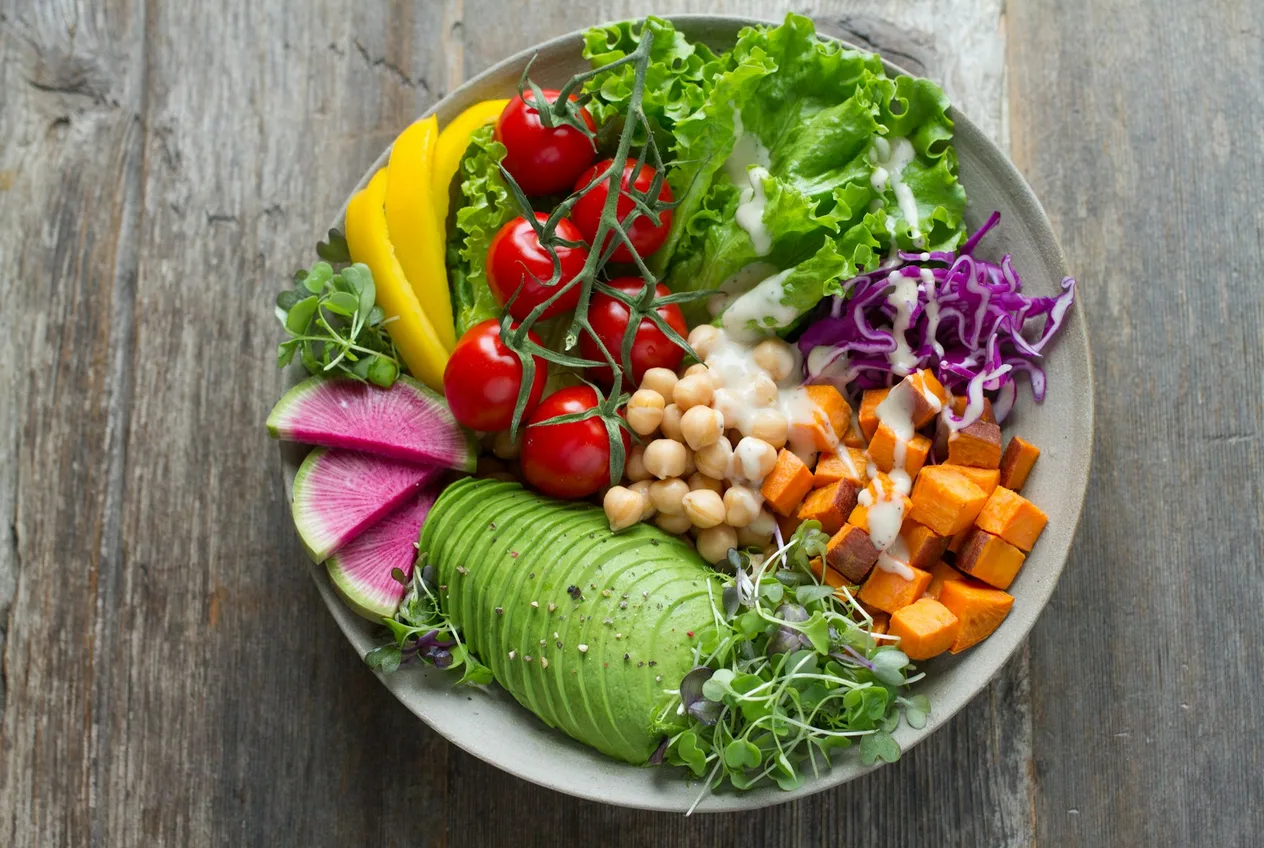
A varied diet provides a wide range of natural antioxidants.

Do antioxidants prevent ageing?

No.

Ageing is a complex biological process influenced by:

Antioxidants can be part of a global health strategy, but they are not able to stop ageing on their own.

Do they protect against the sun?

They do not replace sunscreen.

Although some antioxidants can help to reduce part of the oxidative damage induced by ultraviolet radiation, no supplement replaces the daily use of photoprotection.

Can they be harmful?

Yes.

Taking large doses of antioxidants by means of supplements is not always beneficial.

In some cases, an excess can even alter normal physiological processes or interact with certain medications.

Therefore, supplementation must be individualised.

Who may need supplements?

Some people with nutritional deficiencies, specific diseases or concrete clinical situations may benefit from a targeted supplementation.

However, in the general population its systematic use is not recommended without a medical indication.

Myths and facts

  • Myth: Antioxidants stop ageing. Fact: No. They can help to reduce oxidative stress, but they do not stop the ageing process.
  • Myth: The more antioxidants I take, the better. Fact: The excess does not necessarily provide more benefits and can sometimes be harmful.
  • Myth: A capsule replaces a healthy diet. Fact: No supplement reproduces the nutritional complexity of foods.
  • Myth: Antioxidants replace sunscreen. Fact: Photoprotection remains the most effective measure against photoageing and skin cancer.
  • Myth: All antioxidant supplements have scientific evidence. Fact: The evidence is very variable depending on the compound studied.

The essential points to remember

  • Antioxidants help to protect the cells against oxidative stress.
  • The best source of antioxidants is a varied diet rich in fruits, vegetables and natural foods.
  • There is not enough proof to recommend antioxidant supplements systematically.
  • Antioxidants do not replace photoprotection or medical skin treatments.
  • Healthy ageing depends on multiple factors and not on a single nutrient.
  • A balanced diet and a healthy lifestyle remain the most effective tools to take care of the skin.

Frequently asked questions

Which is the best antioxidant for the skin?

There is no single superior antioxidant. What matters is maintaining a varied and balanced diet.

Is it better to eat fruit or take supplements?

Whenever possible, diet constitutes the first option.

Is vitamin C an antioxidant?

Yes. It is one of the best-studied antioxidants.

Do antioxidants eliminate wrinkles?

No. They can contribute to reducing oxidative damage, but they do not eliminate wrinkles.

Does green tea have antioxidants?

Yes. It is rich in polyphenols with antioxidant activity.

Should I take antioxidants every day?

It is advisable to consume them through a diet rich in fruits, vegetables and other healthy foods.

Do smokers need more antioxidants?

Tobacco increases oxidative stress, although the best measure remains quitting smoking.

Are supplements always safe?

No. Some can interact with medications or be harmful at high doses.

Do antioxidants prevent skin cancer?

No. Prevention is based mainly on photoprotection and on avoiding excessive sun exposure.

Who should recommend an antioxidant supplement?

Always a health professional after assessing the individual situation.

Need personalised guidance?

This guide is for information only and does not replace a medical consultation. For an assessment tailored to your case, you may request a consultation.

Request a consultation

More guides in this category

Mediterranean diet and skin health
Nutrition and skin

Mediterranean diet and skin health

The Mediterranean diet provides antioxidants, healthy fats, fibre and essential nutrients that contribute to maintaining healthy skin. Although it does not replace medical skin treatments, it is part of a lifestyle beneficial for skin and general health.

July 23, 2026Read the guide
Diet and acne
Nutrition and skin

Diet and acne

Diet can influence acne in some people, especially when there is a high consumption of high glycaemic index foods or certain dairy products. A balanced diet complements, but does not replace, medical skin treatment.

July 23, 2026Read the guide
Diet and atopic dermatitis
Nutrition and skin

Diet and atopic dermatitis

Diet is usually not the cause of atopic dermatitis. Only some patients present food allergies that require modifications of the diet. A balanced diet and the adequate medical skin treatment constitute the best strategy to control the disease.

July 23, 2026Read the guide
Diet and psoriasis
Nutrition and skin

Diet and psoriasis

Diet does not cure psoriasis, but a Mediterranean diet, weight control and the reduction of alcohol and ultra-processed foods can help to decrease inflammation and improve the evolution of the disease as part of an integral treatment.

July 23, 2026Read the guide
Diet and rosacea
Nutrition and skin

Diet and rosacea

Diet can influence rosacea in some people. Identifying individual triggers such as alcohol, spiciness or very hot drinks and following a balanced diet can help to control the flares together with medical treatment.

July 23, 2026Read the guide
Obesity and skin health
Nutrition and skin

Obesity and skin health

Obesity favours a state of inflammation that can affect the skin and increase the risk of diseases such as psoriasis, hidradenitis suppurativa, acanthosis nigricans and skin infections. Maintaining a healthy weight benefits both the skin and general health.

July 23, 2026Read the guide

You might also like

Environmental pollution and skin ageing: the invisible enemy of the skin
Longevity and prevention

Environmental pollution and skin ageing: the invisible enemy of the skin

Environmental pollution favours skin ageing through oxidative stress, inflammation and alteration of collagen. Although the sun remains the main environmental factor of ageing, protecting the skin against pollution through adequate cleansing, photoprotection and healthy habits contributes to keeping healthy skin for longer.

July 23, 2026Read the guide
Everything about skin ageing: why we age and how to keep healthy skin for longer
Aesthetic dermatology and ageing

Everything about skin ageing: why we age and how to keep healthy skin for longer

Skin ageing is a natural process influenced by genetics and, above all, by external factors such as the sun, tobacco and lifestyle. Prevention, photoprotection, healthy habits and aesthetic medicine based on biostimulation make it possible to keep healthy, natural and younger-looking skin for longer.

July 23, 2026Read the guide
Sleep and skin health: regeneration begins while we sleep
Longevity and prevention

Sleep and skin health: regeneration begins while we sleep

Sleep is one of the main natural repair mechanisms of the organism. Sleeping between seven and nine quality hours favours skin regeneration, collagen synthesis, immune balance and healthy ageing, while the lack of rest accelerates the deterioration of the skin.

July 23, 2026Read the guide
Tobacco and skin ageing: the silent enemy of the skin
Longevity and prevention

Tobacco and skin ageing: the silent enemy of the skin

Smoking accelerates skin ageing by reducing the supply of oxygen, destroying collagen and elastin and increasing oxidative stress. In addition, it worsens healing, favours various skin diseases and decreases the efficacy of many treatments. Giving up tobacco is the most effective measure to preserve healthy skin and healthy ageing.

July 23, 2026Read the guide

Master Index

Related content

Scientific news

Vitiligo: can new treatments really repigment the skin?Vitiligo, an autoimmune disease affecting 1-2% of the population, appears as patches of depigmentation. Long considered to have 'no solution', it is now experiencing a therapeutic revolution: ruxolitinib (Opzelura), the first specific anti-JAK treatment, enables melanocytes to recolonise the skin, with on average 75% repigmentation of the face in one in two patients. But application is demanding, results are slow (6 to 24 months) and the treatment is reserved for less extensive forms. Vitiligo is neither contagious nor psychosomatic: several options exist (immunomodulators, cortisone, UVB phototherapy, melanocyte autograft), and early management is decisive.Read Running: why insufficient sleep could increase the risk of injuryA 2025 study (Applied Sciences) profiled the sleep of 425 recreational runners and identified four profiles. The "poor sleepers" (short sleep + poor quality + disturbances, ~37%) had an injury probability close to 68%, well above regular sleepers. Observational, cross-sectional study: it shows an association, not causation. Sleep affects muscle recovery, alertness, perception of effort and pain. It remains one factor among others (load, energy, strength, technique). Key message: when sleep deteriorates durably, the body tolerates load less well.Read Cosmetic "dupes": bargains or real risks for your skin?Popularised on social media, "dupes" are cosmetics presented as cheaper alternatives to major brands. Not all are counterfeits, but outside regulated channels some may have a non-compliant composition, contaminants (heavy metals, phthalates), incorrect labelling or no European representative. Sunscreens are the most concerning case: SPF 50+ claims with no effective UV filter. Advice: buy from pharmacies/official distributors, check the INCI, be wary of abnormally low prices. Sources: Regulation (EC) 1223/2009, BEUC, FEBEA.Read
CallWhatsAppBook

We use cookies to improve your experience and for analytics.

+