Mediterranean diet and skin health
Nutrition for healthy skin from within

The Mediterranean diet provides antioxidants, healthy fats, fibre and essential nutrients that contribute to maintaining healthy skin. Although it does not replace medical skin treatments, it is part of a lifestyle beneficial for skin and general health.
Can the Mediterranean diet benefit the skin?
Yes. The Mediterranean diet is considered one of the healthiest dietary patterns in the world and numerous scientific studies have demonstrated its benefits for cardiovascular, metabolic and brain health.
In addition, there is increasing evidence that this dietary model can also contribute to maintaining healthier skin, favouring a less inflammatory environment and providing essential nutrients for its correct functioning.
Although it does not replace medical skin treatments, it constitutes an excellent tool to care for the skin from the inside.
What is the Mediterranean diet?
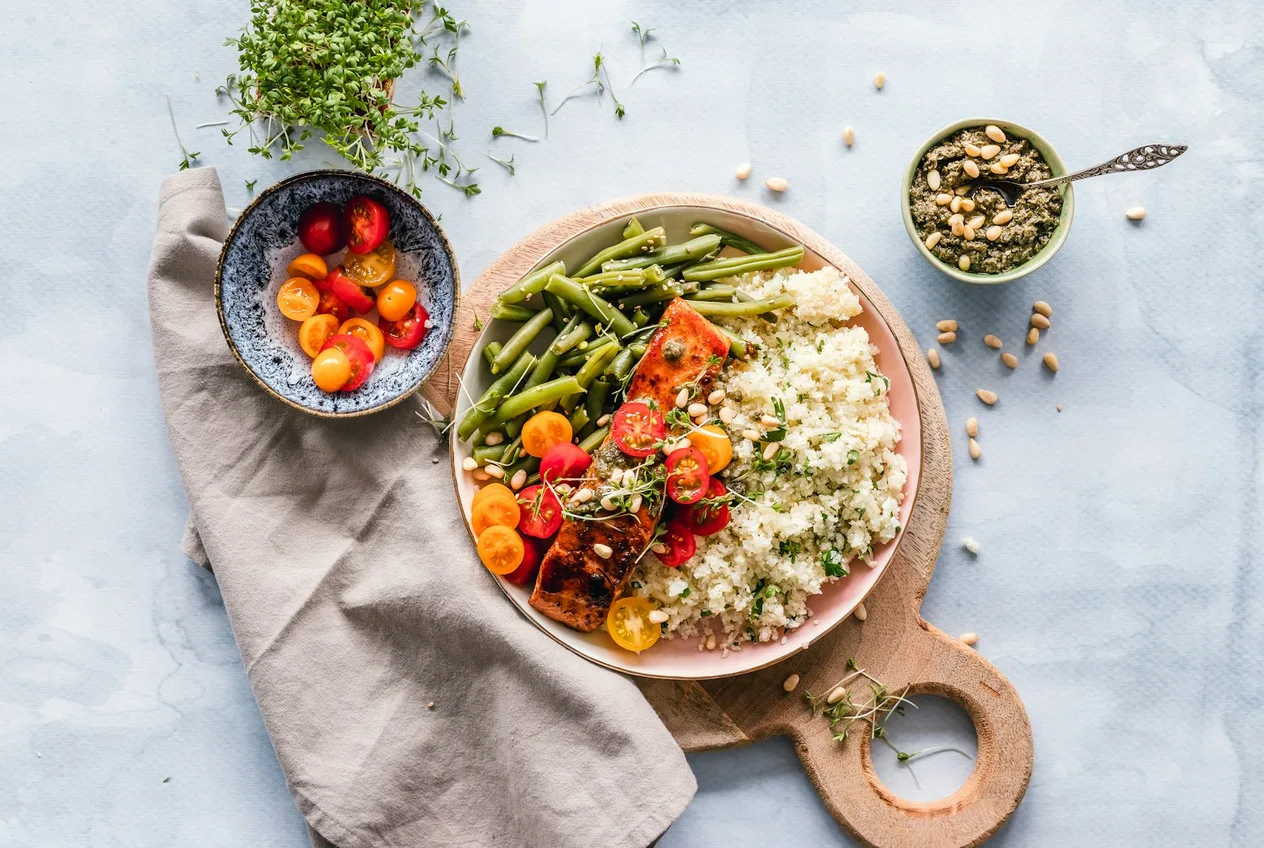
The Mediterranean diet does not consist of a restrictive diet, but of a style of eating based on fresh and minimally processed foods.
Its pillars are:
- Vegetables.
- Fruits.
- Legumes.
- Whole grains.
- Nuts.
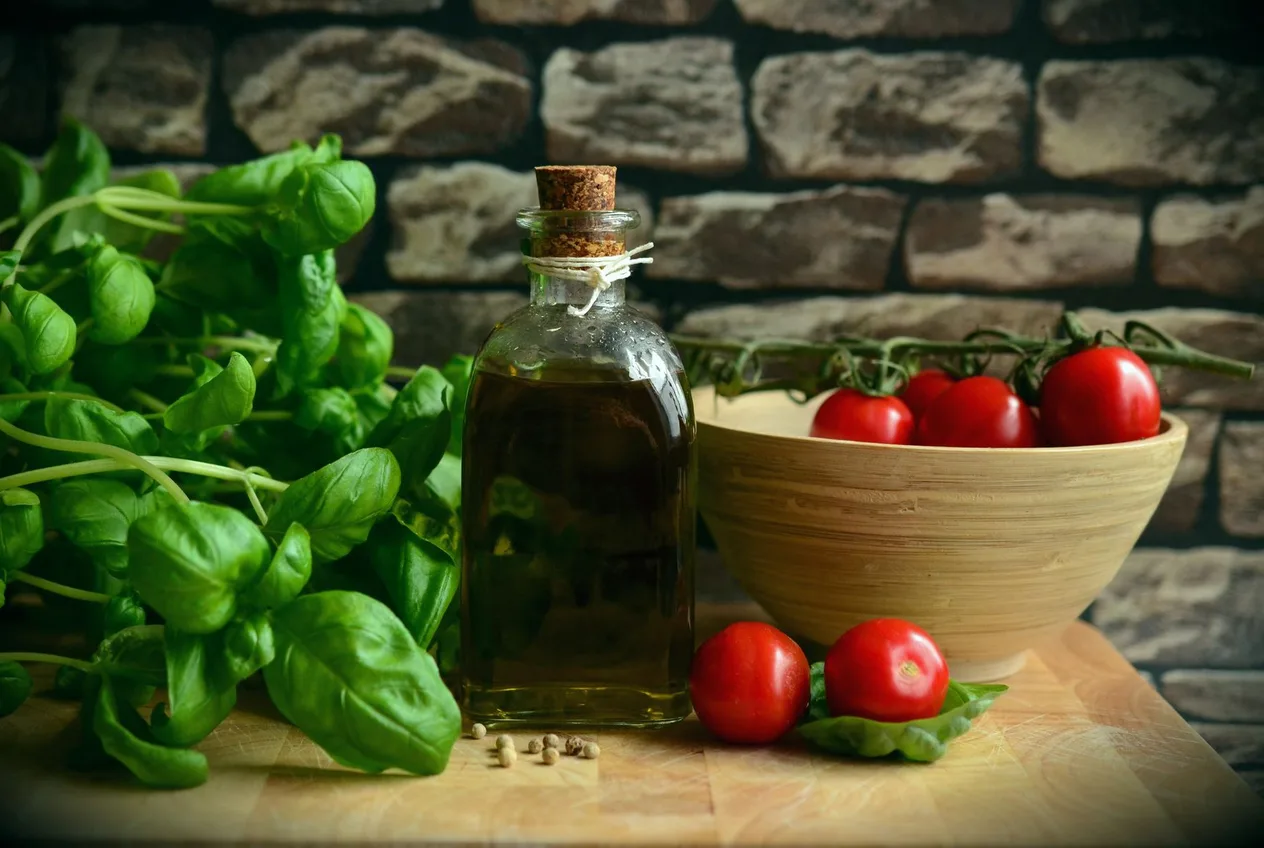
- Extra virgin olive oil.
- Fish.
- Shellfish.
- Moderate consumption of dairy products.
- Moderate consumption of eggs.
- Lean proteins.
- Low consumption of ultra-processed products.
It also promotes an active lifestyle and a balanced diet.
How does it influence the skin?
The skin needs a constant supply of nutrients to maintain:
- Its barrier function.
- Collagen production.
- Elasticity.
- Hydration.
- Repair mechanisms.
- Protection against oxidative stress.
A diet rich in natural foods favours all these processes.
The role of inflammation
Many skin diseases present an inflammatory component.
The Mediterranean diet provides foods rich in compounds with antioxidant and anti-inflammatory activity that can contribute to maintaining a healthier inflammatory balance.
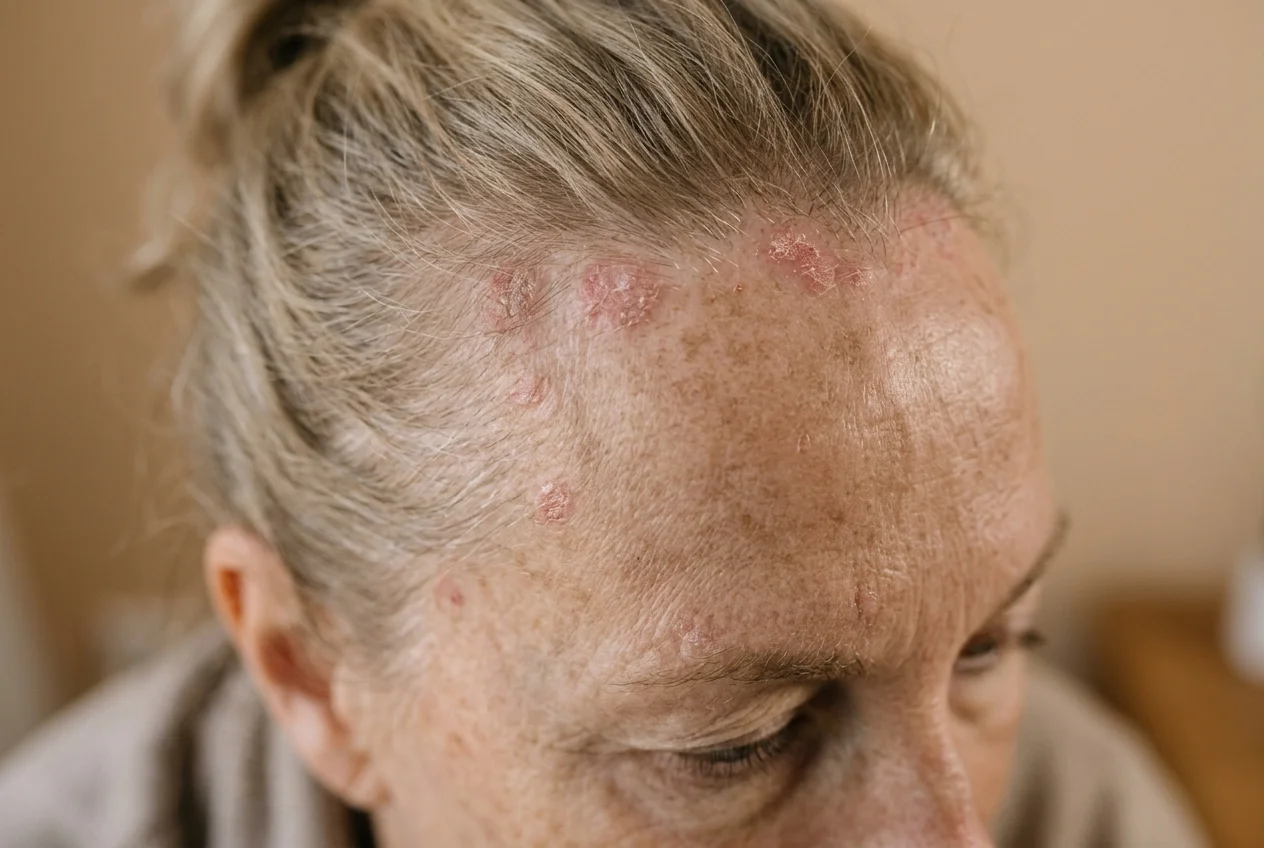
This can be especially interesting in diseases such as psoriasis, rosacea, acne or atopic dermatitis, always as a complement to medical treatment.
Extra virgin olive oil
It is one of the main pillars of the Mediterranean diet.
It provides:
- Monounsaturated fatty acids.
- Polyphenols.
- Natural antioxidants.
These compounds help to protect the cells against oxidative damage.
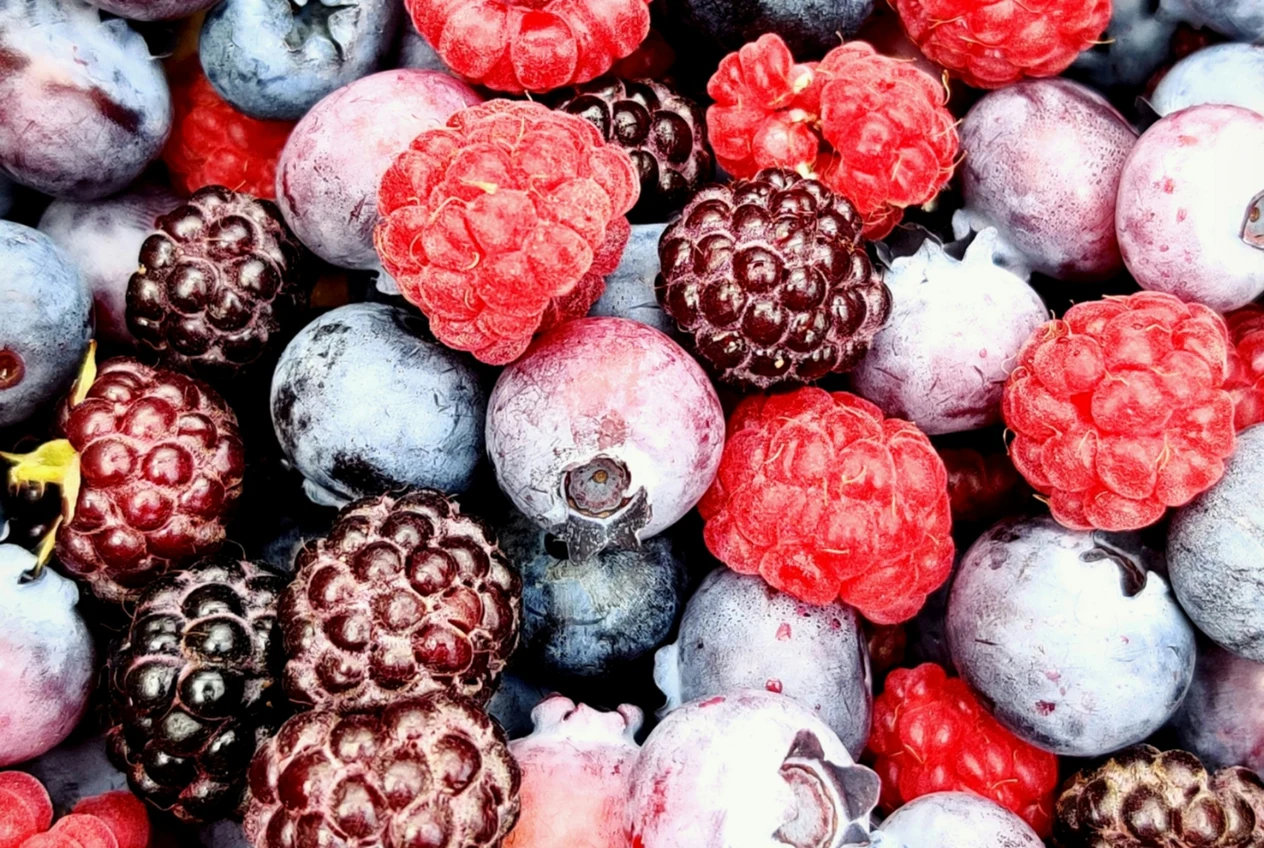
Fruits and vegetables
They are an important source of:
- Vitamin C.
- Carotenoids.
- Polyphenols.
- Flavonoids.
- Fibre.
These nutrients participate in the synthesis of collagen and help to protect the skin against environmental aggressions.
It is recommended to consume fruits and vegetables of different colours every day to obtain a greater variety of antioxidants.
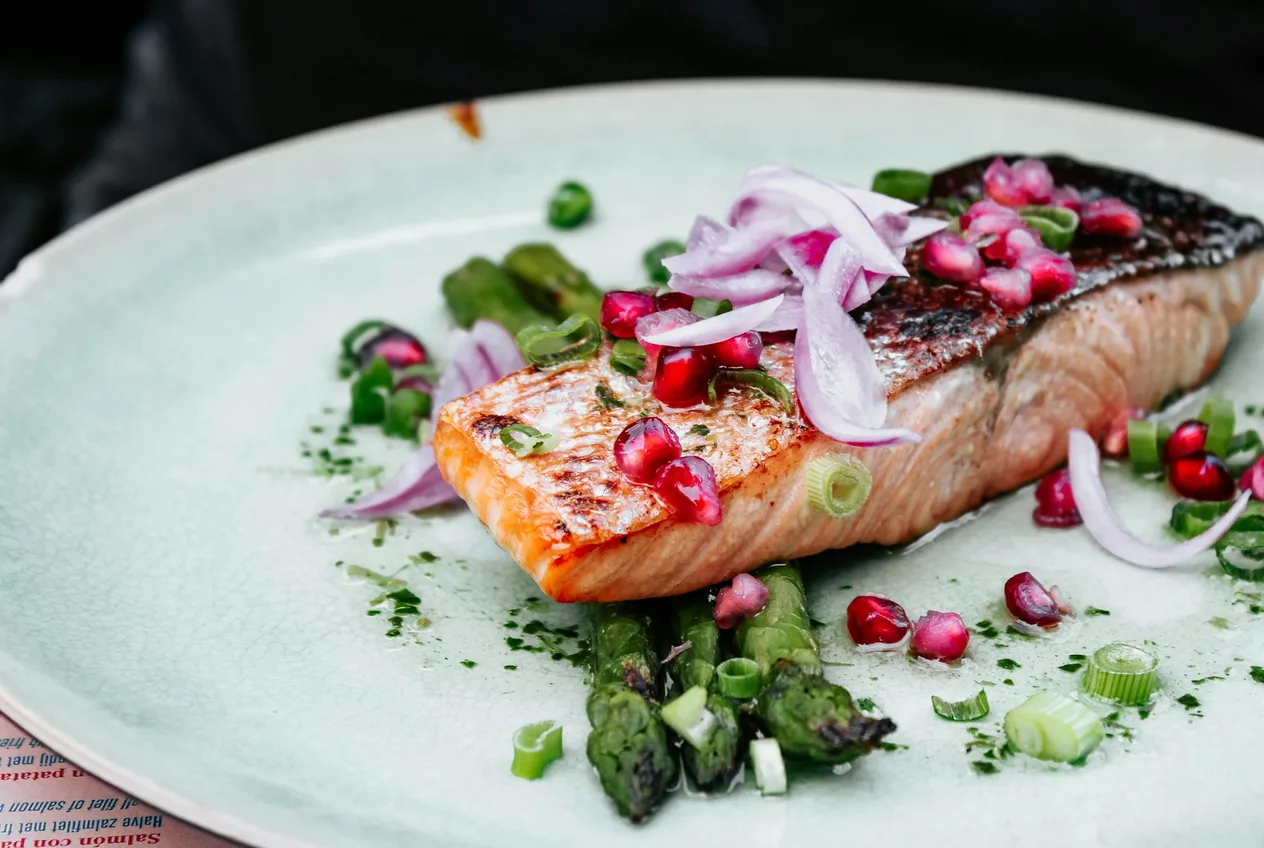
Oily fish
Oily fish provides omega-3 fatty acids, related to anti-inflammatory effects and benefits for cardiovascular health.
Its habitual consumption is part of a healthy diet.
Nuts
Natural nuts provide:
- Healthy fats.
- Vitamin E.
- Minerals.
- Antioxidants.
Consumed in moderation, they can be part of a beneficial diet for the skin.
Legumes
Legumes constitute an excellent source of:
- Vegetable proteins.
- Fibre.
- Minerals.
- Group B vitamins.
In addition, they favour a more stable glycaemic response than many refined foods.
Whole grains
They provide fibre and contribute to maintaining a better control of glucose, which can favour a healthier metabolic environment.
Which foods should be limited?
The Mediterranean diet recommends reducing:
- Sugary drinks.
- Sweets.
- Industrial pastries.
- Ultra-processed foods.
- Trans fats.
- Excess of processed meats.
These foods favour a less healthy nutritional pattern and can increase systemic inflammation.
Can it delay skin ageing?
No food can stop ageing.
However, a healthy dietary pattern can help to better preserve the quality of the skin and reduce part of the damage associated with oxidative stress.
Healthy ageing depends on multiple factors:
- Photoprotection.
- Diet.
- Sleep.
- Physical exercise.
- Not smoking.
- Stress control.
- Adequate medical skin care.
What relation exists with the microbiota?
The Mediterranean diet is rich in fibre, one of the main nutrients for a diverse intestinal microbiota.
Currently there is growing scientific interest in the relation between microbiota, immune system and skin health.
Although there are still many questions to answer, maintaining a healthy microbiota seems to be part of a global well-being strategy.
Is it enough to maintain healthy skin?
No. Diet constitutes only one of the pillars.
It is also fundamental to:
- Use photoprotection daily.
- Sleep adequately.
- Avoid tobacco.
- Practise physical exercise.
- Maintain good skin hydration.
- Follow medical treatments when they are necessary.
Myths and facts
- Myth: The Mediterranean diet cures skin diseases. Fact: No. It can contribute to improving the inflammatory environment, but does not replace medical treatment.
- Myth: Only what is applied on the skin matters. Fact: Skin health depends as much on external care as on lifestyle habits.
- Myth: Supplements are better than a good diet. Fact: A balanced diet constitutes the basis. Supplements are only indicated in specific situations.
- Myth: Antioxidants eliminate wrinkles. Fact: They help to protect the cells, but do not stop ageing.
- Myth: The Mediterranean diet only serves to care for the heart. Fact: It also provides benefits for the skin, the metabolism and general health.
The essential points to remember
- The Mediterranean diet is one of the healthiest dietary models and with the greatest scientific support.
- It favours a less inflammatory environment and provides essential nutrients for the skin.
- Olive oil, fruits, vegetables, fish, legumes and nuts are some of its pillars.
- It does not replace medical skin treatments, but it can enhance good skin health.
- Sun protection, exercise, sleep and avoiding tobacco remain fundamental.
- Skin health is the result of the set of our lifestyle habits.
Frequently asked questions
Does the Mediterranean diet improve acne?
It can contribute to maintaining a less inflammatory metabolic environment, although it does not replace medical skin treatment.
Is it useful in psoriasis?
Yes. It is one of the most recommended dietary patterns for its general benefits and its potential anti-inflammatory effect.
Can it help in rosacea?
It can be part of a healthy lifestyle, although each patient must identify their dietary triggers.
Should I take supplements if I follow this diet?
Not necessarily. Most people obtain the necessary nutrients through a balanced diet.
Is it advisable for all ages?
Yes. It can be adapted to the different stages of life.
Can I follow it if I am vegetarian?
Yes. It can be adapted by prioritising legumes, nuts, whole grains and other sources of vegetable protein.
Is it a diet for losing weight?
Not specifically, although it can favour a healthy weight when accompanied by adequate habits.
Does the Mediterranean diet protect against ageing?
It can contribute to maintaining better skin health, but ageing depends on multiple factors.
Which food is the most important?
There is no miracle food. The important thing is the whole of the dietary pattern.
Who can help me to adapt this diet?
The doctor and, when necessary, a nutritionist can design a personalised plan.
Need personalised guidance?
This guide is for information only and does not replace a medical consultation. For an assessment tailored to your case, you may request a consultation.
Request a consultationTopics