Diet and psoriasis
Diet and habits that help to reduce inflammation
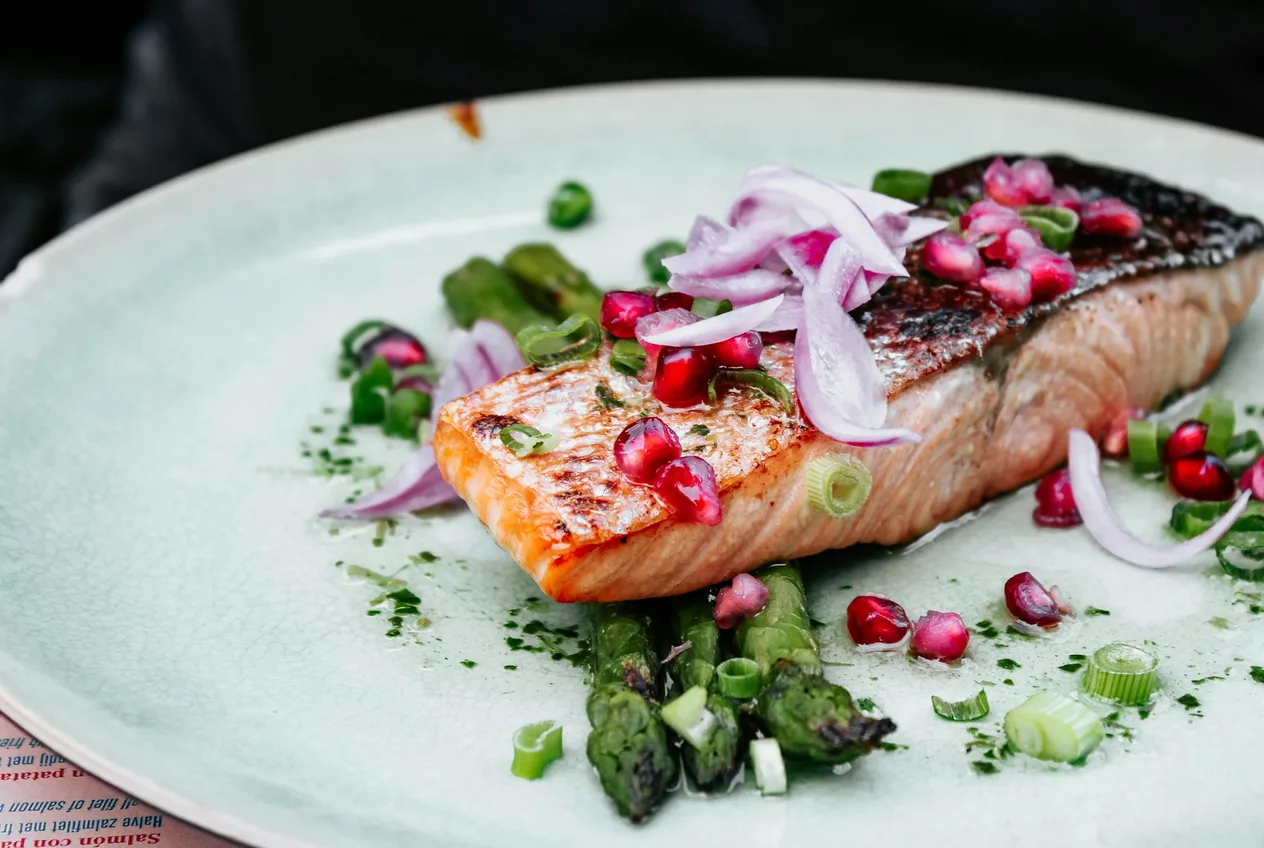
Diet does not cure psoriasis, but a Mediterranean diet, weight control and the reduction of alcohol and ultra-processed foods can help to decrease inflammation and improve the evolution of the disease as part of an integral treatment.
Can diet influence psoriasis?
Psoriasis is a chronic inflammatory disease of immunological origin that mainly affects the skin, although it can also compromise the joints and be associated with other metabolic diseases.
Diet is not the cause of psoriasis nor can it cure it, but it can influence the degree of inflammation of the organism and, in some patients, contribute to improving the evolution of the disease.
Therefore, a healthy diet is part of the integral approach to the patient with psoriasis.
What is psoriasis?
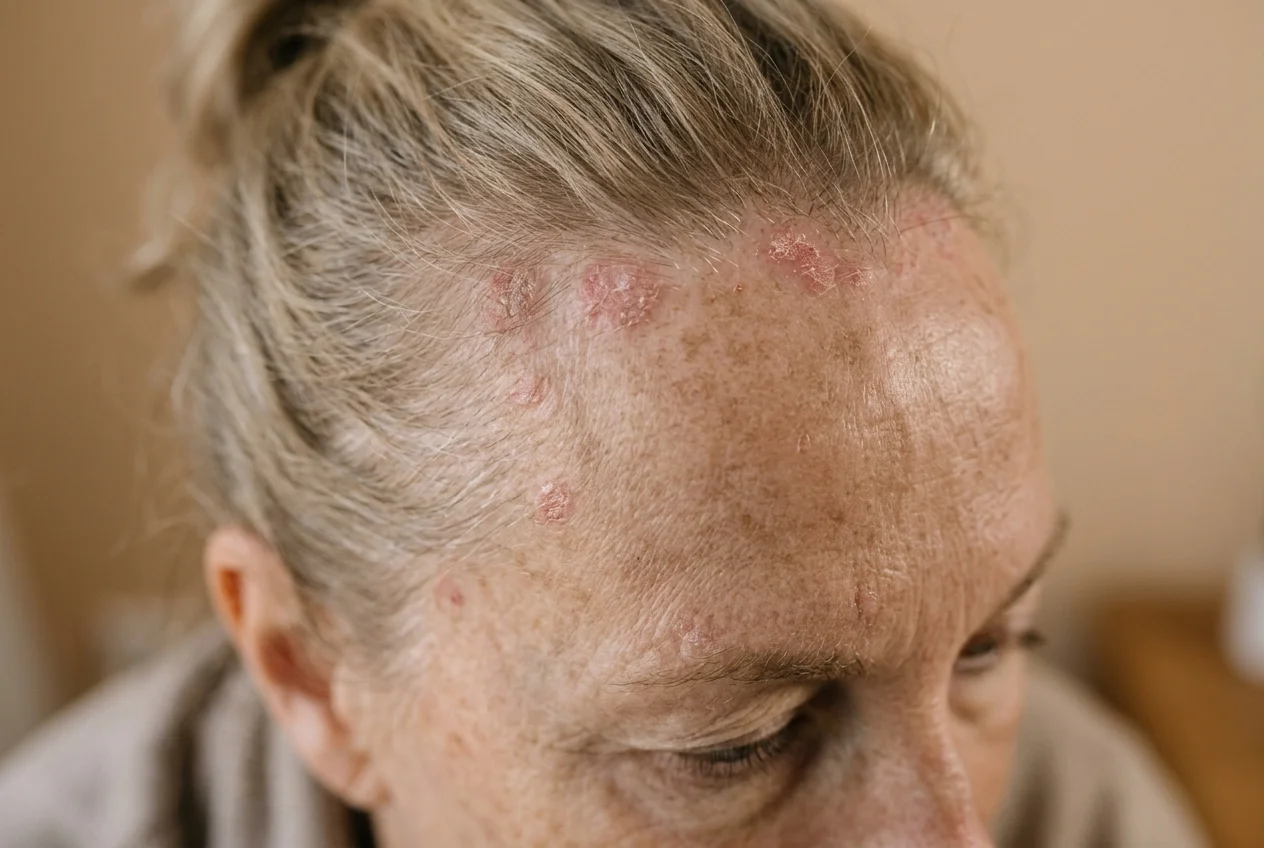
Psoriasis is an inflammatory disease mediated by the immune system that accelerates the renewal cycle of the skin.
As a consequence the following appear:
- Red plaques.
- Whitish scales.
- Variable itching.
- Skin inflammation.
In some patients psoriatic arthritis can also appear.
Is there a specific diet for psoriasis?
Currently there is no diet capable of curing psoriasis.
However, numerous studies show that certain dietary patterns can help to decrease systemic inflammation and improve the general health of the patient.
What type of diet is recommended?
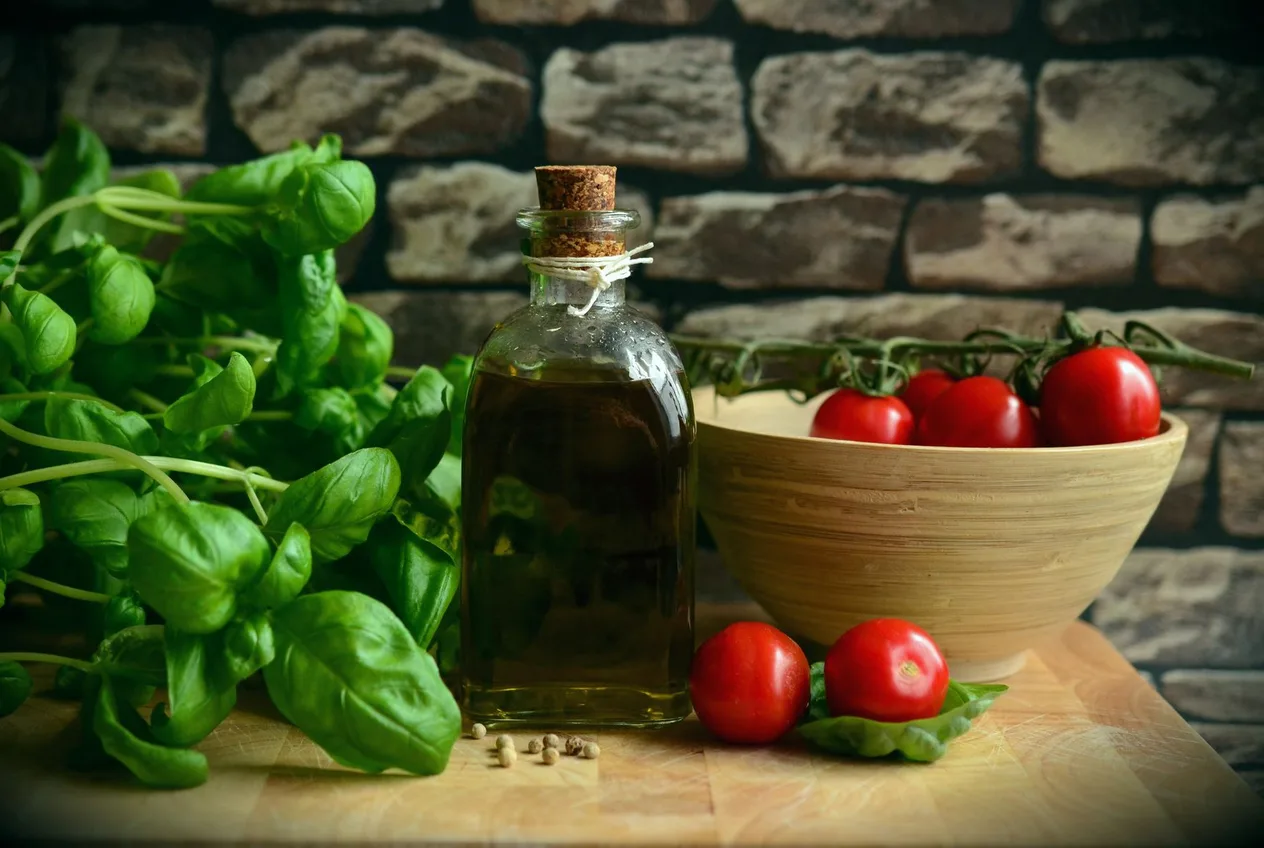
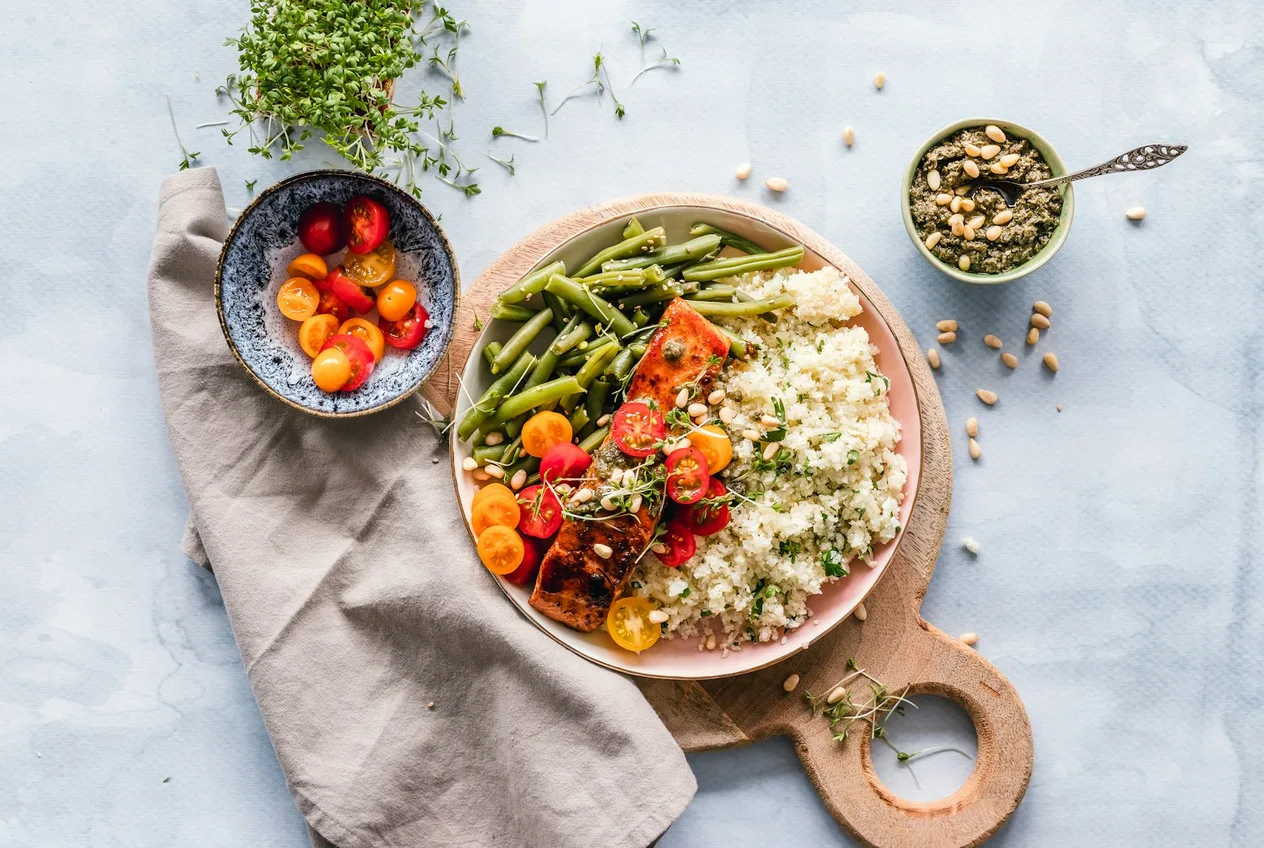
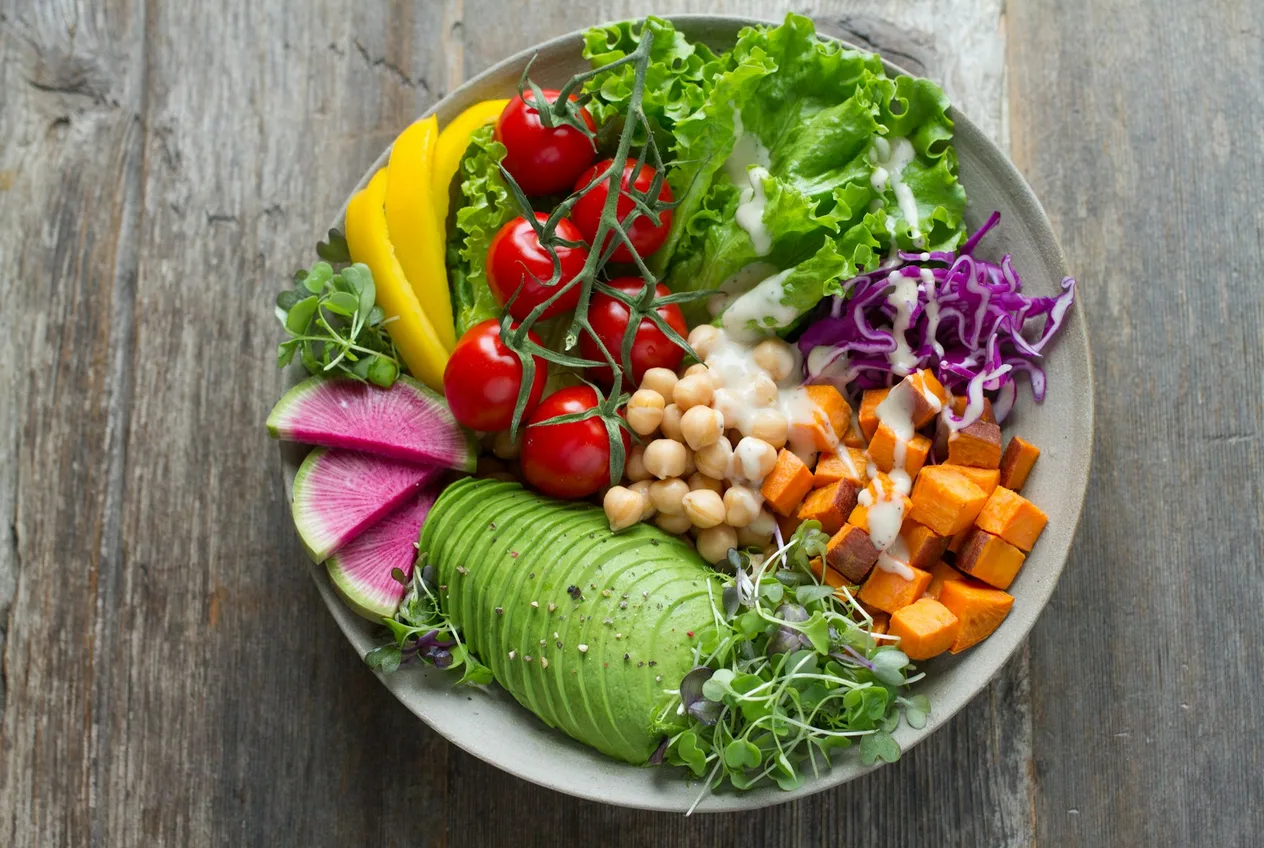
The dietary pattern with the greatest scientific support is the Mediterranean diet, characterised by:
- Vegetables.
- Fruits.
- Legumes.
- Whole grains.
- Natural nuts.
- Extra virgin olive oil.
- Fish.
- Moderate consumption of quality proteins.
This type of diet favours a less inflammatory metabolic environment.
Does obesity influence psoriasis?
Yes. Obesity is one of the factors most clearly associated with a greater severity of psoriasis.
The excess of adipose tissue produces inflammatory substances that can favour the activity of the disease. In addition, obesity can decrease the effectiveness of some treatments.
When there is overweight, a progressive weight loss can contribute to improving the clinical evolution.
Which foods should be limited?
It is recommended to reduce the consumption of:
- Sugary drinks.
- Industrial pastries.
- Sweets.
- Ultra-processed foods.
- Processed meats.
- Excess of trans fats.
- Alcohol.
These foods favour a less healthy inflammatory profile and increase the cardiovascular risk, which is already higher in patients with psoriasis.
What role do omega-3 play?
Omega-3 fatty acids have anti-inflammatory properties.
The habitual consumption of oily fish can be part of a beneficial diet for patients with psoriasis.
Supplements must be assessed individually and do not replace medical treatment.
Is it necessary to eliminate gluten?
Only when there is:
- Coeliac disease.
- Gluten sensitivity confirmed by a professional.
In people without these conditions, there is currently not enough evidence to recommend a gluten-free diet systematically.
Do dairy products worsen psoriasis?
There is no solid evidence that justifies eliminating dairy products in all patients.
Diet must be individualised according to the needs of each person.
Does alcohol have an influence?
Yes. High alcohol consumption has been associated with:
- Greater severity of psoriasis.
- Greater risk of flares.
- Worse response to some treatments.
- Greater risk of hepatic and cardiovascular disease.
Reducing or avoiding alcohol is a habitual recommendation.
Can the intestinal microbiota have an influence?
Current research suggests that there is a relation between the intestinal microbiota and the immune system.
Although this field continues to evolve, maintaining a diet rich in fibre, fruits, vegetables and minimally processed foods can favour a healthier microbiota.
There are still no universal recommendations on probiotics for all patients with psoriasis.
Are supplements useful?
Currently no supplement has demonstrated curing psoriasis.
Their use must be individualised and respond to concrete needs, such as confirmed nutritional deficits.
Does diet replace medical treatment?
No.
Diet is a complement to the treatment, but must never replace the medication indicated by the doctor specialised in skin health.
The best approach combines:
- Medical treatment.
- Healthy diet.
- Physical exercise.
- Weight control.
- Tobacco cessation.
- Reduction of alcohol consumption.
Myths and facts
- Myth: Psoriasis is cured with a special diet. Fact: There is no diet capable of curing psoriasis.
- Myth: Eliminating gluten always improves the disease. Fact: It is only indicated when there is coeliac disease or confirmed gluten sensitivity.
- Myth: All patients should stop dairy products. Fact: There is not enough evidence to recommend it generally.
- Myth: Losing weight does not influence psoriasis. Fact: In patients with overweight or obesity, weight loss can contribute to improving the disease and the response to treatment.
- Myth: Supplements replace medication. Fact: No. They are completely different strategies.
The essential points to remember
- Diet does not cure psoriasis, but it can help to decrease the inflammation of the organism.
- The Mediterranean diet is the most recommended dietary pattern.
- Maintaining a healthy weight can improve the evolution of the disease.
- Reducing the consumption of alcohol and ultra-processed foods benefits both the skin and cardiovascular health.
- There are no miracle diets nor forbidden foods for all patients.
- The best treatment combines medication, healthy diet, physical exercise and control of the risk factors.
Frequently asked questions
Can the Mediterranean diet help?
Yes. It is the dietary pattern with the greatest scientific support to favour less inflammation and improve cardiovascular health.
Should I follow a gluten-free diet?
Only if there is a medical indication.
Does alcohol worsen psoriasis?
Yes. It can favour flares and decrease the effectiveness of some treatments.
Does weight loss improve the disease?
In patients with overweight or obesity, it can indeed contribute to improving its evolution.
Are probiotics advisable?
There is still not enough evidence to recommend them systematically.
Should I take omega-3?
The consumption of oily fish is part of a healthy diet. Supplements must be assessed individually.
Is there any forbidden food?
No. The important thing is the global dietary pattern and not an isolated food.
Does psoriasis increase cardiovascular risk?
Yes. That is why it is especially important to maintain healthy habits.
Can I control psoriasis only with diet?
No. Medical treatment remains fundamental.
Who can guide me on the best diet?
The doctor specialised in skin health and, when necessary, a nutritionist can design a plan adapted to each patient.
Need personalised guidance?
This guide is for information only and does not replace a medical consultation. For an assessment tailored to your case, you may request a consultation.
Request a consultationTopics