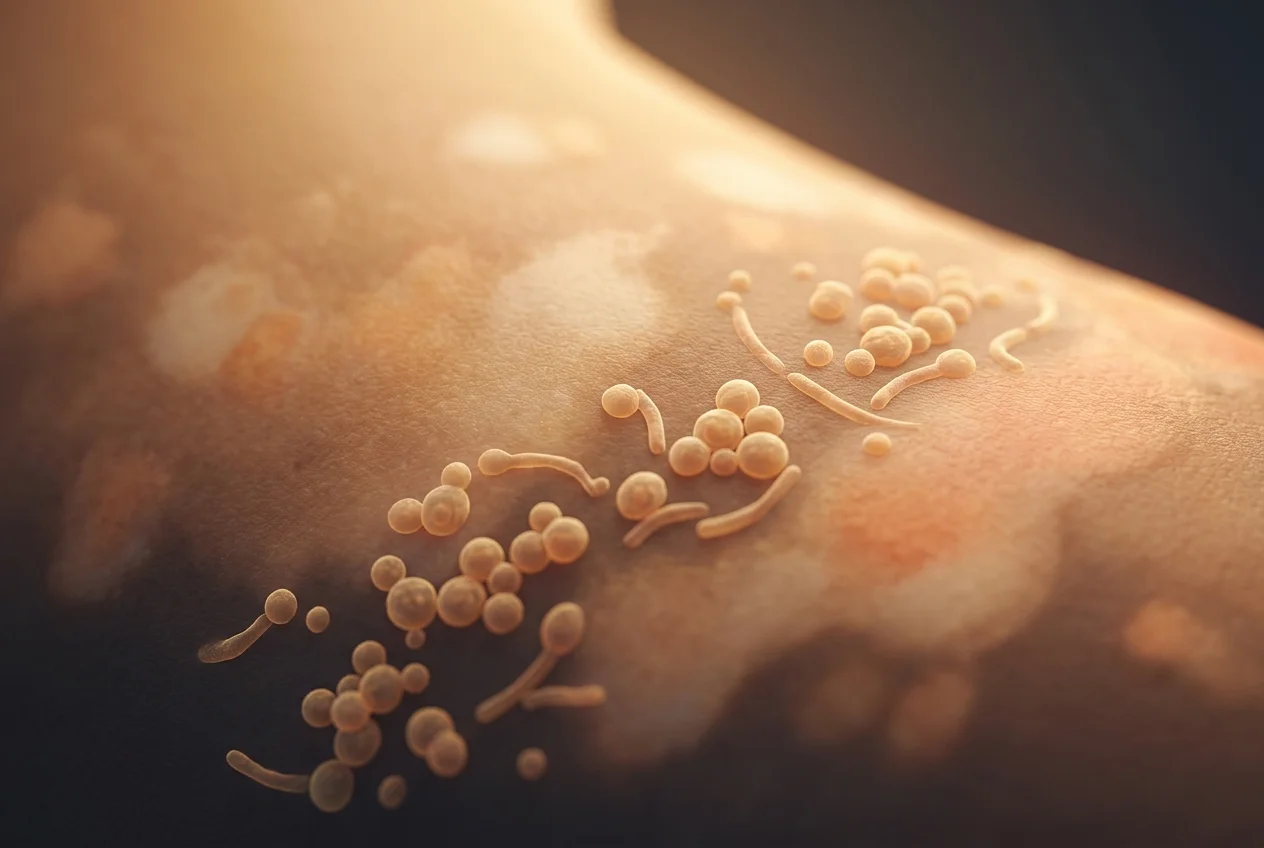
Everything about psoriasis: causes, symptoms, diagnosis and current treatments
Medical guide to psoriasis
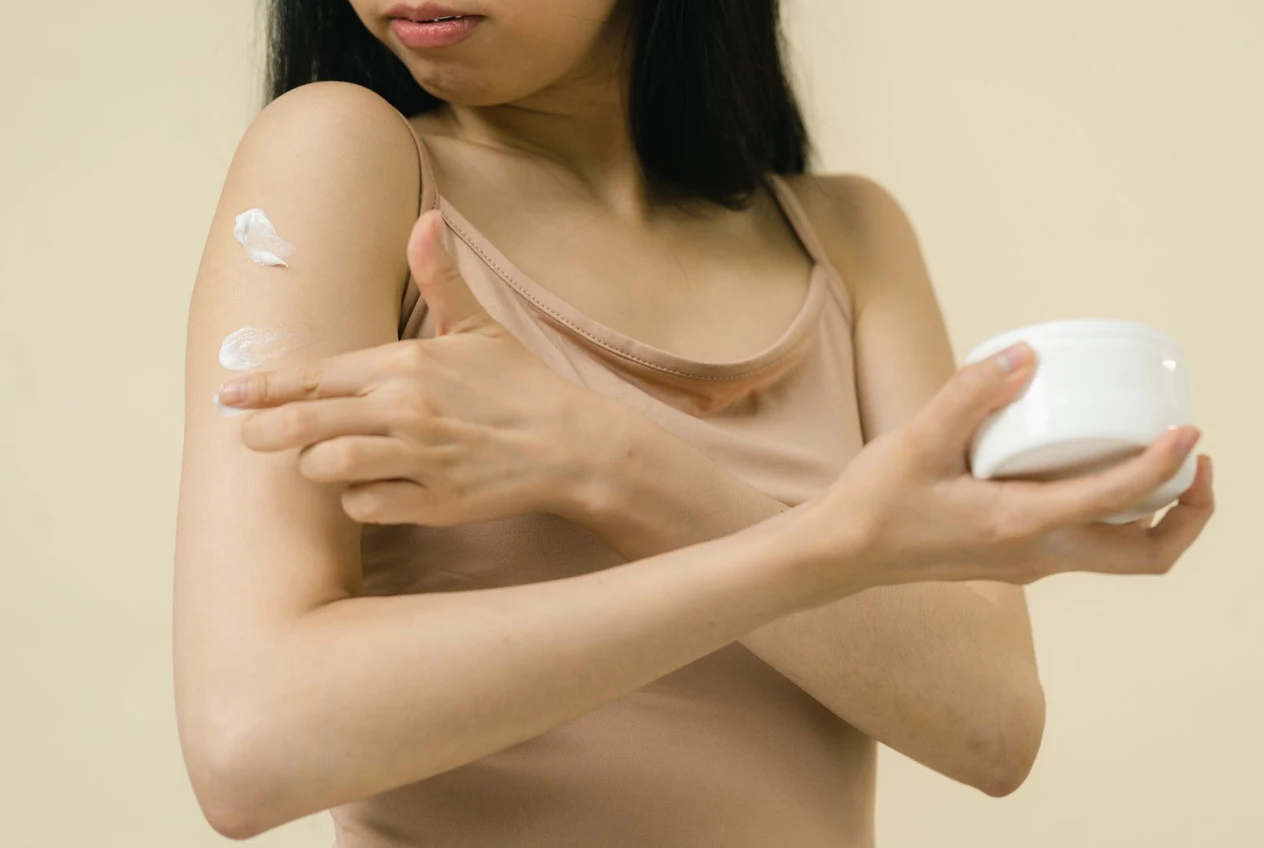
Psoriasis is a chronic inflammatory disease mediated by the immune system that can affect the skin, the nails and the joints. Thanks to current treatments, including biological drugs, most patients can effectively control the disease and enjoy an excellent quality of life.
Psoriasis is much more than a skin disease
For many years it was thought that psoriasis was simply a disease that produced red plaques with scaling.
Today we know that psoriasis is a chronic inflammatory disease mediated by the immune system, which can affect not only the skin, but also the nails, the joints and, in some patients, increase the risk of other associated diseases.
Although there is currently no definitive cure, medical advances have completely changed the treatment of psoriasis and allow many people to reach practically lesion-free skin and enjoy an excellent quality of life.
What is psoriasis?
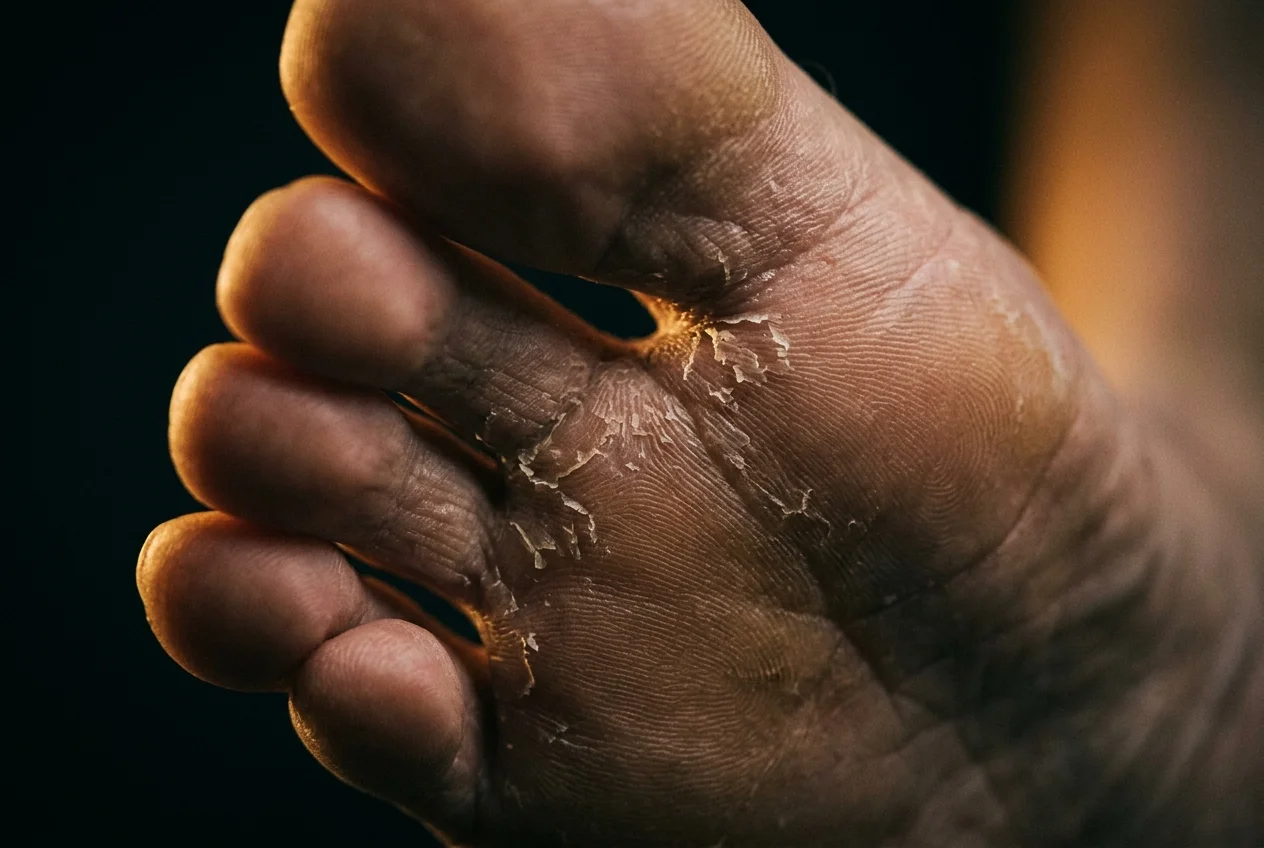
Psoriasis is a chronic inflammatory disease in which the immune system abnormally accelerates the renewal of skin cells.
While a normal skin cell takes approximately one month to renew, in psoriasis this process can be completed in a few days.
As a consequence there appear:
- Red plaques.
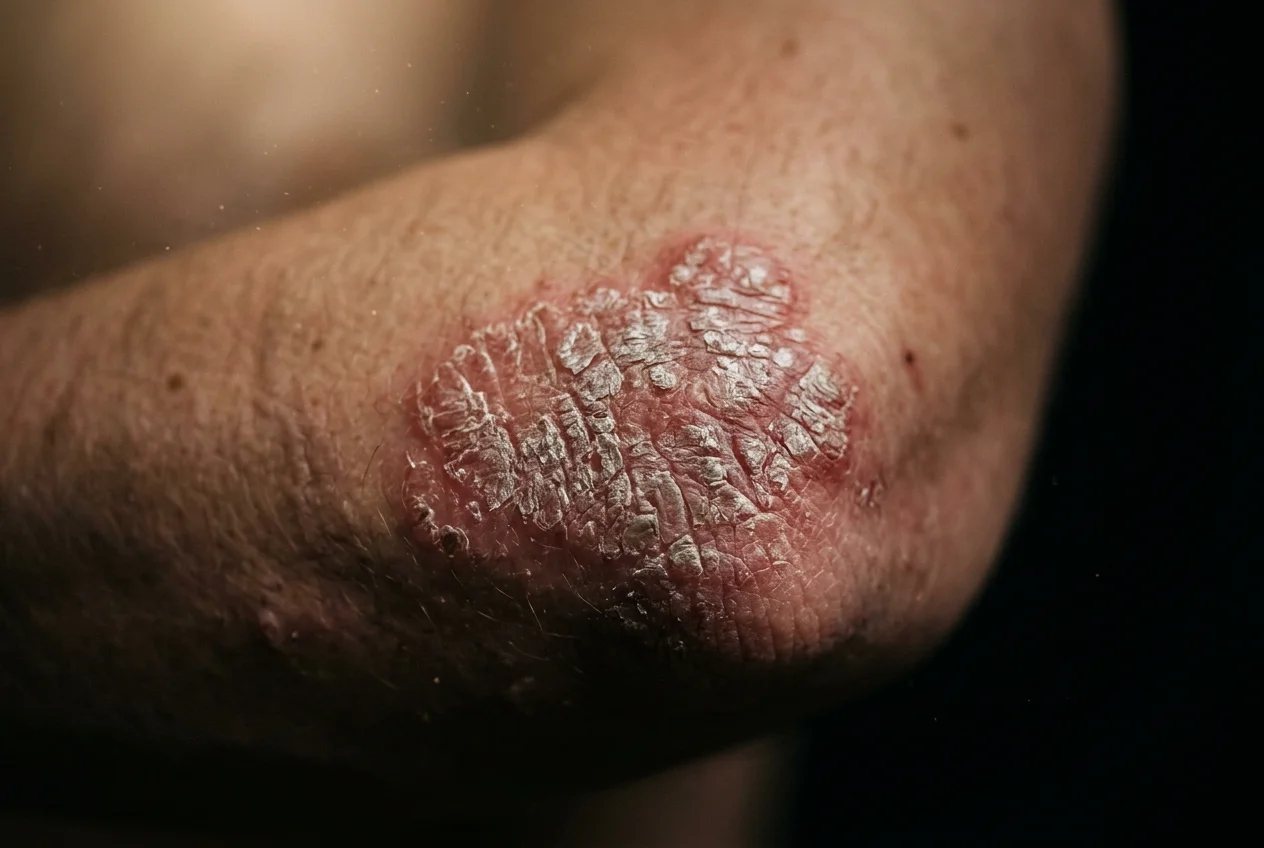
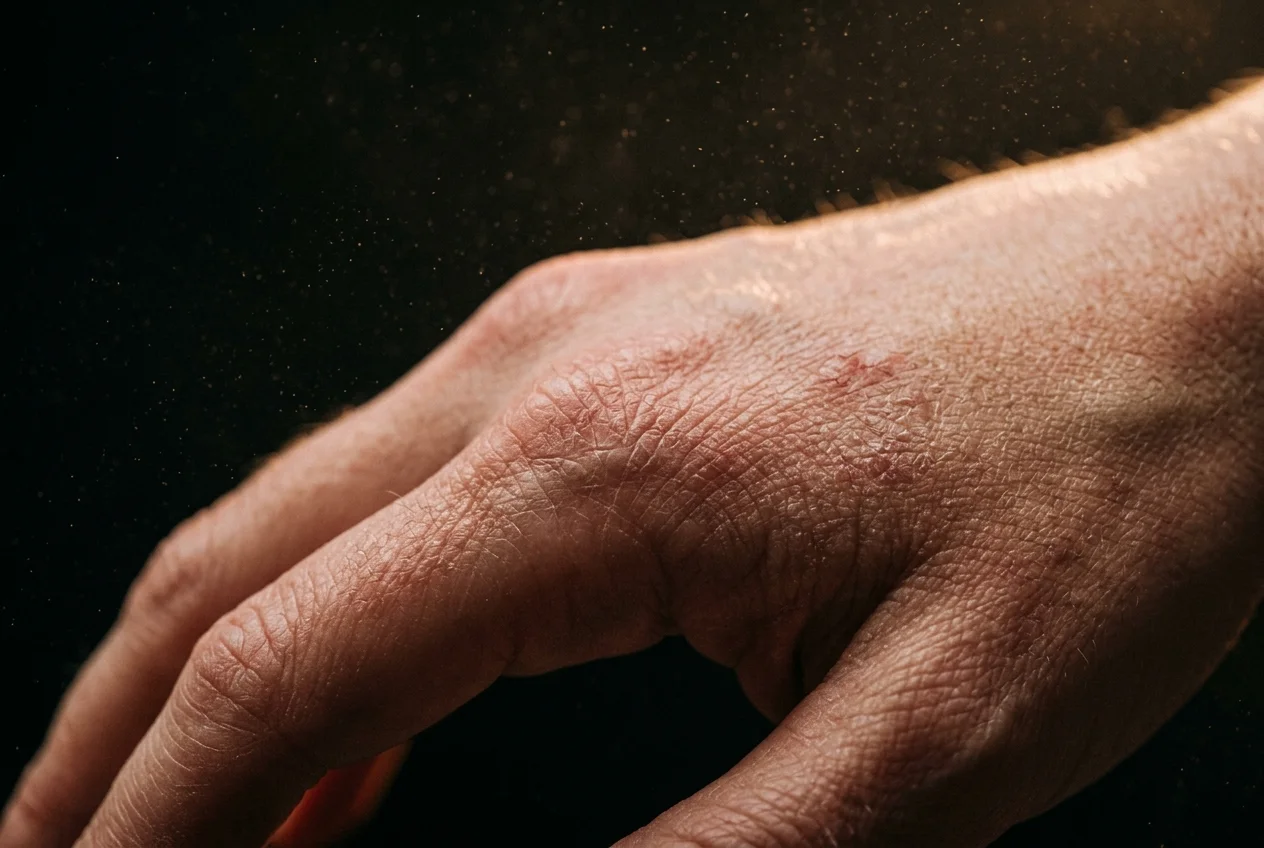
- Whitish or silvery scaling.
- Thickening of the skin.
- Itching of variable intensity.
- Inflammation.
It is not a contagious disease.
Who can it affect?
It can appear at any age.
There are two especially frequent peaks of onset:
- Between 20 and 35 years.
- Between 50 and 60 years.
It can affect both men and women.
Why does it appear?
Psoriasis is a multifactorial disease.
The following are involved in its development:
- A genetic predisposition.
- Alterations of the immune system.
- Environmental factors.
- Individual triggers.
There is no single responsible cause.
Is it hereditary?
There is a clear genetic predisposition.
Having relatives with psoriasis increases the risk, although many people with a family history never develop the disease.
Likewise, some patients present psoriasis without a known history.
Factors that can trigger flare-ups
Among the most frequent stand out:
- Emotional stress.
- Infections, especially streptococcal.
- Trauma to the skin (Koebner phenomenon).
- Some medications.
- High alcohol consumption.
- Tobacco.
- Obesity.
- Abrupt withdrawal of systemic corticosteroids.
Each patient presents different triggers.
How does it manifest?
The lesions usually appear as plaques:
- Well defined.
- Red.
- Covered by whitish scales.
The most usual locations are:
- Elbows.
- Knees.
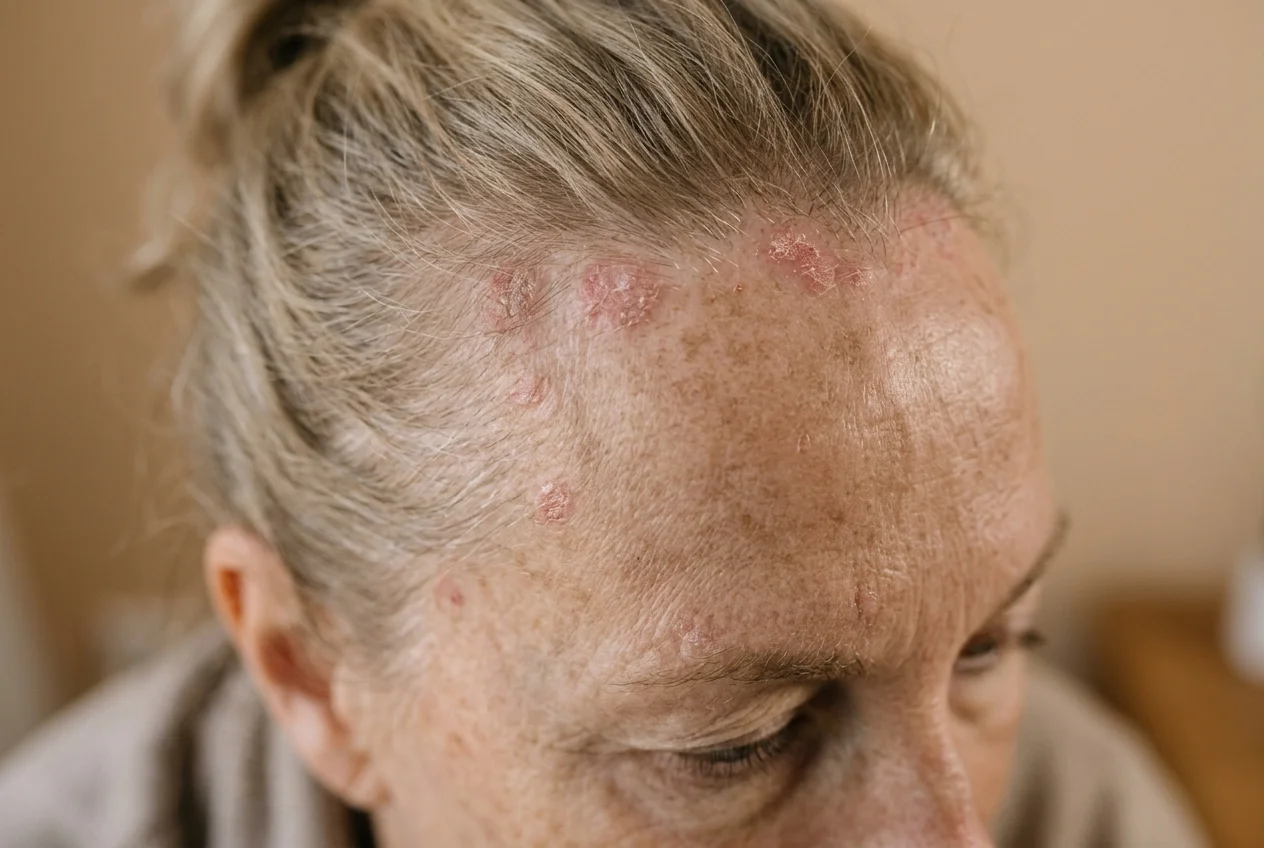
- Scalp.
- Lumbar region.
- Navel.
- Buttocks.
It can also affect practically any other area of the body.
Types of psoriasis
Plaque psoriasis. It is the most frequent form. It represents approximately 80-90% of cases.
Scalp psoriasis. It produces scaling, itching and inflammatory plaques. It does not cause permanent hair loss, although during flare-ups hair shedding may increase.
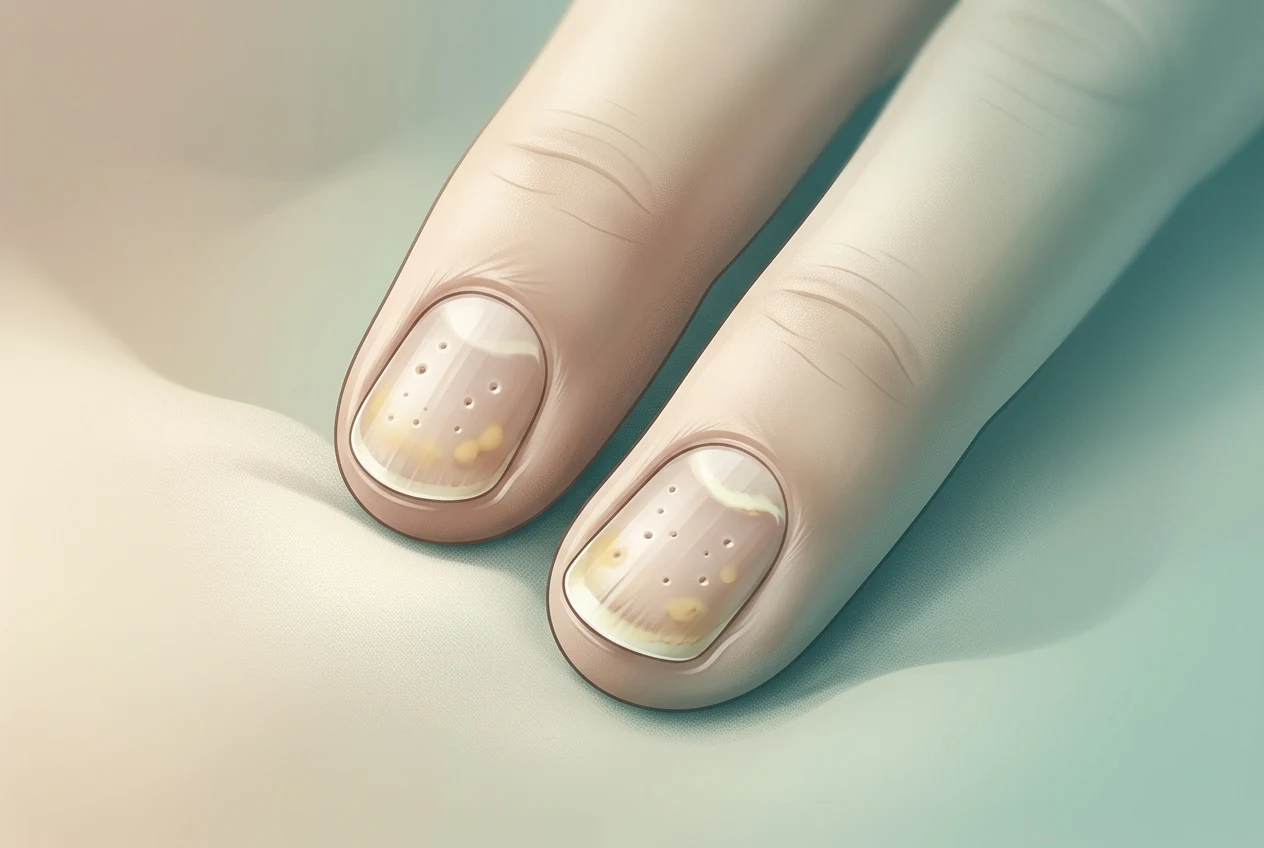
Nail psoriasis. It can affect the nails producing small depressions (pitting), thickening, separation of the nail and colour changes.
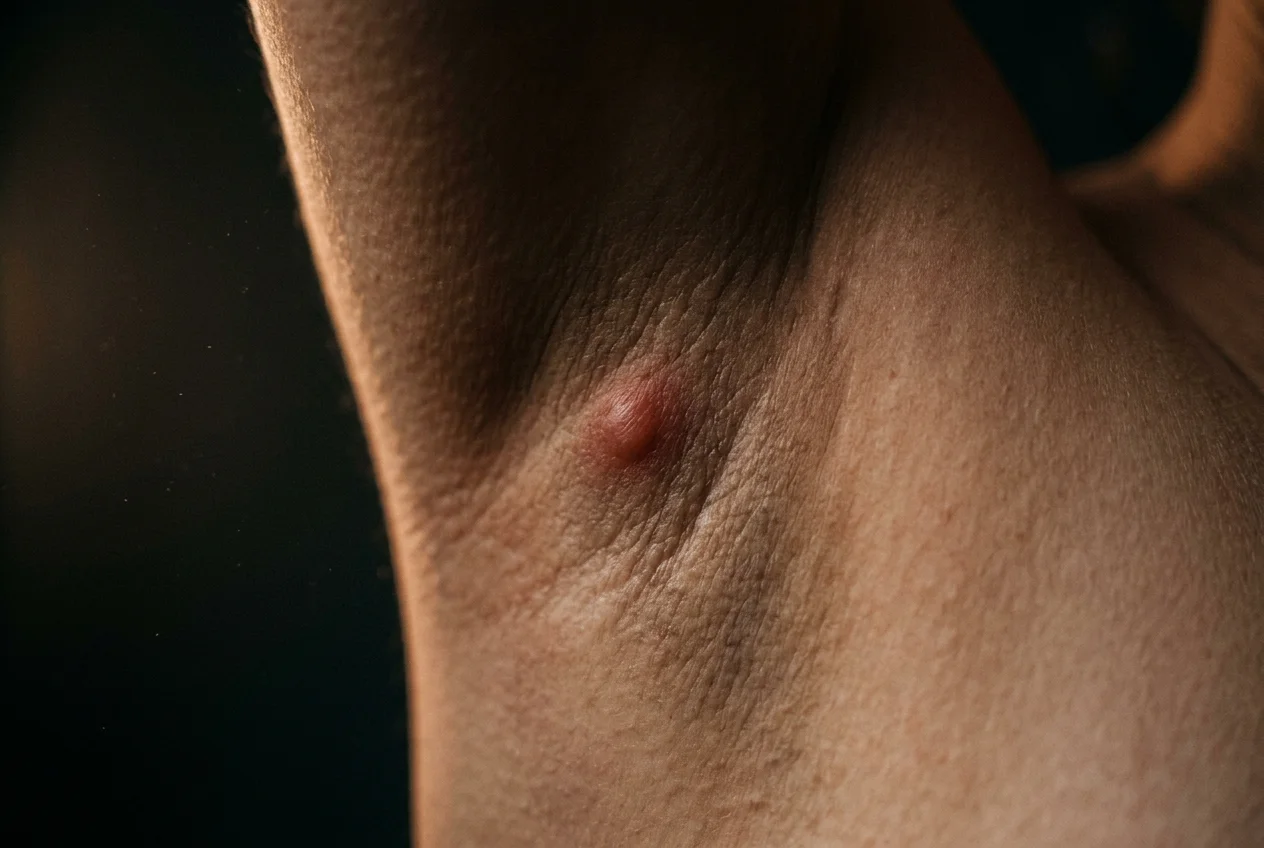
Inverse psoriasis. It appears in folds such as the armpits, groin and under the breasts. It shows less scaling due to moisture.
Guttate psoriasis. It is characterised by multiple small drop-shaped lesions. It is frequent after streptococcal throat infections.
Pustular psoriasis. It is a less frequent form that requires a specialised medical assessment.
Erythrodermic psoriasis. It is a severe and rare form that may require urgent hospital care.
Does psoriasis only affect the skin?
No.
It is currently considered a systemic inflammatory disease.
Some patients may develop:
- Psoriatic arthritis.
- Metabolic syndrome.
- Obesity.
- Type 2 diabetes.
- Arterial hypertension.
- Dyslipidaemia.
- Increased cardiovascular risk.
Not all patients present these associations, but it is important to know them.
Psoriatic arthritis
Between 20 and 30% of people with psoriasis may develop joint inflammation.
One should consult if there appear:
- Persistent joint pain.
- Morning stiffness.
- Swollen fingers.
- Pain in tendons.
Early treatment prevents permanent joint damage.
How is it diagnosed?
The diagnosis is usually clinical.
The doctor carries out a detailed examination of the skin, the nails and the scalp.
Only in unusual situations may a biopsy be necessary.
Treatment
The treatment depends on:
- Extent.
- Location.
- Intensity.
- Quality of life.
- Associated diseases.
Each patient needs an individualised plan.
Topical treatments
In mild forms the following may be used:
- Topical corticosteroids.
- Vitamin D derivatives.
- Calcineurin inhibitors in certain areas.
- Keratolytics when there is a lot of scaling.
- Emollients.
Daily hydration is a fundamental part of the treatment.
Phototherapy
Ultraviolet radiation administered in a medical and controlled way can be very effective in certain patients.
It must be clearly distinguished from uncontrolled sun exposure.
Systemic treatments
When the disease is moderate or severe the following may be used:
- Methotrexate.
- Ciclosporin.
- Acitretin.
- Apremilast.
The choice depends on the characteristics of each patient.
Biological therapies
One of the greatest advances of recent decades has been the development of biological drugs.
They act by blocking in a very specific way certain molecules responsible for inflammation, such as:
- TNF-α.
- IL-17.
- IL-23.
In many patients they make it possible to reach practically lesion-free skin and also to control psoriatic arthritis.
They must always be prescribed and monitored by specialists.
Does diet have an influence?
There is no diet capable of curing psoriasis.
However, maintaining a healthy weight and following a balanced eating pattern can contribute to reducing inflammation and improving the response to treatment.
Stress and psoriasis
Stress can favour the appearance of flare-ups.
In turn, psoriasis itself can generate anxiety, creating a vicious circle.
Therefore, the treatment must also take into account emotional wellbeing.
Pregnancy and psoriasis
Many women improve during pregnancy, although others experience no change or even worsen.
It is essential to plan the treatment if there is a desire for pregnancy, since some medications are contraindicated during pregnancy.
Does psoriasis have a cure?
There is currently no definitive cure.
However, today we have very effective treatments capable of controlling the disease for long periods and improving quality of life extraordinarily.
Frequent mistakes
- Stopping the treatment on improvement.
- Using remedies without scientific evidence.
- Thinking that it is a contagious disease.
- Self-medicating with corticosteroids without follow-up.
- Not consulting when joint symptoms appear.
Myths and facts
- Myth: Psoriasis is contagious. Fact: No. It cannot be transmitted by contact.
- Myth: It is only an aesthetic problem. Fact: It is a systemic inflammatory disease that can also affect the joints and be associated with other diseases.
- Myth: Stress is the only cause. Fact: It can trigger flare-ups, but it is not the cause of the disease.
- Myth: Sunbathing always cures psoriasis. Fact: Moderate sun exposure can benefit some patients, but excess increases the risk of skin cancer and does not replace medical treatment.
- Myth: There are no effective treatments. Fact: We currently have very advanced therapies capable of controlling the disease in most patients.
The essential points to remember
- Psoriasis is a chronic inflammatory disease mediated by the immune system.
- It is not contagious nor caused by a lack of hygiene.
- It can affect the skin, the nails and the joints.
- There are multiple treatments, from topical therapies to highly effective biological drugs.
- Early diagnosis and a personalised treatment make it possible to control the disease and prevent complications.
- Psoriasis does not define the person: with appropriate management, it is possible to maintain an excellent quality of life.
Frequently asked questions
Is psoriasis contagious?
No.
Can it disappear on its own?
Some flare-ups remit spontaneously, but the disease is usually chronic.
Is it hereditary?
There is a genetic predisposition, although not everyone with a family history develops it.
Can it affect the nails?
Yes. It is a frequent manifestation.
Does psoriasis cause arthritis?
It can be associated with psoriatic arthritis in a significant percentage of patients.
Are biological treatments safe?
Used under medical monitoring, they present a very favourable safety profile and have transformed the management of the disease.
Can diet cure it?
No, although a healthy lifestyle can help control inflammation.
Should I moisturise my skin every day?
Yes. Hydration is an essential part of the treatment.
Can I do sport?
Yes. Regular physical activity is beneficial for general health and can contribute to the control of associated diseases.
Can one lead a normal life?
Yes. With appropriate treatment, the vast majority of patients can lead a fully active life.
Need personalised guidance?
This guide is for information only and does not replace a medical consultation. For an assessment tailored to your case, you may request a consultation.
Request a consultationTopics