Zinc and skin health
Functions, deficit and supplements
Zinc is an essential mineral for the health of the skin, hair and nails. Its supplementation is only indicated when there is a deficit or a specific clinical need, since the excess can also be harmful.
What role does zinc play in the skin?
Zinc is an essential mineral that participates in hundreds of biological processes of the organism.
It is fundamental for:
- Cellular renewal.
- Wound healing.
- The functioning of the immune system.
- Protein synthesis.
- Protection against oxidative stress.
The skin contains a high concentration of zinc, so an adequate supply is important to maintain its structure and functioning.
However, taking zinc supplements does not automatically improve skin health and is only indicated in specific situations.
What functions does zinc have?
Zinc participates in numerous processes related to the skin:
- Renewal of the epidermis.
- Repair of wounds.
- Production of collagen.
- Immune response.
- Antioxidant protection.
- Hair growth.
- Strengthening of the nails.
Its deficit can affect all these mechanisms.
What happens when there is a zinc deficit?
Although it is not frequent in healthy people with a balanced diet, an important deficit can produce:
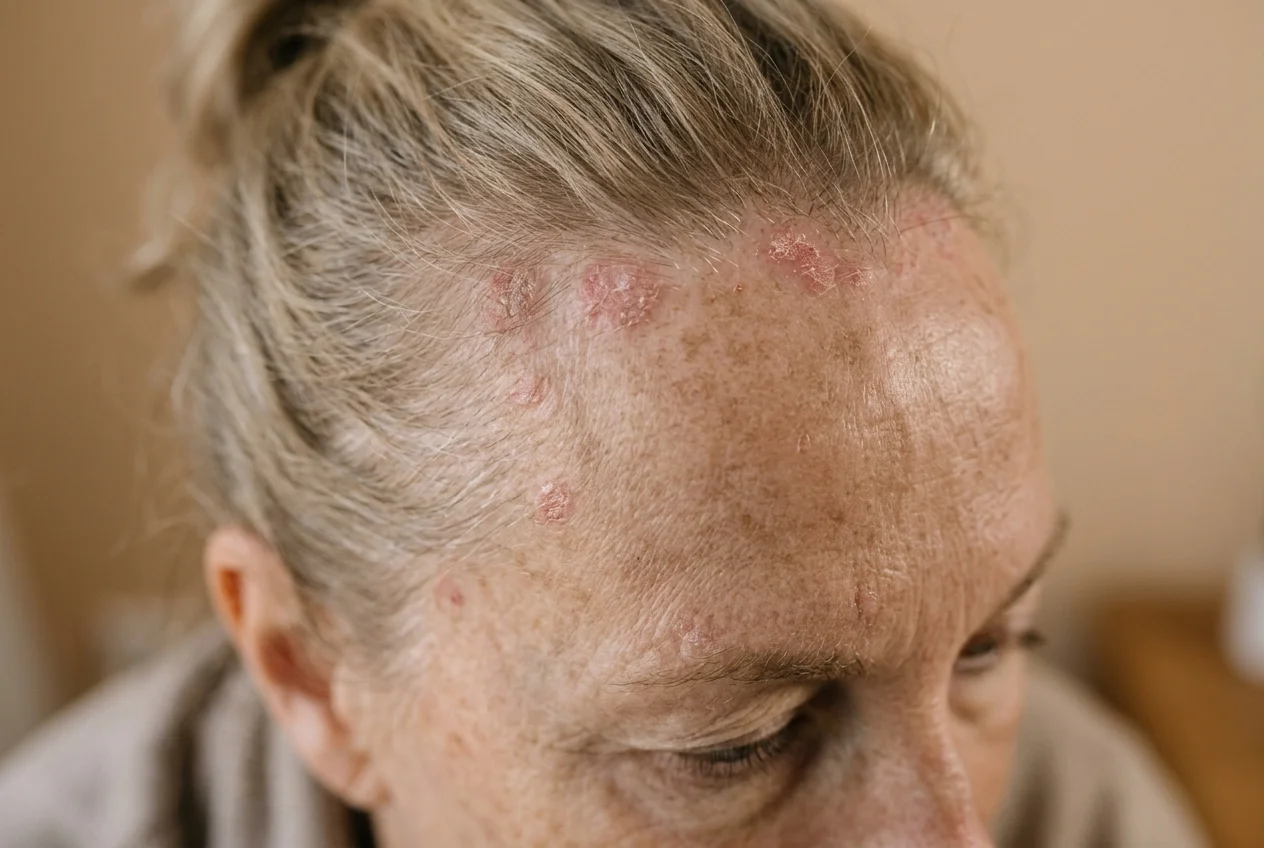
- Dermatitis.
- Delay in wound healing.
- Greater susceptibility to infections.
- Hair loss.
- Fragile nails.
- Alterations of taste.
- Decrease of appetite.
In the most severe cases, characteristic skin lesions can appear.
Who has the greatest risk of presenting a deficit?
The risk increases in:
- People with intestinal diseases.
- Patients with malabsorption syndromes.
- People with chronic alcoholism.
- Very restrictive diets.
- Vegetarians or vegans with a poorly planned diet.
- Older people.
- Patients with certain chronic diseases.
Can it influence acne?
Zinc has been studied in patients with acne due to its anti-inflammatory properties.
Some studies show a possible benefit as a complementary treatment in certain cases.
However, it does not replace the habitual medical skin treatments nor should it be taken without a medical indication.
Does it influence hair loss?
Yes. A zinc deficit can favour certain types of hair loss.
Nevertheless, most alopecias are not caused by a zinc deficiency.
Therefore, before starting supplements it is important to identify the real cause of the problem.
Is it important for wound healing?
Yes. Zinc participates in the repair of tissues and in the formation of new cells.
When there is a deficiency, wound healing can be delayed.
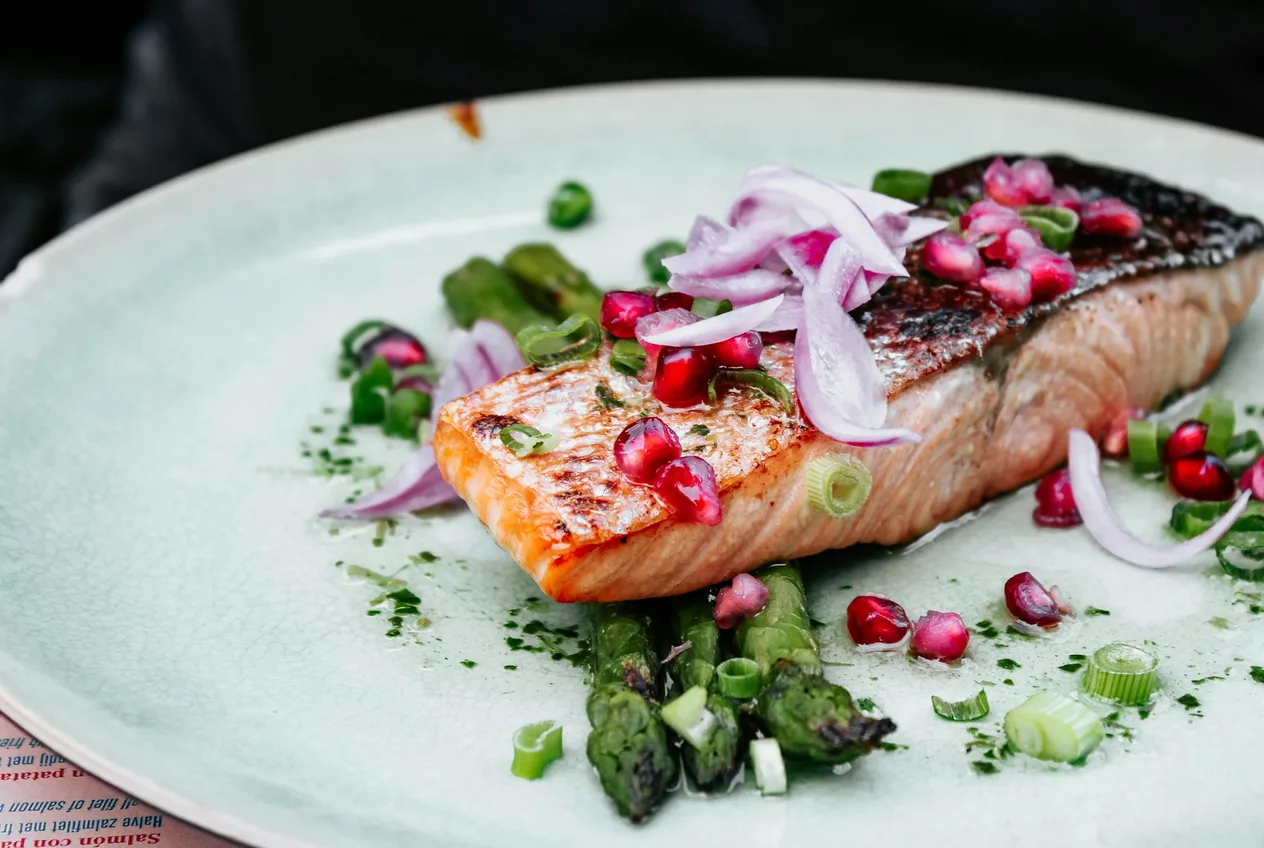
Which foods are rich in zinc?
The main dietary sources are:
- Shellfish, especially oysters.
- Beef.
- Poultry.
- Fish.
- Eggs.
- Legumes.
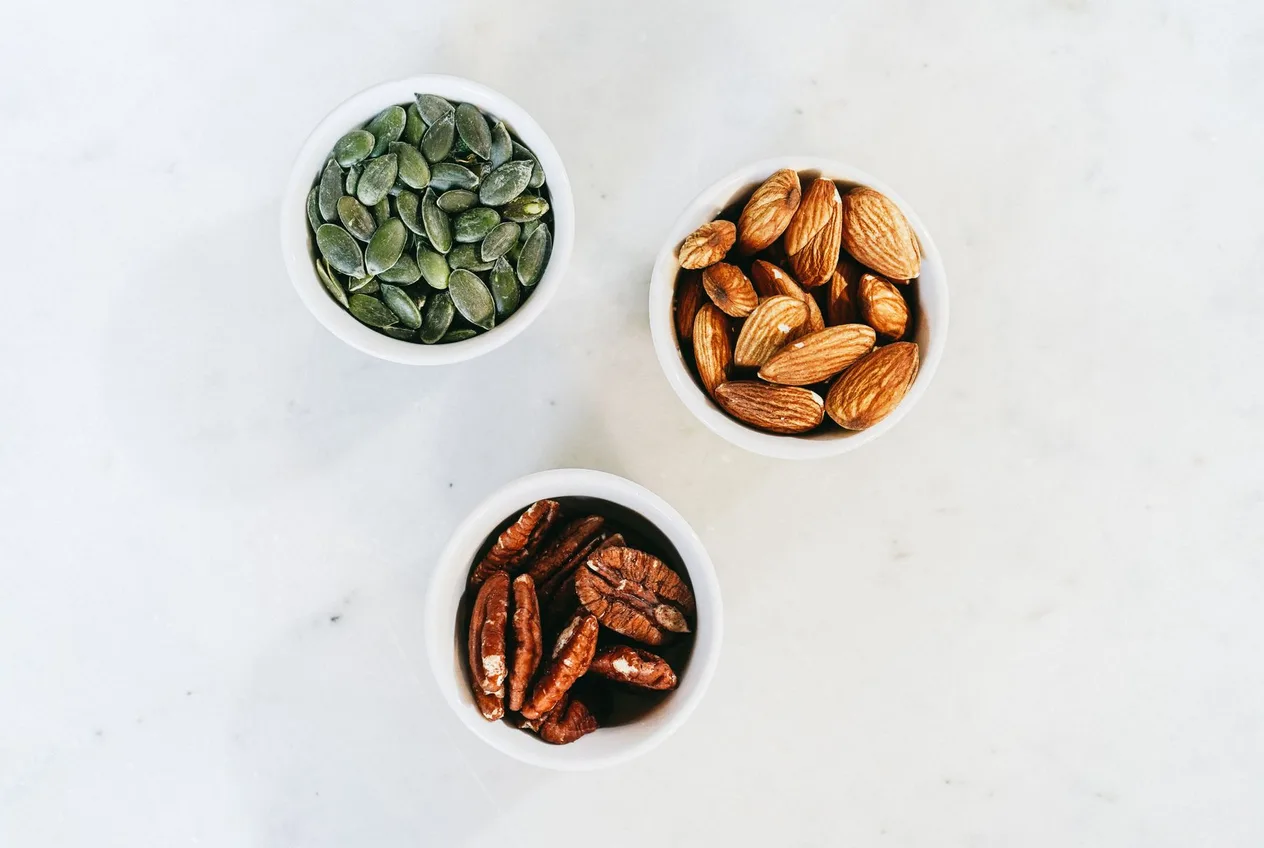
- Nuts.
- Seeds.
- Whole grains.
A varied diet usually provides sufficient quantities.
Should I take zinc supplements?
Not necessarily. Supplements are only indicated when there is:
- A confirmed deficit.
- A greater risk of deficiency.
- A specific clinical situation in which the doctor considers it appropriate.
Taking zinc without need does not improve skin health.
Can it be harmful to take too much zinc?
Yes. The excess of zinc during prolonged periods can provoke:
- Nausea.
- Abdominal pain.
- Digestive alterations.
- Copper deficit.
- Alterations of the immune system.
For this reason, prolonged supplementation is not recommended without medical supervision.
How is a deficit diagnosed?
The diagnosis is based on:
- Clinical history.
- Physical examination.
- Nutritional assessment.
- Analysis when it is indicated.
The results must always be interpreted together with the clinical situation of the patient.
Does zinc replace medical skin treatment?
No.
In diseases such as acne, dermatitis or alopecia, zinc can be part of the treatment in specific situations, but it never replaces the specific treatments indicated by the doctor specialised in skin health.
Myths and facts
- Myth: Zinc cures acne. Fact: It can be a useful complement in some patients, but it does not replace medical treatment.
- Myth: Taking zinc makes hair grow. Fact: It can only help when there is a deficit related to hair loss.
- Myth: The more zinc I take, the better it will be for my skin. Fact: The excess of zinc can also be harmful.
- Myth: Everyone needs zinc supplements. Fact: Most people obtain enough zinc through a balanced diet.
- Myth: Zinc always accelerates wound healing. Fact: Its benefit is greater when there is a deficiency or a specific need.
The essential points to remember
- Zinc is an essential mineral for the skin, hair, nails and wound healing.
- A deficit can affect skin health, although it is not frequent in people with a balanced diet.
- Supplements should only be used when there is a medical indication.
- The excess of zinc can also be harmful.
- A varied diet usually provides the necessary quantities.
- Zinc can be part of the treatment of some skin diseases, but it never replaces the specific treatment.
Frequently asked questions
Should I have a test before taking zinc?
Yes, especially if a deficit is suspected or there is a disease that can favour it.
Does zinc improve acne?
It can help in some patients as a complement to the treatment, but it does not act the same in all cases.
Can it improve hair loss?
Only when the loss is related to a zinc deficiency.
Which foods contain the most zinc?
Oysters, meats, fish, legumes, nuts and seeds.
Do vegetarians have a greater risk of deficit?
There can be a greater risk if the diet is not well planned.
Can I take zinc for months?
Only if it is indicated and under medical follow-up.
Does zinc improve nails?
When there is a deficit, correcting it can favour better nail health.
Can it produce side effects?
Yes. The excess of zinc can cause digestive problems and other alterations.
Does diet usually provide enough zinc?
Yes. In most people with a balanced diet.
Who should indicate supplementation?
A health professional after assessing the clinical situation and, when necessary, the corresponding tests.
Need personalised guidance?
This guide is for information only and does not replace a medical consultation. For an assessment tailored to your case, you may request a consultation.
Request a consultation