Clínica médica en Marbella especializada en medicina basada en la evidencia: salud de la piel, medicina estética, medicina interna y medicina de la longevidad. Atención multilingüe en español, inglés, francés y ruso.
Avenida General López Domínguez, 2, 29603 Marbella (Málaga), España · +34 951 259 055 · hola@clinicavalorian.es
You need to enable JavaScript to use the full interactive site.
How diet influences skin and hair health.
Antioxidants help to protect the cells against oxidative stress, but they do not stop ageing or replace photoprotection. The best strategy is to obtain them through a varied and balanced diet, reserving supplements for specific situations.
Biotin is an essential vitamin, but its deficit is uncommon. Scientific evidence does not demonstrate that it improves the hair or the skin in healthy people, and its use can interfere with some laboratory analyses.
Diet can influence acne in some people, especially when there is a high consumption of high glycaemic index foods or certain dairy products. A balanced diet complements, but does not replace, medical skin treatment.
Diet is usually not the cause of atopic dermatitis. Only some patients present food allergies that require modifications of the diet. A balanced diet and the adequate medical skin treatment constitute the best strategy to control the disease.
Diet does not cure psoriasis, but a Mediterranean diet, weight control and the reduction of alcohol and ultra-processed foods can help to decrease inflammation and improve the evolution of the disease as part of an integral treatment.
Diet can influence rosacea in some people. Identifying individual triggers such as alcohol, spiciness or very hot drinks and following a balanced diet can help to control the flares together with medical treatment.
The gut microbiota influences the immune system and participates in the communication between the gut and the skin. A balanced diet and a healthy lifestyle favour a diverse microbiota, although skin diseases are multifactorial and require an individualised medical approach.
Iron deficiency can favour diffuse hair loss, especially in the form of telogen effluvium. Supplementation is only indicated when there is a deficiency confirmed by a medical assessment and blood tests.
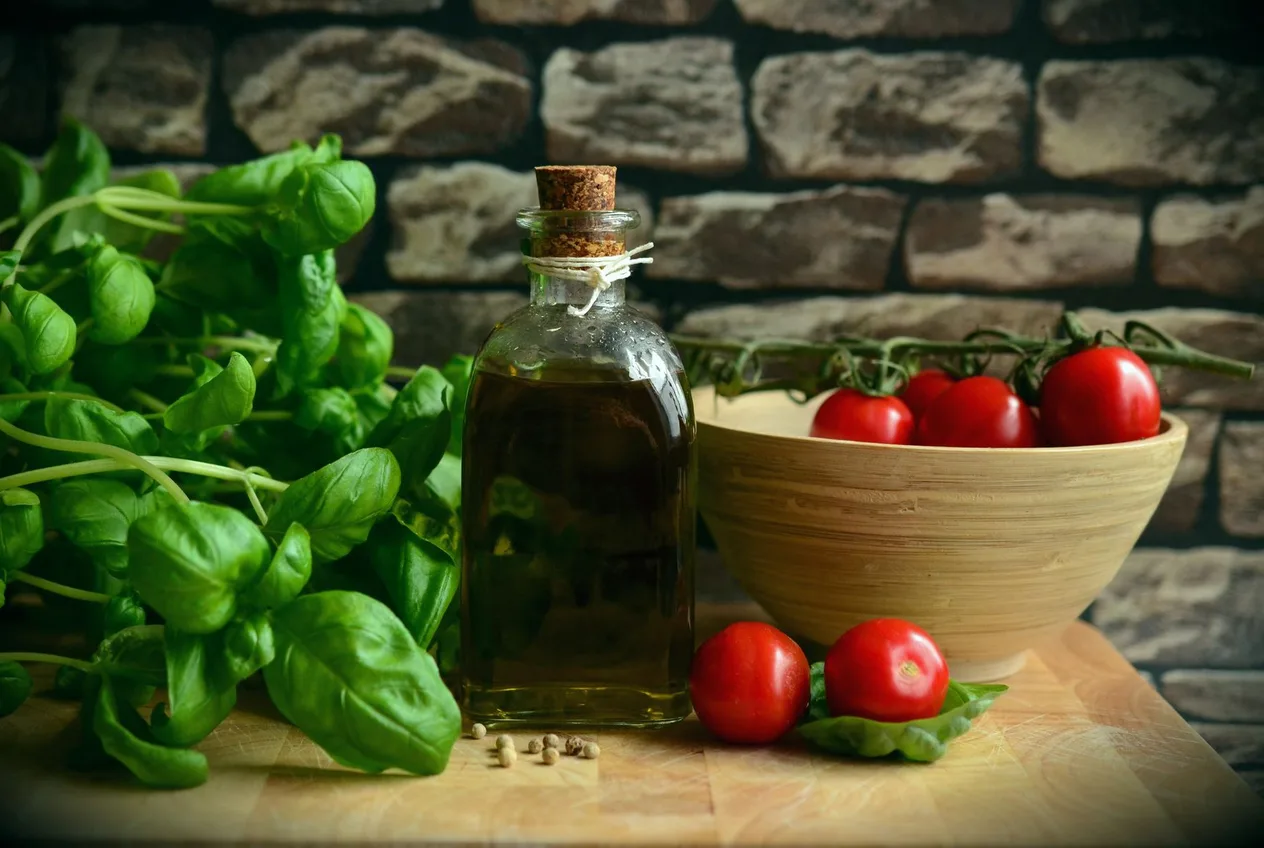
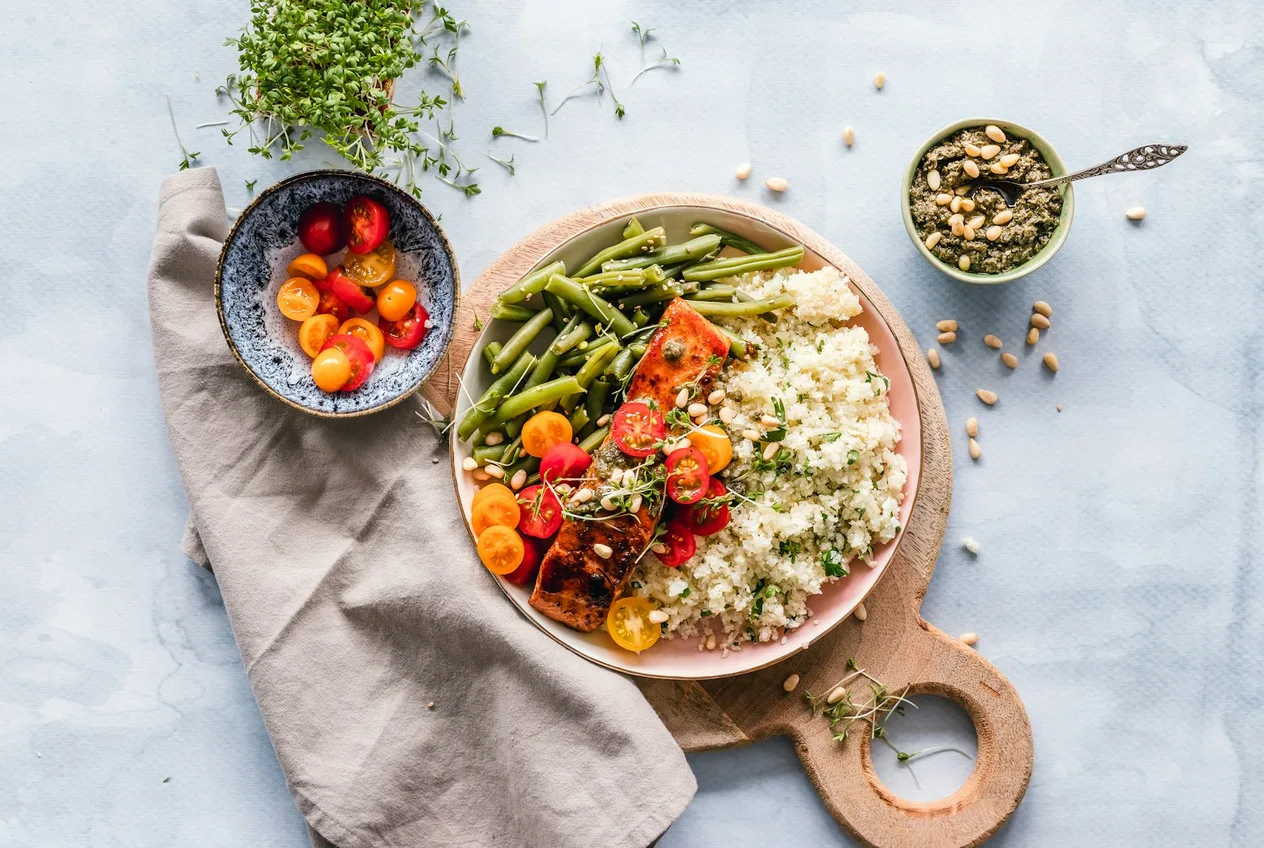
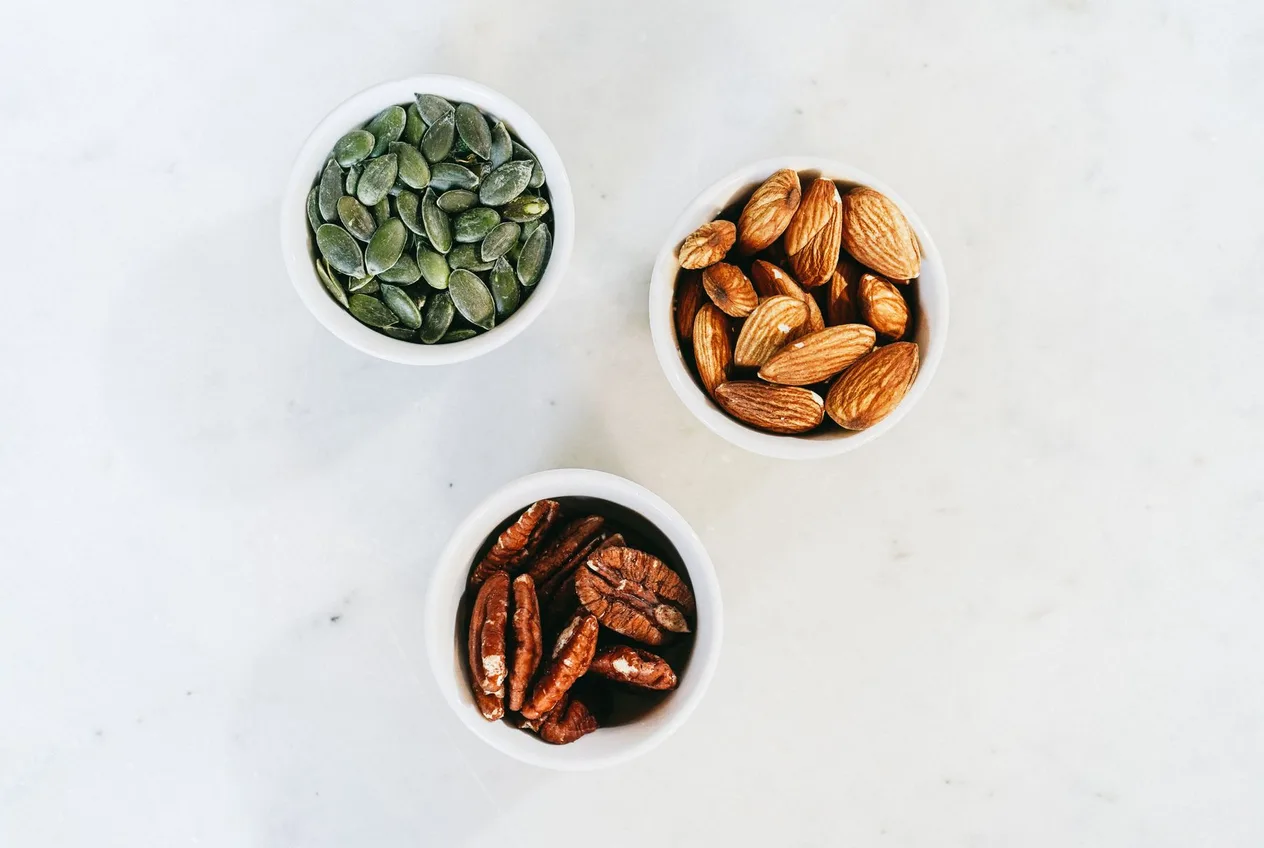
The Mediterranean diet provides antioxidants, healthy fats, fibre and essential nutrients that contribute to maintaining healthy skin. Although it does not replace medical skin treatments, it is part of a lifestyle beneficial for skin and general health.
Obesity favours a state of inflammation that can affect the skin and increase the risk of diseases such as psoriasis, hidradenitis suppurativa, acanthosis nigricans and skin infections. Maintaining a healthy weight benefits both the skin and general health.
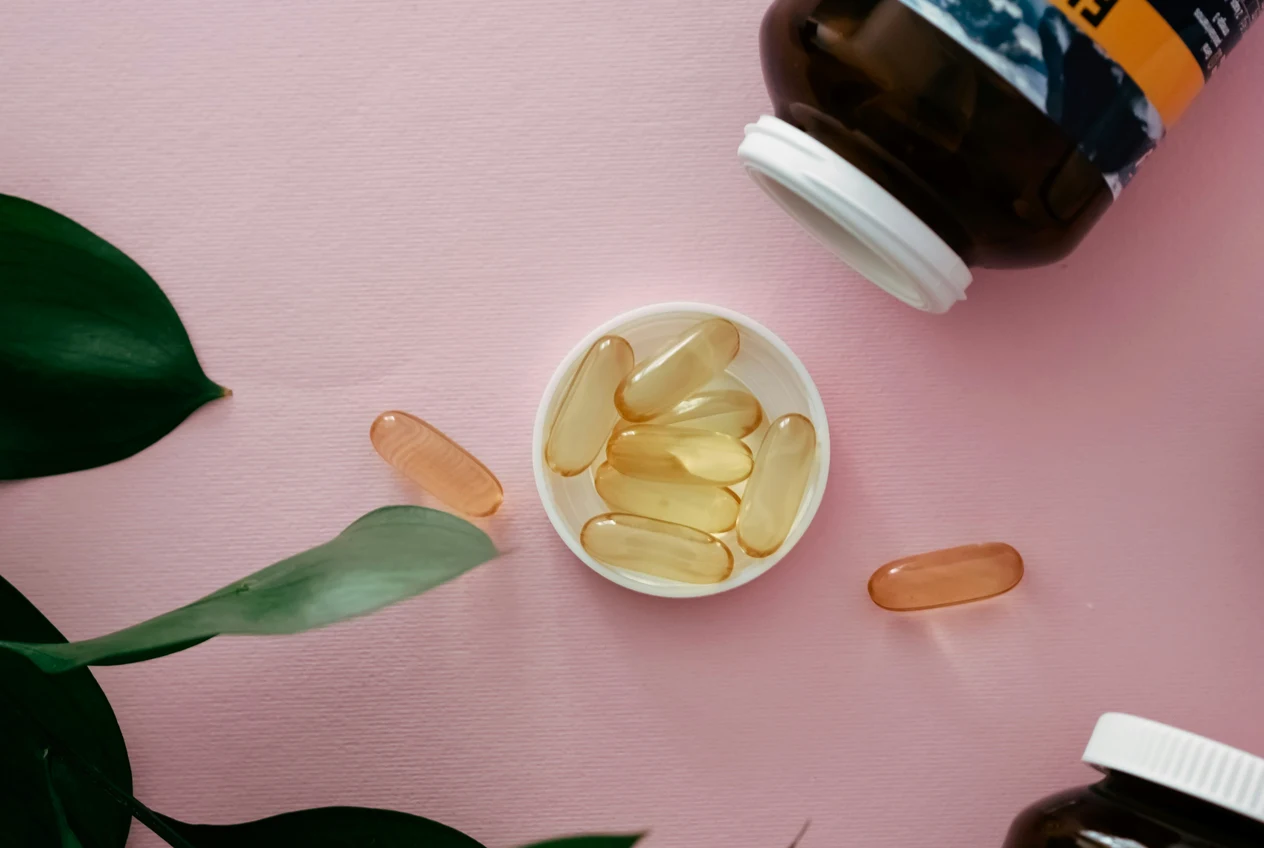
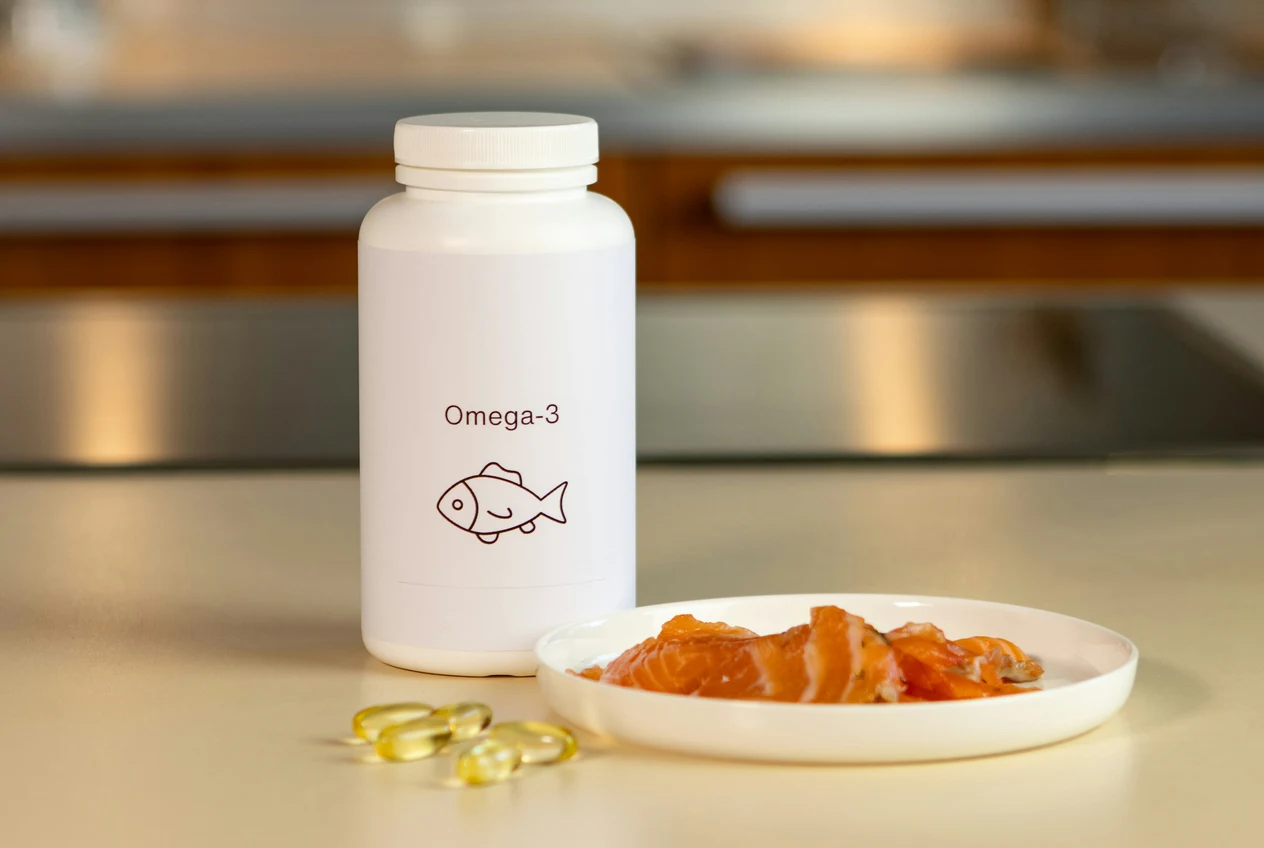
Omega-3 are essential fatty acids that contribute to the normal functioning of the skin and the immune system. Although they can be part of a healthy lifestyle, current scientific evidence does not justify their systematic use as a treatment for skin diseases.
Oral collagen is digested before being absorbed and the available scientific evidence shows modest and variable benefits. The most supported strategy consists of stimulating the natural production of collagen through healthy habits and specific medical treatments.
Probiotics can help to modulate the gut microbiota and the immune system. Some strains show benefits as a complement in certain skin diseases, although there is no universal probiotic and scientific evidence continues to evolve.
Vitamin D intervenes in the function of the skin and the immune system. Its supplementation is only indicated when there is a confirmed deficit or a specific clinical situation, and never replaces medical skin treatments or photoprotection.
Zinc is an essential mineral for the health of the skin, hair and nails. Its supplementation is only indicated when there is a deficit or a specific clinical need, since the excess can also be harmful.
We use cookies to improve your experience and for analytics.