Probiotics and skin health
Strains, evidence and the gut-skin axis

Probiotics can help to modulate the gut microbiota and the immune system. Some strains show benefits as a complement in certain skin diseases, although there is no universal probiotic and scientific evidence continues to evolve.
What are probiotics?
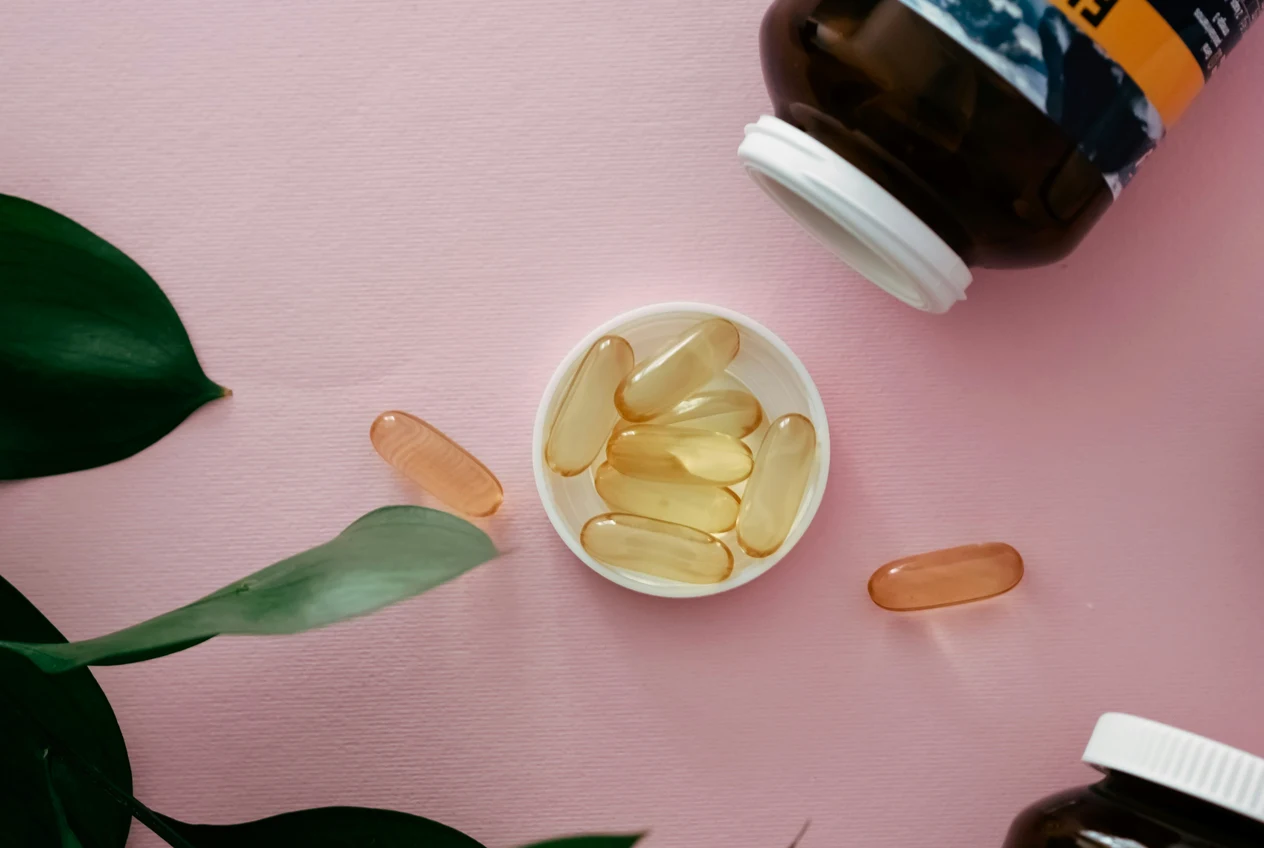
Probiotics are living microorganisms that, when administered in adequate quantities, can provide health benefits.
The most used belong to the genera:
- Lactobacillus.
- Bifidobacterium.
- Saccharomyces.
Not all probiotics are the same. Each strain has specific properties and its effects cannot be extrapolated from one to another.
How do probiotics act?
Probiotics can contribute to:
- Maintaining the balance of the gut microbiota.
- Reinforcing the intestinal barrier.
- Modulating the immune system.
- Reducing certain inflammatory processes.
- Competing with potentially harmful microorganisms.
These effects explain the growing interest in their possible usefulness in skin health care.
What relation do they have with the skin?
The gut and the skin are connected through what is called the gut-skin axis.
Through this communication, certain changes in the microbiota can influence inflammation, the immune response and the functioning of the skin.
Therefore, some probiotics are being investigated as a complementary treatment in various skin diseases.
In which diseases have they been studied?
Research has focused mainly on:
- Atopic dermatitis.
- Acne.
- Rosacea.
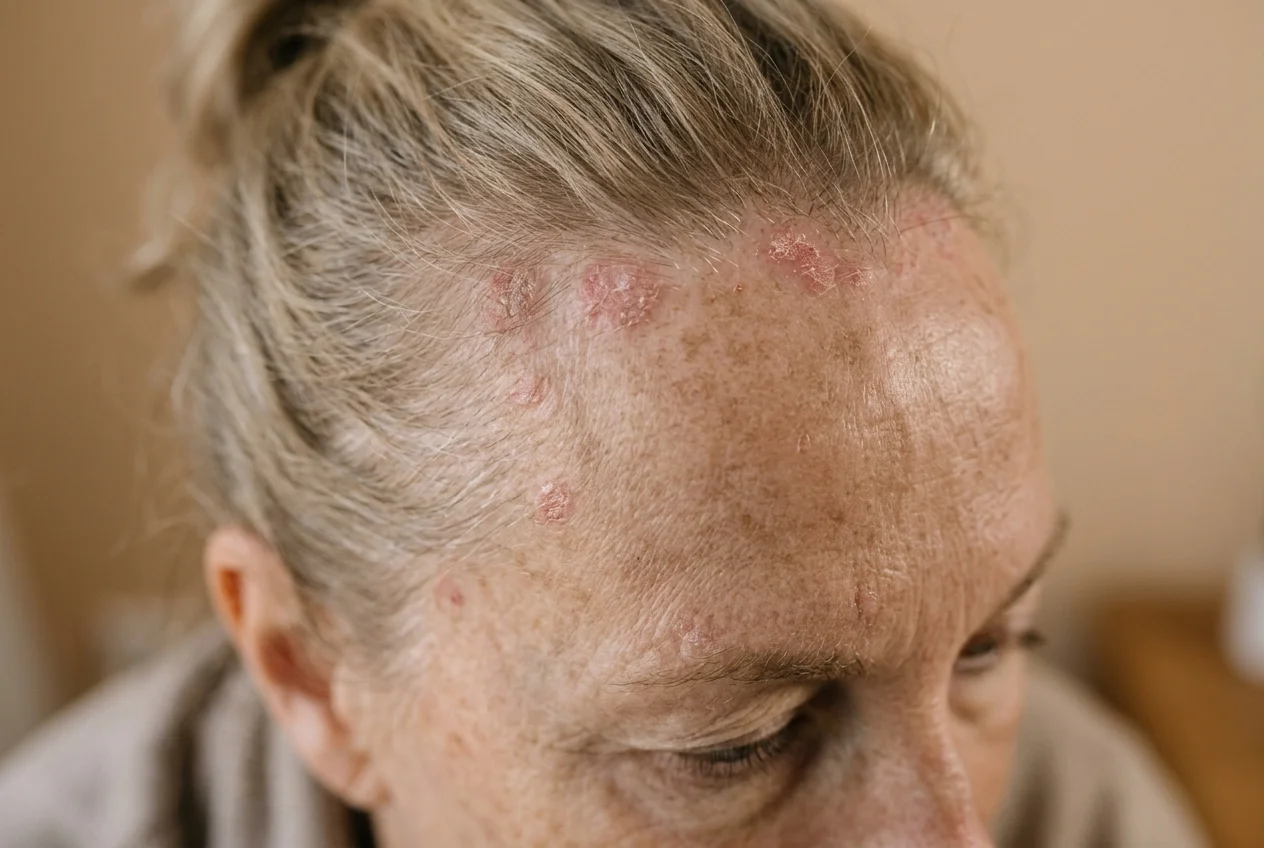
- Psoriasis.
- Chronic urticaria.
The results are variable and depend on the disease, on the strain used and on the characteristics of each patient.
Do they really work?
The answer is yes, but not always.
Some strains have shown promising results in clinical studies, especially as a complementary treatment.
However, scientific evidence does not yet allow a universal probiotic to be recommended to improve the skin or to treat all skin diseases.
Currently, recommendations must be individualised.
Are all probiotics the same?
No.
This is one of the most frequent errors.
The effects observed in a study correspond only to the strain investigated.
It cannot be assumed that any probiotic produces the same results.
Is it better to take fermented foods?
Fermented foods, such as:
- Yogurt.
- Kefir.
- Sauerkraut.
- Kimchi.
Can be part of a healthy diet.
Nevertheless, their content of microorganisms is very variable and should not be confused with a probiotic specifically studied for a medical indication.
Who can benefit?
In some selected patients, the doctor may consider the use of certain strains as a complement to the usual treatment.
Nevertheless, most people obtain greater benefits by taking care of their diet and their lifestyle.
Do they have side effects?
In healthy people they are usually well tolerated.
The most frequent side effects are mild and transient:
- Abdominal bloating.
- Gas.
- Changes in bowel rhythm.
In patients with severe immunodepression or certain diseases, their use must be assessed carefully.
Do they replace medical skin treatment?
No.
Probiotics can be part of an integral approach, but they do not replace the treatments indicated by the doctor specialised in skin health.
What does current scientific evidence say?
The main scientific societies agree that:
- Some strains show promising results.
- Higher-quality studies are needed.
- There is no general recommendation for all patients.
- The choice must be based on the evidence available for each disease.
Myths and facts
- Myth: All probiotics work for everything. Fact: Each strain has different properties and not all have demonstrated efficacy.
- Myth: Probiotics cure acne. Fact: Some strains can be useful as a complement, but they do not replace medical treatment.
- Myth: If a probiotic works for one person, it will work for everyone. Fact: The response varies according to the microbiota and the characteristics of each individual.
- Myth: Fermented foods are equivalent to a probiotic treatment. Fact: They are healthy foods, but they do not replace a clinically studied probiotic.
- Myth: The more probiotics I take, the better. Fact: There is no evidence that a greater quantity produces better results.
The essential points to remember
- Probiotics are living microorganisms with possible health benefits.
- Not all probiotics are the same or have the same indications.
- Some strains can be useful as a complement in certain skin diseases.
- Scientific evidence continues to evolve and does not allow a universal probiotic to be recommended.
- Diet and lifestyle remain fundamental to maintain a healthy microbiota.
- Probiotics complement, but do not replace, medical skin treatment.
Frequently asked questions
What is the difference between a probiotic and a prebiotic?
Probiotics are living microorganisms; prebiotics are fibres that serve as food for those beneficial bacteria.
Do probiotics improve atopic dermatitis?
Some strains could provide benefits as a complement, although the results are not uniform.
Can they help in rosacea?
Research continues to advance, but there is not yet a general recommendation.
Do they improve acne?
Some strains show promising results, but they do not replace the usual treatment.
Should I take probiotics every day?
Only when there is a concrete indication and for the recommended time.
Are they safe?
In healthy people they are usually safe and well tolerated.
Which probiotic is the best?
There is no universal probiotic. The choice depends on the disease and on the available scientific evidence.
Can children take them?
In certain situations yes, always under the recommendation of a health professional.
Can I obtain benefits only through diet?
Yes. A diet rich in fibre and natural foods favours a healthy microbiota.
Who should recommend a probiotic?
The doctor or a health professional with knowledge of nutrition and microbiota.
Need personalised guidance?
This guide is for information only and does not replace a medical consultation. For an assessment tailored to your case, you may request a consultation.
Request a consultationTopics