Aesthetic cellulite (orange-peel skin)
Causes and treatments to improve the firmness and texture of the skin
Aesthetic cellulite is a very frequent alteration of the subcutaneous tissue that produces the orange-peel skin appearance. Learn about its causes, the risk factors and the most effective medical treatments, such as radiofrequency, shockwaves or subcision, to improve the firmness and texture of the skin.
What is aesthetic cellulite?
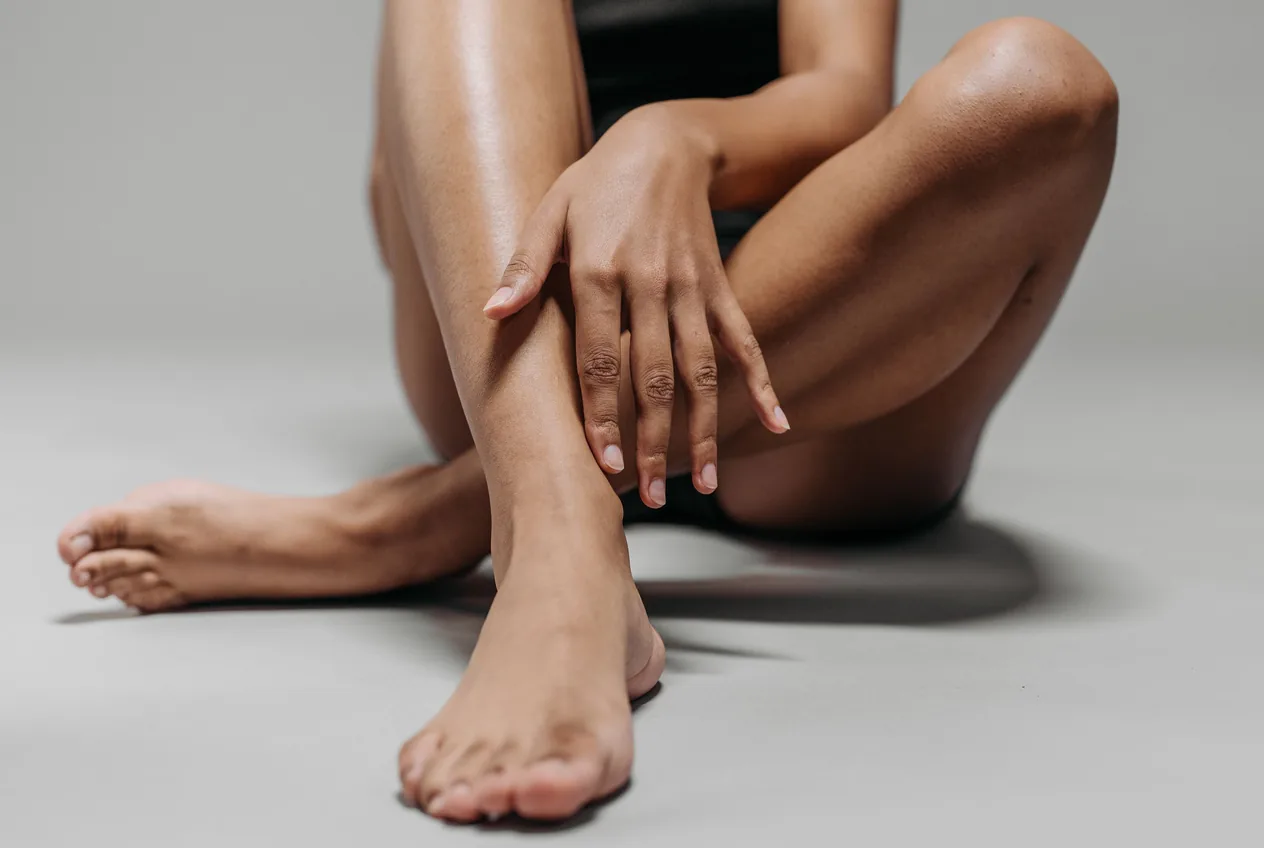
Aesthetic cellulite, also known as orange-peel skin, is a very frequent alteration of the fatty tissue located beneath the skin that produces an irregular appearance with dimples and depressions.
It is not a disease and is not related to infectious cellulitis (bacterial infection of the skin). It is a completely different condition.
It is estimated to affect more than 80-90 % of women after puberty, regardless of their weight.
Why does it appear?
Aesthetic cellulite has a multifactorial origin. Several mechanisms are involved:
- Alteration of the fibrous septa that join the skin to the deep planes.
- Accumulation of subcutaneous fat.
- Changes in microcirculation.
- Hormonal factors.
- Genetic predisposition.
- Ageing of the skin.
In women, the vertical arrangement of the fibrous septa favours the appearance of the characteristic dimples.
Who is at greater risk?
Aesthetic cellulite is much more frequent in women. The factors that favour its appearance are:
- Genetic predisposition.
- Hormonal changes.
- Pregnancy.
- Sedentary lifestyle.
- Weight gain.
- Repeated weight fluctuations.
- Ageing.
- Decrease in muscle mass.
Slim people can also present cellulite.
Where does it appear most frequently?
The most usual areas are:
- Thighs.
- Buttocks.
- Hips.
- Abdomen.
- Inner side of the knees.
- Arms.
How is it classified?
Several grades are usually distinguished.
Grade I. The skin looks normal at rest. The dimples only appear when compressing the skin.
Grade II. The irregularities begin to be appreciated while standing.
Grade III. The orange-peel skin is clearly visible at rest. There are multiple depressions and undulations.
Grade IV. In addition to the dimples, there may be significant fibrosis and, occasionally, discomfort on palpation.
How is it diagnosed?
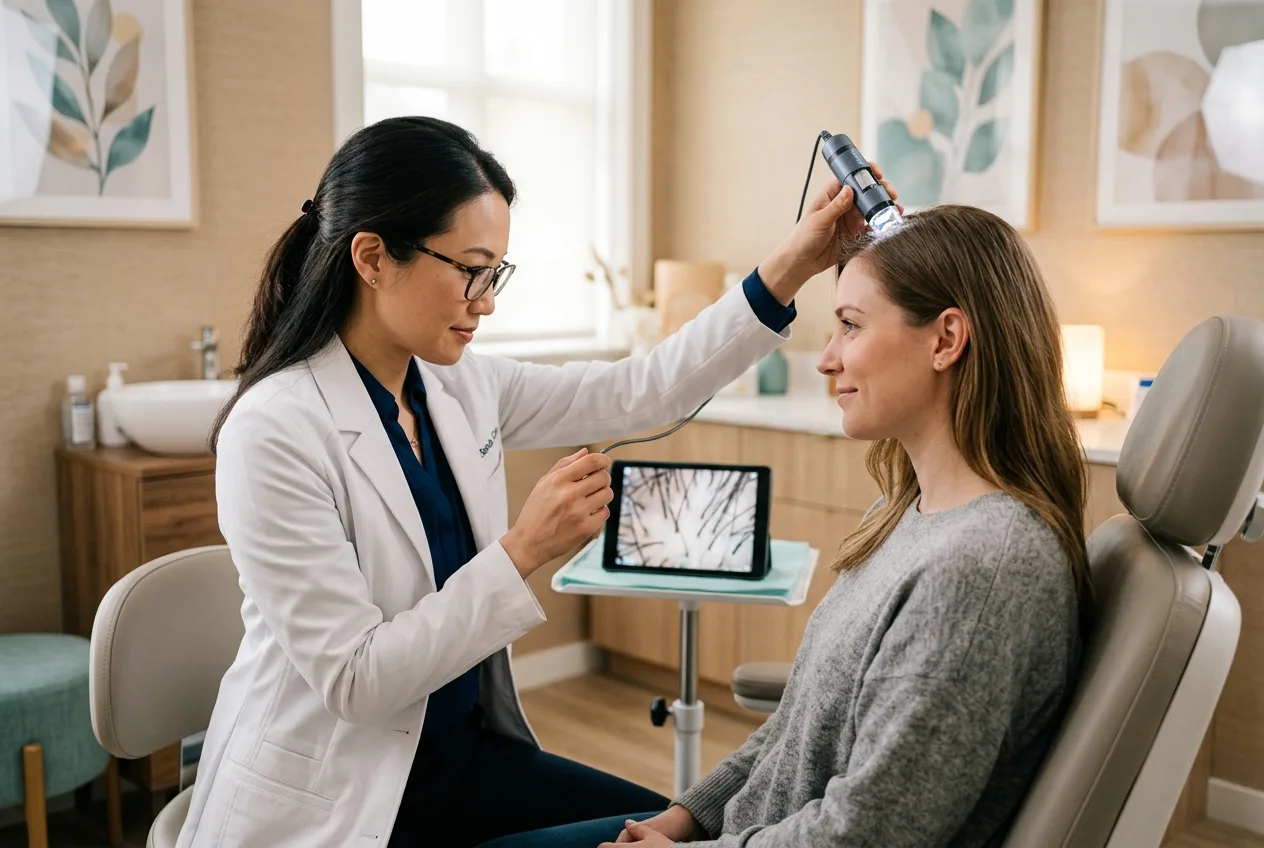
The diagnosis is clinical. During the medical examination, the location, the grade of cellulite, the quality of the skin, the associated laxity, the amount of fatty tissue, the muscular state and the expectations of the patient are assessed.
Cellulite is frequently associated with laxity or localised fat, so the treatment must be individualised.
What treatments exist?
Currently there is no treatment capable of definitively eliminating cellulite. However, different procedures can significantly improve its appearance.
Shockwaves. They can improve local circulation and favour more uniform skin in some patients.
Radiofrequency. It stimulates collagen production and can improve firmness, skin quality and the superficial appearance of cellulite.
Collagen biostimulators. In selected patients they help improve skin firmness when there is associated laxity.
Subcision. Some techniques for releasing the fibrous septa can improve certain deep dimples. It must be performed only by trained doctors.
Subdermal laser. In some selected cases it can act on the fibrous septa responsible for certain depressions.
Physical exercise. It is one of the fundamental pillars. Muscle strengthening improves tissue support and the overall appearance of the skin.
Healthy diet. Maintaining a stable weight and a balanced diet contributes to improving the body appearance, although it does not eliminate cellulite on its own.
What treatments do not work?
It is important to know that many marketed products do not have sufficient scientific evidence.
Anti-cellulite creams can provide hydration and slightly improve the texture of the skin, but their effect on established cellulite is usually limited.
What results can be expected?
The objectives are to reduce the dimples, improve the texture, increase firmness, achieve more uniform skin and improve the body contour.
Several sessions and maintenance treatments are generally necessary.
What can you do in your daily life?
- Maintain a stable weight.
- Perform strength physical exercise regularly.
- Walk daily.
- Follow a balanced diet.
- Avoid tobacco.
- Maintain good hydration.
- Sleep adequately.
Although these measures do not eliminate cellulite, they contribute to improving the general appearance of the skin.
When to consult?
It is advisable to consult when the cellulite concerns you from an aesthetic point of view, there is associated laxity, there is localised fat or you want to know which treatment can best adapt to your case.
Each patient requires an individualised assessment.
Myths and facts
- Myth: Cellulite only appears in overweight people. Fact: It also frequently affects slim women.
- Myth: Creams eliminate cellulite. Fact: They can slightly improve the hydration of the skin, but do not eliminate the structural changes responsible for cellulite.
- Myth: Drinking a lot of water makes cellulite disappear. Fact: Hydration is beneficial for skin health, but does not eliminate orange-peel skin.
- Myth: Liposuction cures cellulite. Fact: Liposuction is indicated to reduce localised fat, but does not directly treat cellulite and can even, in some cases, make the irregularities more visible.
- Myth: Cellulite is a disease. Fact: No. It is a very frequent and completely benign aesthetic condition.
The essential points to remember
- Aesthetic cellulite is a very frequent and completely benign alteration.
- It should not be confused with infectious cellulitis.
- Genetics and hormones play a fundamental role in its appearance.
- There is no definitive treatment, but there are multiple options to improve its appearance.
- Physical exercise and a healthy lifestyle are fundamental as a complement to treatment.
- The combination of techniques usually offers the best results.
Frequently asked questions
Does cellulite have a cure?
There is no treatment that eliminates it definitively, although it can improve significantly.
Can men have cellulite?
Yes, although it is much less frequent due to anatomical and hormonal differences.
Does exercise help?
Yes. Especially strength training combined with aerobic exercise.
Does losing weight eliminate cellulite?
Not always. It can improve in some cases, but many slim women also present cellulite.
What is the most effective treatment?
It depends on the type of cellulite. Different techniques are frequently combined to obtain better results.
Do creams work?
Their effect is usually discreet and temporary.
Does cellulite worsen with age?
Yes. The loss of collagen and laxity make it more evident.
Is it advisable to combine treatments?
Yes. The combination of medical procedures and healthy habits usually offers better results.
Are the results permanent?
No. Ageing and hormonal factors continue to act, so maintenance is usually necessary.
Is it normal to have cellulite?
Yes. It is extremely frequent and is part of the normal anatomy of most women.
Need personalised guidance?
This guide is for information only and does not replace a medical consultation. For an assessment tailored to your case, you may request a consultation.
Request a consultation