Alopecia areata
Autoimmune hair disease: causes and treatment

Alopecia areata is an autoimmune disease that causes a sudden loss of hair in patches. Learn about its causes, how it is diagnosed and the most advanced treatments to favour hair regrowth.
What is alopecia areata?
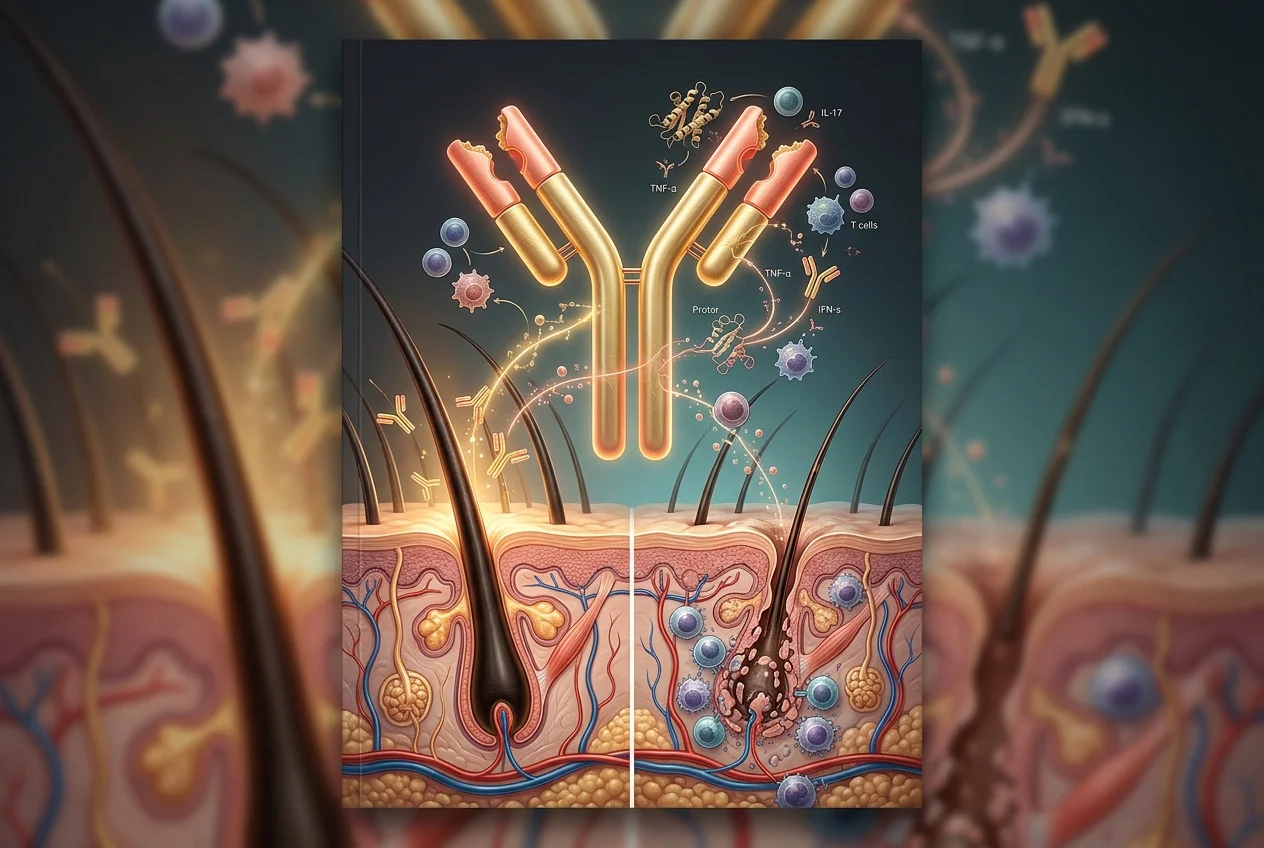
Alopecia areata is an autoimmune disease in which the immune system itself mistakenly attacks the hair follicles, causing a sudden loss of hair from the scalp or from other areas of the body.
It is a non-scarring disease, which means that the follicle remains alive. Therefore, in many cases the hair can grow back spontaneously or with treatment. It can appear at any age, although it is more frequent in children, adolescents and young adults, and it affects men and women equally.
Its evolution is very variable. Some people present a single episode that never repeats, while others suffer relapses throughout their lives. In recent years new treatments have been developed that have changed the prognosis of the most extensive forms in a very important way.
Why does it appear?
Alopecia areata is a disease of autoimmune origin. For reasons that are still not completely known, certain cells of the immune system attack the hair follicle and temporarily interrupt hair growth.
It is not caused by an infection, it is not contagious, it does not appear due to a lack of vitamins and it is not related to poor hygiene. There is a genetic predisposition and it is more frequent in people with personal or family history of autoimmune diseases.
What diseases can be associated?
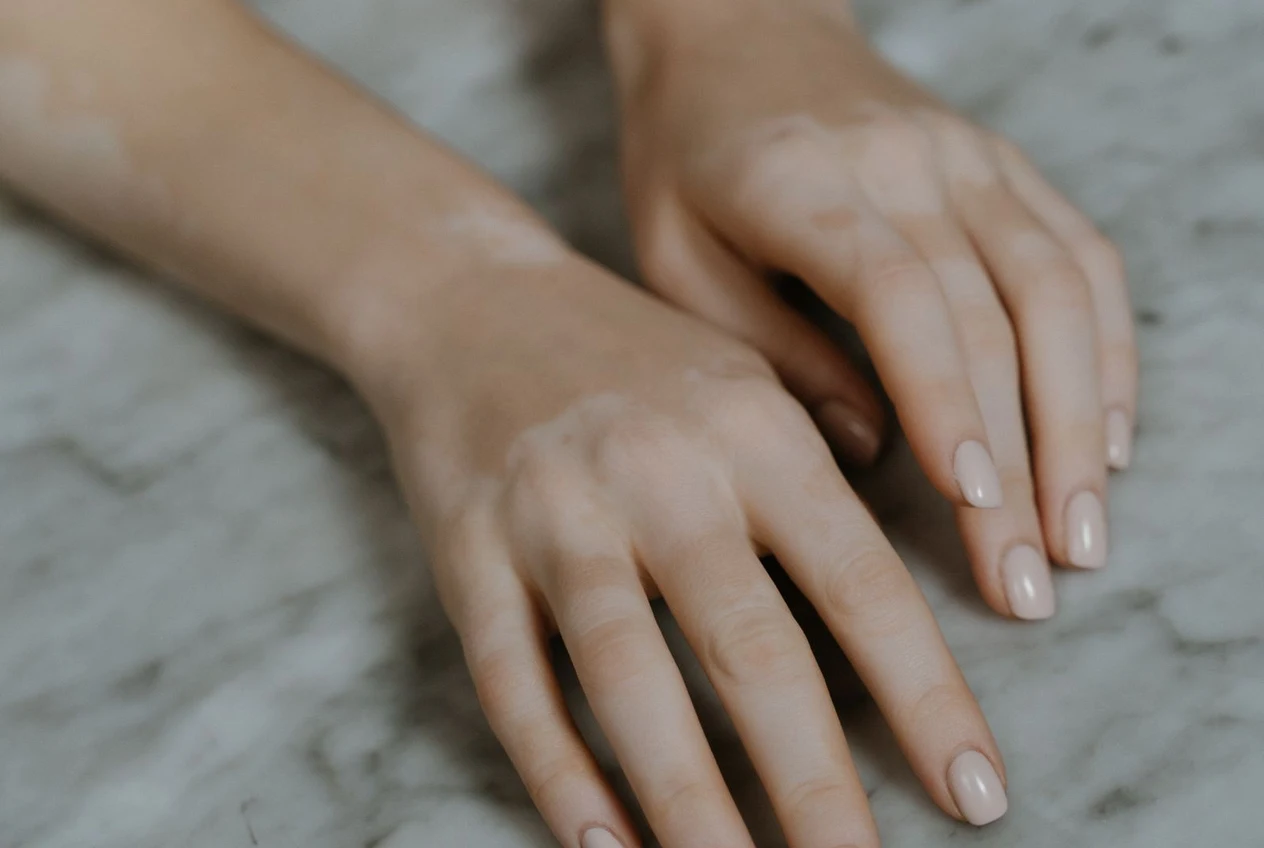
Most patients are completely healthy. However, there is a greater frequency of diseases such as autoimmune thyroiditis, vitiligo, atopic dermatitis, type 1 diabetes mellitus, celiac disease (less frequent) and other autoimmune diseases.
This does not mean that all people with alopecia areata will develop these diseases.
Does stress produce it?
It is one of the most frequent questions. Stress is not considered the direct cause of alopecia areata. However, in some people it can act as a triggering factor or favour a relapse in predisposed patients.
The disease should never be interpreted as an exclusive consequence of stress.
What are the symptoms?
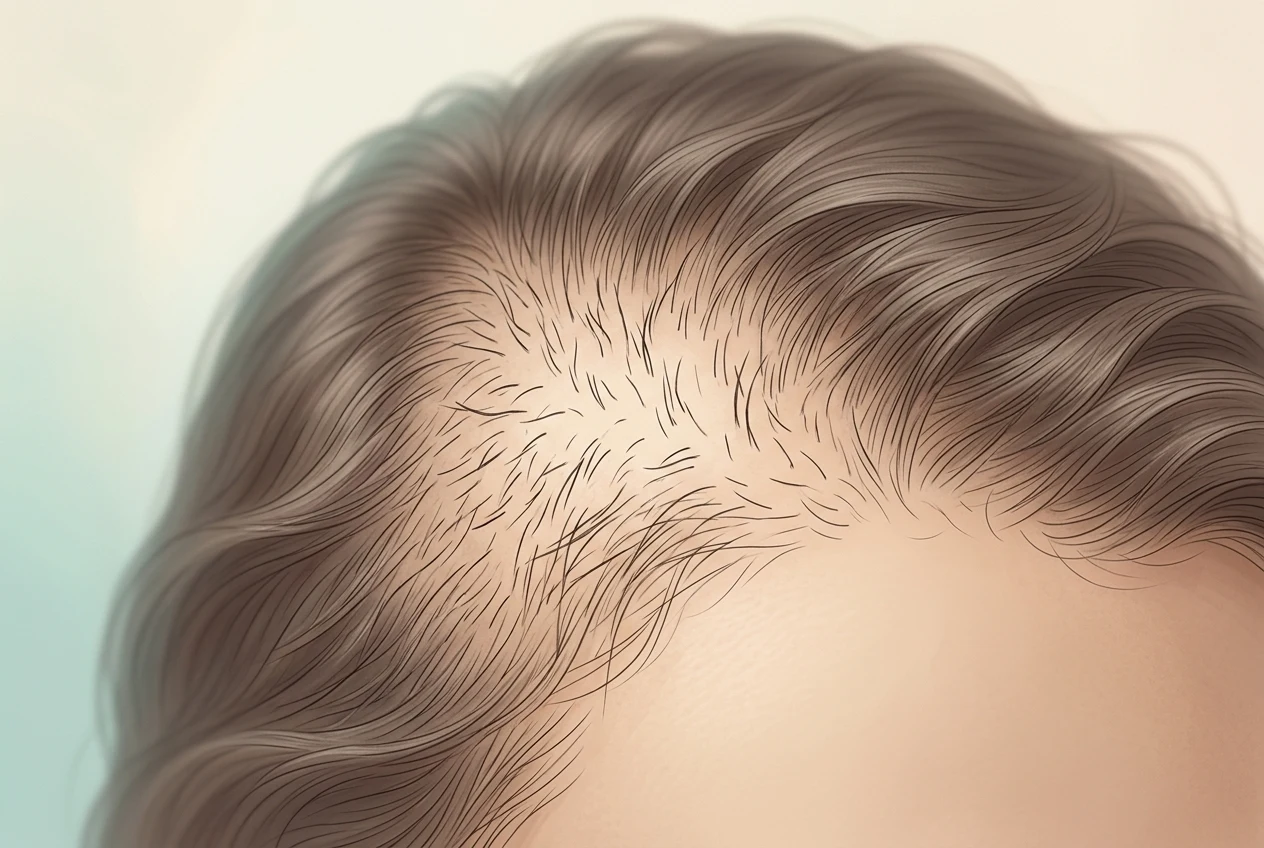
The most frequent form consists of the sudden appearance of one or several completely hairless patches, round or oval, well delimited and with skin of a completely normal appearance. Usually it does not hurt, does not produce scars and does not present scaling.
Some people may notice tingling, mild itching or a burning sensation before the loss.
Can it affect other areas and the nails?
Yes. In addition to the scalp, it can affect the beard, the eyebrows, the eyelashes, the armpits, the pubis and any area with hair.
Nails. Between 10 and 20% of patients may present nail alterations such as small pits (pitting), fragility, striations, thinning and roughness. These alterations do not always appear and do not necessarily indicate a more serious disease.
What types of alopecia areata exist?
Patchy alopecia areata. It is the most frequent form. One or several localised patches appear.
Alopecia totalis. All the hair of the scalp is lost.
Alopecia universalis. Practically all the hair of the body disappears.
Diffuse alopecia. It produces a generalised loss of density without clearly defined patches. It can be confused with other forms of hair loss.
Ophiasic alopecia. The loss mainly affects the nape and the sides of the scalp. It is a less frequent form.
How is it diagnosed?
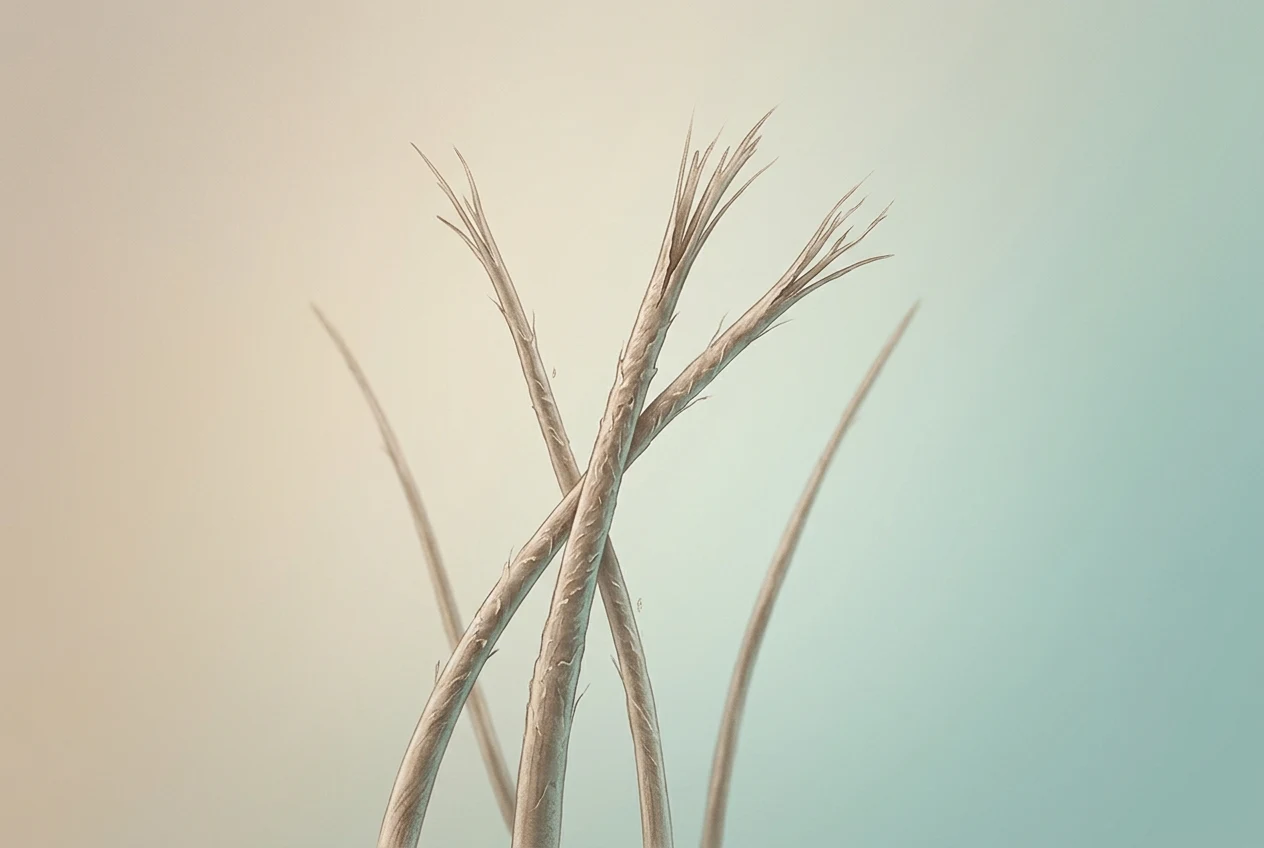
The diagnosis is usually made through the clinical history, the physical examination and dermatoscopy (trichoscopy). Trichoscopy can show characteristic findings such as exclamation mark hairs, yellow dots, black dots, broken hairs and regrowing hairs.
In some patients blood tests may be requested when there are data suggesting associated diseases, especially thyroid alterations. Biopsy is only necessary in unusual cases.
What treatments are available?
Treatment depends on the age, the extent, the time of evolution and the frequency of the relapses.
Intralesional corticosteroids. They are one of the treatments of choice in small or moderate patches. They consist of small injections directly into the affected areas.
Topical corticosteroids. They can be used especially in children or in limited patches.
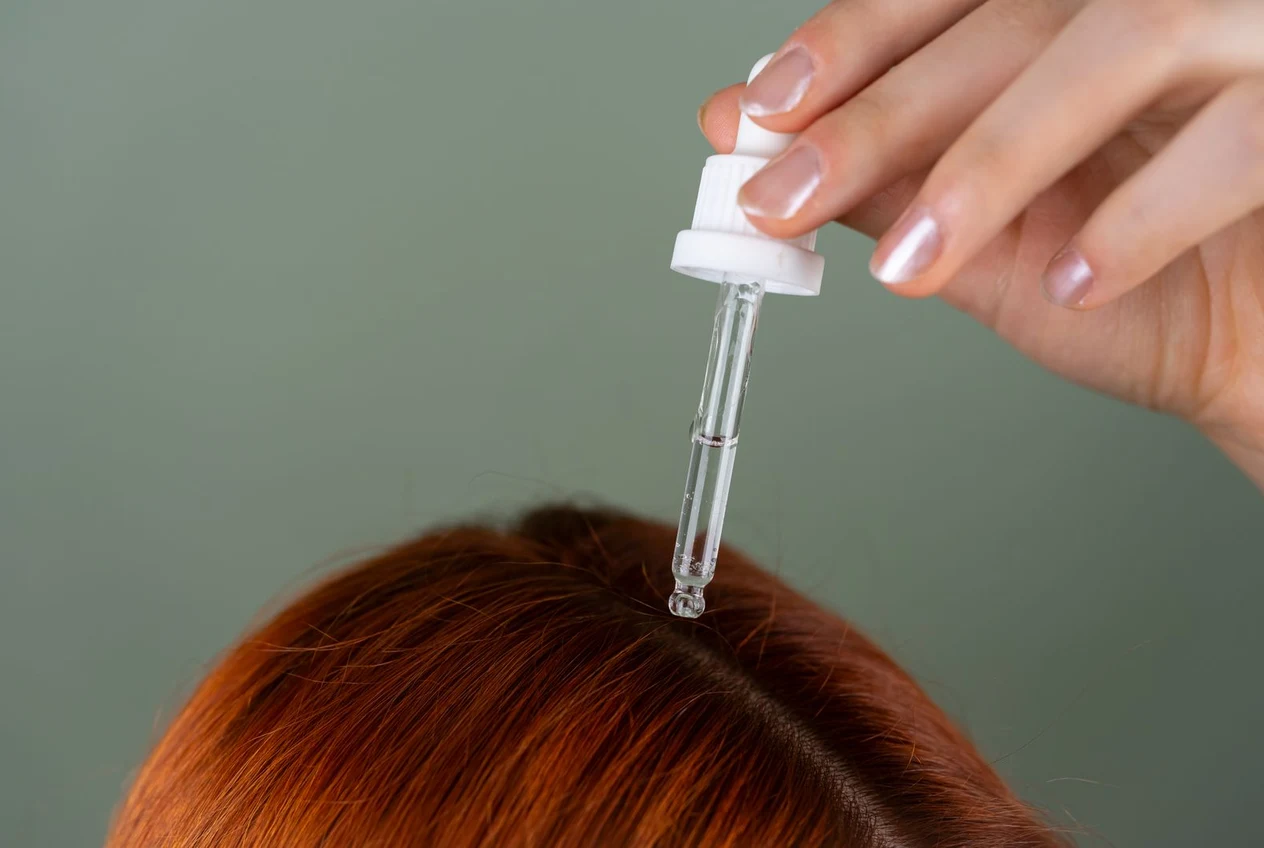
Minoxidil. It can be used as a complementary treatment to favour hair regrowth.
Topical immunotherapy. In some patients with extensive involvement, substances that provoke a controlled immunological reaction can be used to stimulate hair growth.
Oral corticosteroids. In certain situations they can be used for short periods.
JAK inhibitors. JAK (Janus Kinase) inhibitors represent one of the greatest recent advances in the treatment of extensive alopecia areata. These include baricitinib, ritlecitinib and other drugs according to regulatory approval and country. They act by modulating the immune response responsible for the disease and have shown very promising results in patients with moderate or severe forms. Their indication must always be made by a specialist.
Can the hair grow back and can it reappear?
Can it grow back? Yes. Many patients recover their hair partially or completely. Regrowth usually begins with very fine, white or poorly pigmented hairs, which subsequently recover their usual thickness and colour.
Can it reappear? Yes. Alopecia areata is an unpredictable disease. Some patients present a single episode; others may suffer relapses months or years later. Currently there is no test capable of predicting the individual evolution with exactitude.
What can you do day to day?
Maintain the indicated treatment and avoid abandoning it prematurely. Protect the scalp from the sun and use photoprotection when there are hairless areas. Take special care of the eyebrows and eyelashes if they are affected and maintain a healthy lifestyle.
If the disease produces a significant emotional impact, it can be very useful to seek psychological support.
When should you consult the doctor?
You should consult if a hairless patch appears abruptly, if the loss increases rapidly, if the eyebrows or eyelashes are affected, if there are multiple patches, if the treatment stops working or if significant alterations in the nails appear.
Early assessment makes it possible to start treatment as soon as possible and increase the possibilities of recovery.
Myths and facts
- Myth: Alopecia areata is contagious. Fact: No. It cannot be transmitted to other people.
- Myth: Stress is the only cause. Fact: No. It is an autoimmune disease in which stress can only act as a trigger in some patients.
- Myth: If a patch appears the hair will never grow again. Fact: Most patients recover the hair partially or completely.
- Myth: Shaving helps the hair grow back. Fact: It does not modify the evolution of the disease.
- Myth: Vitamins cure alopecia areata. Fact: They are only useful when there is a demonstrated nutritional deficiency. They do not correct the autoimmune mechanism.
The key points to remember
- Alopecia areata is an autoimmune and non-contagious disease.
- It produces patches of hair loss with completely normal skin and without scars.
- The follicle remains alive, so the hair can grow back.
- The diagnosis is based on clinical examination and trichoscopy.
- There are multiple treatments, including the new JAK inhibitors for extensive forms.
- Early diagnosis and treatment increase the possibilities of hair recovery.
Frequently asked questions
Is there a cure?
Currently there is no definitive cure, but many patients completely recover their hair and there are very effective treatments to control the disease.
Is it hereditary?
There is a genetic predisposition, although family history does not always appear.
Can all the hair grow back?
Yes. Even patients with significant losses can experience regrowth.
Do the patches leave a scar?
No. It is a non-scarring alopecia.
Can it affect children?
Yes. It is relatively frequent in childhood and usually responds well to treatment.
Do I need blood tests?
Not always. Only when there are suspicions of associated diseases.
Do JAK inhibitors work?
They have represented an important advance and can be very effective in patients with moderate or severe forms selected by the specialist.
Can I dye my hair?
Yes, as long as the scalp is healthy and the doctor does not indicate otherwise.
Can it return after many years?
Yes. Relapses can appear even after long periods without lesions.
Does it have a good prognosis?
In many patients yes, especially when the involvement is limited and treatment is started early. Extensive forms also currently have much more effective therapeutic options than a few years ago.
Need personalised guidance?
This guide is for information only and does not replace a medical consultation. For an assessment tailored to your case, you may request a consultation.
Request a consultationTopics