Everything about vitiligo: causes, symptoms, diagnosis and current treatments
Medical guide to vitiligo

Vitiligo is an autoimmune disease that causes the loss of pigment in the skin. Thanks to phototherapy, topical treatments and the new JAK inhibitors, it is now possible to stabilise the disease and achieve significant repigmentation in many patients.
Vitiligo is much more than a few white patches
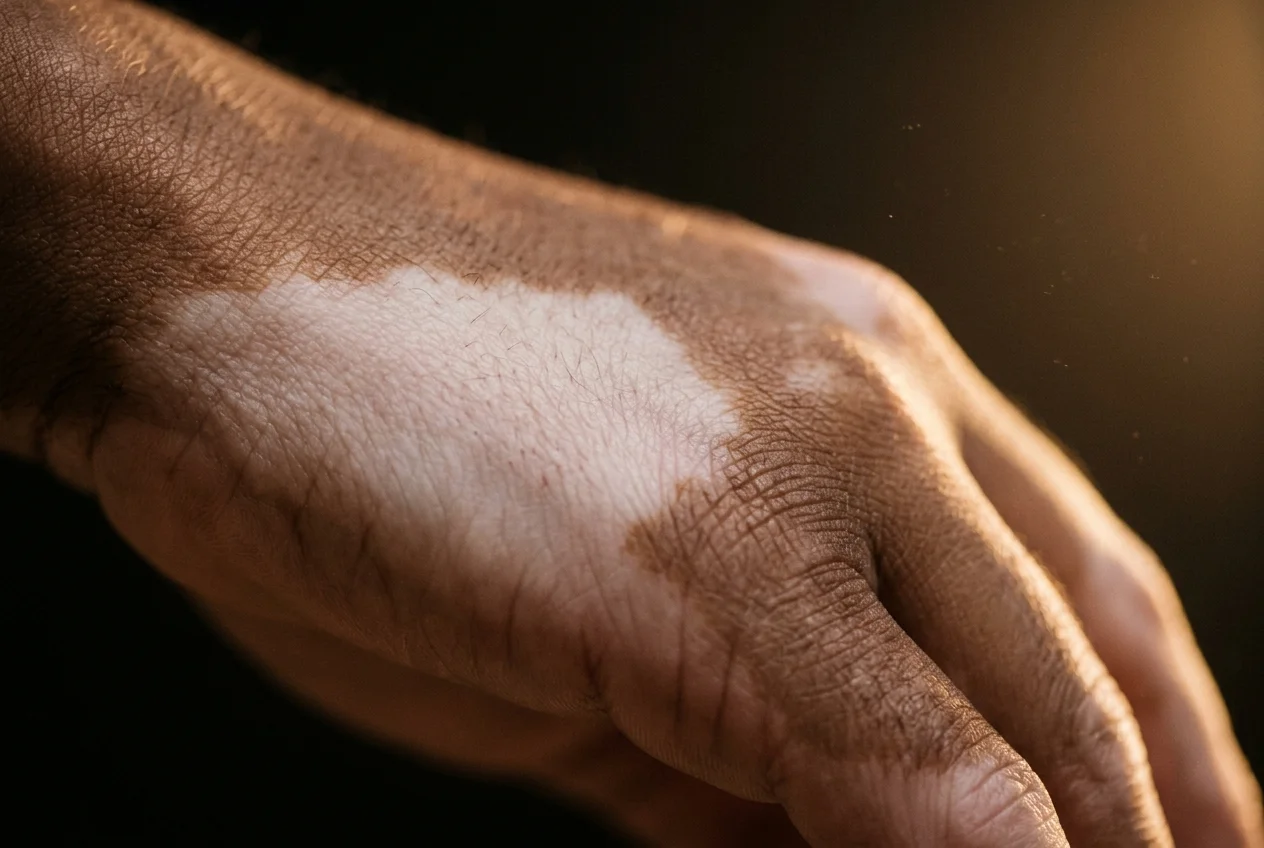
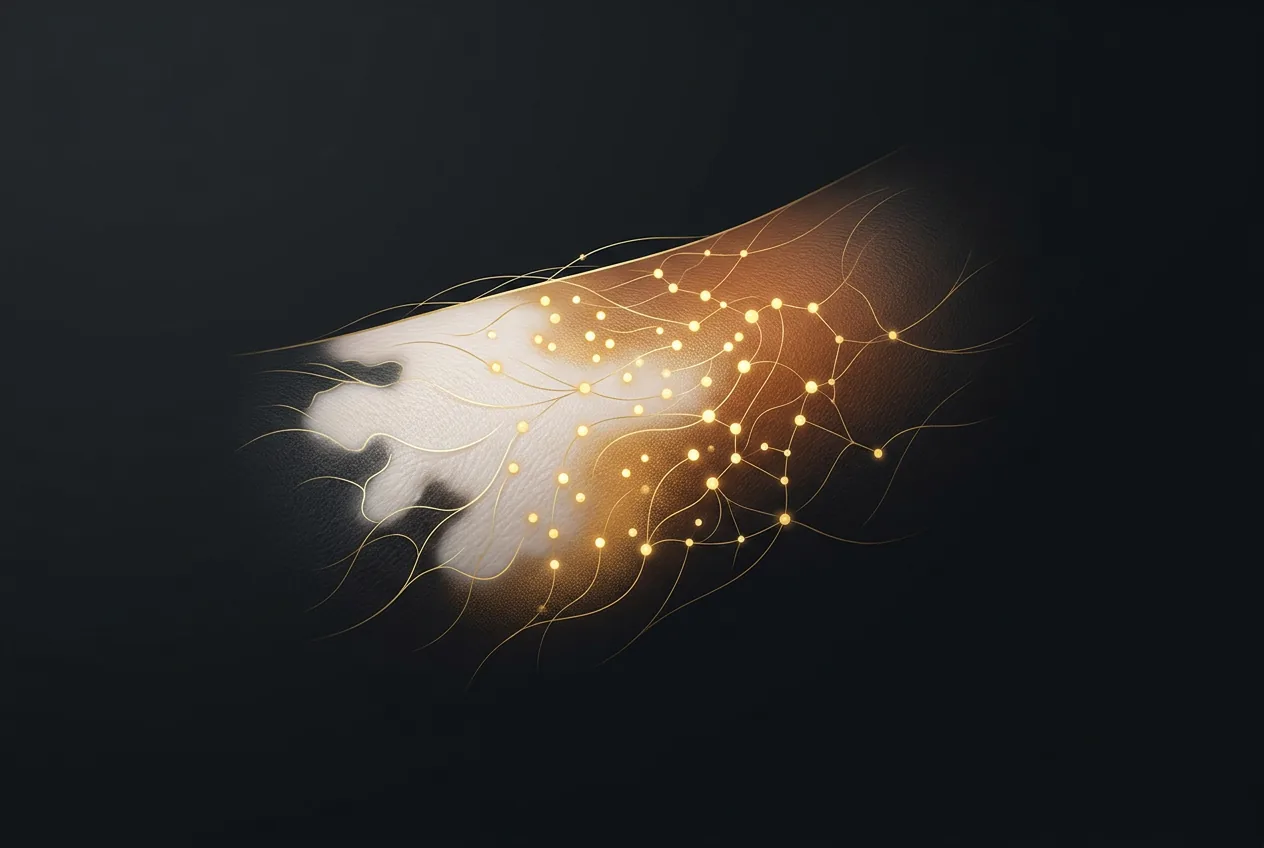
Vitiligo is a chronic skin disease characterised by the appearance of white patches due to the loss of melanocytes, the cells responsible for producing melanin.
Although it does not produce pain nor represent a direct risk to health, it can have a profound emotional impact and affect self-esteem, social relationships and quality of life.
For many years it was believed that there were no effective treatments. Today we know that this is not true. Advances in the knowledge of the immune system and the development of new drugs have very importantly changed the management of vitiligo.
What is vitiligo?
Vitiligo is an autoimmune disease in which the immune system selectively destroys the melanocytes.
When these cells disappear, the skin loses its pigment and completely white areas appear.
- It can affect any part of the body.
- It is not an infection.
- It is not contagious.
- It is not related to a lack of hygiene.
Why does it appear?
There is no single cause.
It is currently considered a multifactorial disease in which the following are involved:
- A genetic predisposition.
- Alterations of the immune system.
- Oxidative stress.
- Environmental factors.
- Repeated injuries to the skin in predisposed people.
All these mechanisms favour the destruction of the melanocytes.
Is it hereditary?
There is a genetic predisposition.
However:
- Most children of patients with vitiligo will never develop the disease.
- Many people with vitiligo have no family history.
Genetics increases the risk, but it does not on its own determine its appearance.
At what age can it begin?
It can appear at any age.
It is frequent for the first signs to appear before the age of 30, although it can also begin in childhood or in adulthood.
How does it begin?
The onset is usually progressive.
The lesions appear as patches:
- White.
- Well defined.
- Without scaling.
- Without pain.
- Usually symmetrical.
In some people the evolution is slow and stable.
In others new lesions appear during periods of disease activity.
Where does it appear most frequently?
The most usual locations are:
- Face.
- Around the eyes.
- Around the mouth.
- Hands.
- Fingers.
- Elbows.
- Knees.
- Armpits.
- Groin.
- Genitals.
It can also affect:
- Scalp.
- Beard.
- Eyebrows.
- Eyelashes.
When the hair loses pigment it is called leukotrichia.
Types of vitiligo
Non-segmental vitiligo. It is the most frequent form. It is usually bilateral and symmetrical.
Segmental vitiligo. It generally affects only one area of the body and tends to stabilise earlier.
Generalised vitiligo. It is the most usual presentation of non-segmental vitiligo.
Universal vitiligo. It is a rare form in which most of the body pigmentation is lost.
Can it be associated with other diseases?
Yes.
As it is an autoimmune disease, some patients present other diseases of the same origin, especially:
- Autoimmune thyroid diseases.
- Type 1 diabetes.
- Alopecia areata.
- Pernicious anaemia.
- Other less frequent autoimmune diseases.
It does not mean that all people with vitiligo will develop them, but in some cases it may be advisable to carry out complementary studies.
Can stress have an influence?
Stress is not the cause of vitiligo.
However, it can act as a trigger or favour progression in some predisposed people.
Koebner phenomenon
In some patients new patches appear in areas where there has previously been:
- Chafing.
- Cuts.
- Burns.
- Trauma.
This phenomenon is known as the Koebner phenomenon.
How is it diagnosed?
The diagnosis is usually clinical.
The doctor may use:
- Physical examination.
- Dermoscopy.
- Wood's lamp.
The Wood's lamp makes it possible to better delimit the depigmented areas and to detect barely visible lesions.
In certain situations tests may be requested to rule out associated autoimmune diseases.
Treatment
The treatment depends on:
- Extent.
- Location.
- Time of evolution.
- Disease activity.
- Age of the patient.
Each case requires an individualised plan.
Topical treatments
In localised lesions the following may be used:
- Topical corticosteroids.
- Calcineurin inhibitors.
- Topical JAK inhibitors in selected patients and when indicated.
The objective is to slow the immune activity and to favour repigmentation.
Phototherapy
Phototherapy with narrow-band UVB constitutes one of the most effective treatments for many forms of vitiligo.
It can achieve significant repigmentation, especially when it is started early.
Systemic treatments
In rapidly progressive phases immunomodulatory treatments may be used for limited periods and always under medical supervision.
JAK inhibitors: a new era
One of the greatest recent advances has been the development of JAK inhibitors.
These drugs act by blocking specific pathways responsible for the immune attack against the melanocytes.
In selected patients they have demonstrated a very important capacity to favour repigmentation, especially when combined with phototherapy.
They represent one of the most relevant changes in the treatment of vitiligo in recent decades.
Can the colour be recovered?
Yes.
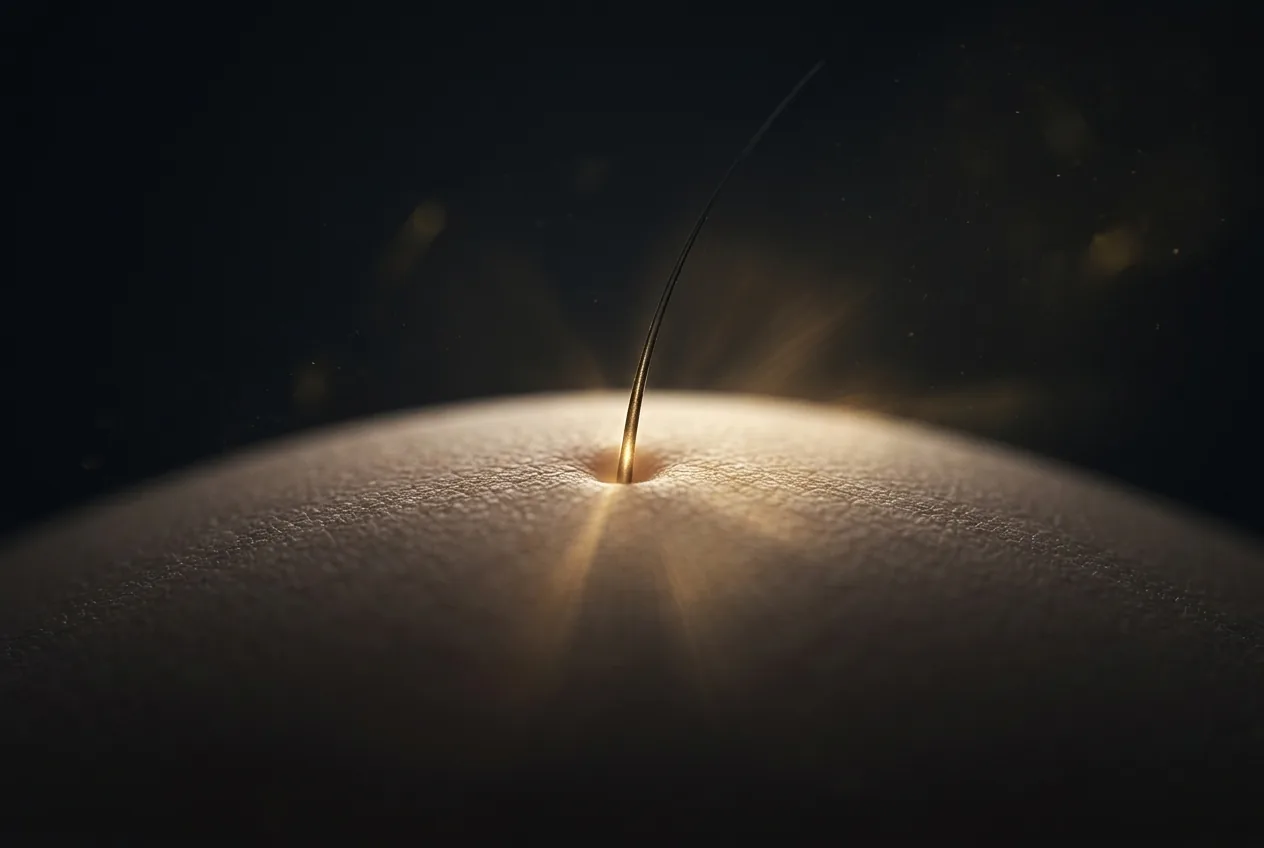
Repigmentation usually begins around the hair follicles, since these preserve cells capable of producing melanin again.
The results depend on:
- Location.
- Time of evolution.
- Disease activity.
- Treatment used.
The face usually responds better than hands or feet.
Is it necessary to protect from the sun?
Yes.
The depigmented areas lack melanin and are much more sensitive to ultraviolet radiation.
It is recommended to use:
- A broad-spectrum sunscreen.
- Protective clothing.
- Avoiding sunburn.
A controlled sun exposure within a prescribed treatment must not be confused with sunbathing indiscriminately.
Emotional aspect
The psychological impact of vitiligo can be very important.
Many people experience:
- A decrease in self-esteem.
- Anxiety.
- Shame.
- Social isolation.
These feelings are completely understandable.
Medical care must address both the disease and its emotional repercussion.
Myths and facts
- Myth: Vitiligo is contagious. Fact: No. It cannot be transmitted by contact.
- Myth: The patches appear due to a lack of vitamins. Fact: Vitiligo is an autoimmune disease; vitamin deficiencies do not explain its appearance.
- Myth: There is no treatment. Fact: Today we have multiple therapeutic options capable of stabilising the disease and favouring repigmentation.
- Myth: Stress is the cause of vitiligo. Fact: It can act as a trigger in some people, but it is not the origin of the disease.
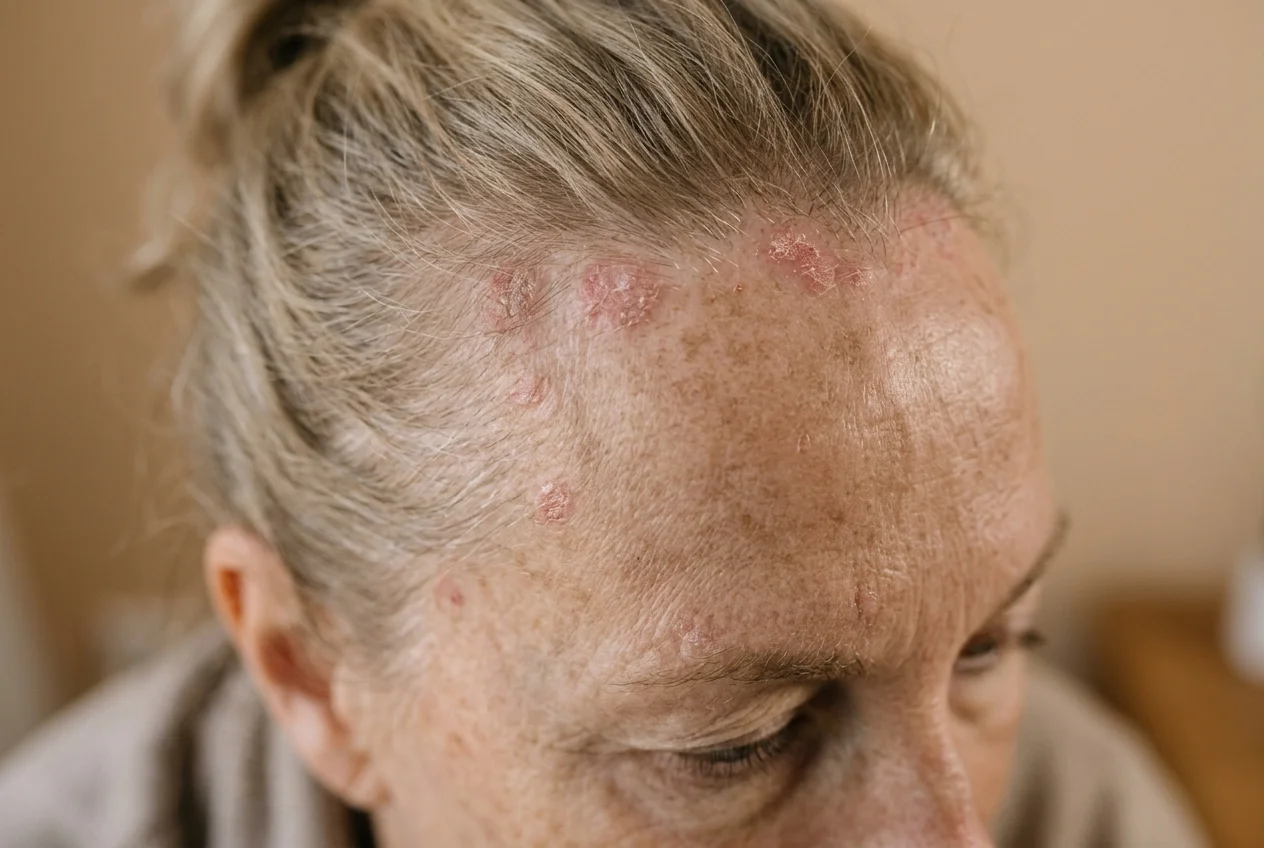
- Myth: All white patches are vitiligo. Fact: There are many other diseases that produce hypopigmentation and that must be differentiated through a medical assessment.
The essential points to remember
- Vitiligo is an autoimmune disease and not an isolated aesthetic alteration.
- It is not contagious nor related to poor hygiene.
- It can be associated with other autoimmune diseases, especially thyroid ones.
- Narrow-band UVB phototherapy and modern treatments have notably improved the prognosis.
- JAK inhibitors represent one of the most important therapeutic advances in recent years.
- An early diagnosis increases the chances of stabilising the disease and favouring repigmentation.
Frequently asked questions
Does vitiligo have a cure?
There is currently no definitive cure, but there are effective treatments to control the disease and achieve repigmentation in many patients.
Can it stop progressing?
Yes. In many patients the disease can stabilise.
Is it hereditary?
There is a genetic predisposition, although it is not a disease of obligatory transmission.
Does the sun improve it?
Controlled exposure can be part of the treatment, but sunburn worsens the prognosis and must be avoided.
Does diet have an influence?
There is no diet capable of curing vitiligo.
Can the patches recover their colour?
Yes, especially when the treatment is started early.
Does phototherapy work?
Yes. Narrow-band UVB is one of the most effective treatments.
Are JAK inhibitors a revolution?
Yes. They have represented one of the most important therapeutic advances of recent years.
Can it affect the hair?
Yes. It can produce a loss of pigment in the hair, the eyebrows or the beard.
Can one lead a completely normal life?
Yes. With appropriate treatment and specialised follow-up, the vast majority of patients can lead a fully active life.
Need personalised guidance?
This guide is for information only and does not replace a medical consultation. For an assessment tailored to your case, you may request a consultation.
Request a consultationTopics