Pityriasis: types, symptoms, diagnosis and treatment
Everything you need to know about the different forms of pityriasis

Pityriasis is not a single disease, but a group of skin disorders that share fine scaling: pityriasis versicolor, rosea, alba and rubra pilaris. Learn about their causes, symptoms, diagnosis, treatments and when to seek advice.
What is pityriasis?
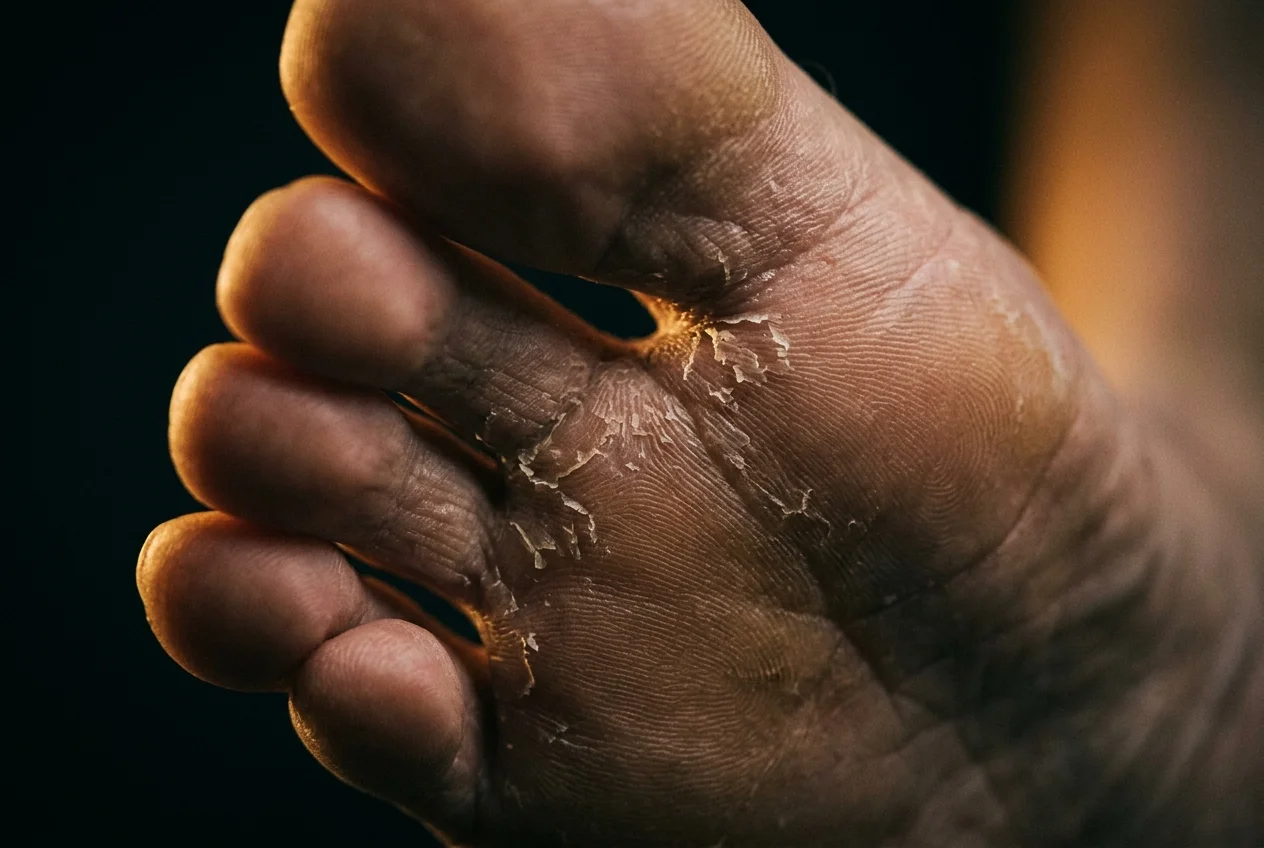
"Pityriasis" is a medical term that means fine scaling of the skin. It is not a single disease, but a group of skin disorders that share a similar appearance: patches or plaques accompanied by superficial scaling.
There are several types of pityriasis, and each one has a different cause, course and treatment. For this reason, it is important to make a correct diagnosis before starting any treatment.
What are the most common types?
The most usual are:
- pityriasis versicolor;
- pityriasis rosea (of Gibert);
- pityriasis alba;
- pityriasis rubra pilaris (much rarer).
Although they are all called "pityriasis", they are completely different diseases.
Pityriasis versicolor
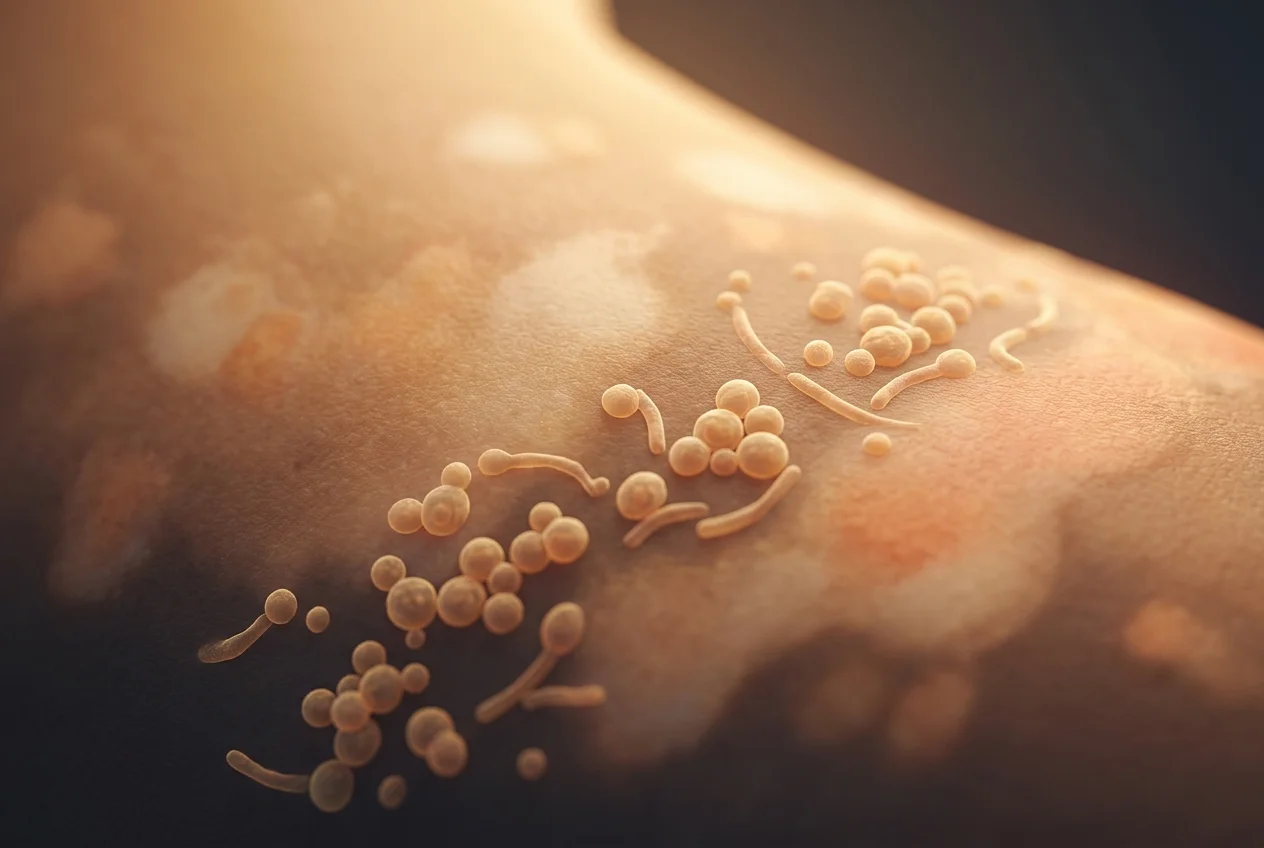
It is the most frequent form. It is caused by an overgrowth of a yeast called Malassezia, which is part of the normal flora of the skin.
How does it appear? It produces lighter, darker or slightly pinkish patches, accompanied by fine scaling. They are usually located on the back, chest, neck, shoulders and upper arms.
In summer it often becomes much more evident because healthy skin tans while the affected areas remain pale.
Is it contagious? No. Malassezia is part of the normal skin of practically everyone.
Factors that favour its appearance: heat, humidity, heavy sweating, oily skin, sport and tropical climates.
Treatment. Antifungal shampoos, antifungal creams and, in some cases, oral treatment are generally used. It is important to know that the fungus disappears before the patches do: recovery of the normal colour can take several weeks or even months.
Pityriasis rosea (of Gibert)
It is a benign inflammatory disease. The exact cause is unknown, although it is probably related to an immune response after a viral infection.
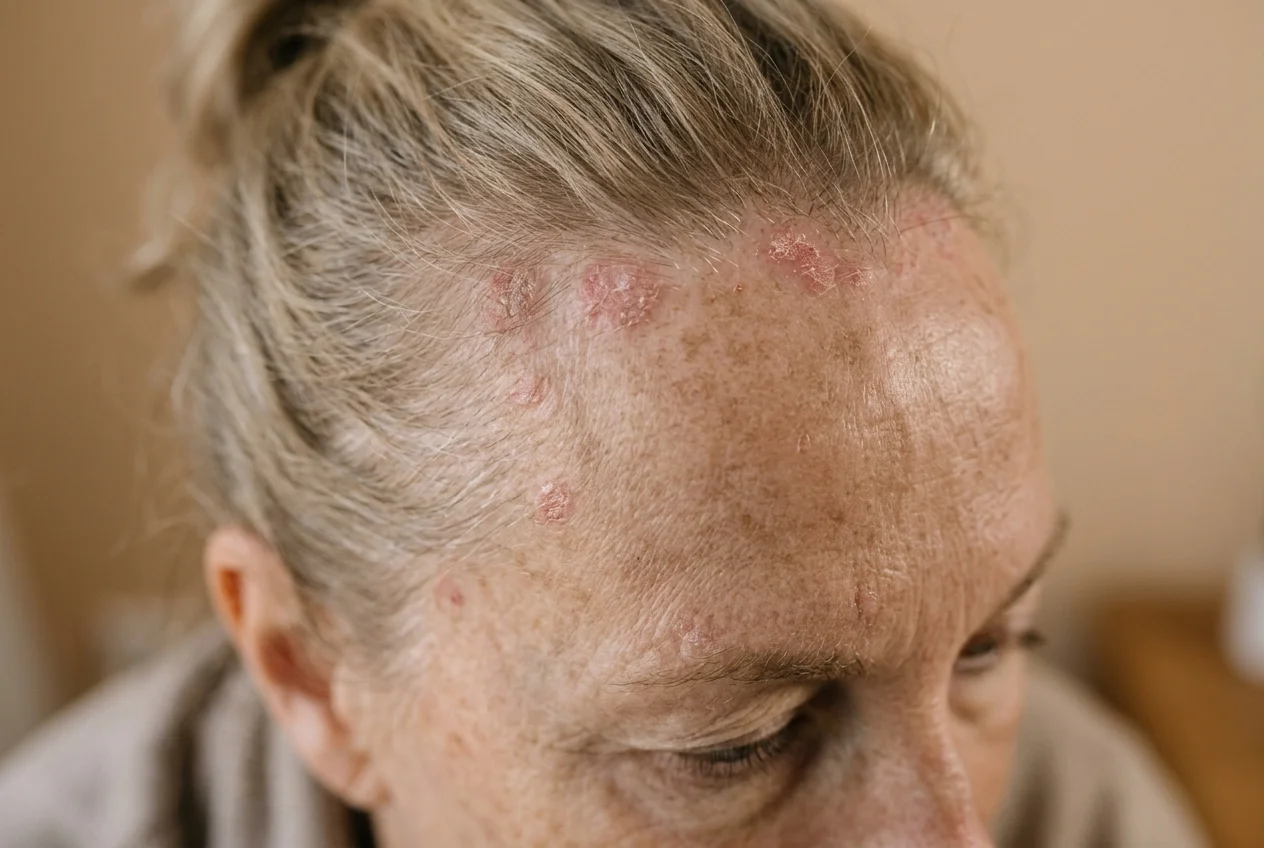
How does it begin? A single large patch usually appears, called the "herald patch". Days later, multiple smaller lesions appear, distributed mainly on the trunk, which tend to follow the natural lines of the skin, forming a characteristic pattern.
Symptoms: pinkish patches, fine scaling, mild to moderate itching and good general condition.
Is it contagious? No.
Treatment. In most cases it does not require specific treatment. Moisturising, avoiding irritants, topical corticosteroids if there is a lot of itching and antihistamines when necessary are recommended. It generally disappears spontaneously within 6 to 12 weeks.
Pityriasis alba
It is very common in children and adolescents. It is considered a mild form of eczema.
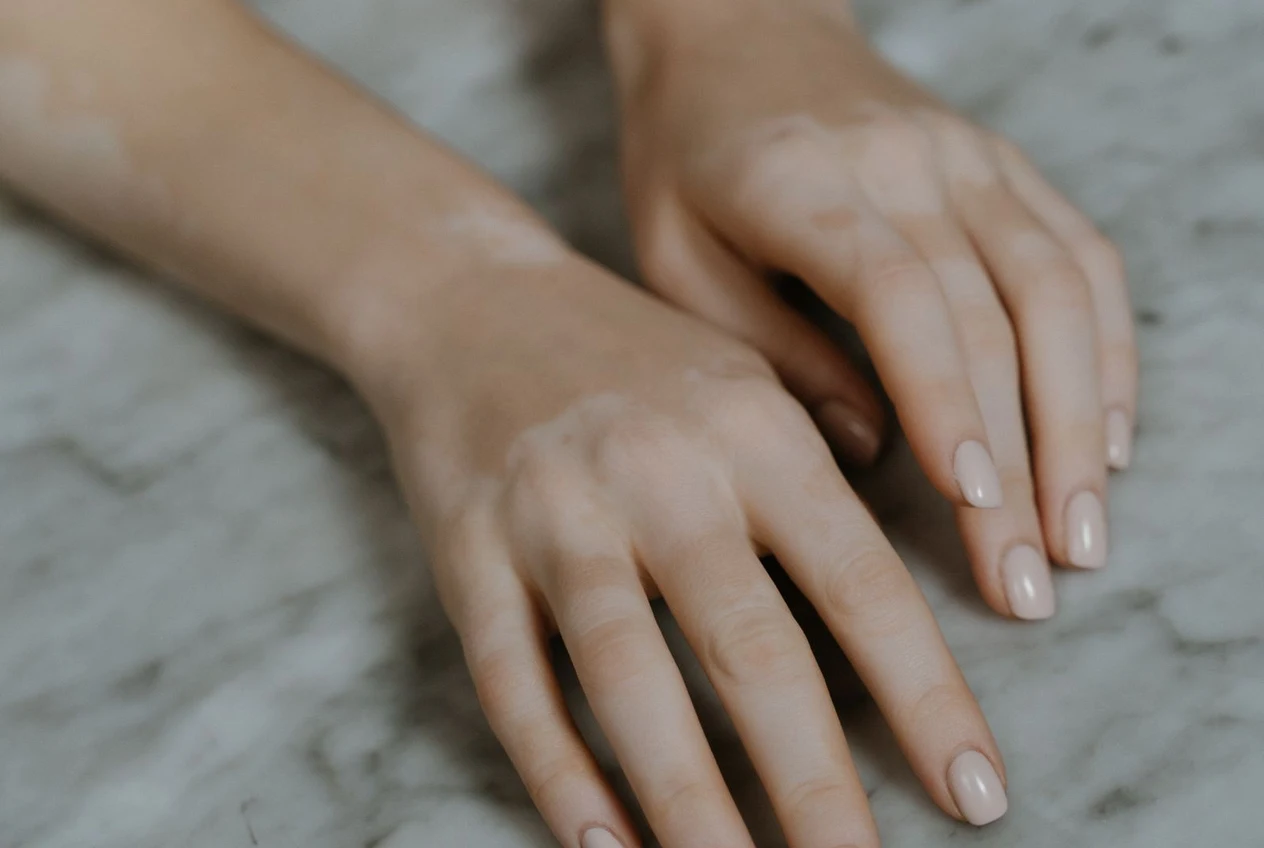
How does it present? It produces pale, slightly dry and poorly defined patches. They appear mainly on the face, arms and neck, and become more visible during the summer.
Treatment: daily moisturising, sun protection and mild corticosteroids only when there is inflammation. It is neither an infection nor contagious.
Pityriasis rubra pilaris
It is an uncommon disease. It produces reddish plaques, intense scaling, changes on the palms and soles and skin thickening.
It requires specialised medical assessment and, frequently, systemic treatment.
How is it diagnosed?
The diagnosis is usually made through clinical examination. In some patients, complementary tests may be necessary, such as dermatoscopy, microscopic examination of scales, Wood's lamp, culture or skin biopsy in unclear cases.
What can it be confused with?
The pityriasis conditions can resemble other skin disorders, including:
- seborrhoeic dermatitis;
- psoriasis;
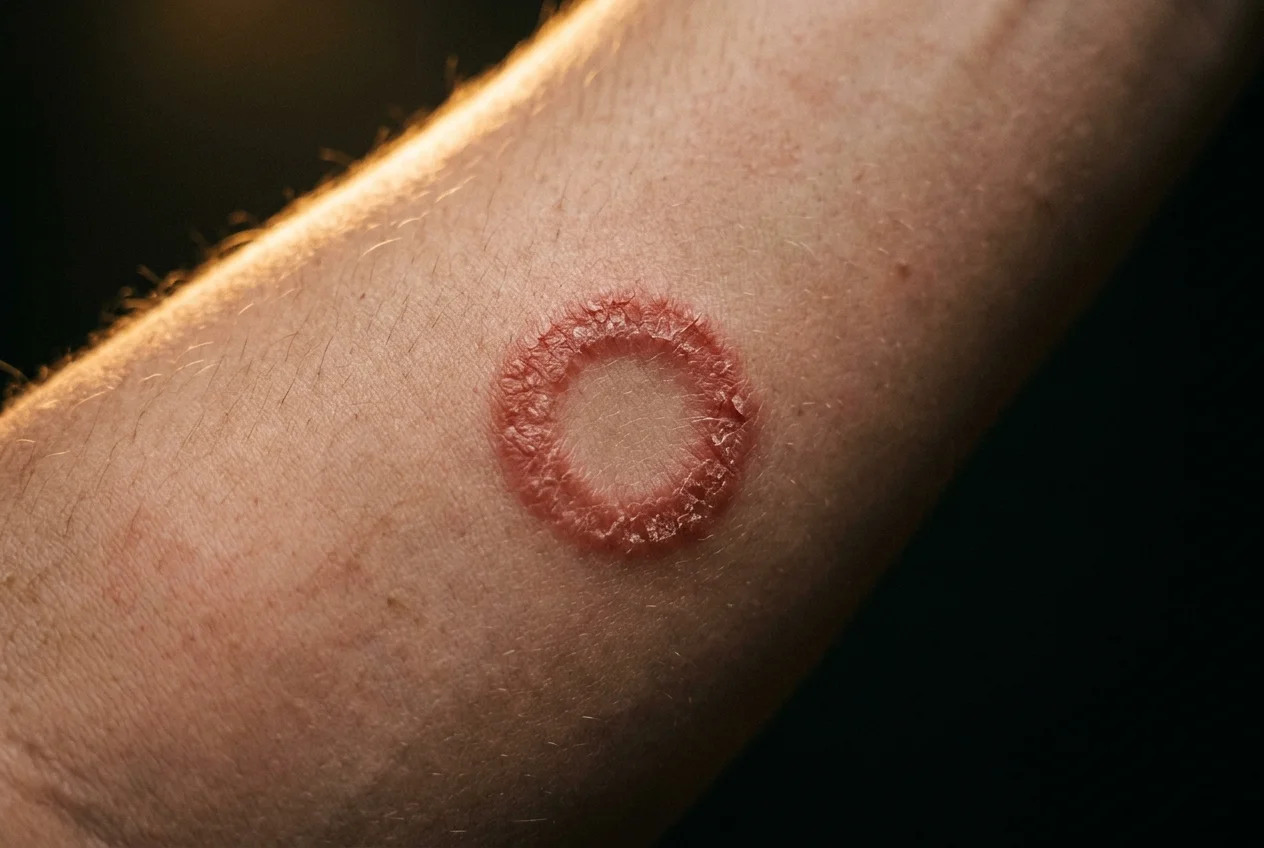
- ringworm of the body;
- vitiligo;
- eczema;
- pale patches appearing after previous inflammation;
- secondary syphilis (in some cases of atypical pityriasis rosea).
This is why medical diagnosis is important.
When should you consult?
Request a medical assessment if:
- the lesions appear suddenly;
- the diagnosis is unclear;
- there is significant itching;
- blisters appear;
- the face or genitals are affected;
- the lesions persist for months;
- the usual treatments do not work.
Can they be prevented?
It depends on the type of pityriasis. For pityriasis versicolor, it can help to keep the skin dry, shower after intense sweating and use preventive treatments in summer when there are frequent relapses. For the other forms, there is no specific prevention.
The key points to remember
- "Pityriasis" is not a disease, but a group of different skin disorders.
- Pityriasis versicolor is the most frequent form and is related to the yeast Malassezia.
- Pityriasis rosea usually resolves spontaneously.
- Pityriasis alba is common in children and is related to skin dryness and mild eczema.
- A correct diagnosis makes it possible to choose the most appropriate treatment and avoid unnecessary treatments.
If you have persistent patches, lesions that change in appearance, intense itching, doubts about the diagnosis or frequent relapses, it is advisable to see a doctor specialised in skin. A specialised assessment will make it possible to correctly identify the type of pityriasis and establish the most appropriate treatment for each case.
Frequently asked questions
Is pityriasis contagious?
In most cases, no.
Is it a fungus?
Only pityriasis versicolor is related to a yeast (Malassezia).
Can it come back?
Yes. Pityriasis versicolor has frequent relapses, especially during the warm months.
Do the patches disappear immediately after treatment?
No. In pityriasis versicolor, the skin colour takes weeks or even months to normalise, even though the microorganism has already been eliminated.
Do I need antibiotics?
No. Antibiotics are not useful for the usual pityriasis conditions.
Need personalised guidance?
This guide is for information only and does not replace a medical consultation. For an assessment tailored to your case, you may request a consultation.
Request a consultationTopics