Ringworm of the body (tinea corporis)
Skin infection by dermatophyte fungi
Ringworm of the body is a skin infection caused by dermatophyte fungi that produces ring-shaped patches with scaling and itching. Learn how it is transmitted, how it is diagnosed and what the most effective treatments are to eliminate the infection.
What is ringworm of the body?
Ringworm of the body, also called tinea corporis, is a superficial infection of the skin caused by dermatophyte fungi. Despite its name, it is not caused by a worm, but by fungi that feed on the keratin of the skin.
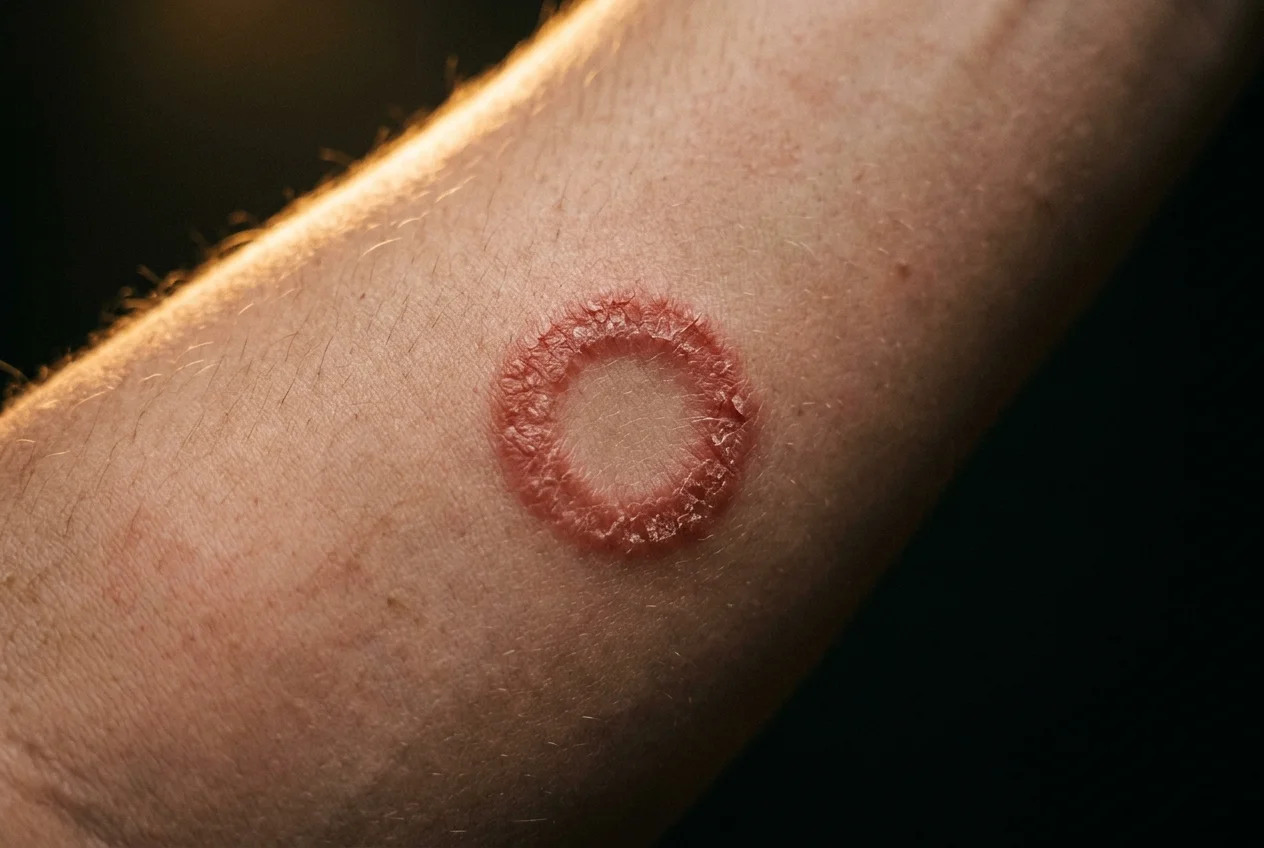
It is characterised by the appearance of rounded or ring-shaped patches, with a redder and slightly raised border, which usually grows progressively while the centre takes on a clearer appearance. It is a very frequent, contagious infection and, with the appropriate treatment, has an excellent prognosis.
Why does it appear?
The infection occurs when a dermatophyte comes into contact with the skin and finds the appropriate conditions to grow. The responsible fungi belong mainly to the genera Trichophyton, Microsporum and Epidermophyton.
How is it spread? It can be transmitted by direct contact with an infected person, contact with infected animals (especially cats, dogs, rabbits or livestock), contact with contaminated objects (towels, clothing, combs or sports equipment) and shared humid surfaces, such as changing rooms or gyms.
What favours its appearance? Some factors increase the risk: abundant sweating, maintained humidity, tight clothing, warm climates, practising contact sports, a weakened immune system, diabetes and inappropriate use of topical corticosteroids.
What are the symptoms?
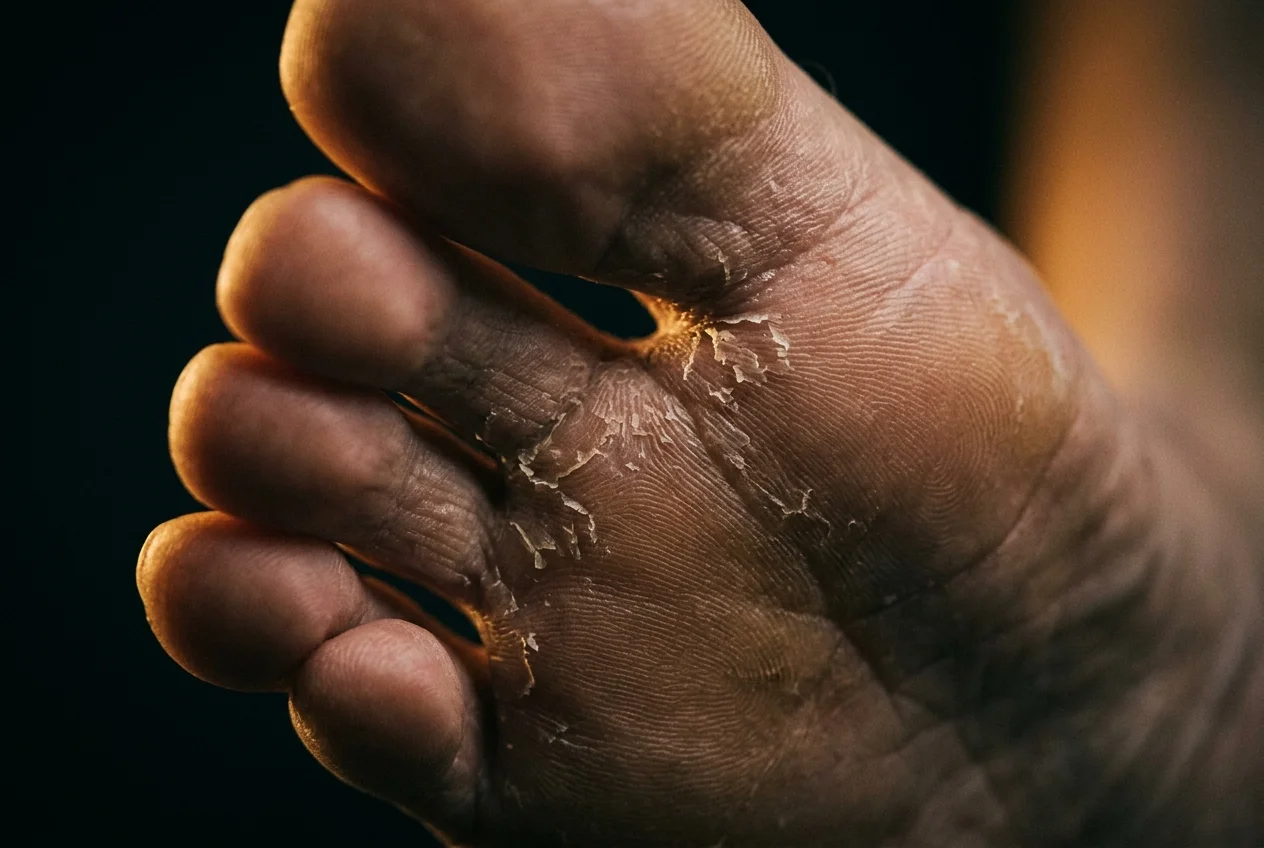
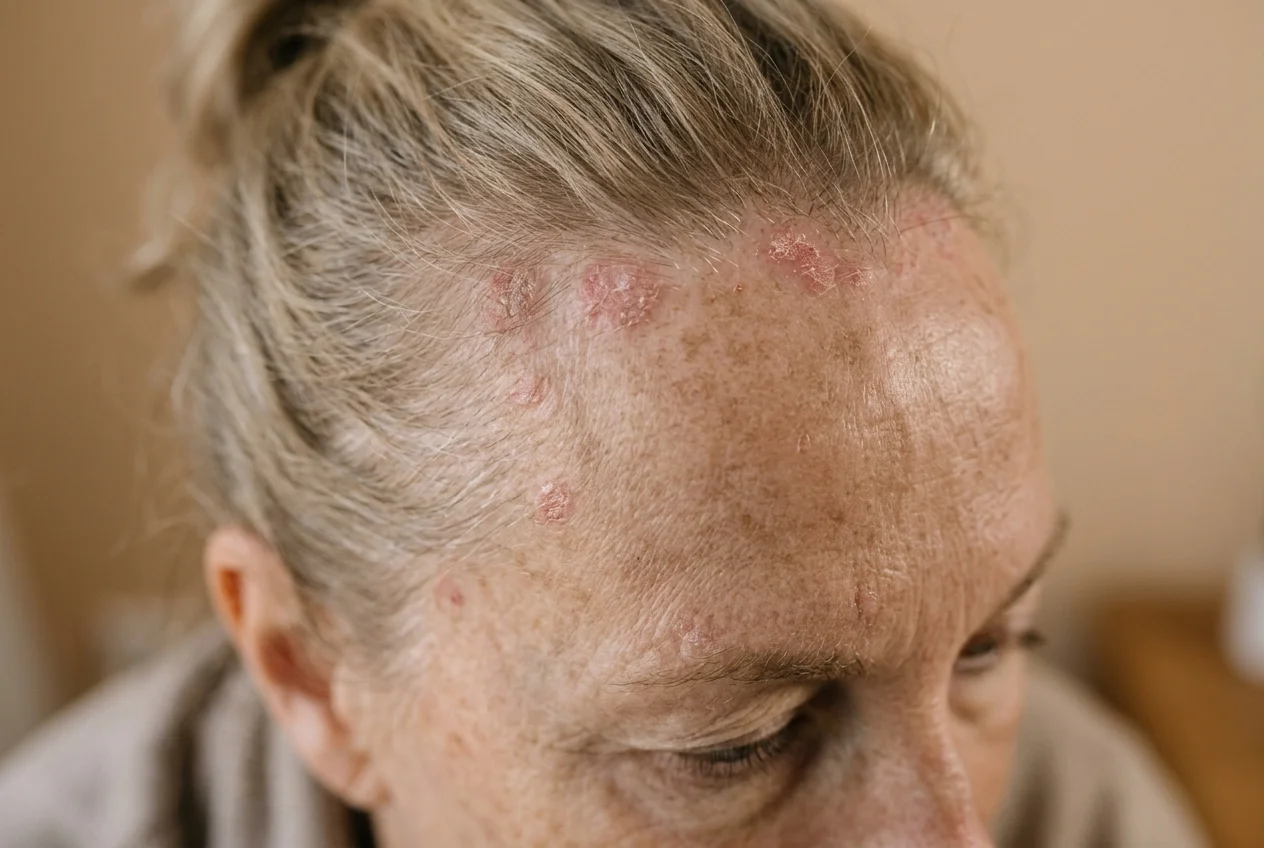
The typical lesion consists of a round or oval patch, with a red, raised and scaly border, progressive growth outwards, a clearer centre and itching of variable intensity. A single lesion or several can appear.
The most frequent locations are the trunk, arms, legs and neck. When there are multiple lesions, a continuous source of contagion or a decrease in defences must be ruled out.
How is it diagnosed?
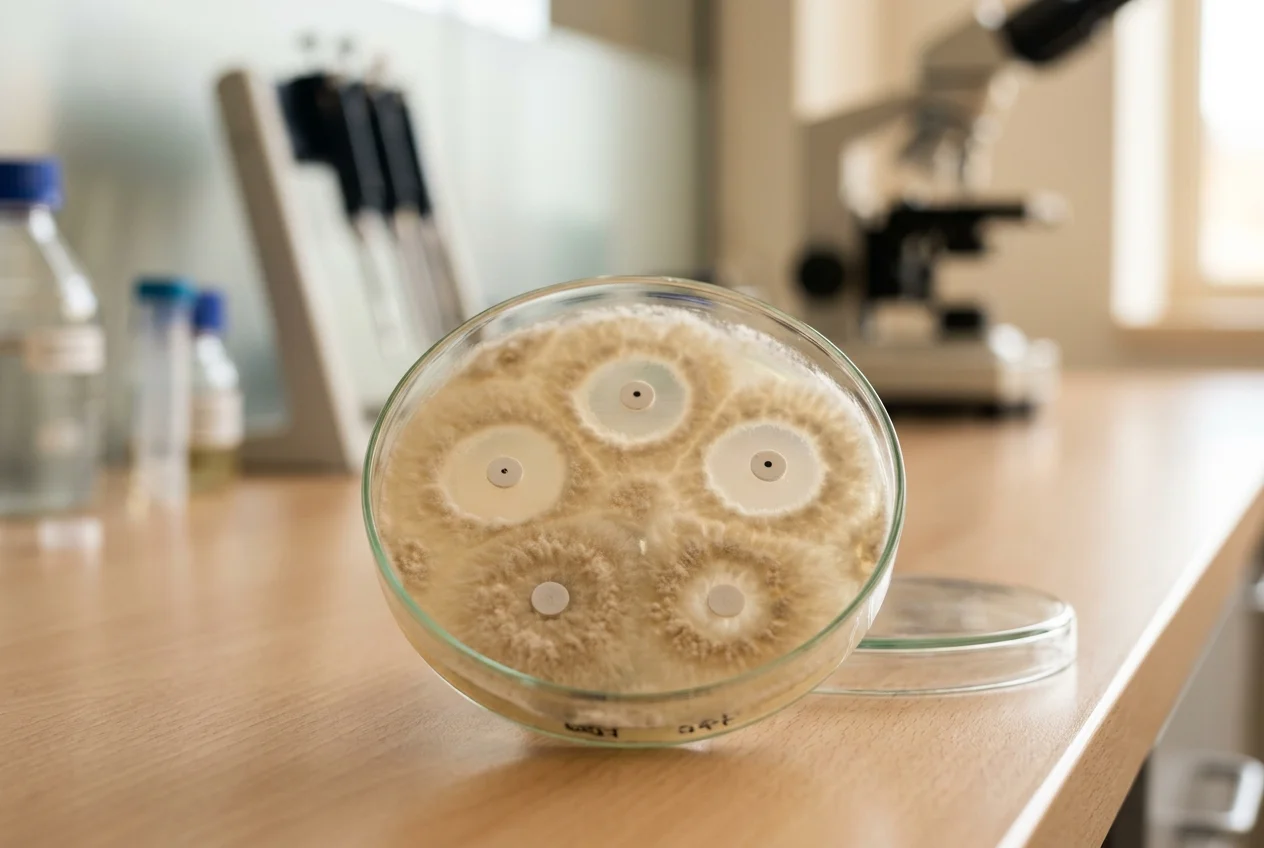
In many cases the diagnosis can be made through clinical examination. When there are doubts, the doctor can request a microscopic examination of skin scales with potassium hydroxide (KOH), a mycological culture and dermatoscopy in some cases.
These tests make it possible to confirm the diagnosis and identify the responsible fungus when necessary.
What treatments are available?
Treatment will depend on the number of lesions, their extent and the previous response.
Topical antifungals. When the lesions are few, it is usually enough to apply an antifungal cream, such as terbinafine, clotrimazole, miconazole, ketoconazole or econazole. It is generally recommended to continue treatment for one or two weeks after the visible disappearance of the lesions to reduce the risk of relapse.
Oral antifungals. They may be necessary when there are many lesions, the infection is extensive, it does not respond to topical treatment or the patient has immunosuppression. Among the most used are terbinafine, itraconazole and fluconazole. They must always be used under medical prescription.
Why should corticosteroids not be used alone? The use of topical corticosteroids without an antifungal can temporarily decrease the redness, but favours the growth of the fungus and modifies the appearance of the lesion, making diagnosis more difficult. This picture is known as tinea incognito.
What can you do day to day?
During treatment it is advisable to keep the skin clean and well dried, dry carefully after showering, change underwear and sportswear daily, use breathable clothing, not share towels or clothing, wash the garments in contact with the lesions and always complete the treatment even if the lesion seems cured.
If you live with animals that have hairless areas or skin lesions, it is advisable that they be assessed by a veterinarian.
When should you seek prompt medical advice?
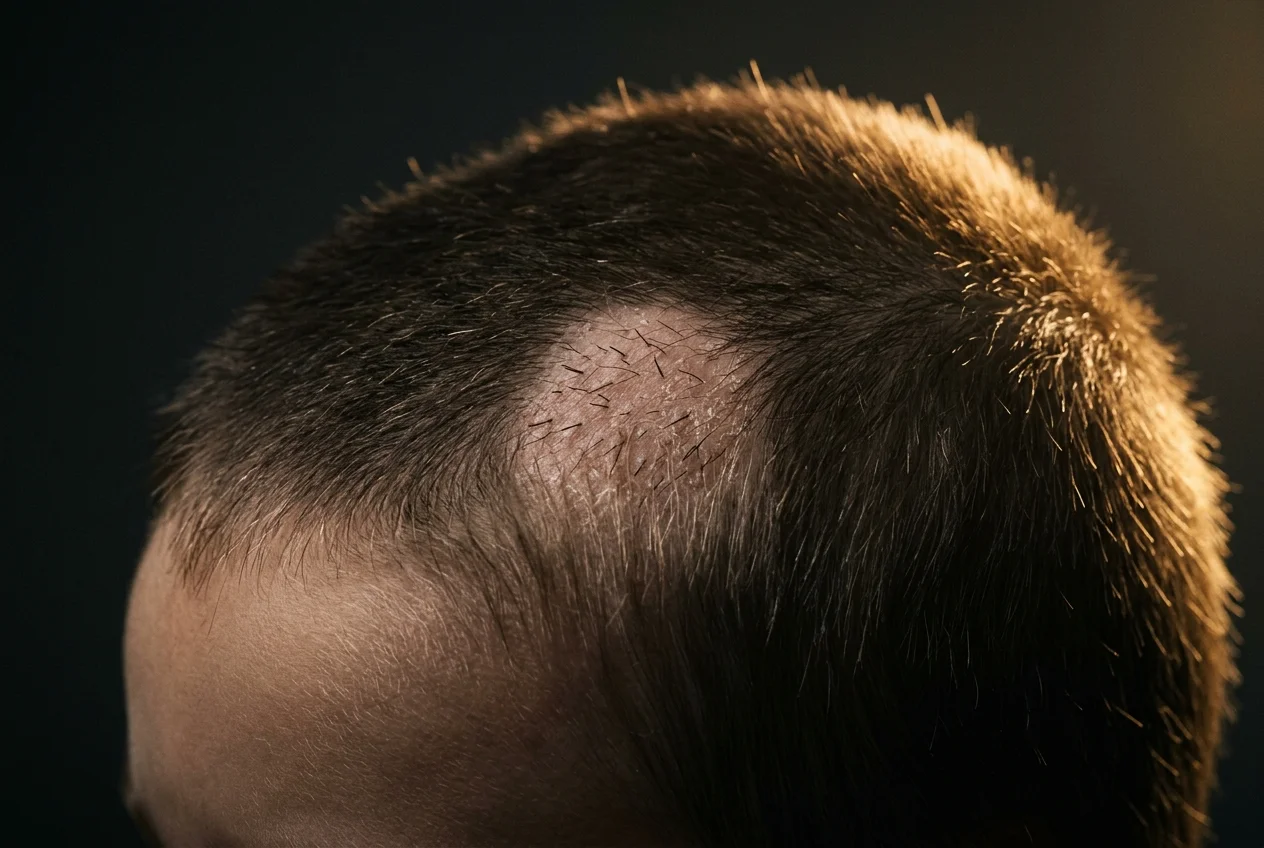
You should consult again if the lesions increase rapidly in size, if multiple patches appear, if it does not improve after two or three weeks of treatment, if you have fever or signs of bacterial infection, if you are immunosuppressed or if the infection affects the face, scalp or nails.
Myths and facts
- Myth: Ringworm is produced by a worm. Fact: No. It is caused by dermatophyte fungi.
- Myth: When the itching disappears I can stop the treatment. Fact: It is important to complete the indicated time to reduce the risk of relapse.
- Myth: Bleach or alcohol cures ringworm. Fact: No. Treatment requires specific antifungals.
- Myth: Corticosteroids always help. Fact: Used without antifungals they can worsen the infection and mask it.
- Myth: Only people with poor hygiene have ringworm. Fact: No. It can affect anyone, especially in warm and humid environments or after contact with infected people or animals.
The key points to remember
- Ringworm of the body is a skin infection produced by dermatophyte fungi.
- It produces rounded patches with a red and scaly border that grow progressively.
- It is contagious and can be transmitted by people, animals or contaminated objects.
- Treatment consists of topical or oral antifungals depending on the extent.
- Topical corticosteroids should not be used without an antifungal, since they can worsen the infection.
- Keeping the skin dry and completing the treatment reduces the risk of relapses.
Frequently asked questions
Is it contagious?
Yes. It can be transmitted by direct contact or through contaminated objects.
How long does it take to heal?
Generally between two and four weeks with appropriate treatment, although extensive forms may require more time.
Can it reappear?
Yes. It is possible to become reinfected if the source of contagion persists.
Can I play sport?
Yes, although it is advisable to keep the lesions covered when possible, maximise hygiene and avoid sharing sports equipment.
Should I cover the lesions?
It is not essential, but it may be advisable in contact activities to decrease the risk of transmission.
Can pets infect me?
Yes. Some cats, dogs and other animals can be the origin of the infection.
Can it leave scars?
Usually no, as long as there is no secondary infection or intense scratching.
Should I wash the clothes separately?
It is advisable to wash the clothing, towels and sportswear used during treatment to reduce the risk of reinfection.
Does sun exposure cure it?
No. The sun does not eliminate the infection.
Is there a cure?
Yes. The vast majority of patients are completely cured with the appropriate antifungal treatment.
Need personalised guidance?
This guide is for information only and does not replace a medical consultation. For an assessment tailored to your case, you may request a consultation.
Request a consultation