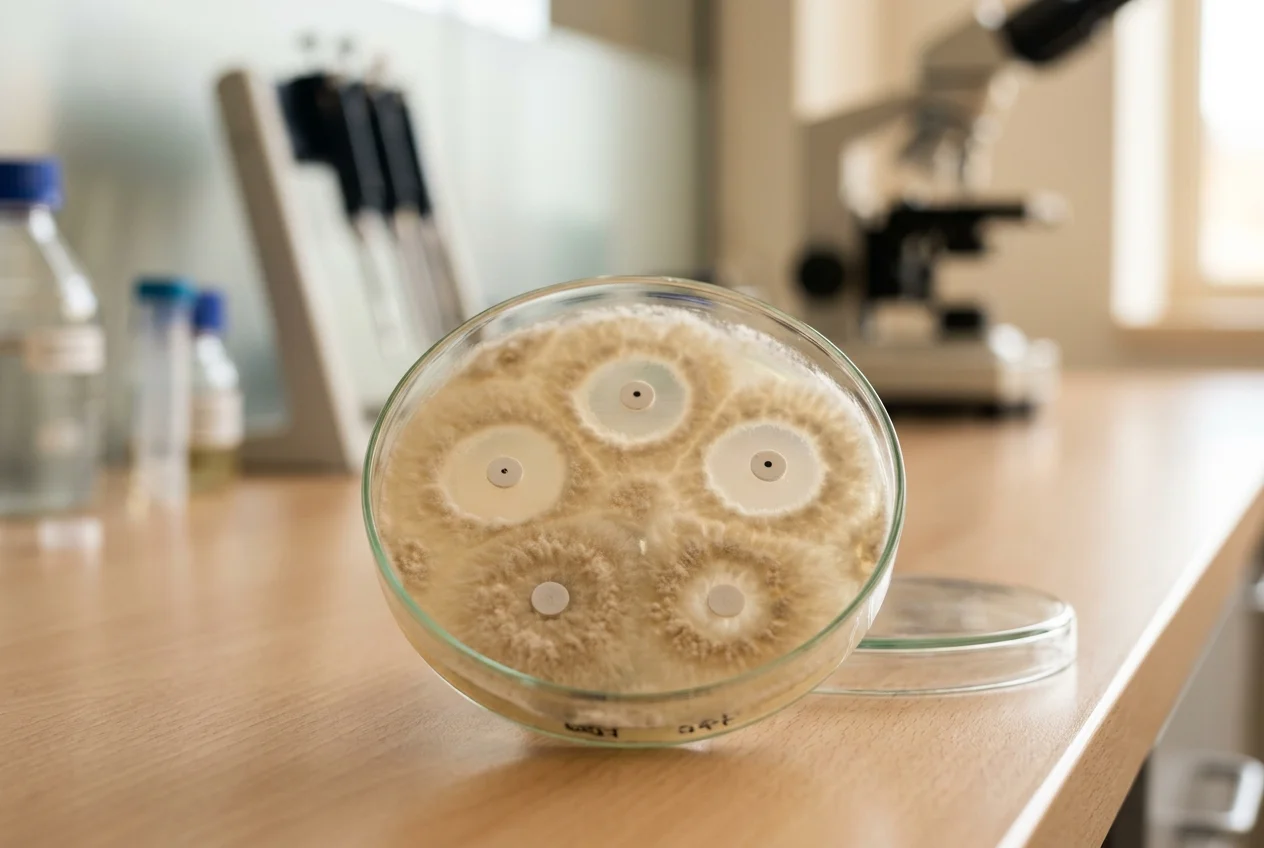

Onychomycosis is the most frequent fungal infection of the nails, especially of the feet. Learn how to recognise it, how the diagnosis is confirmed, what the most effective treatments are and how long it takes for a healthy nail to recover.
What is onychomycosis?
Onychomycosis is an infection of the nails caused by fungi, being the most frequent nail disease in adults. It can affect both the toenails and the fingernails, although around 90% of cases appear in the feet.
The infection usually begins at the free edge of the nail and, if left untreated, progresses slowly until it affects a significant part or even the whole nail. In addition to its aesthetic impact, it can cause pain, difficulty walking and favour bacterial infections, especially in people with diabetes or circulatory problems.
It is a very frequent disease, but it requires patience, since nails grow slowly and complete healing can take several months.
Why does it appear and how is it spread?
Most onychomycoses are caused by dermatophyte fungi, mainly Trichophyton rubrum and Trichophyton interdigitale. Less frequently, they can be produced by yeasts (Candida) or by non-dermatophyte moulds.
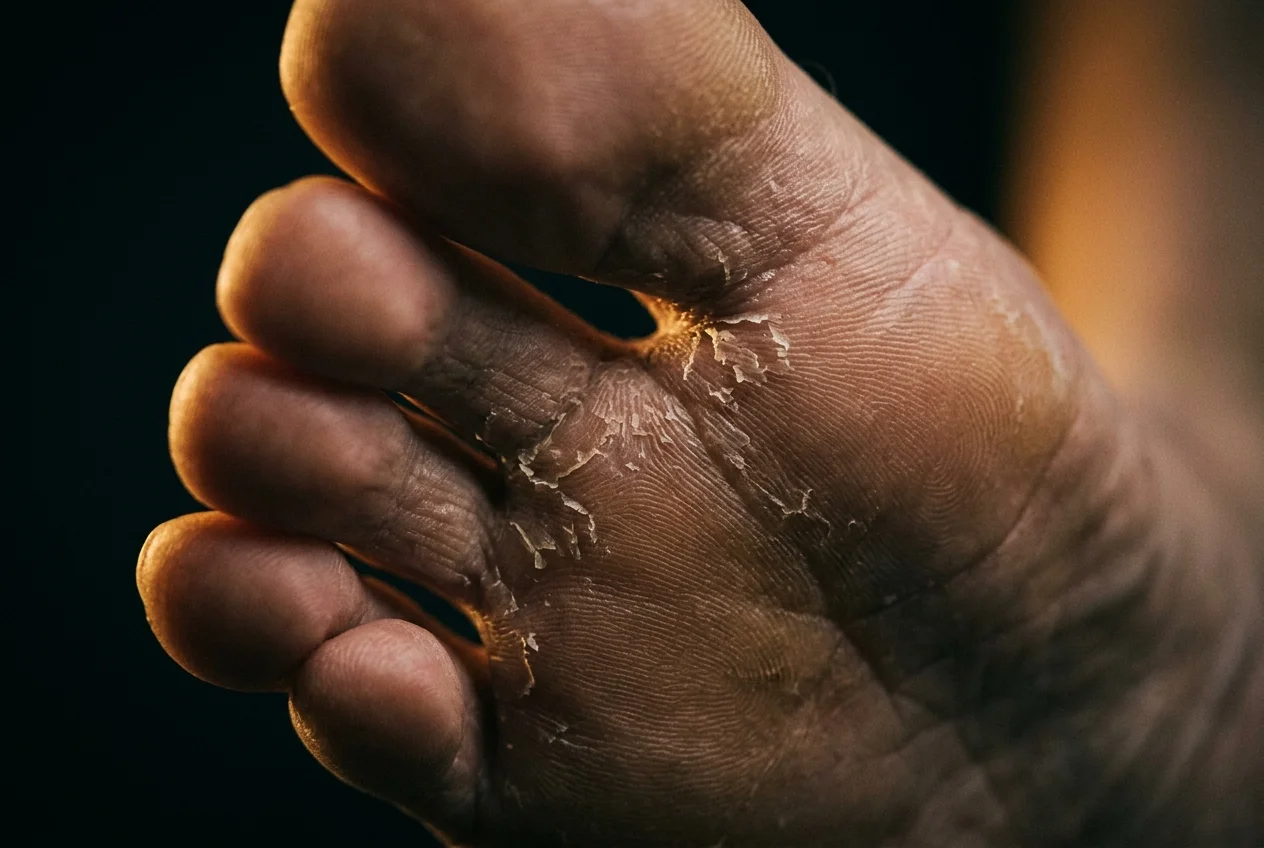
How is it spread? The infection can be acquired in public showers and changing rooms, pools and gyms, by contact with infected people, by sharing nail clippers, files or scissors, or from an existing athlete's foot. In fact, many people first develop ringworm of the feet (athlete's foot) and later the fungi invade the nails.
What factors increase the risk? Advanced age, athlete's foot, excessive sweating, closed footwear for many hours, repeated microtraumas (sport, running, hiking), diabetes, poor circulation, psoriasis, immunosuppression and family history.
What are the symptoms?
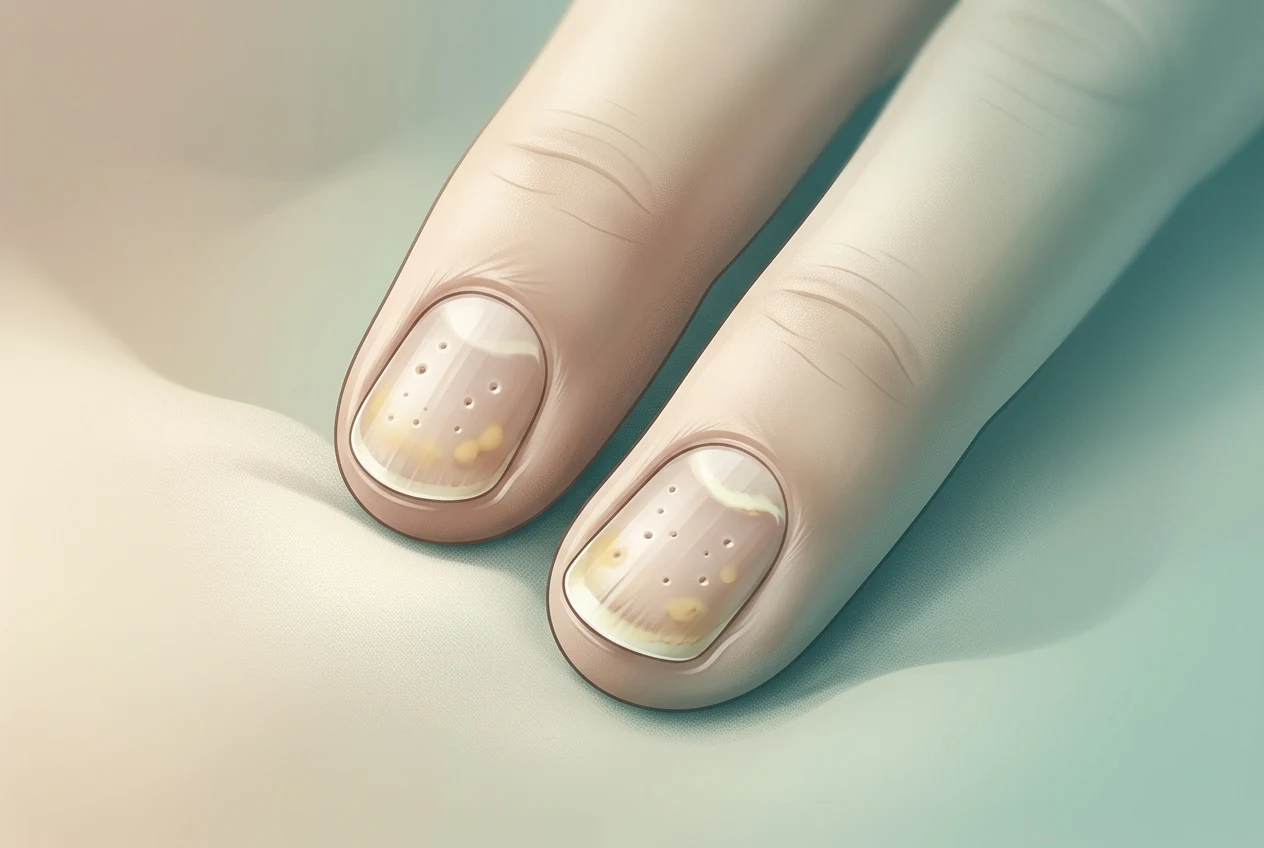
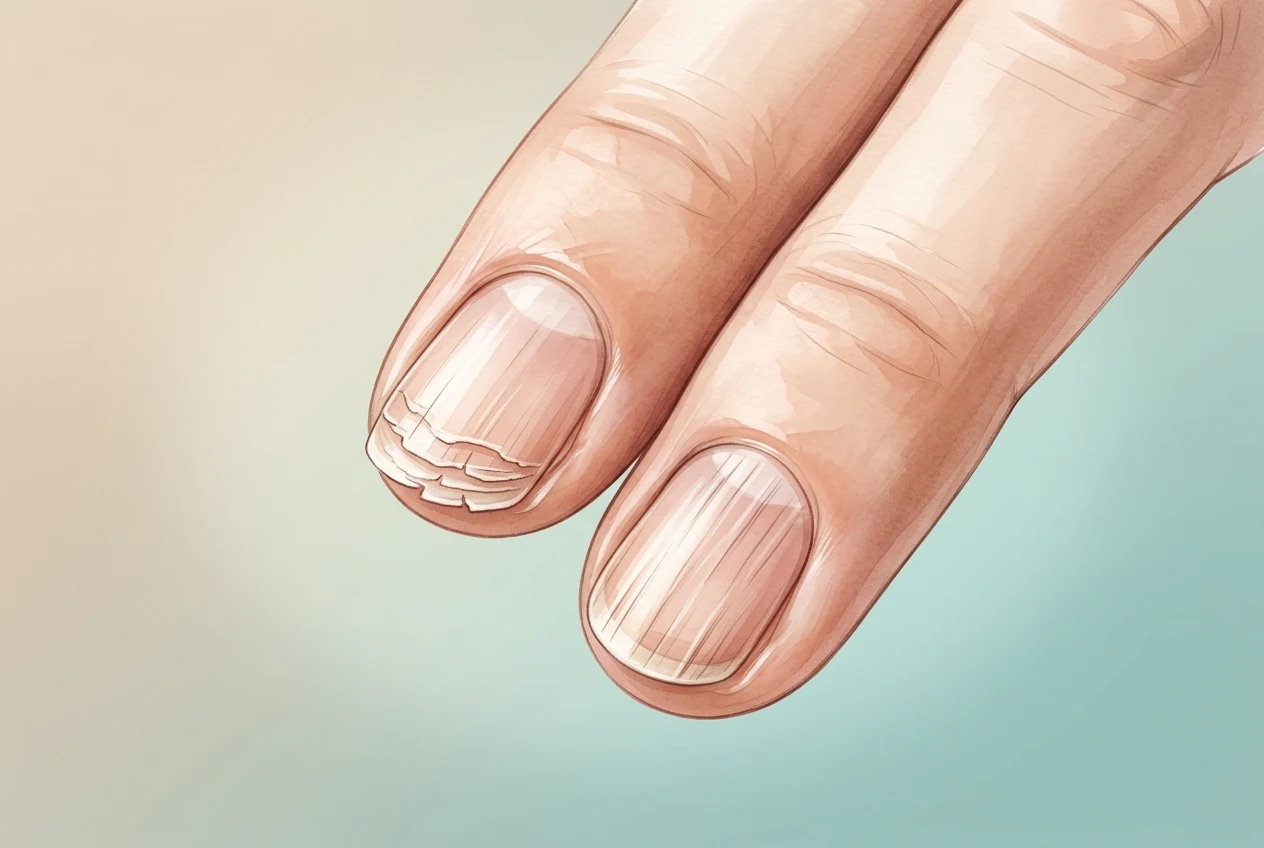
The changes appear slowly. The nail may present a change of colour (yellow, white, brown or grey), thickening, fragility, crumbling, detachment of the nail (onycholysis), accumulation of material under the nail, loss of shine and progressive deformity.
When the infection advances, pain when walking, difficulty cutting the nails and discomfort when wearing certain shoes may appear.
What types of onychomycosis exist?
Distal and lateral subungual onychomycosis. It is the most frequent form. It begins at the free edge of the nail and progresses slowly towards the root.
White superficial onychomycosis. It produces white spots on the surface of the nail.
Proximal onychomycosis. It begins near the cuticle. It is less frequent and can be observed in immunosuppressed people.
Total dystrophic onychomycosis. It represents the most advanced phase, with almost complete destruction of the nail.
How is it diagnosed?
Although the appearance of the nail can be very suggestive, not all yellow or thickened nails have fungi. Other diseases can look very similar, such as nail psoriasis, repeated traumas, lichen planus, nail ageing or eczema.
For this reason, whenever possible it is advisable to confirm the diagnosis before starting prolonged treatments. The most used tests are the microscopic examination with potassium hydroxide (KOH), the mycological culture and, in some specialised centres, PCR for fungi.
What treatments are available?
Treatment depends on the number of affected nails, the extent of the infection, the speed of progression and the general condition of the patient.
Topical antifungals. They are useful when only a small part of the nail is affected and the matrix (root) is not affected. The most used are amorolfine and ciclopirox in lacquer. They require applications over several months.
Oral antifungals. They are the most effective treatment when a large part of the nail is affected, several nails are diseased, there is matrix involvement or the topical treatment has not worked. The most used are terbinafine (first-choice treatment for most dermatophyte onychomycoses), itraconazole and fluconazole.
These treatments must be prescribed and monitored by a doctor. In some cases, blood tests may be required before or during treatment, especially if there is liver disease or other medications are being taken.
How long does it take to heal?
It is important to understand that the treatment eliminates the fungus, but the nail needs time to grow again, and its growth is slow.
Approximately, fingernails take 4 to 6 months to renew, and toenails 12 to 18 months, and even longer in some people. Therefore, a nail may continue to look bad for months even if the treatment has been effective.
What can you do day to day?
To favour healing and avoid relapses, keep the feet well dry and dry carefully between the toes, change socks every day, use breathable footwear and alternate shoes to allow them to dry completely. Do not share nail clippers or files, cut the nails straight and not excessively short, and also treat athlete's foot if it is present.
How to disinfect the footwear?
Many relapses occur because the shoes remain contaminated. It can help to alternate footwear, let the shoes dry completely, use antifungal sprays or powders when indicated, change very deteriorated insoles and keep the inside of the footwear dry.
Nail polish and manicure salons
Can you use nail polish? It depends on the treatment. When antifungal lacquers are used, it is usually advisable to avoid cosmetic polishes, as they can reduce their effectiveness. Always consult your doctor before using them.
What about manicure and pedicure salons? It is important to go to centres that correctly sterilise the material, use disinfected instruments and maintain adequate hygiene measures. If you bring your own personal material (nail clippers, files, etc.), you further reduce the risk of contagion.
When should you seek prompt medical advice?
You should consult if intense pain appears, if there is pus around the nail, if the nail detaches completely, if you have diabetes, if you have circulation problems, if you are immunosuppressed or if the treatment does not produce improvement.
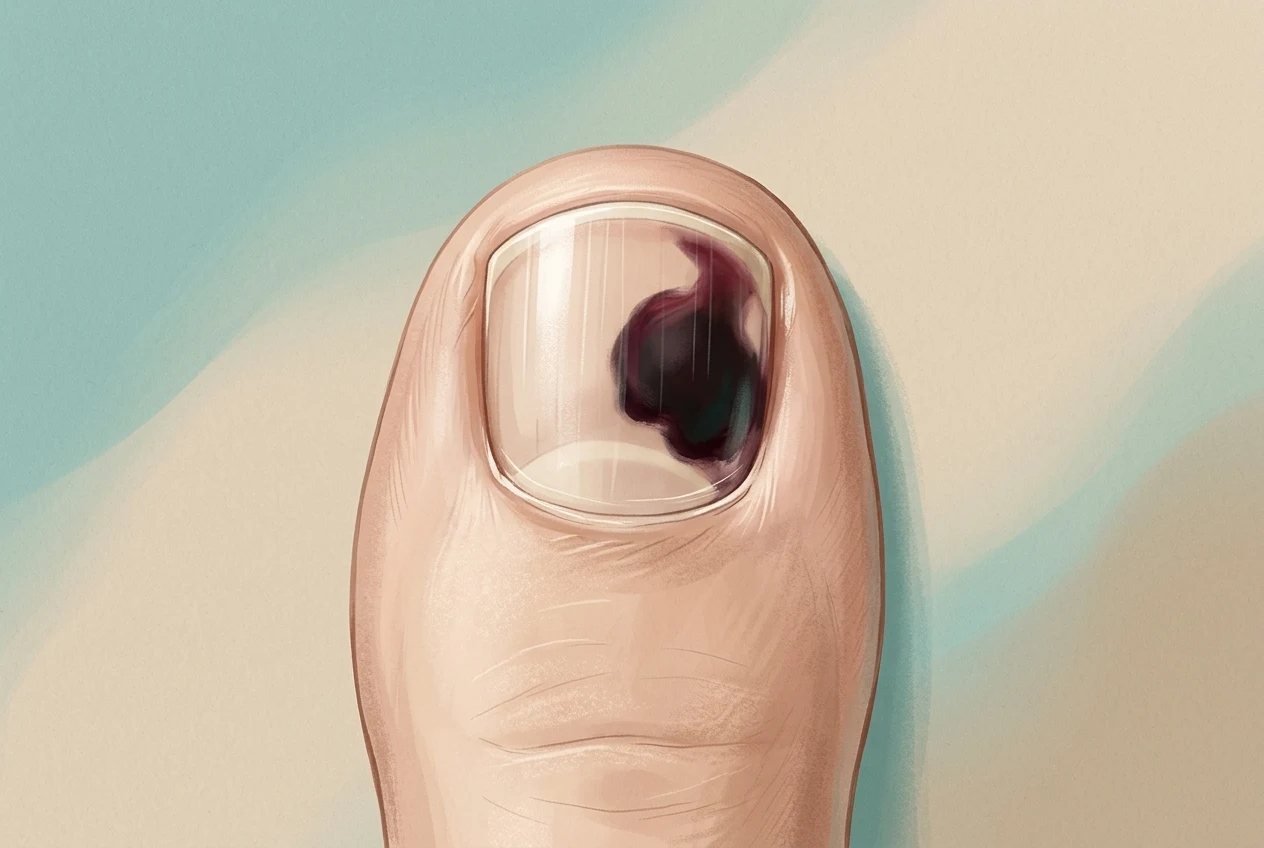
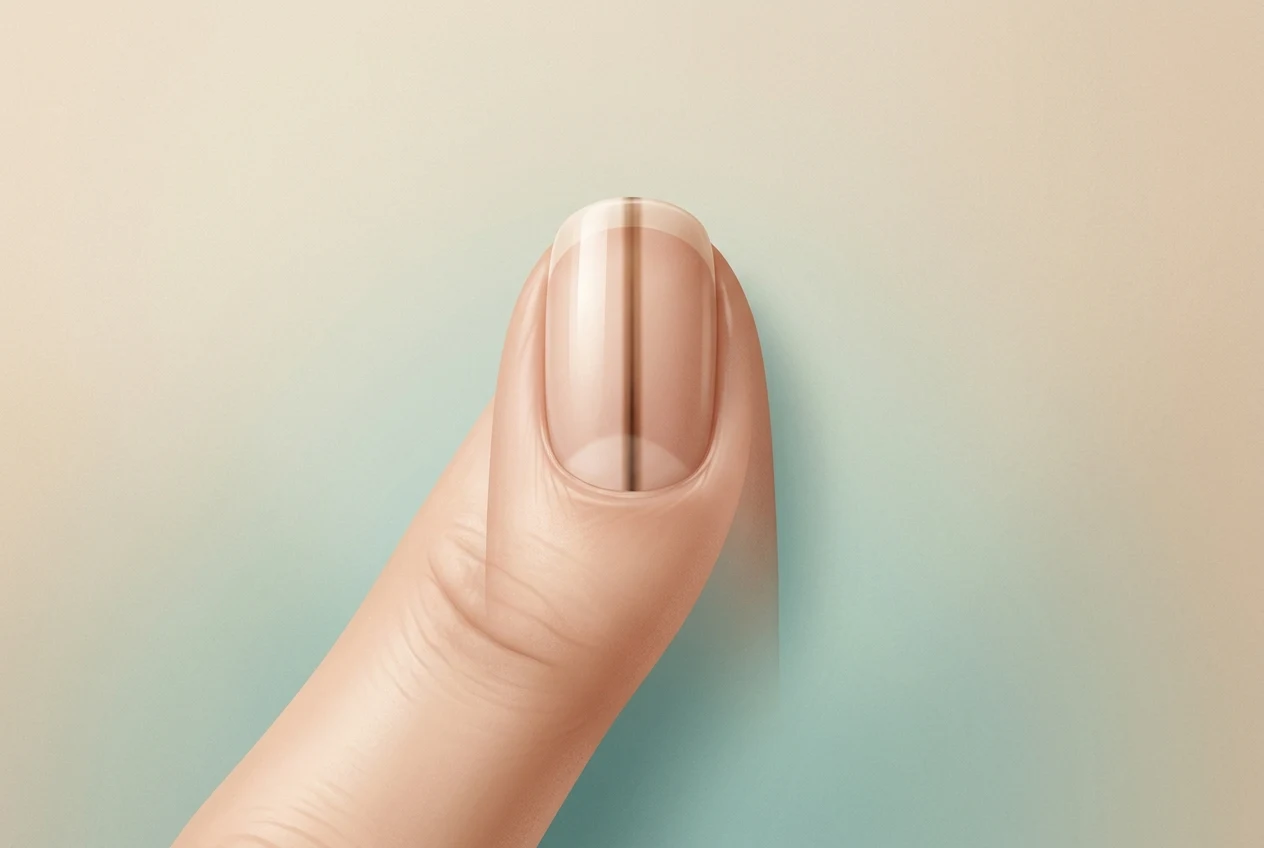
You should also consult if very dark or black changes appear on a single nail, as they may require ruling out other diseases, including a subungual melanoma.
Myths and facts
- Myth: Yellow spots are always fungi. Fact: No. Many diseases produce similar alterations.
- Myth: The treatment works in a few weeks. Fact: The elimination of the fungus can be quick, but the nail takes months to regenerate completely.
- Myth: When the nail improves I can stop the treatment. Fact: The regimen indicated by the doctor must always be completed.
- Myth: Home remedies with vinegar or lemon eliminate the fungi. Fact: There is not enough scientific evidence to show that they cure onychomycosis.
- Myth: If I only have one affected nail it is not worth treating it. Fact: Without treatment the infection usually spreads slowly to other nails or favours athlete's foot.
Antifungal resistance: when the treatment does not work
In recent years, an increase in the resistance of fungi to antifungals has been observed, a phenomenon that also affects some onychomycoses. When a nail does not improve despite a well-conducted treatment, one possible cause is that the responsible fungus is less sensitive to the medication used.
Resistance has mainly been described against terbinafine, linked to mutations in the gene of the enzyme squalene epoxidase (SQLE) of certain dermatophytes. The emergence of Trichophyton indotineae, a dermatophyte causing extensive, hard-to-treat infections, is also a concern.
For this reason, faced with an onychomycosis that does not respond, the doctor may request a culture or molecular tests to identify the fungus and, if necessary, change the antifungal or extend the regimen. You can read more in our scientific news article on antifungal resistance.
Device-based treatments: laser and other techniques
Besides topical and oral antifungals, there are device-based techniques proposed for onychomycosis, particularly lasers (often Nd:YAG type). They work by heating the nail to damage the fungus, without systemic effects.
They can be an option in people who cannot take oral antifungals (interactions, liver disease) or who prefer to avoid them. However, the available scientific evidence is still limited and results are variable, so they generally do not replace conventional antifungal treatments.
Other techniques, such as photodynamic therapy or partial nail removal in selected cases, can complement drug treatment. The indication must be assessed on a case-by-case basis.
Onychomycosis in special situations (diabetes, older adults, children)
Diabetes and circulation problems. In these people, onychomycosis is more frequent and can favour wounds, ulcers and bacterial foot infections. Foot care and early treatment are especially important.
Older adults. Nails grow more slowly, drug interactions are more numerous and healing is slower. Sometimes the aim is to control symptoms and avoid complications rather than to achieve a perfect nail.
Children. Onychomycosis is rare in childhood. When it occurs, nails grow faster and respond well, but treatment must always be adjusted to age and weight, under medical guidance.
When to combine oral and topical treatment?
In extensive onychomycoses, with matrix involvement or when a single treatment has not been enough, the doctor may choose to combine an oral antifungal with a topical antifungal lacquer. This strategy aims to attack the fungus from the inside and the outside, and can improve cure rates in difficult cases.
The choice of oral antifungal (terbinafine, itraconazole or fluconazole) depends on the type of fungus, other diseases and the medications the patient takes. You can see their differences in our comparison of oral antifungals.
The key points to remember
- Onychomycosis is the most frequent fungal infection of the nails.
- Not all yellow or thickened nails have fungi; the diagnosis should be confirmed whenever possible.
- Topical treatments are useful for mild forms; extensive forms usually require oral antifungals.
- Complete healing depends on the growth of a new nail and can take up to 12-18 months in the feet.
- Treating athlete's foot simultaneously and maintaining correct footwear hygiene reduces the risk of relapses.
- In case of pain, pus, diabetes or dark changes on a single nail, it is important to consult the doctor.
Frequently asked questions
Is it contagious?
Yes. It can be transmitted by contact with contaminated surfaces or through personal objects.
Can it be cured definitively?
Yes, although there is a risk of reinfection if the predisposing factors persist.
Can I paint my nails?
It will depend on the treatment you are using.
How long does a new nail take to grow?
Toenails usually take between 12 and 18 months to renew completely.
Do I need blood tests?
For some oral treatments they may be necessary.
Should I also treat athlete's foot?
Yes. It is one of the main causes of relapses.
Can I do sport?
Yes. It is recommended to keep the feet dry and use appropriate footwear.
Do lasers cure the fungi?
There are laser treatments for onychomycosis, but the available scientific evidence shows variable results. Currently they do not replace conventional antifungal treatments and their indication must be assessed individually.
Can it reappear?
Yes. Relapses are relatively frequent if the risk factors are not corrected.
Is there a cure?
Yes. With a correct diagnosis, appropriate treatment and good preventive measures, most patients manage to eliminate the infection.
Need personalised guidance?
This guide is for information only and does not replace a medical consultation. For an assessment tailored to your case, you may request a consultation.
Request a consultationTopics