Ringworm of the scalp (tinea capitis)
Fungal infection of the hair and scalp
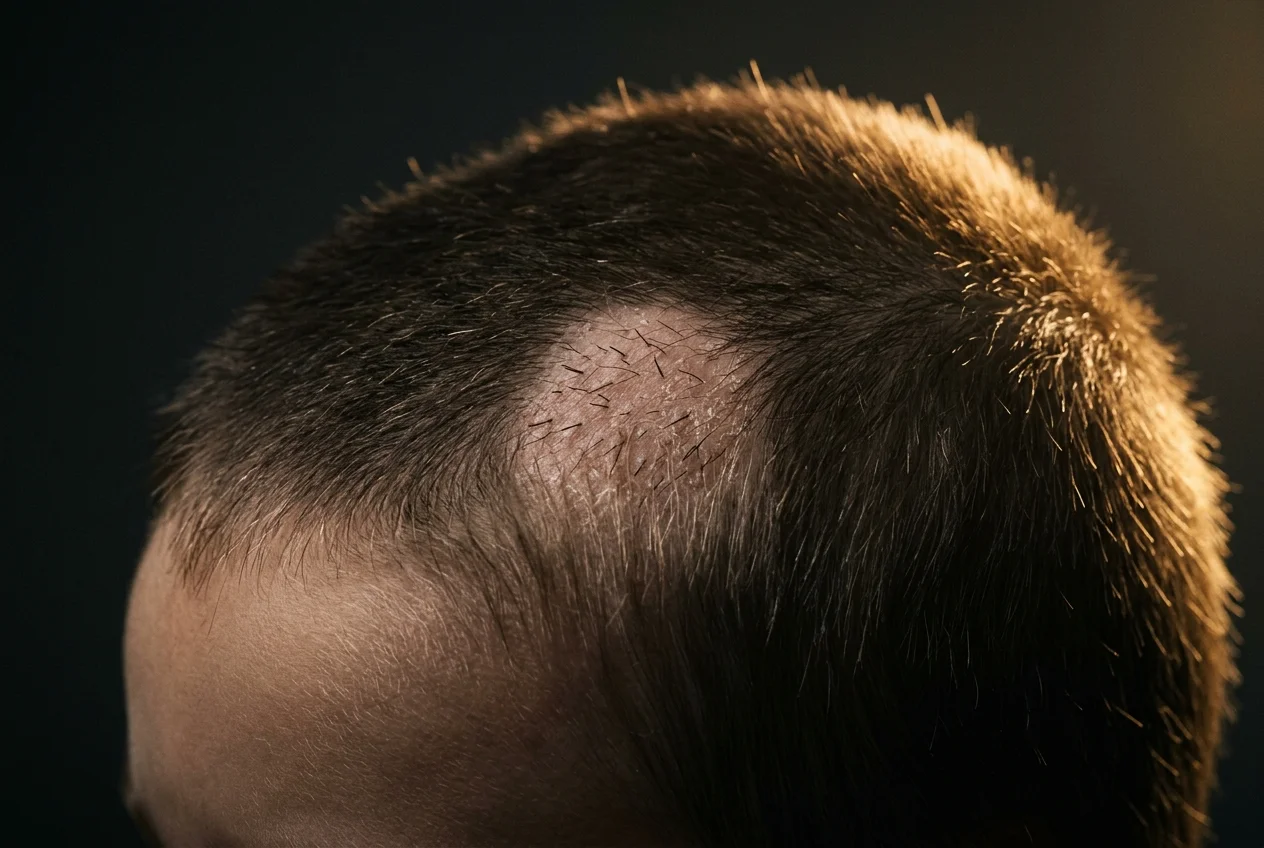
Ringworm of the scalp is a fungal infection that mainly affects children and can produce scaling and hair loss. Discover how it is spread, how it is diagnosed and what the most effective treatment is to achieve a complete cure.
What is ringworm of the scalp?
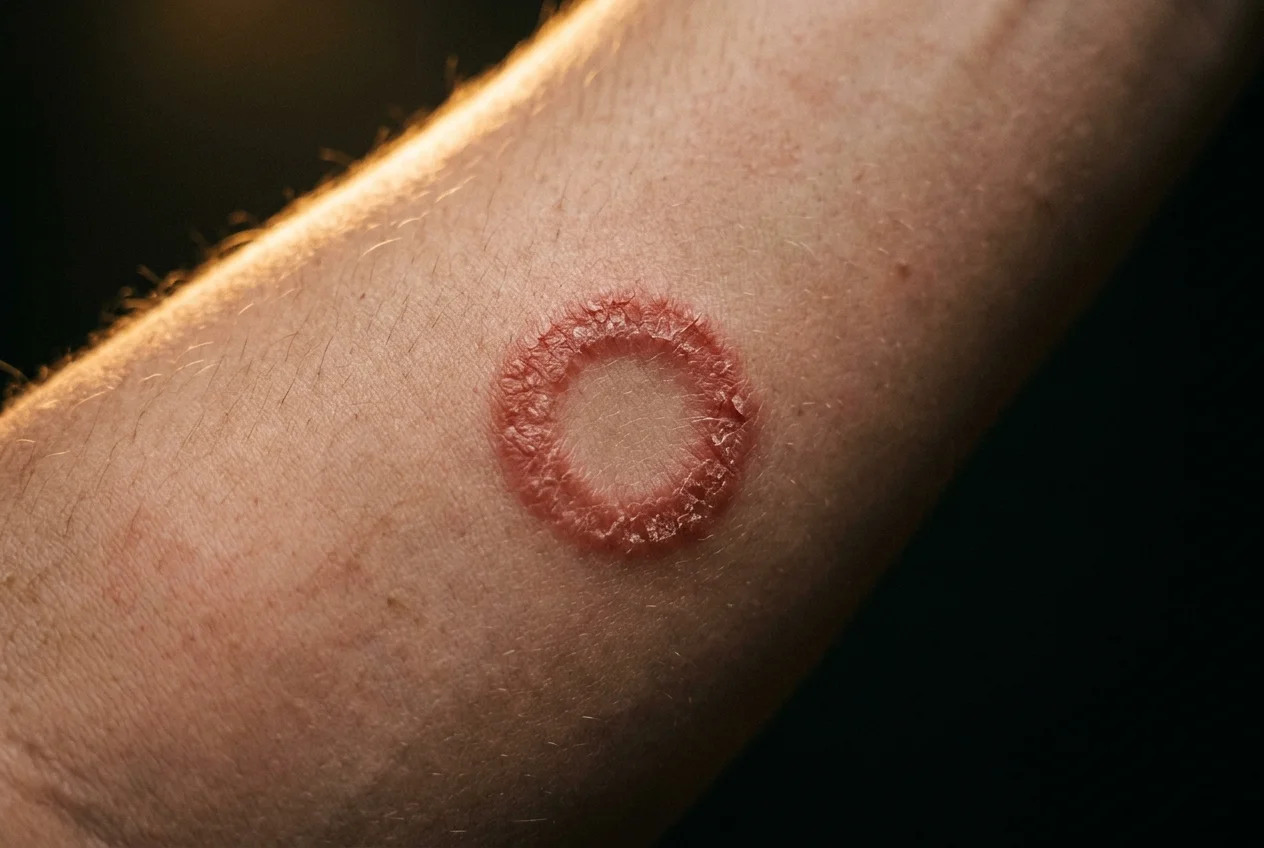
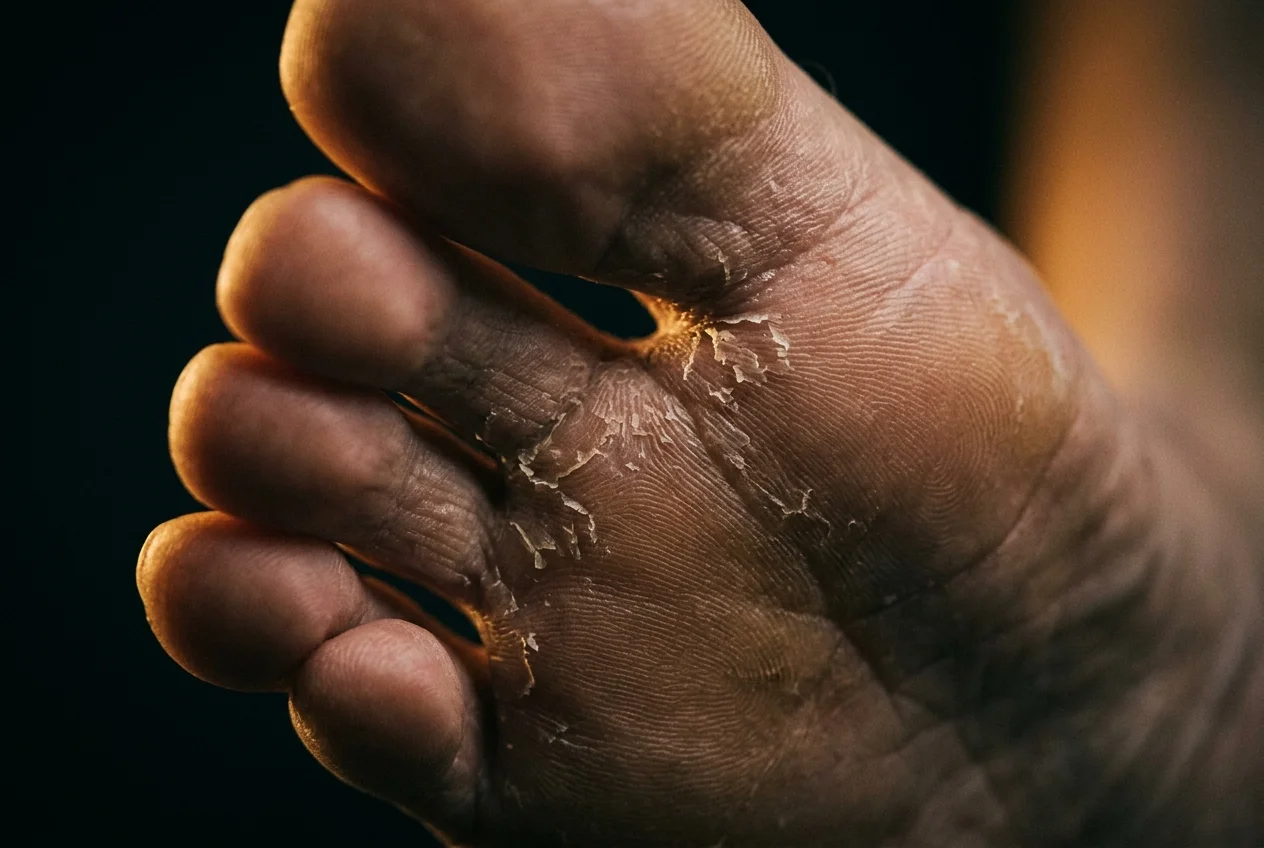
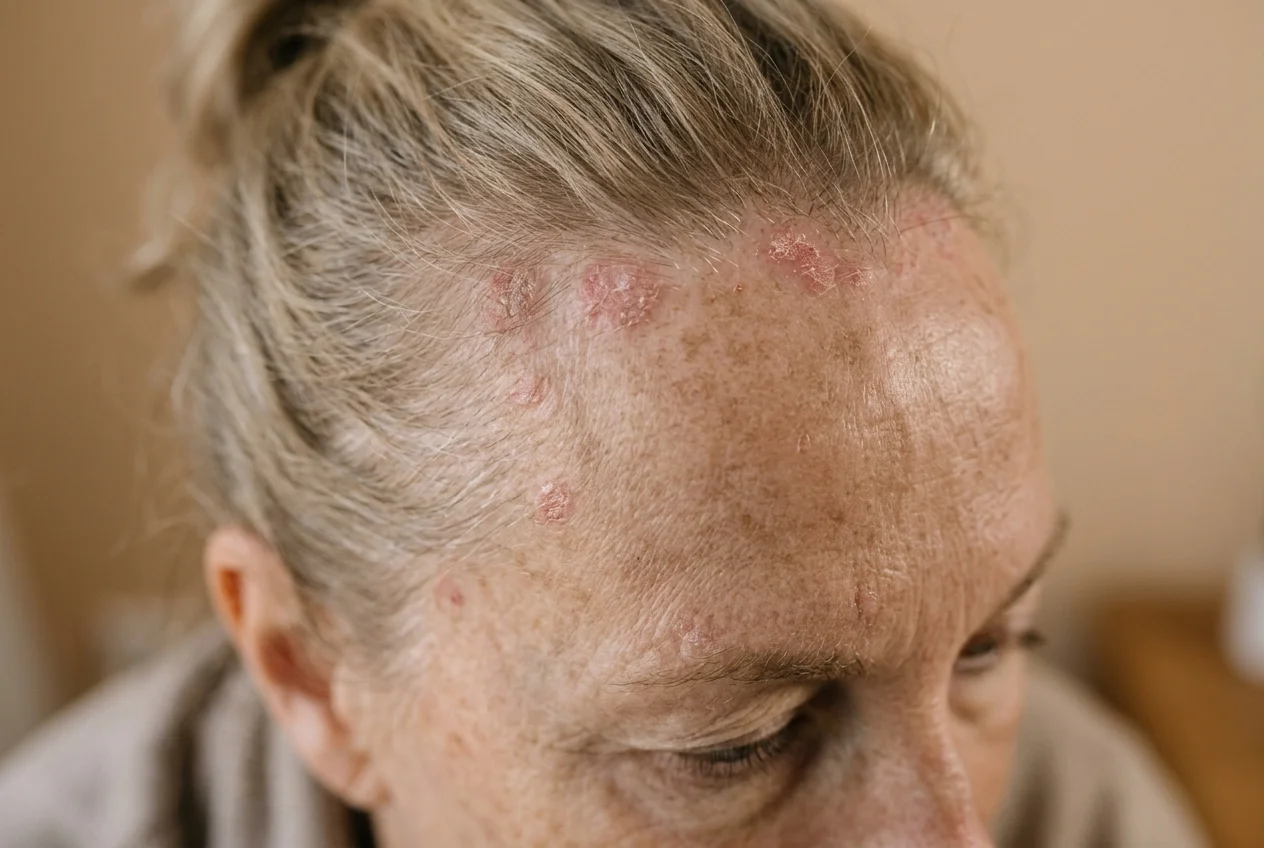
Ringworm of the scalp, also known as tinea capitis, is an infection by dermatophyte fungi that affects the scalp and hair. It is much more frequent in children than in adults and constitutes one of the most common causes of alopecia patches (hairless areas) during childhood.
Unlike ringworm of the body, in this location the fungi invade the hair shaft, so treatment always requires oral medication. Antifungal creams, on their own, are not enough. With appropriate treatment, the prognosis is usually excellent and the hair grows back in most cases.
Why does it appear?
The infection is caused by dermatophytes, mainly of the genera Microsporum and Trichophyton.
How is it spread? It can be transmitted by direct contact with an infected person, contact with infected animals (especially cats, dogs, rabbits or livestock), by sharing combs, brushes, caps, helmets or pillows and by contact with contaminated surfaces or objects.
Who is at greater risk? It is more frequent in children between 3 and 10 years old, siblings of an affected child, people who live with infected animals, schools and nurseries, and people with low defences.
What are the symptoms?
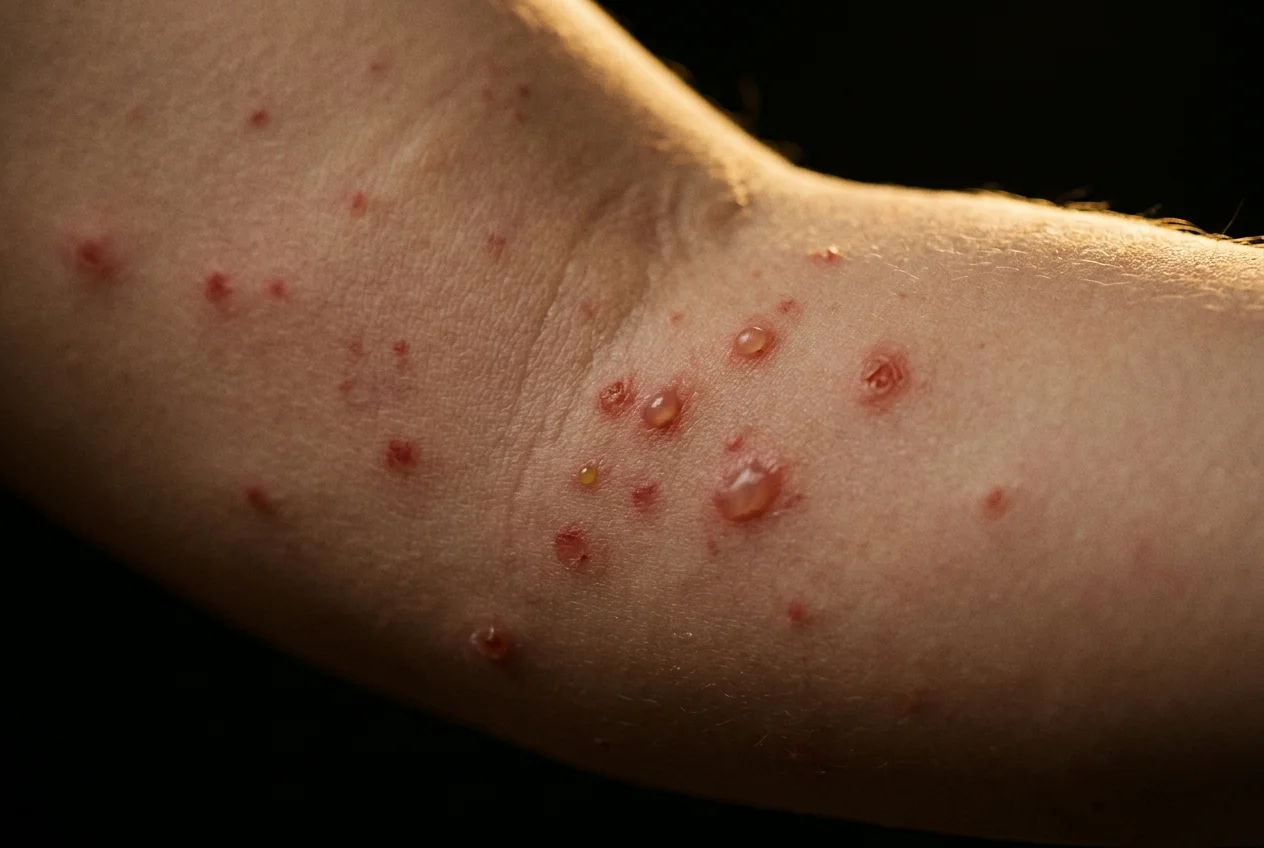
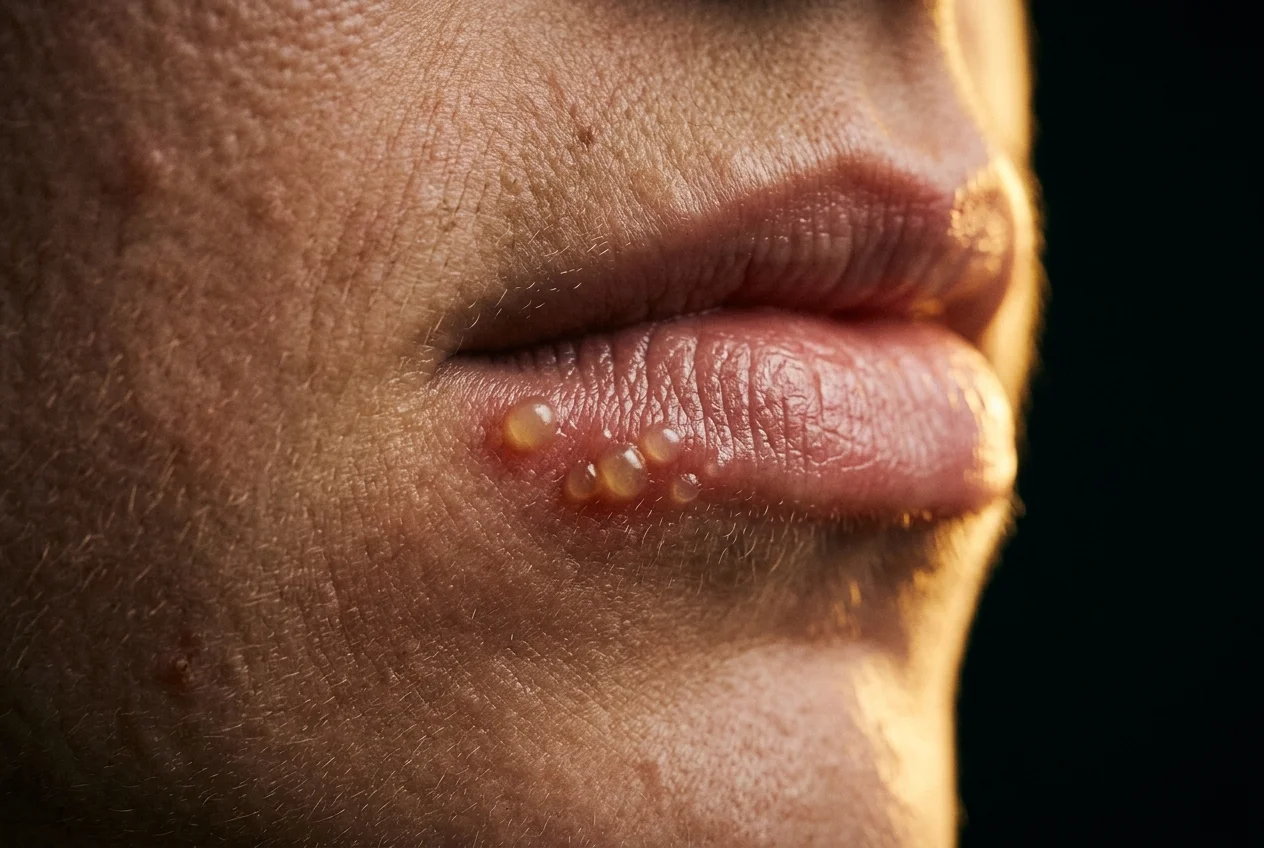
The form of presentation can vary. The most usual symptoms are rounded patches without hair, scaling of the scalp, hair broken very close to the skin («black dots»), itching and redness. In some patients crusts, pustules and swollen lymph nodes in the neck appear.
What is a kerion? It is an intense inflammatory form of ringworm of the scalp. It presents as a very inflamed, painful patch, with abundant pus and thick crusts. The kerion requires early treatment, since it can leave a permanent scarring alopecia if it is not treated correctly.
How is it diagnosed?
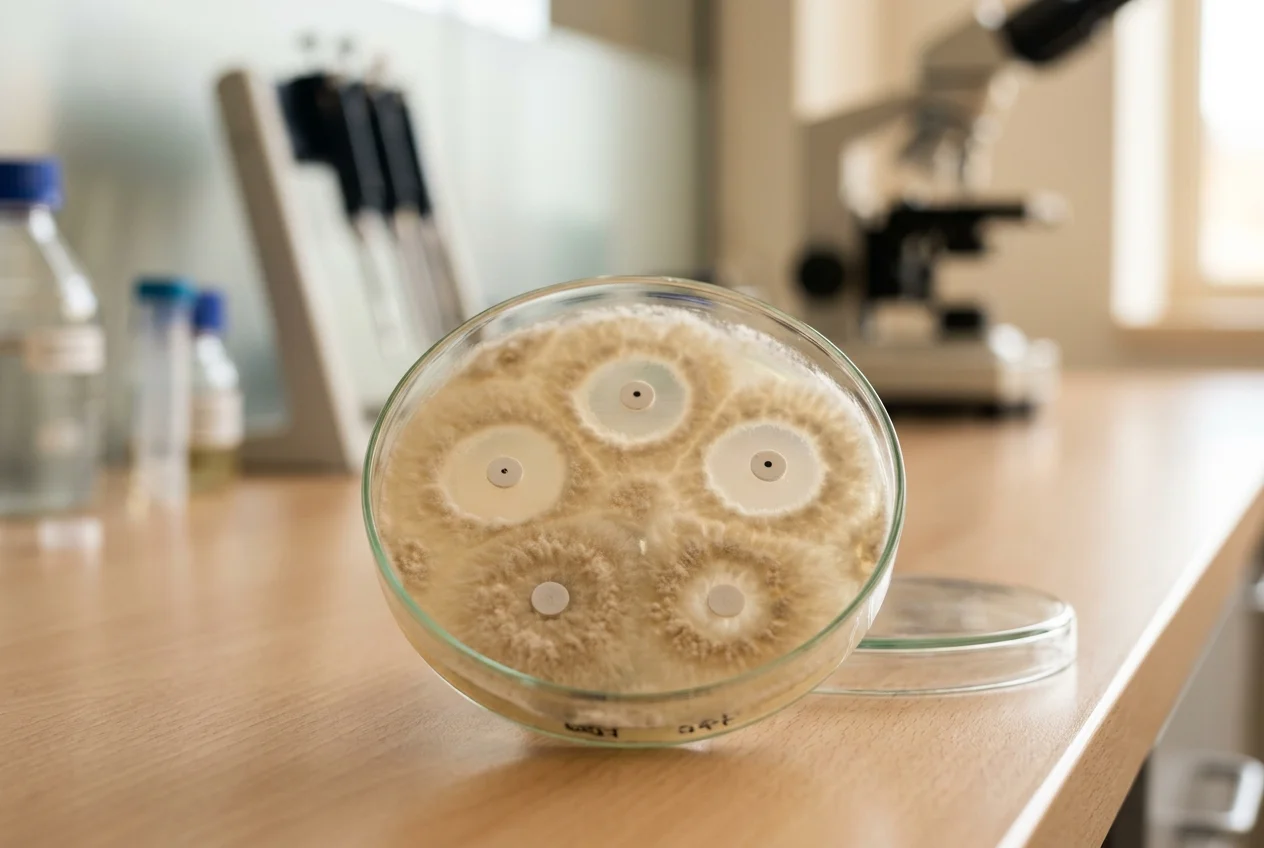
The doctor can perform a clinical examination, dermatoscopy, microscopic examination of the hair and a mycological culture. In some cases the Wood's lamp can also be used, since certain species of Microsporum emit a characteristic fluorescence.
The culture makes it possible to identify the responsible fungus and guide the treatment.
What treatments are available?
Oral antifungals. They are essential because the fungus is inside the hair. The most used medications are terbinafine, griseofulvin, itraconazole and fluconazole. The duration is usually 4 to 8 weeks, although it can vary depending on the responsible fungus and the clinical response.
Antifungal shampoos. Although they do not cure the infection on their own, they help to decrease the amount of fungi present in the hair and reduce the risk of contagion. The most used contain ketoconazole 2 % or selenium sulphide. It is usually recommended to use them two or three times a week during the first weeks of treatment.
What can you do day to day?
During treatment it is recommended not to share combs or brushes, not to share caps, helmets or pillows, to wash bedding and towels regularly, to maintain good scalp hygiene and to always complete the treatment even if the improvement is rapid.
If there is a pet with hairless areas or skin lesions, it must be assessed by a veterinarian.
What to do with the family?
Cohabitants must be checked. There are sometimes asymptomatic carriers, especially among siblings.
The doctor can recommend a clinical examination, temporary use of antifungal shampoo in cohabitants and a microbiological study in situations of family outbreaks.
Can you return to school?
Yes. Generally you can attend school once the oral antifungal treatment has been correctly started, following the recommendations of the doctor and the school. A prolonged isolation is usually not necessary.
When should you seek prompt medical advice?
You should consult as soon as possible if a very inflamed and painful patch appears, if pus comes out, if you have fever, if the alopecia increases rapidly, if it does not improve after several weeks of treatment or if there are multiple affected family members.
Myths and facts
- Myth: Ringworm of the scalp is cured with a cream. Fact: No. An oral antifungal treatment is necessary.
- Myth: The hair has to be completely shaved. Fact: It is usually not necessary.
- Myth: It only appears in people with poor hygiene. Fact: No. It can affect any child.
- Myth: When the scaling disappears it is already cured. Fact: It is important to complete all the indicated treatment.
- Myth: Pets never transmit the infection. Fact: Some animals can be the source of the contagion.
The key points to remember
- Ringworm of the scalp is a fungal infection that affects the hair and scalp.
- It is much more frequent in children.
- It produces scaling, alopecia patches and broken hairs.
- Treatment always requires oral antifungals.
- Antifungal shampoos help to decrease contagion, but do not cure the infection on their own.
- Checking cohabitants and assessing pets can be fundamental to avoid new infections.
Frequently asked questions
Is it contagious?
Yes. It can be transmitted between people and from some animals.
Why does it cause hair loss?
Because the fungus invades the hair shaft and weakens it until it breaks.
Will the hair grow back?
In most cases yes, provided that the treatment is early and there is no very intense inflammation.
Are creams useful?
Not as a sole treatment.
How long does the treatment last?
Generally between four and eight weeks.
Should the siblings be checked?
Yes, especially if they present scaling or itching.
Can it reappear?
Yes. A new infection is possible after new contagion.
Should I change the comb?
It is advisable to clean and disinfect it or replace it at the start of treatment.
Do antifungal shampoos cure the disease?
No. They are a complement to decrease transmission.
Is there a cure?
Yes. With appropriate treatment the vast majority of patients are completely cured.
Need personalised guidance?
This guide is for information only and does not replace a medical consultation. For an assessment tailored to your case, you may request a consultation.
Request a consultationTopics