Everything about hair loss: causes, diagnosis, treatments and how to recover hair health
Complete medical guide to hair health
Hair loss can have multiple causes, from androgenetic alopecia to nutritional deficits or stress. An early diagnosis through clinical examination, trichoscopy and complementary tests makes it possible to establish personalised treatments to preserve the hair and improve the quality of life.
Hair loss is a symptom, not a diagnosis
Losing some hairs every day is completely normal.
However, when the loss increases in a striking way, the hair loses density or areas of thinning appear, it is important to identify the cause.
Hair loss can deeply affect self-esteem, body image and quality of life. For many people, the hair is part of their identity and of the way in which they perceive themselves.
The good news is that many forms of alopecia can be treated and, in some cases, reversed if they are diagnosed early.
Is it normal to lose hair?
Yes.
Each hair follows a biological cycle formed by three phases:
- Anagen phase: growth, which can last between 2 and 7 years.
- Catagen phase: transition, of a few weeks.
- Telogen phase: rest and shedding.
Every day it is normal to lose approximately between 50 and 100 hairs.
The problem appears when the loss exceeds the capacity of the follicle to produce new hairs.
Why does hair fall out?
The causes are very varied. Among the most frequent are:
- Androgenetic alopecia.
- Telogen effluvium.
- Alopecia areata.
- Nutritional deficits.
- Thyroid diseases.
- Physical or emotional stress.
- Pregnancy and postpartum.
- Menopause.
- Some medications.
- Inflammatory diseases of the scalp.
That is why it must never be assumed that "all loss is normal" without an adequate assessment.
Androgenetic alopecia
It is the most frequent cause of hair loss both in men and in women.
It is produced by the combination of:
- A genetic predisposition.
- A sensitivity of the follicle to androgens.
It is important to understand that there are not always elevated levels of hormones. In many people the problem is that the follicle responds in an exaggerated way to normal concentrations of androgens.
Telogen effluvium
It is a diffuse loss that usually appears between two and four months after a triggering event.
The most frequent causes are:
- Intense stress.
- Surgery.
- Infections.
- Fever.
- Significant weight loss.
- Nutritional deficits.
- Childbirth.
- Some medications.
In many cases the hair grows back once the cause is corrected.
Alopecia areata
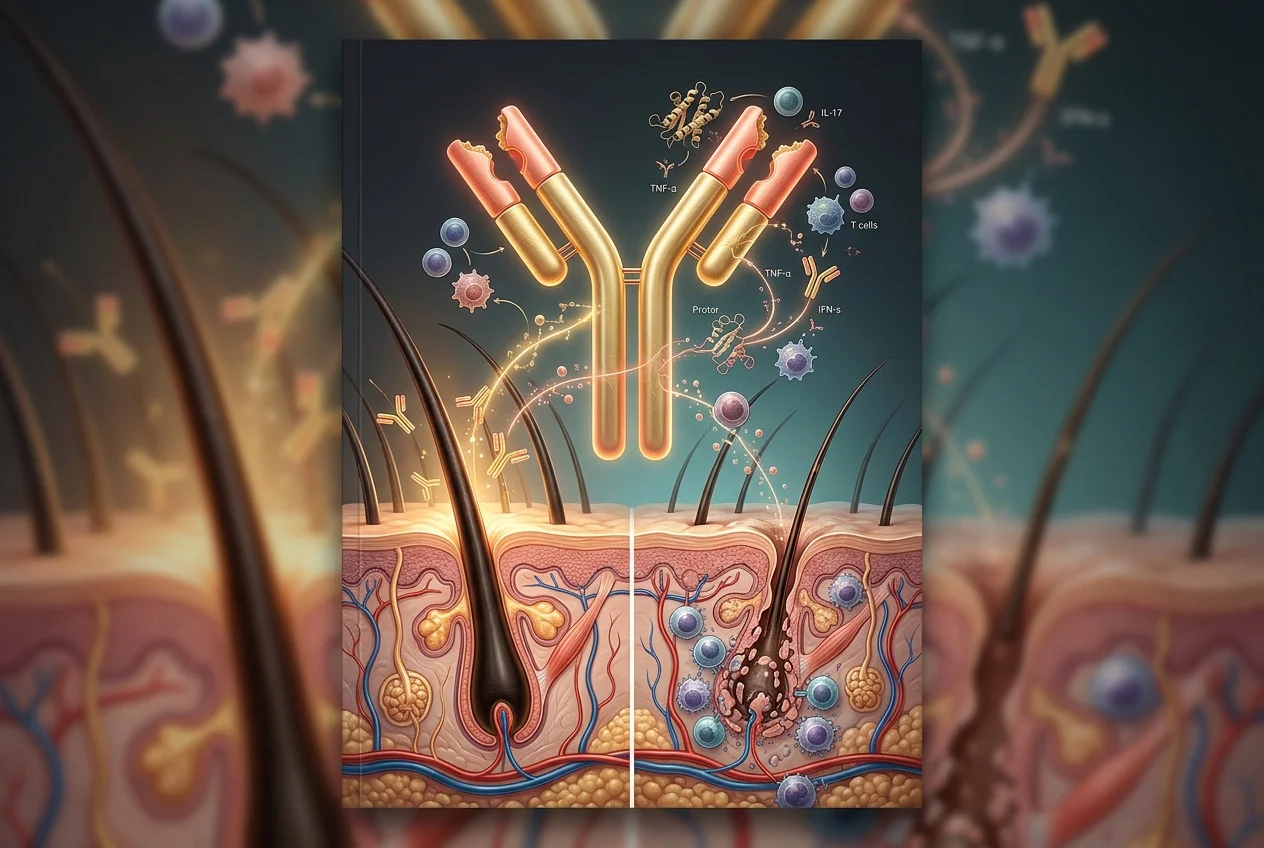
It is an autoimmune disease in which the immune system temporarily attacks the hair follicle.
It is characterised by:
- Rounded patches without hair.
- A relatively abrupt onset.
- A possibility of recovery.
There are currently effective treatments for many patients.
Do women also suffer from alopecia?
Yes.
In fact, female alopecia is much more frequent than people think. The most usual causes include:
- Female androgenetic alopecia.
- Iron deficiency.
- Hormonal alterations.
- Menopause.
- Telogen effluvium.
- Thyroid diseases.
A progressive loss of density in the central parting of the hair deserves a medical assessment.
Which tests may be necessary?
The diagnosis begins with a detailed clinical history and an examination of the scalp.
According to each case, the following may be requested:
- A blood test.
- Ferritin.
- Vitamin D.
- Vitamin B12.
- Zinc.
- Thyroid function.
- A hormonal profile in selected women.
Trichoscopy (dermatoscopy of the scalp) makes it possible to study the state of the follicles in a non-invasive way and constitutes a fundamental tool in the specialised consultation.
Which treatments exist?
The treatment always depends on the cause. It may include:
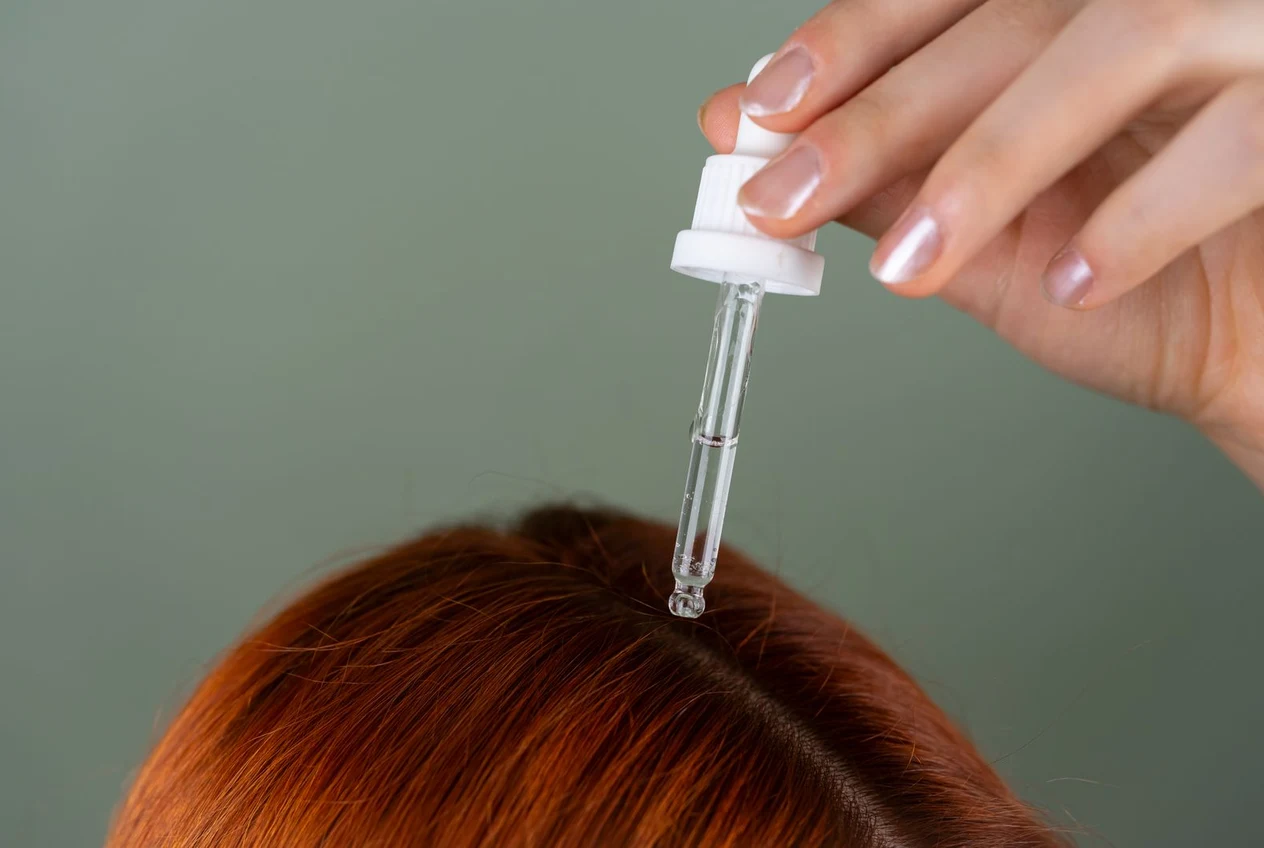
Topical treatments:
- Minoxidil.
- Anti-inflammatories when they are indicated.
- Personalised compounded formulas.
Oral treatments. According to the diagnosis, the following may be used:
- Low-dose oral minoxidil in selected patients.
- Finasteride.
- Dutasteride.
- Spironolactone in women with an indication.
- Supplementation when there is a demonstrated deficit.
All these treatments require an individual medical assessment.
And regenerative therapies?
In certain patients, treatments aimed at stimulating the activity of the follicle may be considered, such as:
- Platelet-rich plasma (PRP).
- Polynucleotides.
- Other regenerative medicine strategies with growing evidence.
They do not replace the medical treatment of the cause, but can complement it when they are indicated.
Is a hair transplant always the solution?
No.
The transplant is an excellent option in correctly selected patients.
However:
- It does not stop the progression of the alopecia.
- It does not replace the medical treatment.
- It requires good planning.
On many occasions the disease must first be stabilised before considering surgery.
Diet and hair
A balanced diet is fundamental for hair health.
Deficits of:
- Iron.
- Proteins.
- Zinc.
- Vitamin D.
- Vitamin B12.
can contribute to hair loss in some people.
Taking supplements without presenting a demonstrated deficit rarely provides benefits.
Stress and hair loss
Stress does not usually produce androgenetic alopecia, but it can trigger a telogen effluvium or worsen preexisting diseases.
Therefore, controlling stress is part of the global treatment.
When should I consult?
It is advisable to see a specialist when:
- The loss lasts more than two or three months.
- Areas without hair appear.
- The density clearly decreases.
- There is itching, pain or inflammation.
- There is a family history of significant alopecia.
- The loss begins abruptly.
The sooner the cause is identified, the greater the chances of preserving the hair.
Frequent mistakes
- Waiting too long before consulting.
- Constantly changing shampoo looking for a solution.
- Taking supplements without indication.
- Abandoning the treatment after a few months.
- Trusting "miracle" products without scientific evidence.
Myths and facts
- Myth: Washing the hair every day produces alopecia. Fact: No. Washing does not cause hair loss.
- Myth: Wearing a cap makes the hair fall out. Fact: There is no scientific evidence that demonstrates it.
- Myth: If my father is bald, I will be too. Fact: Genetics has an influence, but does not completely determine the evolution.
- Myth: Supplements make the hair grow. Fact: They are only useful when they correct a real deficit.
- Myth: If I wait a few months, it will grow back. Fact: Some forms of alopecia progress and the sooner they are treated, the better the results they offer.
The essential points to remember
- Hair loss is a symptom and its cause must always be sought.
- Androgenetic alopecia is the most frequent form, but there are many other treatable causes.
- An early diagnosis increases the chances of preserving the hair.
- The treatment must be adapted to each patient and can combine medical and regenerative therapies.
- Supplements are only useful when there is a demonstrated deficit.
- Avoid miracle treatments and consult a professional with experience in hair health.
Frequently asked questions
How many hairs is it normal to lose per day?
Approximately between 50 and 100.
Does seasonal loss exist?
Yes. Some people present a transient increase in loss, especially in autumn, although it is usually limited.
Can stress make hair fall out?
Yes, especially through a telogen effluvium.
Can women have androgenetic alopecia?
Yes. It is a very frequent cause of loss of hair density.
Does vitamin D have an influence?
A deficit can contribute in some patients, but it does not explain all cases.
Can shampoo stop alopecia?
Shampoos help with the care of the scalp, but on their own they do not usually stop the main forms of alopecia.
Does PRP work?
It can be useful as a complementary treatment in selected patients.
When should I start the treatment?
As soon as possible after establishing the diagnosis.
Does alopecia have a cure?
It depends on the cause. Some are reversible and others can be controlled effectively, although not cured definitively.
What is the most important thing?
Obtaining a precise diagnosis before starting any treatment.
Need personalised guidance?
This guide is for information only and does not replace a medical consultation. For an assessment tailored to your case, you may request a consultation.
Request a consultationTopics