When to see a skin health specialist? The signs you should not ignore
Warning signs and check-ups
Knowing when to consult a skin health specialist allows the early diagnosis of skin diseases, a better treatment of frequent conditions such as acne or rosacea and the timely detection of lesions compatible with skin cancer. Prevention and periodic check-ups are fundamental to maintain healthy skin.
Most skin diseases can be treated better when they are diagnosed in time
The skin is the largest organ of the body and reflects both diseases of the skin itself and internal problems of the organism.
Many skin lesions are completely benign and do not require urgent treatment. However, others may need an early medical assessment to avoid complications or to obtain a simpler and more effective treatment.
Knowing when to consult does not mean becoming alarmed, but acting responsibly.
What does a skin health specialist do?
The skin health specialist is the doctor specialised in the diagnosis, treatment and prevention of the diseases of the skin, the hair, the nails and the mucous membranes.
In addition, they participate in the prevention of skin cancer, the treatment of skin ageing and numerous medical and surgical procedures.
Changes in a mole
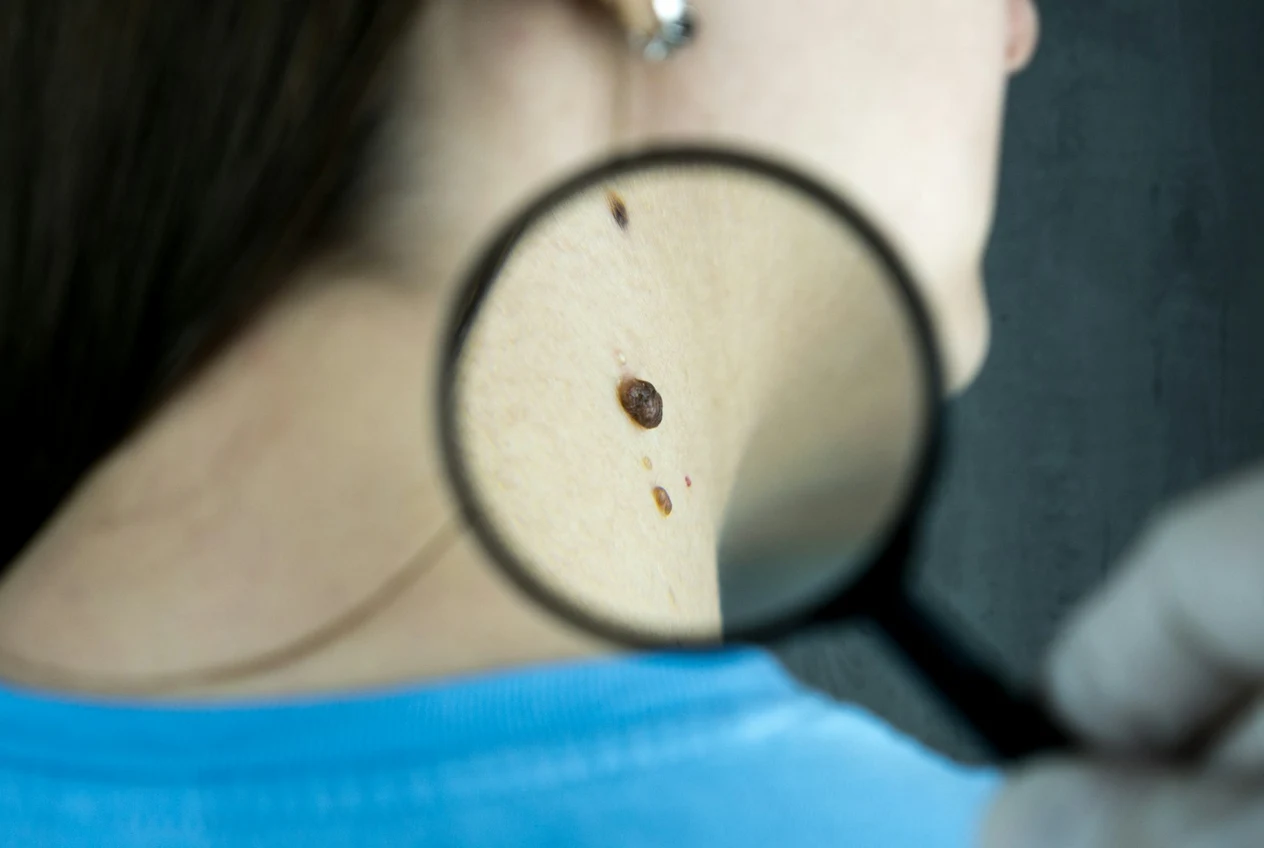
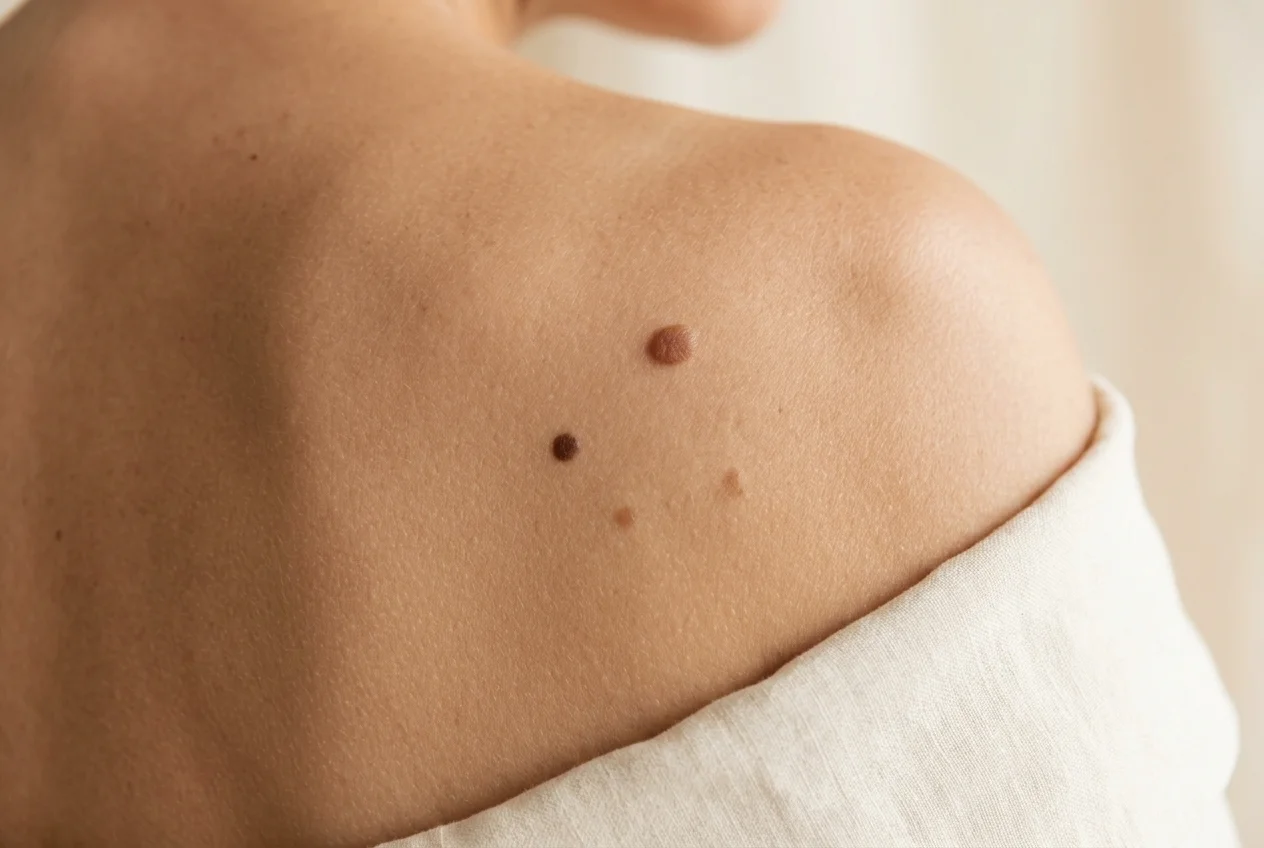
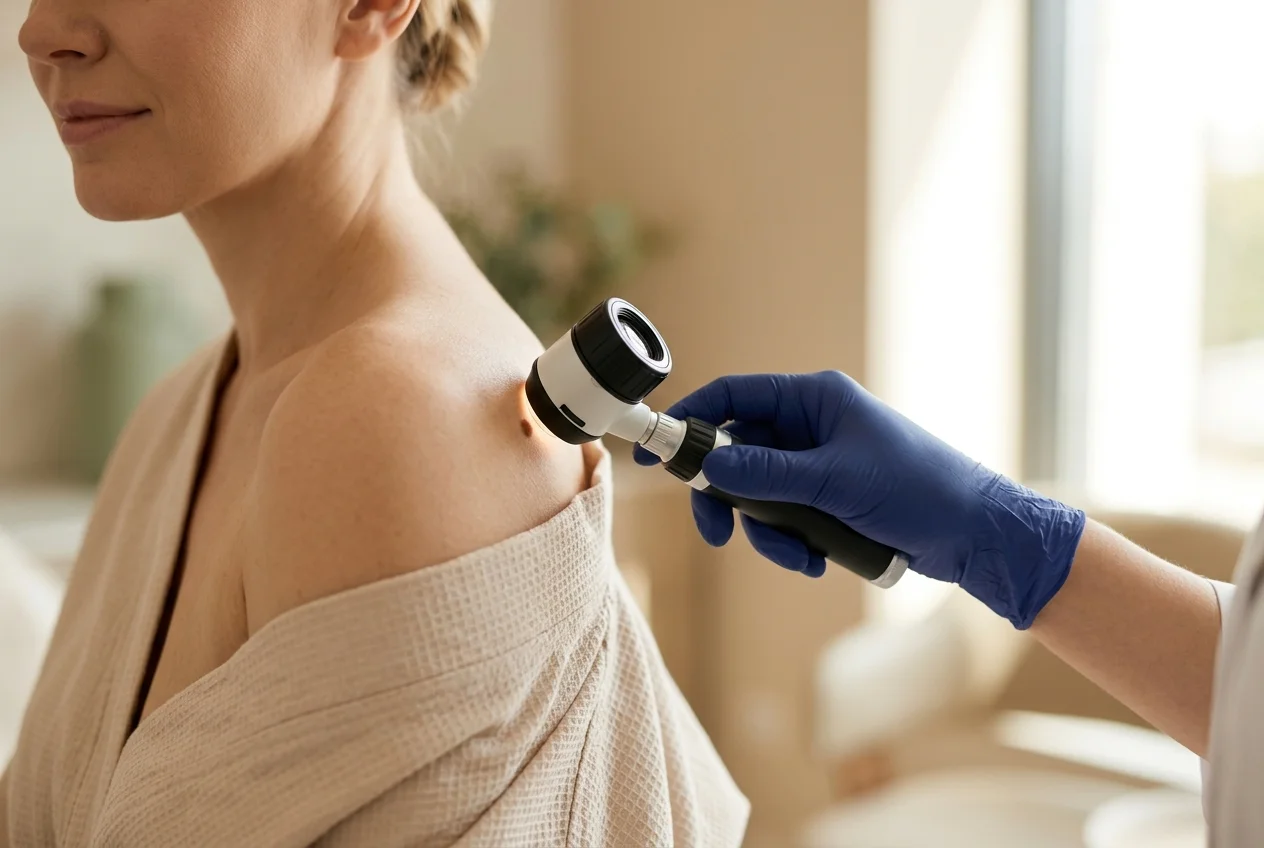
One of the most important reasons to request a medical assessment is to observe changes in a mole.
You should consult if you notice:
- Rapid growth.
- Change of colour.
- Irregular borders.
- Asymmetry.
- The appearance of several colours.
- Spontaneous bleeding.
- Persistent itching.
- The repeated formation of crusts.
Most moles are not dangerous, but some melanomas can begin in this way.
A wound that does not heal
If a lesion remains open for several weeks or reappears continuously in the same place, it must be evaluated.
It may be a benign lesion, but it may also correspond to a non-melanoma skin cancer.
Early diagnosis facilitates less aggressive treatments with better results.
Spots that change
New spots or those that modify their appearance deserve a medical assessment, especially when they:
- Grow rapidly.
- Present several colours.
- Bleed.
- Ulcerate.
- Change shape.
Not all spots are dangerous, but they must not be diagnosed only through photographs or information obtained on the Internet.
Acne that leaves scars
Acne is not always an aesthetic problem.
When the following appear:
- Nodules.
- Cysts.
- Pain.
- Scars.
- Lack of response to the usual treatments.
it is advisable to consult as soon as possible.
Treating acne early reduces the risk of permanent scars.
Persistent rosacea
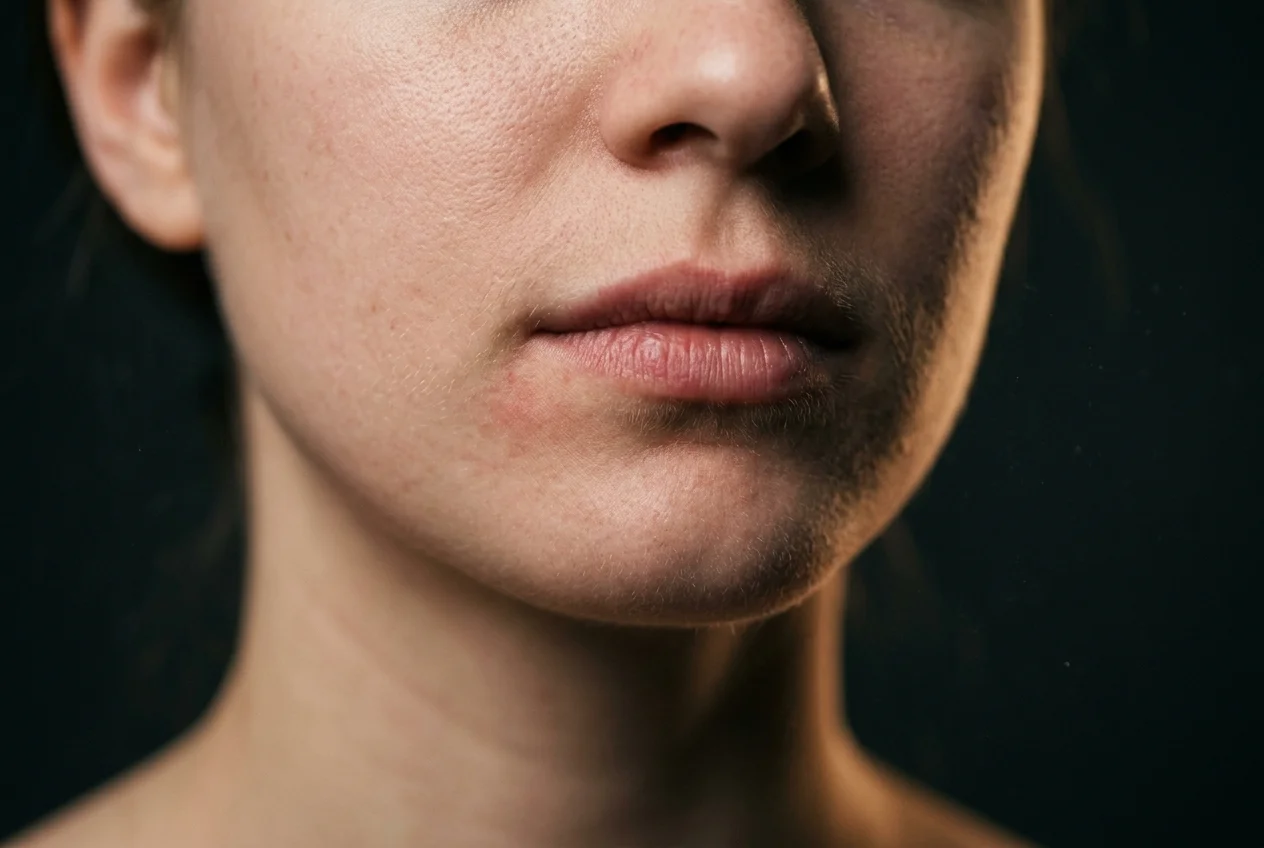
The continuous redness of the face, the visible vessels or the repeated outbreaks of pimples may correspond to rosacea.
Early treatment helps to control the disease better and to prevent its progression.
Significant hair loss
It is advisable to consult when:
- The loss increases in a striking way.
- Areas without hair appear.
- The scalp presents inflammation or pain.
- There is a progressive loss of density.
There are multiple causes of alopecia and many of them can be treated if they are diagnosed in time.
Nail alterations
It is advisable to consult if the following appear:
- Colour changes.
- Thickening.
- Persistent pain.
- Separation of the nail.
- New dark lines.
- Progressive deformities.
Although many alterations are benign, others require a specific study.
Itching that does not disappear
Intense or persistent itching for weeks may be due to:
- Dermatitis.
- Psoriasis.
- Scabies.
- Systemic diseases.
- Allergic reactions.
The treatment depends on correctly identifying the cause.
Eruptions that appear abruptly
You should request medical attention when an extensive eruption appears, especially if it is accompanied by:
- Fever.
- Poor general condition.
- Intense pain.
- Blisters.
- Involvement of the mouth, the eyes or the genitals.
In these situations an urgent assessment may be necessary.
Repeated skin infections
Boils, abscesses, cellulitis or infections that reappear frequently may indicate the existence of predisposing factors that should be studied.
When a treatment does not work
If a lesion does not improve after several weeks of correctly carried out treatment, it is advisable to review the diagnosis.
Not all diseases respond in the same way and, on occasions, it is necessary to modify the treatment or to carry out complementary tests.
Preventive check-ups
Even without presenting symptoms, some people should carry out periodic check-ups.
Especially:
- People with a personal history of skin cancer.
- A family history of melanoma.
- A large number of moles.
- Very fair skin.
- A history of intense sunburn.
- Immunosuppression.
- A significant accumulated sun exposure due to work or hobbies.
The frequency must be individualised.
And aesthetic medicine?
Aesthetic medicine must also begin with a medical assessment.
Before indicating any treatment, it is necessary to study:
- The condition of the skin.
- The lifestyle habits.
- The sun exposure.
- The expectations of the patient.
- The medical history.
The objective is not to transform the face, but to preserve a natural and healthy appearance.
Is it dangerous to wait?
It depends on the problem.
Many skin diseases evolve slowly.
Others, especially some skin tumours or certain inflammatory diseases, clearly benefit from an early diagnosis.
Consulting earlier usually allows simpler treatments and better results.
What can you do before the consultation?
While you wait for the medical assessment:
- Do not manipulate the lesions.
- Avoid self-medicating with corticosteroids without indication.
- Take photographs if you observe progressive changes.
- Note down when the problem began.
- Bring a list of the treatments used previously.
This information can facilitate the diagnosis.
Myths and facts
- Myth: If a lesion does not hurt, it cannot be important. Fact: Many skin cancers do not produce pain in their initial phases.
- Myth: All moles must be removed. Fact: The vast majority are completely benign and only require observation.
- Myth: Searching for information on the Internet replaces the medical consultation. Fact: Information can guide, but it never replaces a clinical examination.
- Myth: Acne always disappears with age. Fact: It can persist for years and leave scars if it is not treated properly.
- Myth: I only have to attend when the problem is serious. Fact: Early detection usually facilitates treatment and improves the prognosis.
The essential points to remember
- Not all skin lesions are serious, but some require an early diagnosis.
- Changes in a mole, a wound that does not heal or a lesion that bleeds must be evaluated.
- Acne, rosacea and hair loss respond better when they are treated from the initial phases.
- People with a higher risk of skin cancer should carry out periodic check-ups.
- Prevention and early diagnosis are the most effective tools to maintain healthy skin.
Frequently asked questions
Should I check my moles even if they have not changed?
Yes. Periodic self-examination and medical check-ups when indicated are highly advisable.
How often should I have a check-up?
It depends on your risk factors. Your skin health specialist will indicate the most appropriate frequency.
Does acne deserve a medical consultation?
Yes, especially if it leaves scars, produces pain or does not improve with the usual treatments.
Is hair loss always genetic?
No. There are many different causes and some are completely reversible.
Should a wart always be treated?
Not necessarily. It will depend on its location, symptoms and evolution.
Can a wound that does not heal be important?
Yes. It must be assessed if it persists for several weeks.
Should I consult about a new spot?
Yes, especially if it changes rapidly or presents striking characteristics.
Does rosacea have a treatment?
Yes. An early diagnosis allows the disease to be controlled better.
Are check-ups useful even without symptoms?
Yes, especially in people with risk factors for skin cancer.
What is the best time to attend?
When persistent changes, worrying new lesions or symptoms that do not improve appear. In the field of skin health, consulting early usually makes the difference.
Need personalised guidance?
This guide is for information only and does not replace a medical consultation. For an assessment tailored to your case, you may request a consultation.
Request a consultation